
Which mosquito is the deadliest
2025-08-24
What Is the Number One Killer Mosquito? A Closer Look at Its Threat and Control
When we talk about "killer mosquitoes," we’re not referring to their bite pain—but the deadly diseases they transmit. Among the 3,500+ mosquito species worldwide, one stands out as the most dangerous to humans: the Anopheles mosquito (commonly known as the "malaria mosquito"). Its status as the "number one killer" stems from its role in spreading malaria, a disease that claims hundreds of thousands of lives annually.
Why Anopheles Is the Deadliest
Malaria is caused by Plasmodium parasites, which can only be transmitted to humans through the bite of an infected female Anopheles mosquito (male mosquitoes do not bite or transmit diseases). Here’s why this species is so devastating:
- Global Impact: Anopheles mosquitoes are widespread in tropical and subtropical regions—including parts of Africa, Asia, and Latin America—where malaria is endemic. The World Health Organization (WHO) reports that in 2022, there were an estimated 247 million malaria cases worldwide, leading to 619,000 deaths. Over 90% of these deaths occurred in sub-Saharan Africa, with children under 5 years old being the most vulnerable group.
- Efficient Transmission: Female Anopheles mosquitoes have a unique biology that makes them ideal carriers of Plasmodium. When they feed on the blood of an infected human, they ingest the parasites, which then mature and multiply in the mosquito’s body. After 10–14 days, the parasites move to the mosquito’s salivary glands; when the mosquito bites another human, it injects the parasites into the new host, starting a new infection cycle.
- Resilience: Anopheles mosquitoes adapt well to human environments—they breed in stagnant water (e.g., puddles, rice fields, water storage containers) that is common in rural and urban areas alike. This proximity to humans increases the risk of repeated bites and disease spread.
Other Dangerous Mosquitoes (But Less Deadly Than Anopheles)
While Anopheles is the top killer, two other mosquito genera also pose severe health risks:
- Aedes Mosquitoes: Species like Aedes aegypti and Aedes albopictus transmit diseases such as dengue, Zika, chikungunya, and yellow fever. These mosquitoes bite during the day (unlike Anopheles, which often bites at night) and thrive in urban settings. While dengue alone causes 100–400 million infections yearly, its mortality rate (about 0.5–5% if untreated) is lower than malaria’s in high-risk regions.
- Culex Mosquitoes: These are major carriers of West Nile virus, Japanese encephalitis, and lymphatic filariasis. West Nile virus, for example, affects millions annually, but most cases are mild (only 1 in 5 people show symptoms, and 1 in 150 develop severe illness). Lymphatic filariasis (elephantiasis) causes long-term disability but has a low mortality rate.
How to Protect Against "Killer Mosquitoes" (Including Anopheles)
Reducing exposure to Anopheles and other dangerous mosquitoes is critical for disease prevention. Here are practical steps—including how tools like your mosquito swatter can help:
- Eliminate Breeding Sites: Since Anopheles lays eggs in stagnant water, empty or cover containers (e.g., buckets, flower pots, birdbaths) that collect water. Clean gutters regularly and avoid leaving standing water near your home.
- Use Protective Gear: Sleep under insecticide-treated bed nets (ITNs)—the WHO recommends these as a top defense against nighttime Anopheles bites. During the day, wear long-sleeved shirts and pants, especially in endemic areas.
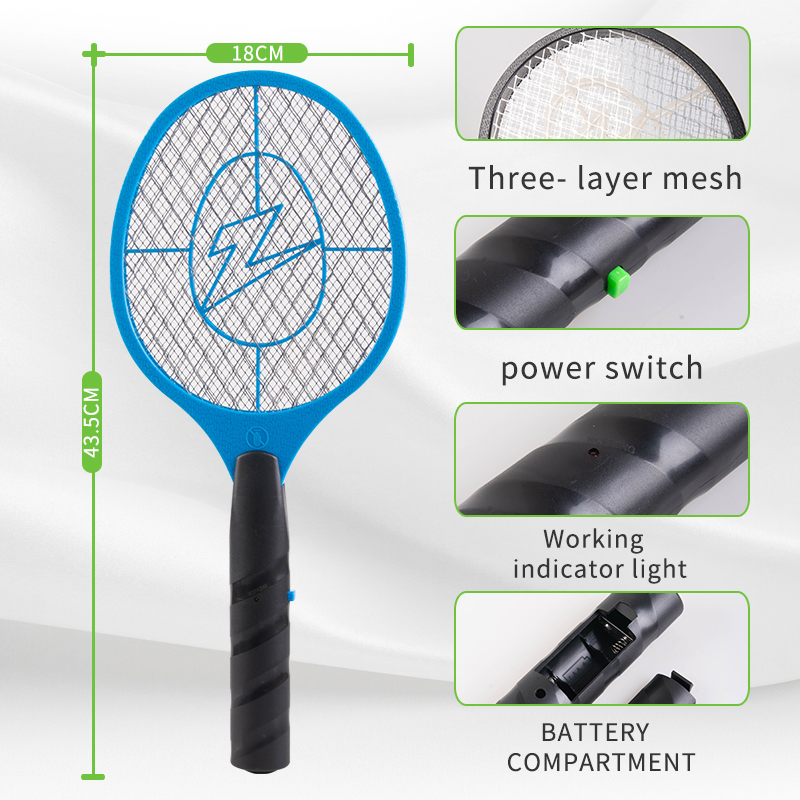
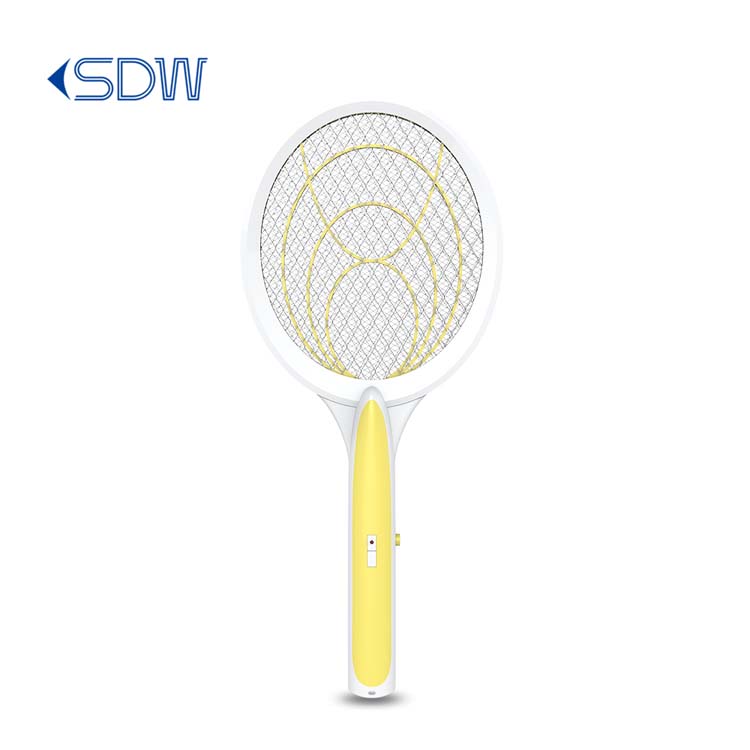
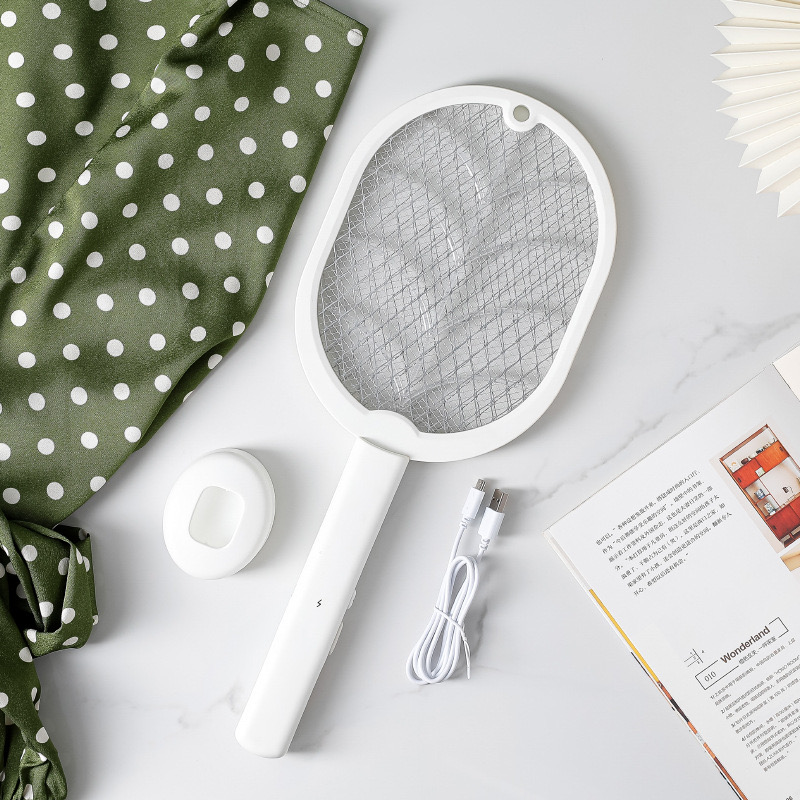
- Indoor Mosquito Control: Use mosquito swatters (like the battery-powered ones we discussed earlier) to kill mosquitoes that enter your home. Ensure your swatter is in good working order—if it uses disposable batteries, replacing them with rechargeable ones (as outlined in our previous guide) ensures you’re never without a working tool to zap stray Anopheles or Aedes mosquitoes. You can also use indoor residual sprays (IRS) in high-risk regions to kill mosquitoes on contact.
- Community and Medical Prevention: In malaria-endemic areas, mass drug administration (MDA) and vaccination (e.g., the RTS,S/AS01 malaria vaccine for children) are additional layers of protection. If you travel to these regions, consult a doctor about antimalarial medications.
The Anopheles mosquito is unequivocally the number one killer mosquito due to its role in spreading malaria—a disease that remains a leading cause of preventable death, especially in low-income countries. While other mosquitoes like Aedes and Culex transmit serious illnesses, their global mortality impact pales in comparison to Anopheles.
Protecting yourself starts with small, daily actions: keeping your home free of stagnant water, using bed nets, and having a reliable mosquito swatter on hand. As we covered earlier, maintaining your mosquito swatter (e.g., using compatible rechargeable batteries) ensures it’s always ready to help reduce the number of mosquitoes in your living space—adding a simple but effective layer to your defense against these deadly insects.
A Complete Guide to Small Fan Types
Can Rechargeable Batteries Replace Disposable Ones in Mosquito Swatters
Related Article

If you’re struggling with annoying mosquitoes, flies, and other flying pests indoors and outdoors, upgrading from traditional manual tools to anElectric Mosquito Swatter is the most efficient solution. Many homeowners and renters search where to buy fly swatter online to find durable, safe, and high-performance electric models that deliver instant pest control.
Where to Buy Fly Swatter
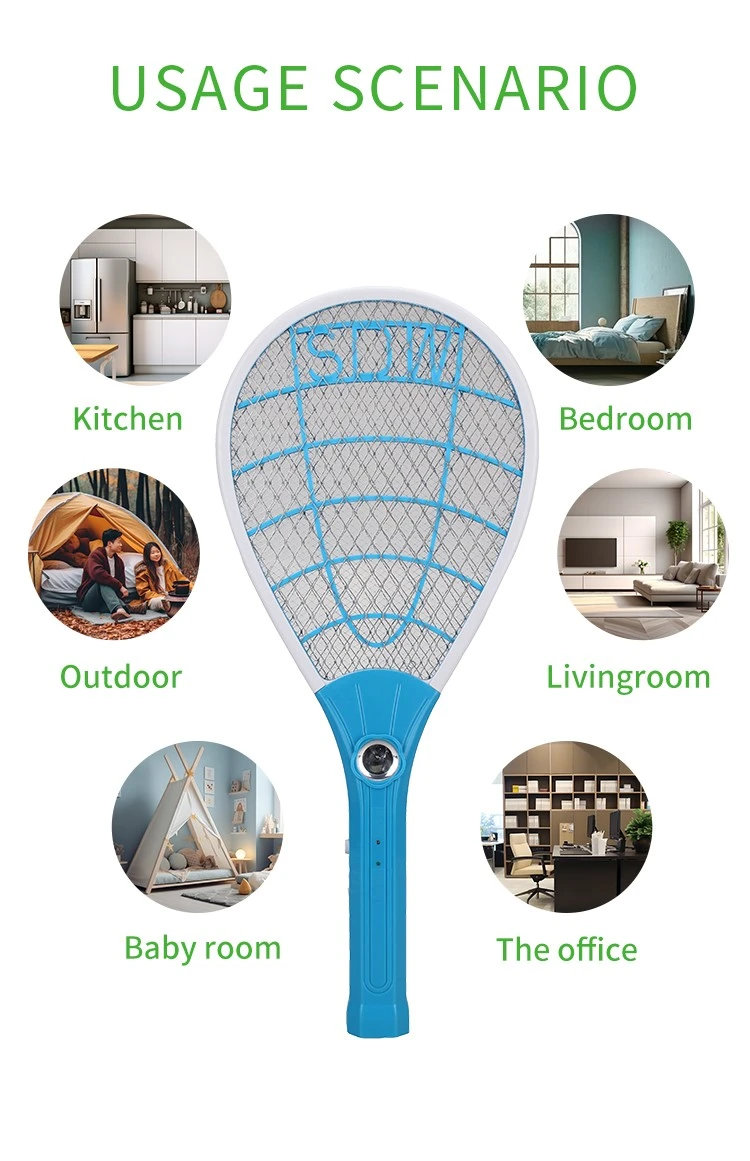
Most importers of electric mosquito swatters obsess over the first order: samples requested, factories vetted, a pre-shipment inspection booked. Then the reorder arrives eight months later and something is off. The grid feels softer. The charge port is a slightly different shade of black. The carton thickness dropped from 350 gsm to 300 gsm. Nothing is catastrophic — but the product no longer matches what your retail customers approved, and quietly, your return rate starts climbing.
How to Keep Mosquito Swatter Quality Consistent Across Repeat Orders
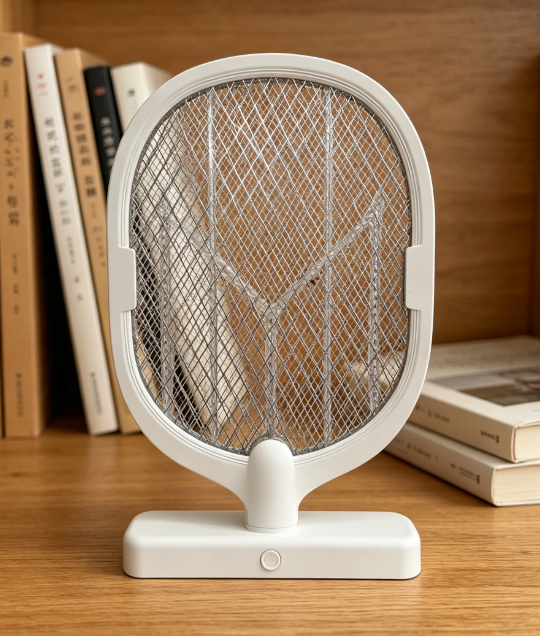
Warranty returns are the silent margin killer in the mosquito control category. A distributor who buys a swatter at $1.80 FOB and retails it at $9.90 can absorb a 1% return rate without noticing — but at 5%, the combined cost of replacement units, reverse logistics, and refund processing erases most of the line's profit.
Common mosquito swatter killer lamp failure modes wholesale spec guide

Digital bathroom scales rank as the second-highest-volume consumer weighing product category, only behind kitchen scales, with distinct market and product characteristics that set them apart from other scale types in importers’ product portfolios.
Digital bathroom body fat-bia-scale wholesale buyers guide