
Why Are Almost All Mosquito Lamps Plug-In
2026-01-12
Why Are Almost All Mosquito Lamps Plug-In? These 4 Core Reasons Will Answer Your Doubts
Analysis of the Core Reasons Why Plug-In Models Dominate Mosquito Lamps
Have you ever noticed a phenomenon: whether bought in supermarkets or online, most mosquito lamps are plug-in models. The occasional battery-powered ones are either mini low-power versions or have poor sales. Obviously, battery-powered models seem more flexible and portable, so why does the mosquito lamp industry generally prefer plug-in designs? Today, we will break down the key reasons behind this. After reading, you will understand that this is not manufacturers being "lazy", but the optimal choice after comprehensive consideration.
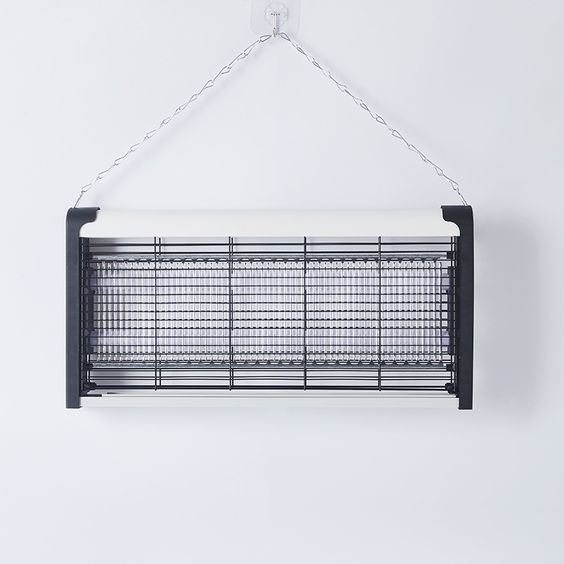
1. Working Principle: Plug-In Power Is the Core Driver for Stable Mosquito Repellent
First, from the perspective of working principle, plug-in power is the "power guarantee" for the stable operation of mosquito lamps. The core function of common mosquito lamps is "mosquito attraction + mosquito elimination". Whether it is the mainstream type of ultraviolet light attraction + high-voltage electric shock or the photocatalyst attraction + fan adsorption type, continuous and stable power support is required. Taking the high-voltage electric shock type as an example, to generate the high-voltage current that can instantly kill mosquitoes, a stable voltage input is needed. Plug-in models can directly access the household 220V circuit, which can easily meet the power demand; while the voltage supplied by batteries is inherently unstable and will gradually decrease as the power is consumed. This not only fails to generate sufficient high voltage, but also weakens the intensity of the ultraviolet light for attracting mosquitoes, greatly reducing the mosquito repellent effect. More importantly, the output power of batteries is limited, making it difficult to drive components such as high-voltage generators and fans to work for a long time. Forcing adaptation will only turn the mosquito lamp into a "decorative item".
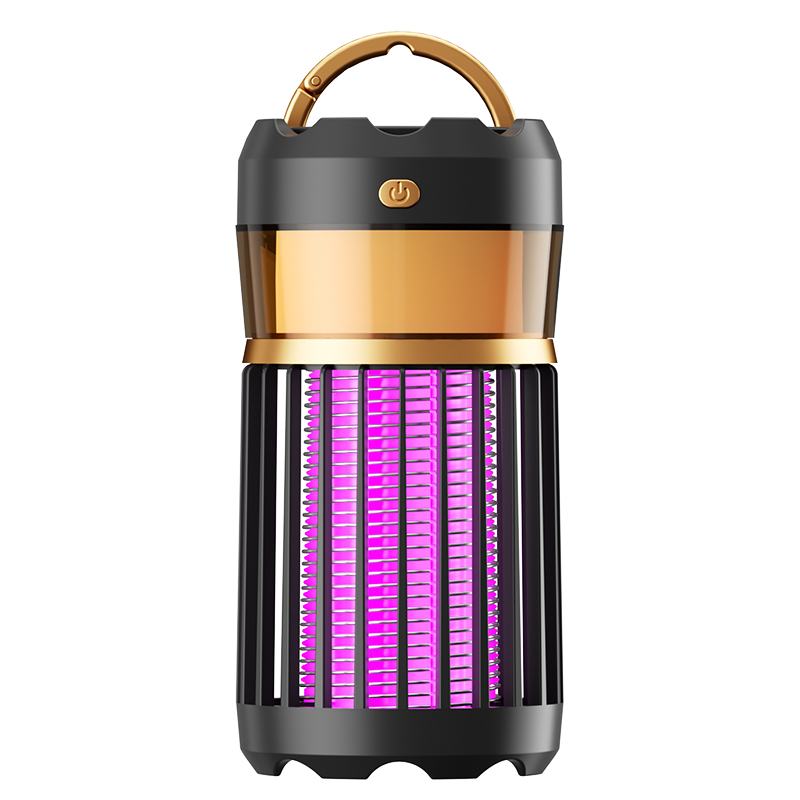
2. Usage Scenarios: Fixed Scenario Needs Weaken the Value of Portability
Second, usage scenarios determine that "portability" is not the core demand of mosquito lamps. The main usage scenarios of mosquito lamps are fixed indoor locations, such as beside the bedroom bed, in the corner of the living room, and beside the study desk. Most of these places have power sockets, so plug-in use does not affect the user experience at all. On the contrary, for home use, people need mosquito lamps to be "on standby 24/7" — for example, keeping them on for a long time while sleeping at night. Plug-in models can work continuously without worrying about power outages; even if battery-powered models use large-capacity lithium batteries, their battery life is limited. They usually run out of power after working for a few hours, requiring frequent charging or battery replacement, which instead increases the trouble of use. For scenarios that require mobile use (such as outdoor camping), there are actually specialized outdoor mosquito repellent equipment. The core positioning of mosquito lamps is not "portable mobility".
3. Cost and Practicality: Plug-In Models Achieve a Balance of Two-Way Cost-Effectiveness
Third, from the perspective of balancing cost and practicality, plug-in models have more advantages. For manufacturers, the structure of plug-in models is simpler. There is no need to additionally design battery compartments, charging modules, or purchase lithium batteries, which can effectively control production costs; for consumers, after purchasing a plug-in model once, there are almost no additional expenses. In contrast, battery-powered models may not only be more expensive, but also require consumers to bear the cost of battery replacement or charging during long-term use. Moreover, batteries have a service life, and their battery life may degrade after one or two years, resulting in high subsequent maintenance costs. More importantly, most people buy mosquito lamps for "worry-free mosquito repellent". No one wants to remember to charge or replace the batteries of the mosquito lamp every day. The "plug-and-play, no need to take care of" feature of plug-in models perfectly meets the core needs of consumers.
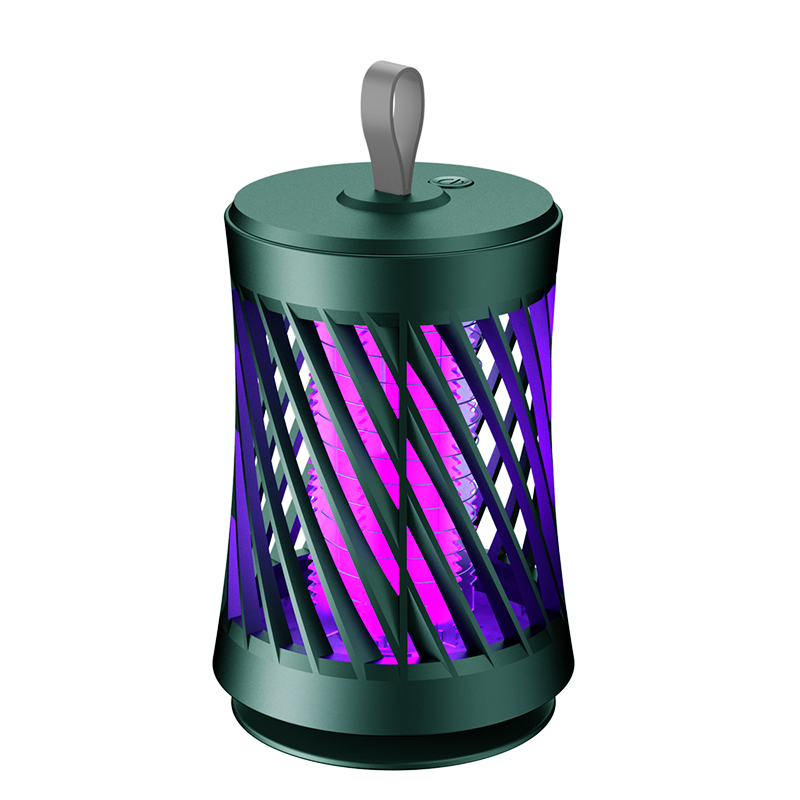
4. Safety and Durability: Plug-In Models Are More Suitable for Long-Term Use Needs
Finally, from the perspective of safety and durability, plug-in models are also more reliable. Mosquito lamps are electrical appliances that are used for a long time. The power supply circuit of plug-in models has undergone standardized design, with complete safety mechanisms such as overload protection and insulation protection, complying with the safety standards for household electrical appliances; if battery-powered models use inferior batteries or improper charging operations, they are prone to risks such as overheating, leakage, and even fire. Especially when used unattended at night, the safety hazard is greater. In addition, batteries age faster than plug-in components. After long-term use, the capacity and stability of the battery will decrease, directly affecting the service life of the mosquito lamp. As long as the circuit is not damaged, plug-in models can work stably for many years, with better durability.
In summary, the widespread use of plug-in models in mosquito lamps is essentially the result of the joint action of four major factors: "functional needs, usage scenarios, cost and practicality, and safety and durability". Plug-in models can perfectly match the core demand of mosquito lamps for "long-term stable operation", while the portability advantage of battery-powered models is useless in the core usage scenarios of mosquito lamps. Instead, they have problems such as short battery life, high cost, and safety hazards. Therefore, next time you buy a mosquito lamp, there is no need to worry about "why there are no battery-powered models". Directly choosing a plug-in model that matches the room area is the most worry-free and practical choice~
What Kind of Mosquito Swatter is Truly Eco-Friendly
2026 Year of the Horse Spring Festival Logistics Guide
Related Article

If you’re struggling with annoying mosquitoes, flies, and other flying pests indoors and outdoors, upgrading from traditional manual tools to anElectric Mosquito Swatter is the most efficient solution. Many homeowners and renters search where to buy fly swatter online to find durable, safe, and high-performance electric models that deliver instant pest control.
Where to Buy Fly Swatter

Most importers of electric mosquito swatters obsess over the first order: samples requested, factories vetted, a pre-shipment inspection booked. Then the reorder arrives eight months later and something is off. The grid feels softer. The charge port is a slightly different shade of black. The carton thickness dropped from 350 gsm to 300 gsm. Nothing is catastrophic — but the product no longer matches what your retail customers approved, and quietly, your return rate starts climbing.
How to Keep Mosquito Swatter Quality Consistent Across Repeat Orders

Warranty returns are the silent margin killer in the mosquito control category. A distributor who buys a swatter at $1.80 FOB and retails it at $9.90 can absorb a 1% return rate without noticing — but at 5%, the combined cost of replacement units, reverse logistics, and refund processing erases most of the line's profit.
Common mosquito swatter killer lamp failure modes wholesale spec guide

Digital bathroom scales rank as the second-highest-volume consumer weighing product category, only behind kitchen scales, with distinct market and product characteristics that set them apart from other scale types in importers’ product portfolios.
Digital bathroom body fat-bia-scale wholesale buyers guide