
Why are bug zappers illegal
2025-07-09
Why are Bug Zappers Illegal
Bug zappers, commonly known as "electric mosquito killers" in daily life, were once regarded by many as a powerful tool for preventing mosquitoes in summer due to their ability to quickly electrocute mosquitoes. However, you may not know that such devices are explicitly prohibited or strictly restricted in many countries and regions around the world. The reasons behind this are far more complex than just "whether they effectively kill mosquitoes".
I. Damage of Bug Zappers to the Ecosystem
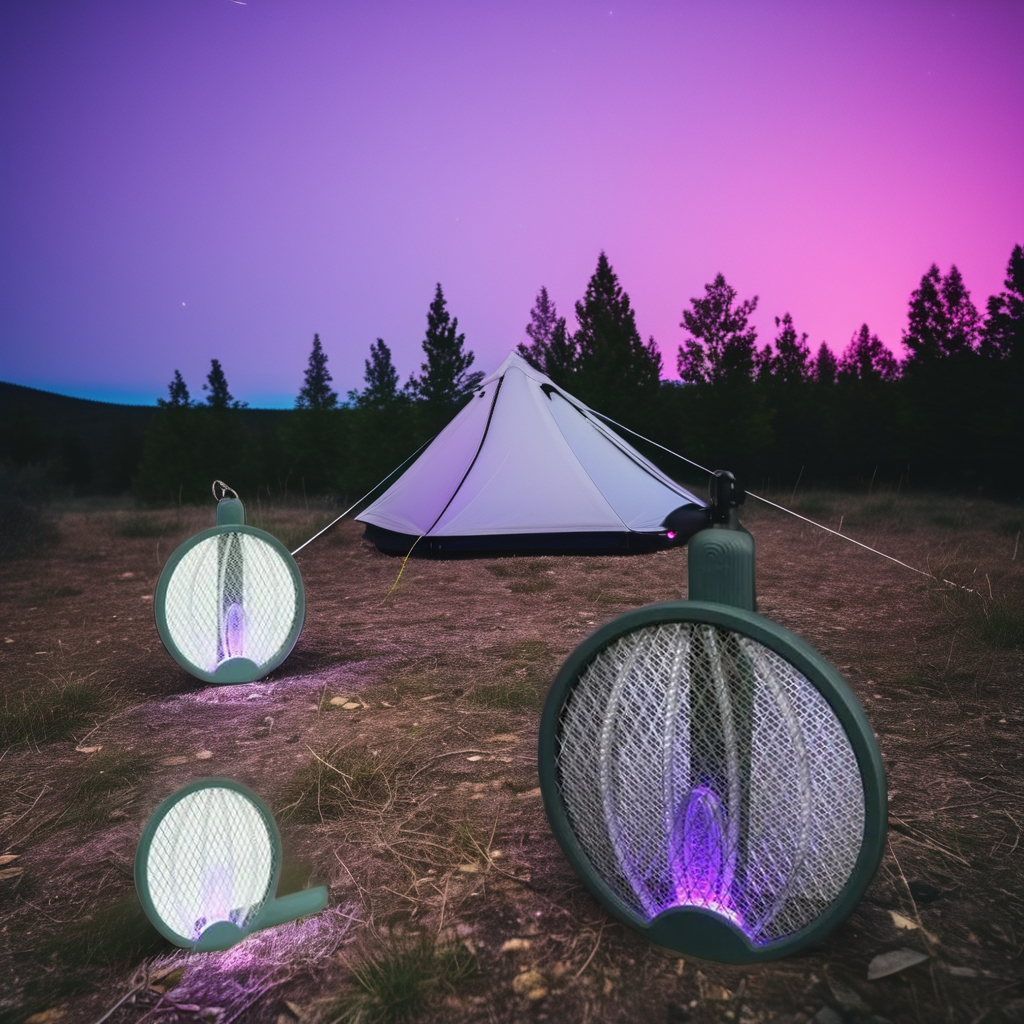
1. Killing Beneficial Insects by Mistake and Disrupting Ecological Balance
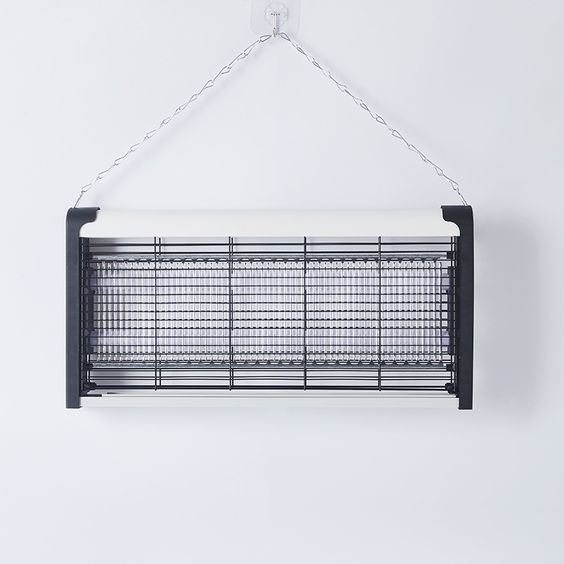
The working principle of bug zappers is to attract insects through ultraviolet light and then electrocute them with a high-voltage power grid. However, ultraviolet light is actually far less attractive to mosquitoes than to other insects. Studies have shown that mosquitoes account for only about 5% of the insects killed by bug zappers, and the remaining 95% are beneficial insects to humans such as bees, butterflies, and ladybugs - they are key forces for plant pollination and natural "guardians" for controlling the number of pests.
In agricultural areas, the mass killing of beneficial insects by mistake will lead to a decrease in the pollination rate of crops, and pests will multiply due to the loss of natural enemies, ultimately disrupting the local ecological balance. This is also the core reason why bug zappers are banned in many agricultural countries (such as some states in Australia).
2. Indirectly Aggravating Mosquito Problems
What's more ironic is that bug zappers may even make the mosquito problem worse. The main food source of mosquitoes is plant sap, and only female mosquitoes suck blood for reproduction. Bug zappers mostly kill male mosquitoes or non-blood-sucking insects, and have little effect on killing female mosquitoes. At the same time, the decomposed bodies of electrocuted insects will attract more other pests such as flies and ants, forming new hygiene hazards.
II. Potential Risks of Bug Zappers to Public Health
1. Harmful Substances Produced by Electric Shocks
When insects are electrocuted by the high-voltage power grid, their bodies will be instantly "blown up", and the debris and droplets produced may contain pathogens (such as bacteria and viruses). These substances will spread with the air, and if inhaled by humans, they may cause respiratory infections or allergic reactions.
In places with high hygiene requirements such as hospitals and food processing plants, this risk is further amplified. Therefore, the health regulations of many countries explicitly prohibit the use of bug zappers in such areas.
2. Ineffectiveness in Preventing Mosquito-Borne Diseases
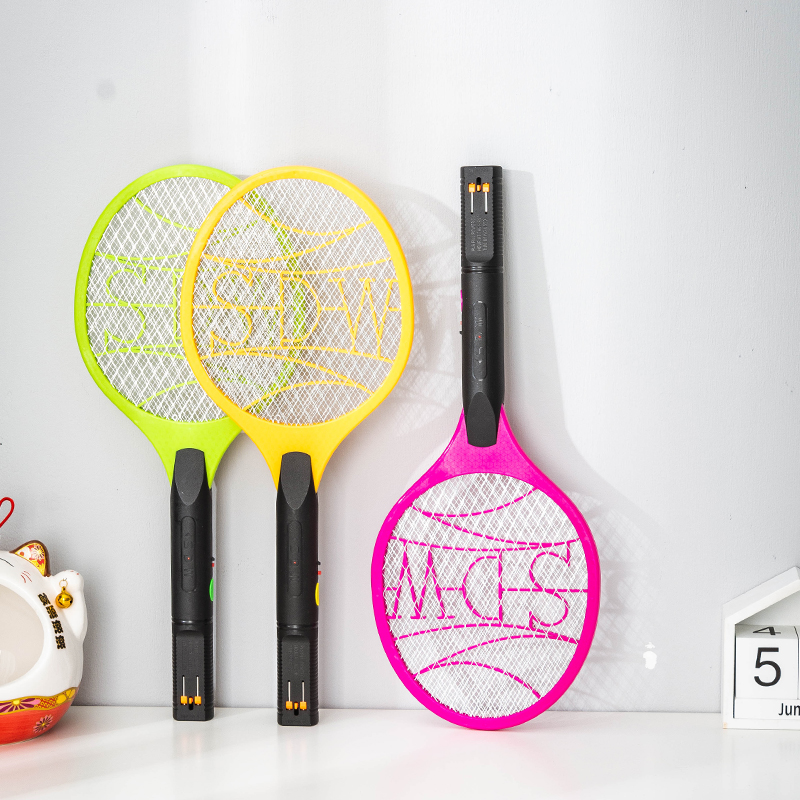
The main reason why mosquitoes are annoying is that they can transmit diseases such as malaria and dengue fever. But the "blindness" of bug zappers makes them unable to accurately target the female mosquitoes that transmit diseases. On the contrary, electric fly swatters have more advantages in this aspect - they are manually aimed at mosquitoes to swat, which can reduce harm to other insects and directly eliminate blood-sucking female mosquitoes, making them more suitable for household mosquito prevention.
III. Advantages of Alternative Solutions
Compared with bug zappers, many countries recommend physical mosquito prevention (such as mosquito nets), biological control (such as introducing natural enemies of mosquitoes), or using environmentally friendly mosquito repellents. As a manual tool, electric fly swatters avoid killing beneficial insects by mistake and can quickly solve the immediate mosquito problem, gradually becoming a more popular choice.
It is precisely because of the dual negative impacts of bug zappers on ecology and health, as well as the advantages of alternative solutions, that many regions around the world, including Germany, some provinces in Canada, and California in the United States, have restricted or prohibited the sale and use of bug zappers through legislation.
Next time you choose mosquito prevention tools, you may consider electric fly swatters or mosquito nets - they are not only safer but also can contribute to protecting the ecology.
Why do flies ignore my fly zapper
What is the Best Natural Fly Killer
Related Article

If you’re struggling with annoying mosquitoes, flies, and other flying pests indoors and outdoors, upgrading from traditional manual tools to anElectric Mosquito Swatter is the most efficient solution. Many homeowners and renters search where to buy fly swatter online to find durable, safe, and high-performance electric models that deliver instant pest control.
Where to Buy Fly Swatter
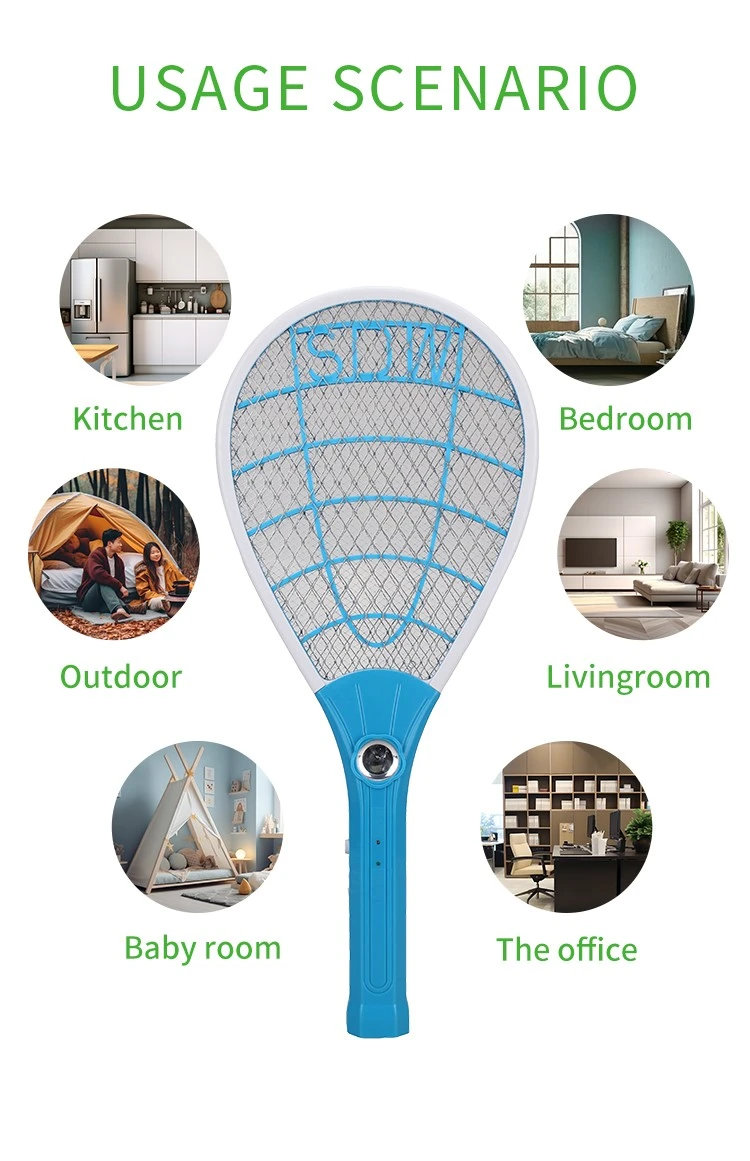
Most importers of electric mosquito swatters obsess over the first order: samples requested, factories vetted, a pre-shipment inspection booked. Then the reorder arrives eight months later and something is off. The grid feels softer. The charge port is a slightly different shade of black. The carton thickness dropped from 350 gsm to 300 gsm. Nothing is catastrophic — but the product no longer matches what your retail customers approved, and quietly, your return rate starts climbing.
How to Keep Mosquito Swatter Quality Consistent Across Repeat Orders
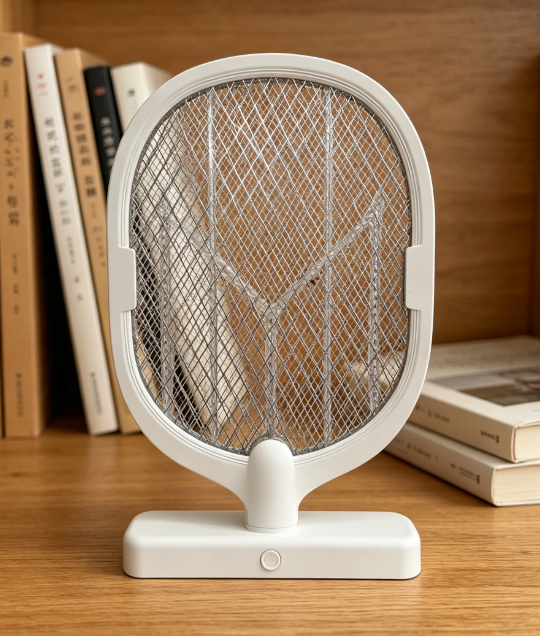
Warranty returns are the silent margin killer in the mosquito control category. A distributor who buys a swatter at $1.80 FOB and retails it at $9.90 can absorb a 1% return rate without noticing — but at 5%, the combined cost of replacement units, reverse logistics, and refund processing erases most of the line's profit.
Common mosquito swatter killer lamp failure modes wholesale spec guide

Digital bathroom scales rank as the second-highest-volume consumer weighing product category, only behind kitchen scales, with distinct market and product characteristics that set them apart from other scale types in importers’ product portfolios.
Digital bathroom body fat-bia-scale wholesale buyers guide