
Why Are Lithium-Ion Battery Mosquito Swatters of Better Quality
2025-10-31
Why Are Lithium-Ion Battery Mosquito Swatters of Better Quality? These Advantages Are Key
When the mosquito season hits, mosquito swatters become a "must-have item" for many households. However, anyone who has used a mosquito swatter knows the frustrations: some run out of power after just a few days, others have fragile handles that break easily, and some stop working entirely after half a year. In fact, the core difference between high-quality and low-quality mosquito swatters often lies in the "battery" — compared to traditional nickel-cadmium (Ni-Cd) and nickel-metal hydride (Ni-MH) batteries, lithium-ion battery mosquito swatters have overwhelming advantages in durability, practicality, and safety. Let’s break down the key reasons why.
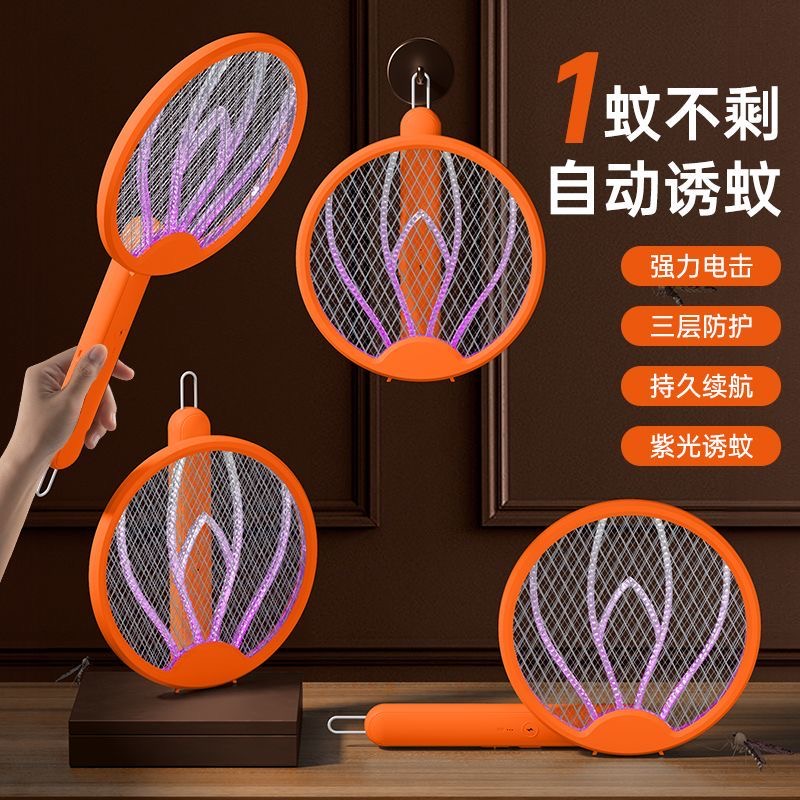
1. Longer Battery Life: Charge Once, Use Longer — No More "Frequent Power Outages"
Traditional mosquito swatters typically use Ni-Cd batteries with a capacity of 400-600 mAh. After a full charge, they start losing power significantly after 1-2 hours of continuous use; even with occasional use, you still need to recharge them once a week. Ni-MH batteries are slightly better, but most have a capacity of less than 1000 mAh, so battery life remains a weak point.
Lithium-ion batteries, by contrast, have a clear capacity advantage. Most mainstream lithium-ion mosquito swatters have a capacity of 1200-2000 mAh, and some high-end models even reach 3000 mAh. What’s more important is that lithium-ion batteries offer far superior "discharge stability" compared to traditional batteries. As traditional batteries are used, their voltage drops rapidly, weakening the swatter’s "electrical shock power" — you hear the "zizz" sound, but the mosquito doesn’t die. Lithium-ion batteries, however, maintain a stable voltage output; even when only 30% of the power remains, there’s no noticeable drop in shock power. This truly lives up to the promise of "charge once, use with peace of mind for two weeks." For office workers or those who hate frequent recharging, this battery life experience is much more convenient and eliminates the hassle of repeated charging.
2. Longer Lifespan & Maximum Durability: Avoid the Waste of "Replacing Every Year"
Many people complain that "mosquito swatters are disposable and break after a year," but this is mostly due to the limitations of traditional batteries. Ni-Cd batteries suffer from severe "memory effect" — if you recharge them before fully draining the power, their capacity shrinks over time, and after half a year, it may drop to only 50% of the original. Additionally, Ni-Cd batteries have a cycle life of only 300-500 times; if charged once a week, they "die" in just over a year.
Lithium-ion batteries solve these problems perfectly: First, lithium-ion batteries have almost no memory effect, so you can charge them anytime without affecting capacity, making daily use more flexible. Second, their cycle life ranges from 800-1200 times, and high-quality lithium-ion batteries can even exceed 2000 cycles. With normal use, they last 3-5 years, greatly reducing the frequency of replacements. More importantly, lithium-ion batteries perform better in low temperatures — traditional batteries lose power quickly or fail to charge in winter, but lithium-ion batteries work stably at temperatures above 0°C, making them reliable in humid southern climates or cold northern winters. Their durability is truly maximized.
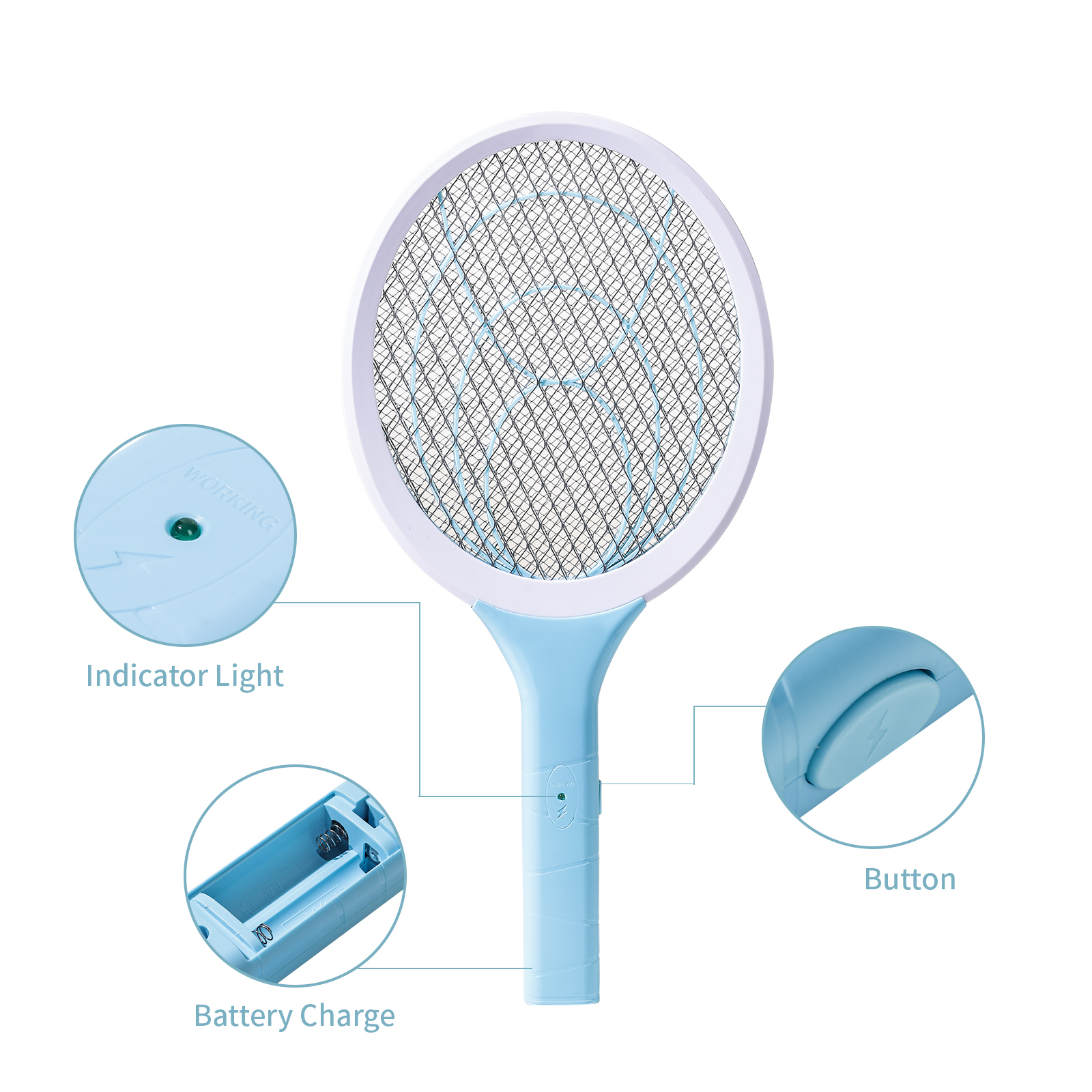
3. Lightweight Design + Fast Charging: More Comfortable to Use
Traditional batteries not only have small capacities and short lifespans but also a obvious flaw: they’re "heavy." Ni-Cd batteries have low energy density, so to achieve the same capacity, they need to be larger and heavier. This results in traditional mosquito swatters having thick, heavy handles that cause hand fatigue when held for long periods.
Lithium-ion batteries, however, have an energy density 2-3 times that of Ni-Cd batteries. For the same capacity, lithium-ion batteries are half the size and much lighter. Most mainstream lithium-ion mosquito swatters weigh only 200-300 grams — about the weight of an apple. You can hold them for over 10 minutes without feeling tired, making them easy for both the elderly and children to use.
Another major advantage is that lithium-ion batteries support fast charging. Traditional mosquito swatters usually take 8-12 hours to charge; if you forget to charge them, you’ll be left without a working swatter at night. Lithium-ion mosquito swatters, by contrast, mostly come with fast-charging technology, taking only 2-4 hours to fully charge. Some even support "1-hour fast charging" — a 30-minute emergency charge is enough for a night of mosquito control. Moreover, many lithium-ion mosquito swatters are equipped with USB charging ports, so you can use your phone charger or power bank to recharge them, no need to hunt for a dedicated charger. This makes them much more convenient to use.
4. More Comprehensive Safety Protection: Use with Greater Peace of Mind
Safety is always a top concern for mosquito swatters, and lithium-ion batteries offer additional advantages here. First, high-quality lithium-ion mosquito swatters are mostly equipped with built-in "overcharge, over-discharge, and short-circuit protection" chips — if the voltage is too high during charging, the chip automatically cuts off power to prevent the battery from swelling. When the power is too low, it triggers a protection mechanism to avoid battery damage from over-discharging. Even if you accidentally get it wet (for water-resistant models), it prevents short circuits and potential dangers.
In contrast, many low-cost traditional mosquito swatters skip comprehensive protection designs to cut costs. They often overheat or swell during charging, and there’s even a risk of fire. Lithium-ion batteries are also more stable and don’t have the "leakage" issue common with Ni-Cd batteries. Traditional batteries may leak corrosive fluid after prolonged use, damaging the swatter’s internal components and even causing harm if it comes into contact with your skin. Lithium-ion batteries, when used normally, rarely leak, providing greater safety assurance.
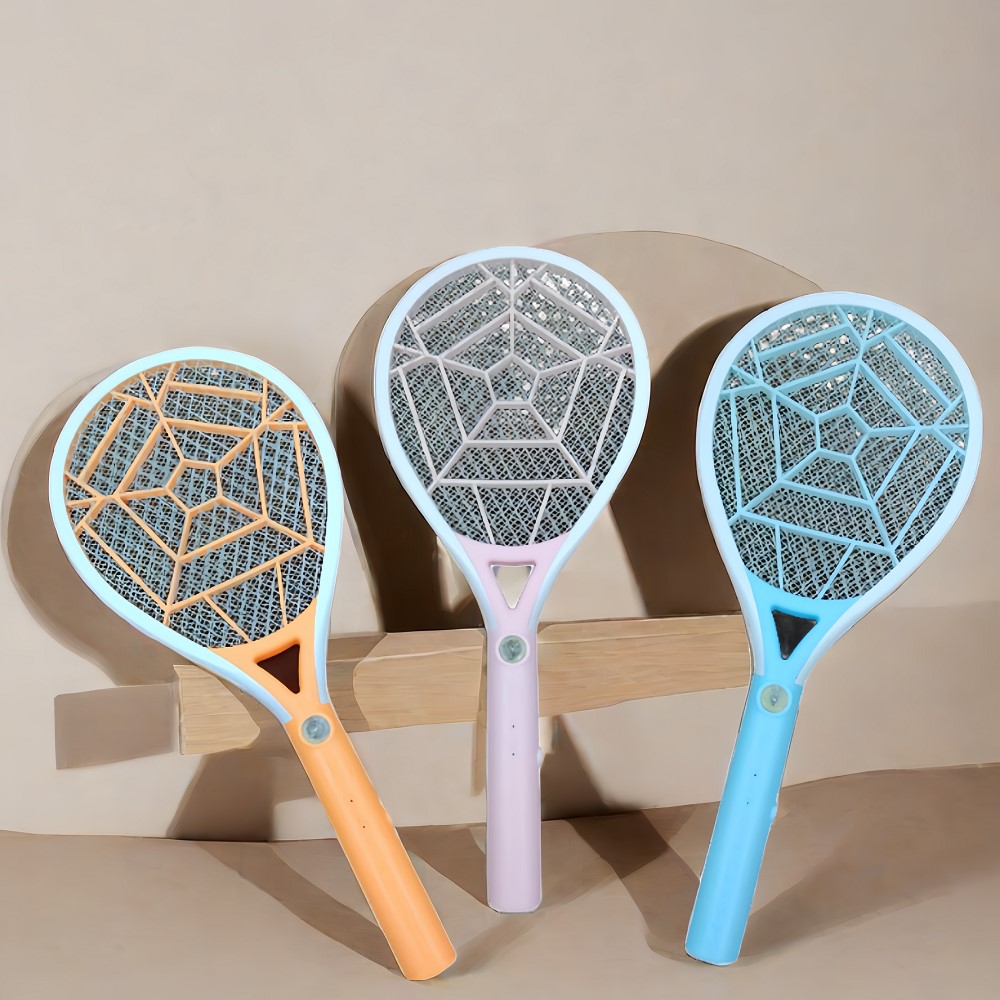
Conclusion: Choose the Right Battery, Choose a "Durable Mosquito Swatter"
In fact, to judge the quality of a mosquito swatter, you don’t need to look at fancy extra features — just check the battery type first. The "long battery life, long lifespan, lightweight design, and high safety" offered by lithium-ion batteries are the core traits of a high-quality mosquito swatter. Not only does it help you eliminate mosquitoes easily, but it also saves you from the hassle and waste of frequent replacements. In the long run, it offers much better value for money.
Next time you buy a mosquito swatter, remember to look for the "lithium-ion battery" label. Then, check the capacity (1500 mAh or higher is recommended), fast-charging function, and protection design. With these criteria, you’ll find a "durable model" that lasts for years — and say goodbye to the frustration of "short-lived mosquito swatters" for good.
A Guide to Correctly Using Electric Mosquito Swatters
Never Use Electric Mosquito Swatters with Insecticides Together
Related Article

If you’re struggling with annoying mosquitoes, flies, and other flying pests indoors and outdoors, upgrading from traditional manual tools to anElectric Mosquito Swatter is the most efficient solution. Many homeowners and renters search where to buy fly swatter online to find durable, safe, and high-performance electric models that deliver instant pest control.
Where to Buy Fly Swatter
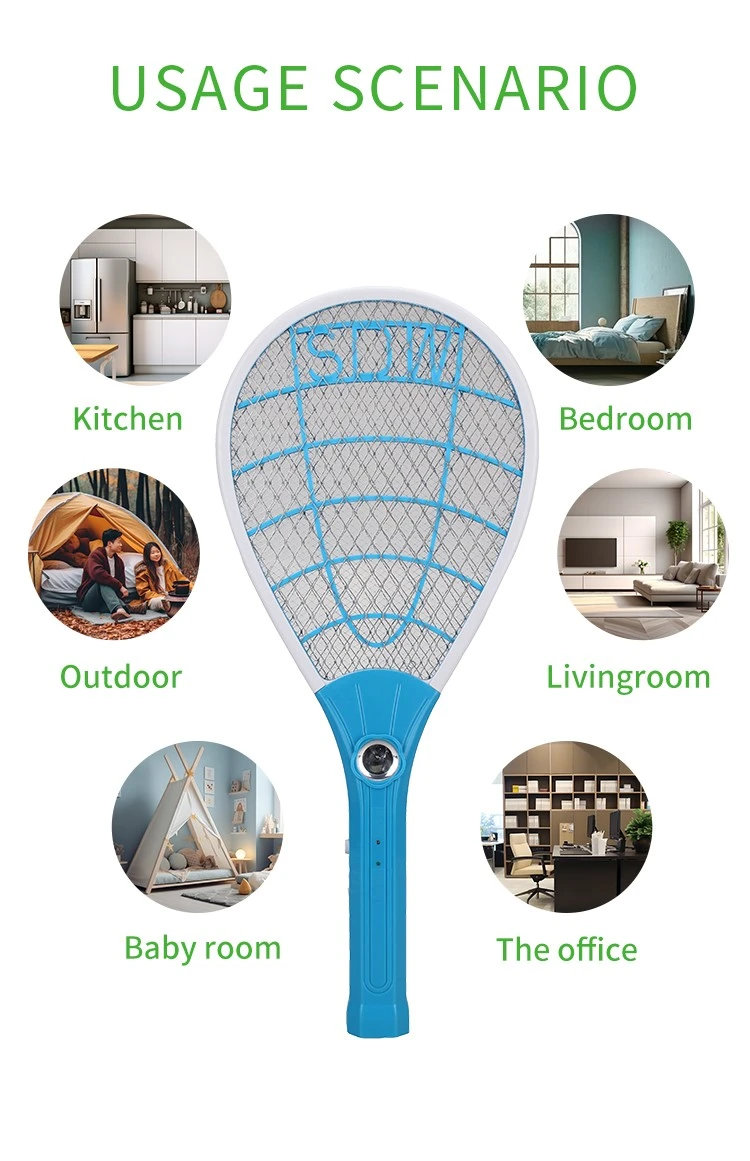
Most importers of electric mosquito swatters obsess over the first order: samples requested, factories vetted, a pre-shipment inspection booked. Then the reorder arrives eight months later and something is off. The grid feels softer. The charge port is a slightly different shade of black. The carton thickness dropped from 350 gsm to 300 gsm. Nothing is catastrophic — but the product no longer matches what your retail customers approved, and quietly, your return rate starts climbing.
How to Keep Mosquito Swatter Quality Consistent Across Repeat Orders
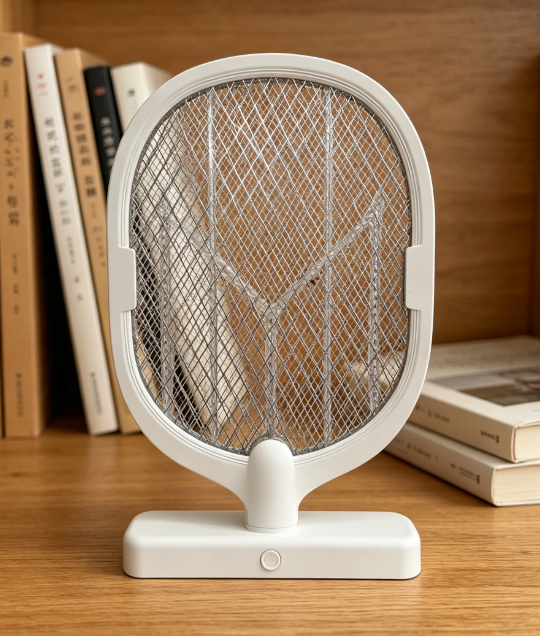
Warranty returns are the silent margin killer in the mosquito control category. A distributor who buys a swatter at $1.80 FOB and retails it at $9.90 can absorb a 1% return rate without noticing — but at 5%, the combined cost of replacement units, reverse logistics, and refund processing erases most of the line's profit.
Common mosquito swatter killer lamp failure modes wholesale spec guide

Digital bathroom scales rank as the second-highest-volume consumer weighing product category, only behind kitchen scales, with distinct market and product characteristics that set them apart from other scale types in importers’ product portfolios.
Digital bathroom body fat-bia-scale wholesale buyers guide