
Why are the grid voltages of electric mosquito swatters designed to be so high
2025-11-21
Why are the grid voltages of electric mosquito swatters designed to be so high? After all, the voltage of ordinary sockets we use daily is only 220V, while the voltage of electric mosquito swatters can easily reach several thousand or even tens of thousands of volts. Isn't there a risk of electrocuting people? Today, we'll unravel this "high-voltage puzzle".
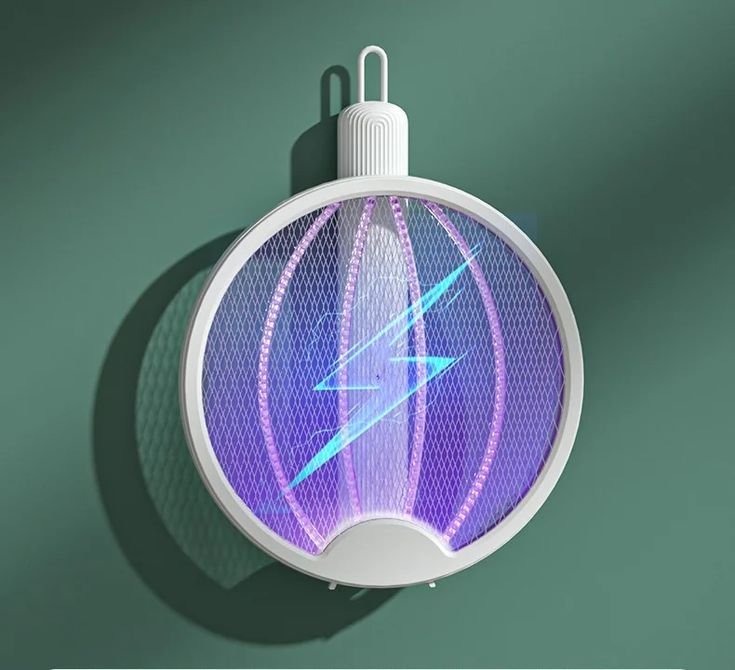
1. High Voltage Is the "Key to Mosquito Elimination": Mosquitoes' "Fragility" Calls for a Strong Electric Shock
First, we need to clarify a core question: How do electric mosquito swatters kill mosquitoes? The answer is "destroying their physiological structure with an electric shock". However, mosquitoes are extremely small—adult mosquitoes are only 3-6 millimeters long, and their body walls are as thin as a sheet of paper. Ordinary low voltage simply cannot cause fatal damage to them.
Here, we need to mention a physical concept: electric field intensity. When the voltage is high enough, a strong electric field is formed between the grids, and the air is "ionized" (similar to the principle of lightning), creating an instantaneous current. When a mosquito flies through the gap between the grids, its body becomes a "path" for the current. This current instantly damages its nervous system and internal organs, killing it on the spot. If the voltage is too low, the electric field intensity will be insufficient—either the air cannot be ionized (so no current is formed), or the current is too weak, only stunning the mosquito. Once it recovers, it will continue to "pester" people.
Here's a vivid example: If you lower the voltage of an electric mosquito swatter to a few hundred volts, you'll notice that there's almost no "crackling" sound when you swing it. When a mosquito hits the grid, it may just twitch and then fly away unharmed. This is exactly the result of insufficient voltage failing to reach the "lethal threshold".
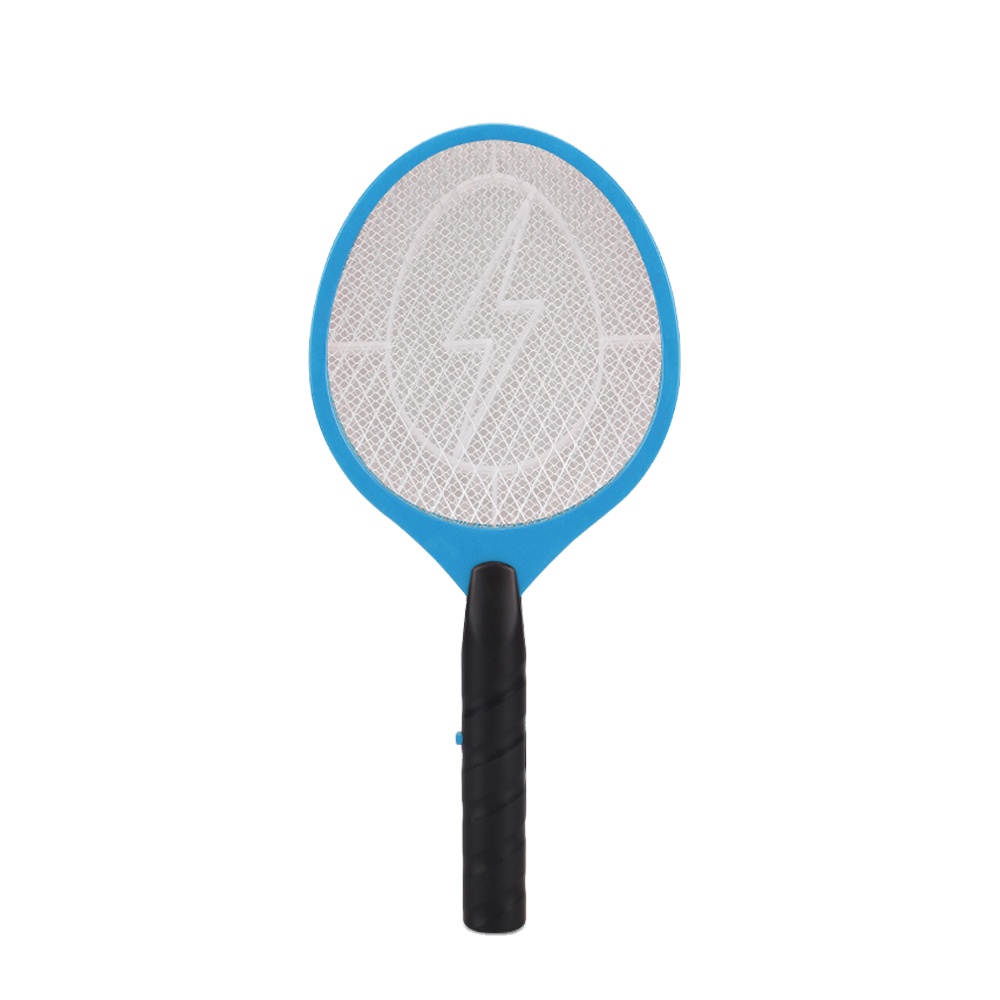
2. High Voltage ≠ Danger: Current Is the "Real Culprit of Harm"
Many people worry that "tens of thousands of volts will electrocute people", but in fact, we've all been "deceived" by "voltage"—the real factor that harms the human body is current, not voltage. According to OHM's Law (Current = Voltage / Resistance), the magnitude of current is related not only to voltage but also to the resistance in the circuit.
The grid design of electric mosquito swatters hides a "safety trick": the gap between the grids is very small (usually only 1-2 millimeters), and a "three-layer grid" structure is adopted (the middle layer is connected to high voltage, and the two side layers are connected to low voltage). Only when a conductor (such as a mosquito) touches both the high-voltage and low-voltage grids at the same time can a circuit be formed.
The human body has very high resistance (over 10,000 ohms when the skin is dry). Even if you accidentally touch the grid, due to the small gap between the grids, it's difficult for the human body to touch both the high-voltage and low-voltage terminals simultaneously to form a complete circuit. Moreover, the power source of an electric mosquito swatter is two dry batteries (with a total voltage of 3-6V). While the voltage boosting circuit increases the voltage, it also strictly limits the current (usually only a few milliamps).
This is similar to the "static electricity" when you take off a sweater in winter: the static voltage can reach tens of thousands of volts, causing a slight tingling sensation, but since the current is extremely small (at the microampere level), it won't harm you at all. The high voltage of electric mosquito swatters works on the same principle: it may seem "scary", but in reality, the current is so weak that it can only cause a slight numbness in your fingers, without causing any substantial harm.

3. Are Batteries "Holding It Back"? High Voltage Is a Must to "Compensate for Energy"
There's another practical reason: the power source of an electric mosquito swatter is ordinary dry batteries (or rechargeable batteries), with a voltage of only 3V or 6V. Such low voltage can barely light a small lamp, let alone kill mosquitoes.
To make the "low-voltage power source" work, an electric mosquito swatter contains a "voltage boosting circuit": it converts low-voltage direct current into alternating current through an oscillation circuit, then uses a transformer to increase the voltage to 2,000-5,000V (varies slightly by model). Only when this voltage level is reached can a strong enough electric field be formed between the grids to ensure that mosquitoes are "killed with one hit". If high voltage isn't designed, no matter how large the battery capacity is, the swatter will only become a "mosquito massager" and won't have any mosquito-eliminating effect.
Conclusion: High Voltage Is an "Art of Balance"
In fact, the high-voltage design of electric mosquito swatters is the optimal balance that engineers have found between "mosquito-eliminating efficiency" and "safety in use"—high voltage ensures efficient mosquito elimination, while small current and the special grid structure guarantee safety. Next time you use an electric mosquito swatter and hear the "crackling" sound, you'll know that this is the high voltage "working efficiently"!
How to choose an electric mosquito swatter suitable for home use
What You Must Know About Safe Distance and Duration
Related Article

If you’re struggling with annoying mosquitoes, flies, and other flying pests indoors and outdoors, upgrading from traditional manual tools to anElectric Mosquito Swatter is the most efficient solution. Many homeowners and renters search where to buy fly swatter online to find durable, safe, and high-performance electric models that deliver instant pest control.
Where to Buy Fly Swatter
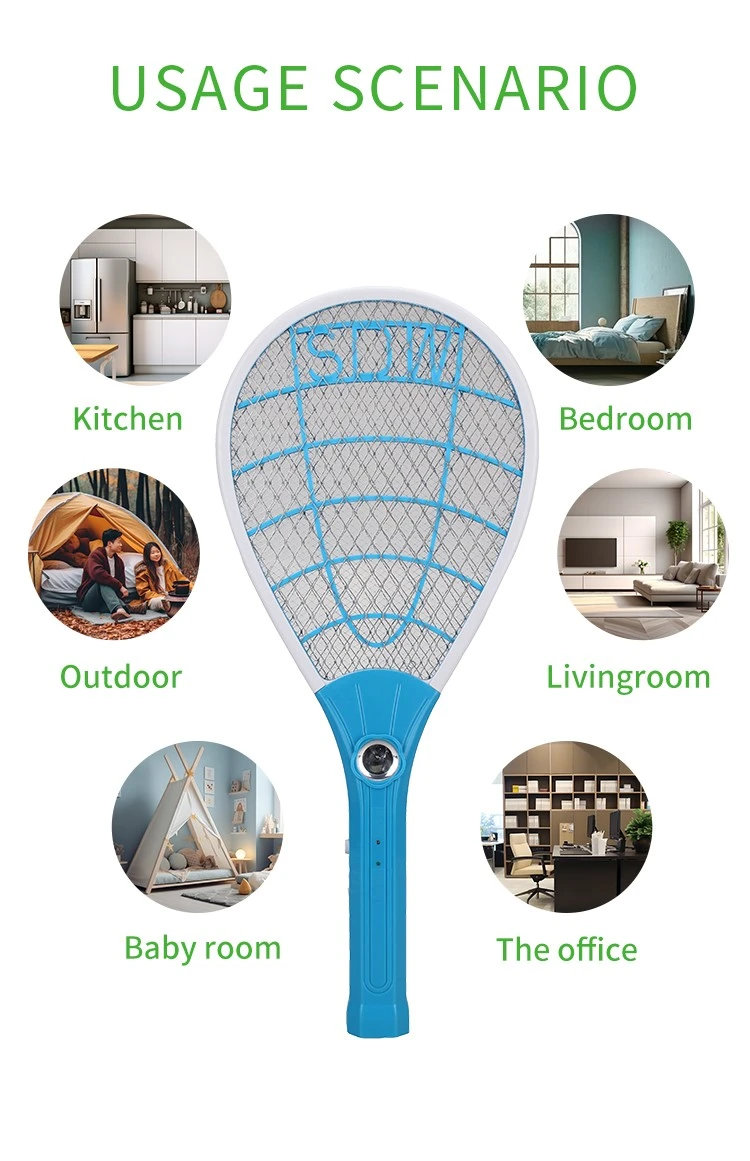
Most importers of electric mosquito swatters obsess over the first order: samples requested, factories vetted, a pre-shipment inspection booked. Then the reorder arrives eight months later and something is off. The grid feels softer. The charge port is a slightly different shade of black. The carton thickness dropped from 350 gsm to 300 gsm. Nothing is catastrophic — but the product no longer matches what your retail customers approved, and quietly, your return rate starts climbing.
How to Keep Mosquito Swatter Quality Consistent Across Repeat Orders
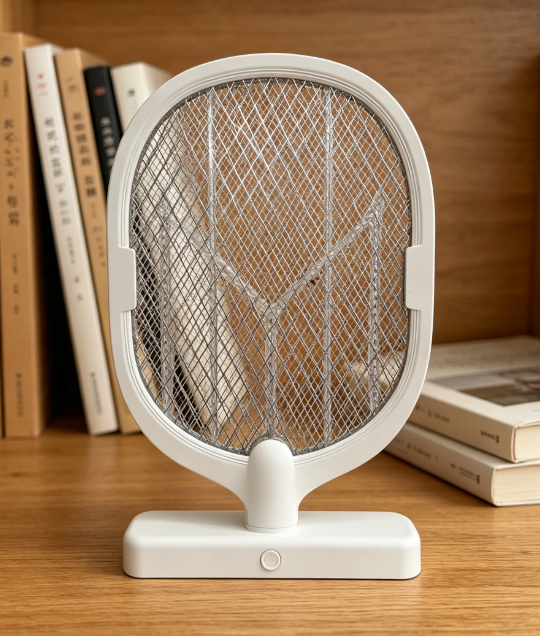
Warranty returns are the silent margin killer in the mosquito control category. A distributor who buys a swatter at $1.80 FOB and retails it at $9.90 can absorb a 1% return rate without noticing — but at 5%, the combined cost of replacement units, reverse logistics, and refund processing erases most of the line's profit.
Common mosquito swatter killer lamp failure modes wholesale spec guide

Digital bathroom scales rank as the second-highest-volume consumer weighing product category, only behind kitchen scales, with distinct market and product characteristics that set them apart from other scale types in importers’ product portfolios.
Digital bathroom body fat-bia-scale wholesale buyers guide