
Why Are There More Mosquitoes in the Countryside Than in the City
2026-01-11
Why Are There More Mosquitoes in the Countryside Than in the City? The Answer Lies in These Details
The nights in the countryside become the "main stage" for mosquitoes — sitting in the yard to cool off, you'll get several bites just after putting down your teacup; taking a walk on the field ridges in the evening, you have to wave a fan to drive away mosquitoes the whole time; even with screen windows open, some mosquitoes can sneak in quietly. In contrast, in the city, even in parks or by the river, mosquitoes are much less noticeable. Why are there always more mosquitoes in the countryside than in the city? It's not that mosquitoes "prefer" the countryside, but that the rural environment provides them with excellent living conditions.
I. Breeding Environment: The Countryside Has the "Natural Breeding Grounds" Mosquitoes Can't Live Without

Mosquito larvae, called wrigglers, can only survive in water. Without water, mosquitoes cannot complete their reproduction. In this regard, the countryside is simply a "custom-made" breeding base. Paddy fields, irrigation ditches in the fields, ponds and swamps at the village entrance, even water tanks with accumulated water in the yard, small puddles in the corners, and stagnant water left on leaves and in pits after rain are all good places for mosquitoes to lay eggs. Most of these water areas are still fresh water, and the water contains abundant microorganisms, which can just provide sufficient food for the wrigglers.
In the city, however, such "natural breeding grounds" are scarce. Although there are also artificial lakes and rivers in parks, most of these water areas are managed by special personnel who regularly clean up sludge, put in chemicals, and some even install aeration equipment. When the water flows, mosquitoes cannot lay eggs steadily in them. As for accumulated water in residential areas, property management will clean it up in a timely manner, and there is rarely long-term accumulated water on balconies and windowsills at home, so the breeding space for mosquitoes is greatly reduced.
II. Ecological Conditions: The "Food Chain" in the Countryside Is More Conducive to Mosquito Survival
Although adult mosquitoes are annoying, they are also a food source for many animals in the natural food chain. However, in the countryside, the "natural enemy pressure" on mosquitoes is much smaller. The number of animals that eat mosquitoes, such as frogs, dragonflies, and bats, in the countryside is actually not large, and their activity ranges are relatively scattered, making it difficult to effectively control the mosquito population. In contrast, the number of birds and dragonflies in urban parks and communities is relatively concentrated. In addition, the urban environment is more open, and natural enemies can prey on mosquitoes more efficiently, indirectly reducing the number of mosquitoes.
In addition, the countryside has richer vegetation, with trees, crops, and weeds everywhere. These plants can not only provide mosquitoes with places to perch and hide, but also keep the air moist, making the living environment for mosquitoes more comfortable. In the city, however, there are mostly high-rise buildings and asphalt roads, with a lot of hardened ground and relatively limited green space. Mosquitoes can hardly find suitable perching places and can only hide in dark and damp corners during the day, making their survival more difficult.
III. Human Activities: The "Defense System" in the City Is More Complete

Human activities are also quietly affecting the distribution of mosquitoes. In the city, almost every household has installed screen windows and screen doors, which is the first line of defense to block mosquitoes from entering the room; when air conditioners are turned on in summer, the indoor temperature is low, and the activity of mosquitoes is greatly reduced, even unable to survive; moreover, public areas in the city, such as communities, shopping malls, and office buildings, regularly carry out mosquito control work, such as spraying insecticides and cleaning up accumulated water, to reduce mosquito breeding from the source.
In contrast, the living environment in the countryside is relatively open. The screen windows of many old houses may not be tight enough, and some people even sleep with windows open directly to cool off in summer; in addition, the public areas in the countryside are large, making it difficult to carry out comprehensive and regular mosquito control work. Naturally, mosquitoes have more opportunities to survive and bite.
In essence, the large number of mosquitoes in the countryside is because the rural natural ecological environment is more primitive and complete, providing excellent conditions for mosquitoes to breed and survive; while the city has destroyed the survival chain of mosquitoes through artificial transformation, so the number of mosquitoes is smaller. However, this is not absolute. If there is long-term accumulated water in a certain corner of the city that is not managed, it may also become a "mosquito-infested area".
When visiting the countryside, remember to take anti-mosquito measures: wear long-sleeved clothes and long pants, spray mosquito repellent, and try to avoid long-term outdoor activities in the evening when mosquitoes are most active. After all, only by avoiding the "attack" of mosquitoes can you enjoy the rural pastoral scenery to the fullest!
How Mosquitoes Survive the Winter
Which Country Has the Strictest Quality Inspection for Electrical Products
Related Article

If you’re struggling with annoying mosquitoes, flies, and other flying pests indoors and outdoors, upgrading from traditional manual tools to anElectric Mosquito Swatter is the most efficient solution. Many homeowners and renters search where to buy fly swatter online to find durable, safe, and high-performance electric models that deliver instant pest control.
Where to Buy Fly Swatter
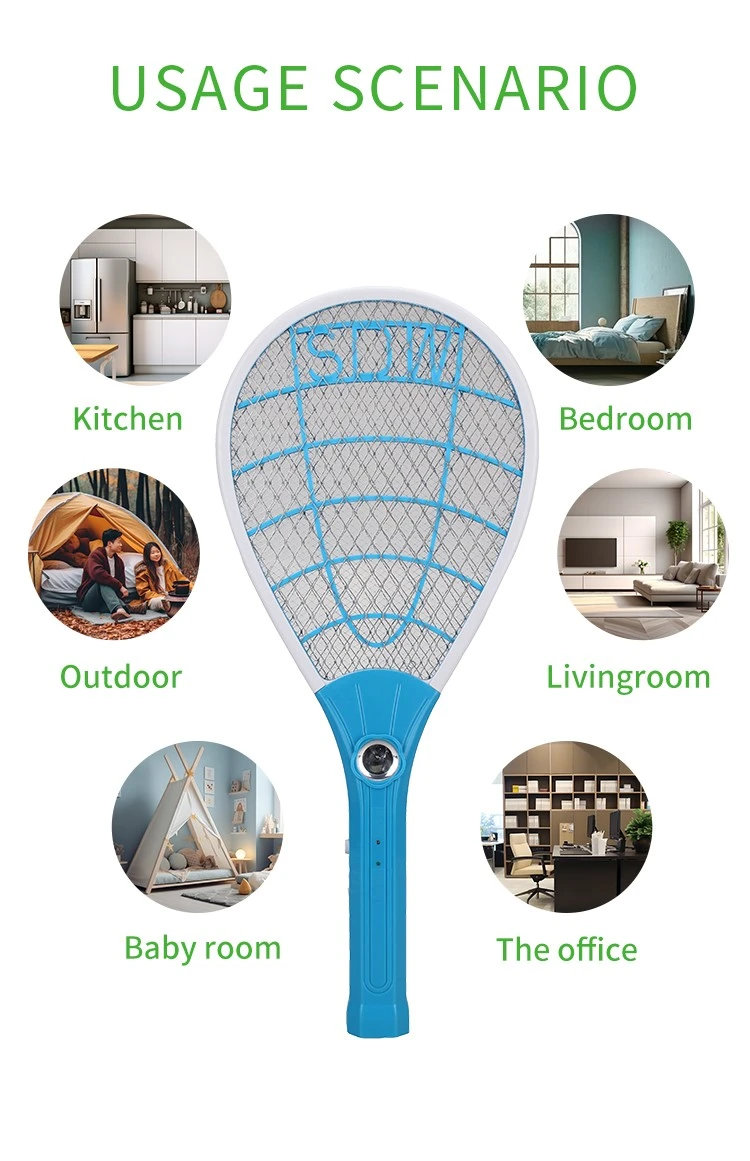
Most importers of electric mosquito swatters obsess over the first order: samples requested, factories vetted, a pre-shipment inspection booked. Then the reorder arrives eight months later and something is off. The grid feels softer. The charge port is a slightly different shade of black. The carton thickness dropped from 350 gsm to 300 gsm. Nothing is catastrophic — but the product no longer matches what your retail customers approved, and quietly, your return rate starts climbing.
How to Keep Mosquito Swatter Quality Consistent Across Repeat Orders
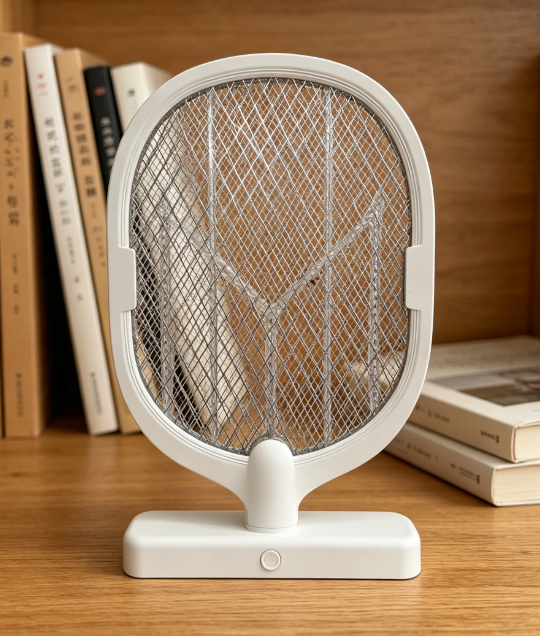
Warranty returns are the silent margin killer in the mosquito control category. A distributor who buys a swatter at $1.80 FOB and retails it at $9.90 can absorb a 1% return rate without noticing — but at 5%, the combined cost of replacement units, reverse logistics, and refund processing erases most of the line's profit.
Common mosquito swatter killer lamp failure modes wholesale spec guide

Digital bathroom scales rank as the second-highest-volume consumer weighing product category, only behind kitchen scales, with distinct market and product characteristics that set them apart from other scale types in importers’ product portfolios.
Digital bathroom body fat-bia-scale wholesale buyers guide