
Why Are There More Mosquitoes on Lower Floors
2025-12-03
Why Are There More Mosquitoes on Lower Floors?
Many people living on lower floors (especially the 1st to 3rd floors) have this annoyance: even though they use the same mosquito coils and window screens as their neighbors on higher floors, their homes are always "overrun with mosquitoes" — there’s a constant "buzzing" in their ears while sleeping at night, and they wake up with several red mosquito bites on their arms in the morning. Why are there always more mosquitoes on lower floors than higher ones? Let’s break down the reasons behind this.

1. Lower Floors Are Mosquitoes’ "Ideal Breeding Grounds"
Mosquitoes rely on water for three stages of their life cycle (eggs, larvae, and pupae) — even a small amount of stagnant water at the bottom of a mineral water bottle is enough to keep mosquito larvae alive. Lower floors, however, are full of such "standing water traps":
Fallen leaf piles in the green belts downstairs collect small puddles after rain; saucers under flower pots on balconies often hold leftover water after watering; even damp cardboard boxes in the corner of stairwells can create a moist environment. In the warm summer weather, these pockets of water can hatch a new batch of mosquitoes in just a few days.
Higher floors, by contrast, are far from ground-level green belts and standing water areas. Additionally, the wind on balconies and windowsills is stronger, making it hard for water to accumulate. Naturally, mosquitoes struggle to find places to lay their eggs there.

2. Lower Floors Have "Cool Shelters" for Mosquitoes
Mosquitoes hate direct sunlight and high temperatures. During the day, they don’t fly around randomly; instead, they hide in cool, damp spots to rest. Lower floors are filled with such "hiding places":
Under the leaves of bushes downstairs, in the gaps of community walls, next to piles of clutter in stairwells, and even in the corners of bathrooms or gaps in kitchen cabinets in residents’ homes — all these are perfect "summer shelters" for mosquitoes. When it cools down in the evening, they fly out from these spots to find food (which is our blood, of course).
Higher floors are a different story. Most areas around them are open sky, with few low-lying plants or shelters. Mosquitoes can barely find a "cool spot to hide," so they can’t stay in large numbers.
3. Mosquitoes "Can’t Fly High" — Lower Floors Are in Their "Comfortable Flying Range"
Many people think mosquitoes can fly up to dozens of floors easily, but in reality, most common mosquitoes (like Culex pipiens pallens, the species that bites humans most often) have very limited flying ability — they can only fly about 10 meters high at most, which is roughly the height of 3 to 4 floors.
In other words, lower floors (1st to 3rd) are right within the range where mosquitoes can fly "without much effort." They don’t need to waste a lot of energy to find humans to bite. For higher floors, which exceed this flying height, mosquitoes can hardly fly up on their own unless they "hitch a ride" via elevators or gaps in stairwells. Even if a few mosquitoes luckily make it to higher floors, they can’t survive for long because they can’t find standing water to breed or cool spots to hide.
4. Lower Floors Have "More Food" — Mosquitoes Don’t Need to "Travel Far"
Mosquitoes don’t just suck blood to "fill their stomachs" — female mosquitoes need blood to get nutrients for laying eggs. Lower floors have far more "food sources" than higher ones:
Besides residents, stray cats and dogs downstairs, and even mice and birds in the green belts, are all "blood targets" for mosquitoes. What’s more, residents on lower floors come and go more frequently, opening doors and windows more often — making it easier for mosquitoes to sneak into homes.
Higher floors have fewer residents and are far from ground-level small animals. Even if mosquitoes fly up there, they might "go hungry," so they won’t stay for long.
How Can Lower-Floor Residents Avoid Mosquito Troubles?
Now that we know the reasons, we can prevent mosquitoes more effectively:
- Regularly clean up standing water in your home and on your balcony — for example, empty flower pot saucers every day and throw away used bottles and cardboard boxes promptly;
- Keep window screens closed during the day, and check for gaps around doors and windows before turning on lights in the evening to stop mosquitoes from sneaking in;
- If there’s a lot of standing water in the green belts downstairs, contact the property management to clean it up — reducing mosquito breeding at the source.
In the end, mosquitoes are drawn to lower floors simply because they "seek benefits and avoid harm" — they go wherever there’s water, shade, and food. Understanding these rules will help you avoid "battling mosquitoes" this summer!
Warehouse Mosquito Control Made Easy
3 Advantages of Foldable Mosquito Swatters
Related Article

If you’re struggling with annoying mosquitoes, flies, and other flying pests indoors and outdoors, upgrading from traditional manual tools to anElectric Mosquito Swatter is the most efficient solution. Many homeowners and renters search where to buy fly swatter online to find durable, safe, and high-performance electric models that deliver instant pest control.
Where to Buy Fly Swatter
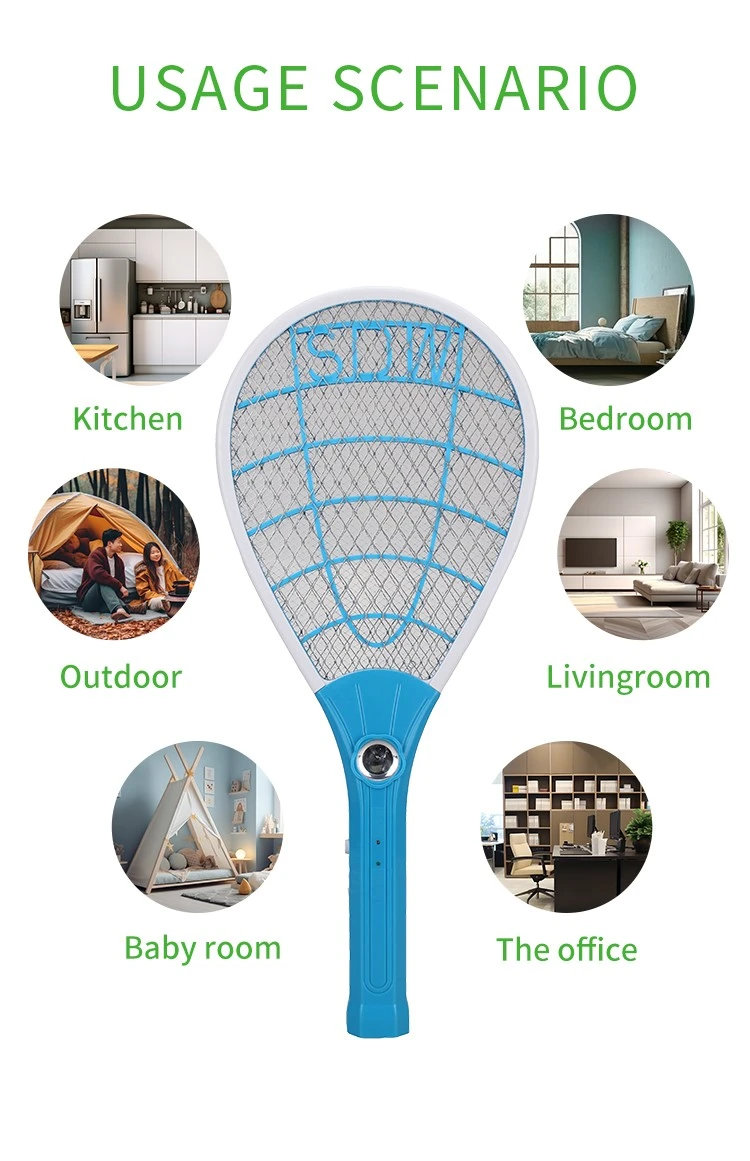
Most importers of electric mosquito swatters obsess over the first order: samples requested, factories vetted, a pre-shipment inspection booked. Then the reorder arrives eight months later and something is off. The grid feels softer. The charge port is a slightly different shade of black. The carton thickness dropped from 350 gsm to 300 gsm. Nothing is catastrophic — but the product no longer matches what your retail customers approved, and quietly, your return rate starts climbing.
How to Keep Mosquito Swatter Quality Consistent Across Repeat Orders
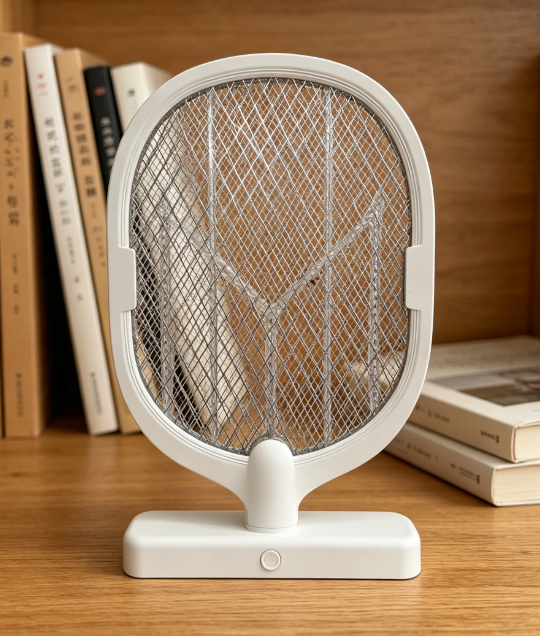
Warranty returns are the silent margin killer in the mosquito control category. A distributor who buys a swatter at $1.80 FOB and retails it at $9.90 can absorb a 1% return rate without noticing — but at 5%, the combined cost of replacement units, reverse logistics, and refund processing erases most of the line's profit.
Common mosquito swatter killer lamp failure modes wholesale spec guide

Digital bathroom scales rank as the second-highest-volume consumer weighing product category, only behind kitchen scales, with distinct market and product characteristics that set them apart from other scale types in importers’ product portfolios.
Digital bathroom body fat-bia-scale wholesale buyers guide