
Why Are There Still So Many Mosquitoes in Fall
2026-10-12
Why Are There Still So Many Mosquitoes in Fall? The Real Reason Fall Mosquitoes Are More Aggressive
Many people wonder why mosquitoes remain abundant and even more aggressive in autumn despite the cooling weather. There is a popular saying that “fall mosquitoes are fiercer than tigers”, which is absolutely true. In fact, fall mosquitoes are far more active and aggressive biters than summer mosquitoes. This article breaks down the core reasons for the fall mosquito boom from temperature conditions, breeding habits, and living environments. It also explains when fall mosquitoes finally disappear and provides practical mosquito prevention tips for home and outdoor use.
1. Why Are There More Mosquitoes in Fall Than in Summer?

1.1 Mild Fall Temperatures Are Perfect for Mosquito Survival
Mosquitoes thrive best and reproduce actively at temperatures between 25°C and 30°C. Within this optimal range, their metabolism, flight, and foraging abilities reach peak efficiency. In summer, frequent heatwaves push temperatures above 35°C. Extreme heat and intense sunlight suppress mosquito activity and can even cause dehydration and death, resulting in fewer mosquitoes during hot summer noons.
In contrast, autumn features mild temperatures, comfortable diurnal temperature differences, and humid air. The climate consistently stays within mosquitoes’ ideal living range. Without extreme heat stress, mosquito activity surges dramatically, which is the fundamental reason why mosquito numbers do not drop but actually rise in fall.
1.2 Pre-Winter Breeding Rush Makes Mosquitoes Feed Fiercely
Autumn marks the last major breeding window for mosquitoes before winter and the key reason for their aggressive biting behavior. Only female mosquitoes bite humans, and their appetite for blood peaks in autumn due to two critical survival tasks.
First, female mosquitoes consume protein from human blood to lay massive batches of eggs, completing their final annual reproduction cycle and hatching large numbers of new fall mosquitoes. Second, they stock up sufficient nutrients and energy to survive winter hibernation. Only with enough stored energy can they hide in sheltered spots to survive cold months and revive to breed again in spring.
Compared with casual summer feeding, fall mosquitoes bite more frequently and aggressively. This explains why fall mosquito bites usually cause larger, redder, and longer-lasting itchy welts.
1.3 Stable Standing Water in Fall Boosts Larva Survival Rates
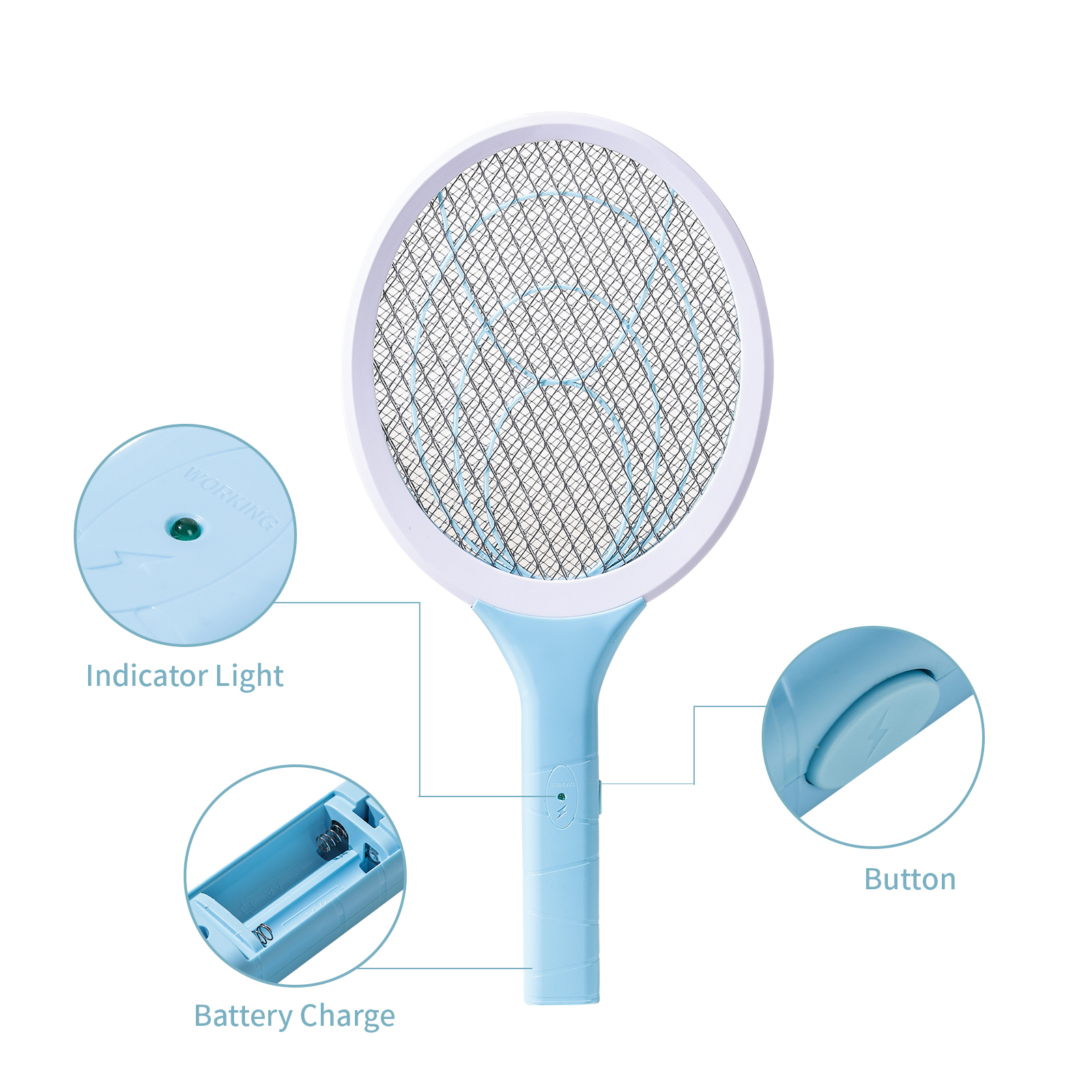
Mosquitoes depend entirely on water to grow. Their larvae (wrigglers) can only hatch and mature in stagnant water. Fall water conditions are far more suitable for mosquito breeding than summer conditions. Summer brings heavy rainstorms with fast-flowing water that washes away mosquito eggs and larvae, greatly reducing survival rates.
Autumn rainfall is gentle and sparse, accompanied by heavy dew. Stagnant water easily accumulates in flower pot trays, balcony sinks, road depressions, and floor drains. Combined with favorable temperatures, these water spots become natural mosquito breeding grounds. New adult mosquitoes can hatch in as little as 3 to 7 days, continuously increasing the local mosquito population.
2. When Do Fall Mosquitoes Disappear Completely?
Mosquitoes are extremely sensitive to cold temperatures, and their activity declines rapidly as the weather cools. When temperatures stay steadily below 15°C, mosquitoes gradually stop biting and laying eggs, and their metabolism slows down significantly.
Once the temperature drops below 10°C, most mosquitoes enter hibernation. They hide in warm, sheltered places such as building corners, wall cracks, deep grass, and basements and stop outdoor biting activities. Mosquito troubles generally fade completely after late autumn frost and continuous temperature drops.
3. Effective Fall Mosquito Prevention Tips (Home & Outdoor)
Based on fall mosquitoes’ high activity and aggressive nature, targeted prevention focusing on source elimination and daily protection works far better than simple repellent use:
Eliminate breeding grounds by removing stagnant water: Standing water is the core cause of mosquito reproduction. Regularly drain water from flower pot trays, buckets, and floor drains. Flip over unused containers to avoid water accumulation and cut off mosquito breeding at the source.
Enhance protection for outdoor activities: Mosquitoes are most active in early mornings and evenings during fall. Wear long sleeves and long pants when going out, and apply reliable mosquito repellent on exposed skin to avoid multiple bites.
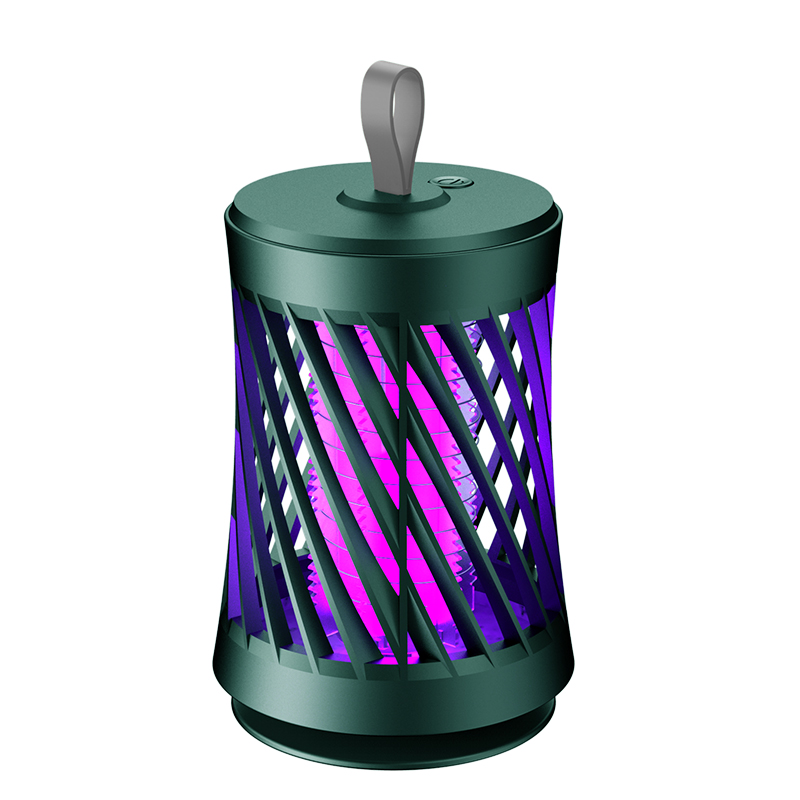
Block mosquitoes indoors: Keep window screens and door screens closed to prevent mosquitoes from entering the house. Use electric mosquito repellents or mosquito traps before sleeping to eliminate indoor mosquitoes and improve sleep quality.
Conclusion
The large quantity and aggressive behavior of fall mosquitoes result from three overlapping factors: ideal temperatures, urgent pre-winter breeding demands, and stable stagnant water environments. Fall mosquitoes are not stronger in vitality; they simply take full advantage of the final warm window before winter to reproduce and store energy. With proper water removal and daily protection, you can effectively avoid fall mosquito disturbances until the cold late autumn weather eliminates them completely.
Effective Mosquito Repellent Tips
How Long Do Mosquito Bites Last
Related Article
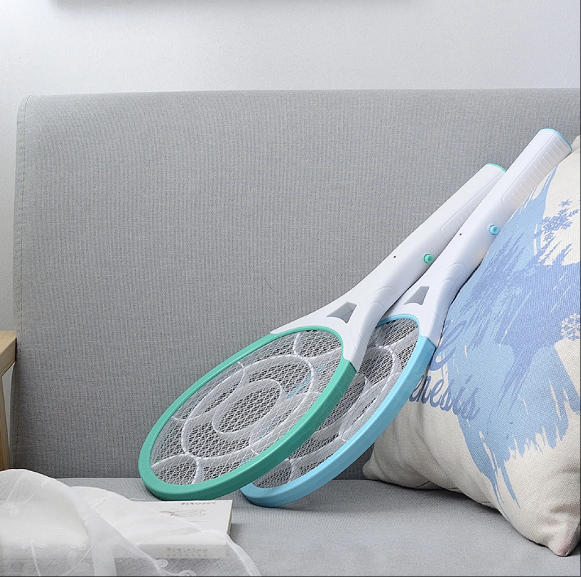
If you’re struggling with annoying mosquitoes, flies, and other flying pests indoors and outdoors, upgrading from traditional manual tools to anElectric Mosquito Swatter is the most efficient solution. Many homeowners and renters search where to buy fly swatter online to find durable, safe, and high-performance electric models that deliver instant pest control.
Where to Buy Fly Swatter
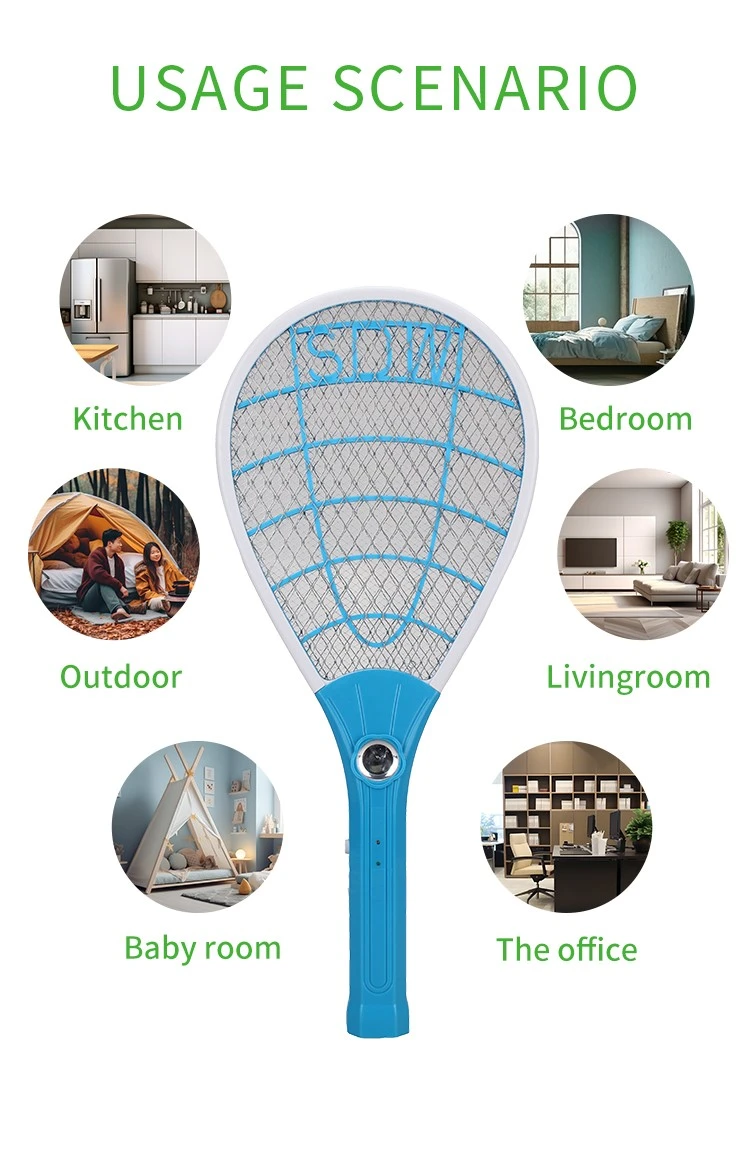
Most importers of electric mosquito swatters obsess over the first order: samples requested, factories vetted, a pre-shipment inspection booked. Then the reorder arrives eight months later and something is off. The grid feels softer. The charge port is a slightly different shade of black. The carton thickness dropped from 350 gsm to 300 gsm. Nothing is catastrophic — but the product no longer matches what your retail customers approved, and quietly, your return rate starts climbing.
How to Keep Mosquito Swatter Quality Consistent Across Repeat Orders
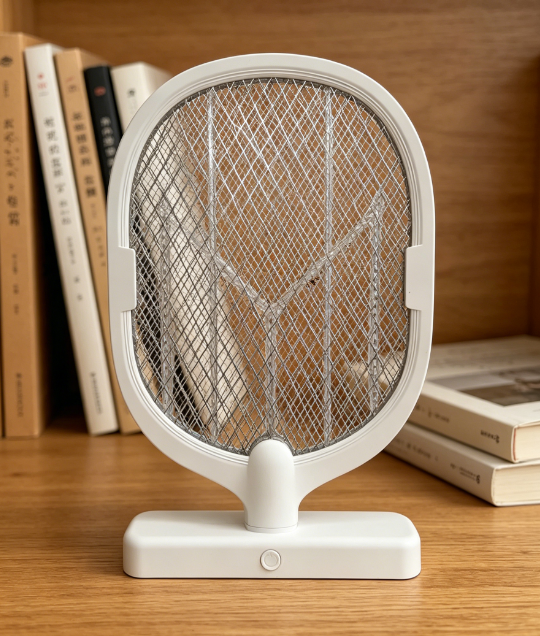
Warranty returns are the silent margin killer in the mosquito control category. A distributor who buys a swatter at $1.80 FOB and retails it at $9.90 can absorb a 1% return rate without noticing — but at 5%, the combined cost of replacement units, reverse logistics, and refund processing erases most of the line's profit.
Common mosquito swatter killer lamp failure modes wholesale spec guide

Digital bathroom scales rank as the second-highest-volume consumer weighing product category, only behind kitchen scales, with distinct market and product characteristics that set them apart from other scale types in importers’ product portfolios.
Digital bathroom body fat-bia-scale wholesale buyers guide