
Why Choose a Mosquito Killer Lamp
2025-08-22
Summer nights are meant for relaxation—whether you’re curled up with a book on the porch, hosting a backyard dinner party, or letting kids play outside after sunset. But mosquitoes have a knack for turning these pleasant moments into frustrating, itchy ordeals. If you’re tired of ineffective swatters, smelly chemical sprays, or short-lived repellents, a mosquito killer lamp emerges as a standout solution. Here’s why it’s the smart choice for keeping mosquitoes at bay.
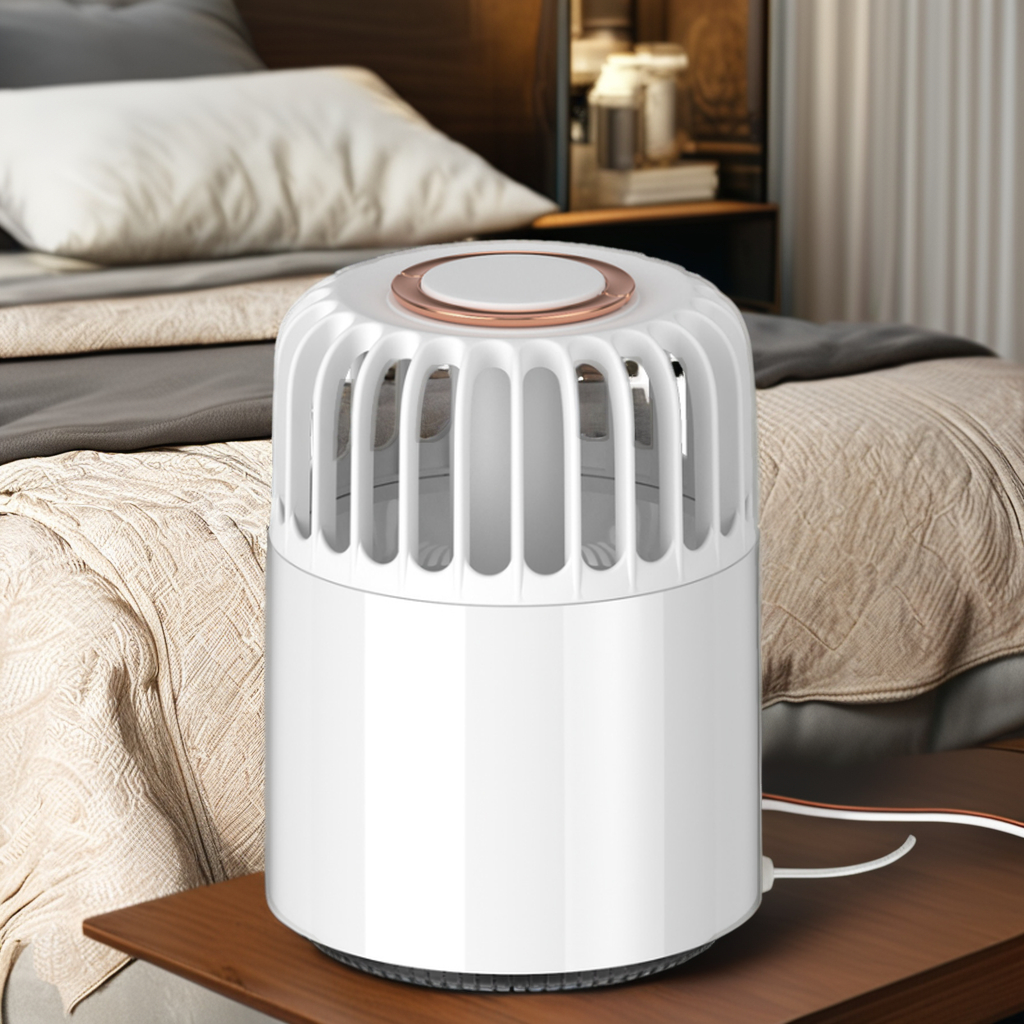
1. Unmatched Safety for Households
Traditional mosquito control methods often hide hidden risks. Chemical sprays, for instance, contain harsh ingredients that can irritate sensitive skin, trigger allergic reactions, or pose dangers to curious pets if licked or inhaled. Mosquito coils, too, release smoke that aggravates asthma and other respiratory issues, especially in enclosed spaces.
Mosquito killer lamps, by contrast, rely on physical pest control technology—typically UV light to attract mosquitoes, paired with either a high-voltage grid or sticky board to trap or eliminate them. UV light, when used as recommended, is completely harmless to humans and pets. There’s no risk of toxic residue on surfaces, accidental ingestion, or skin irritation, making it ideal for homes with young children, furry companions, or anyone with chemical sensitivities.
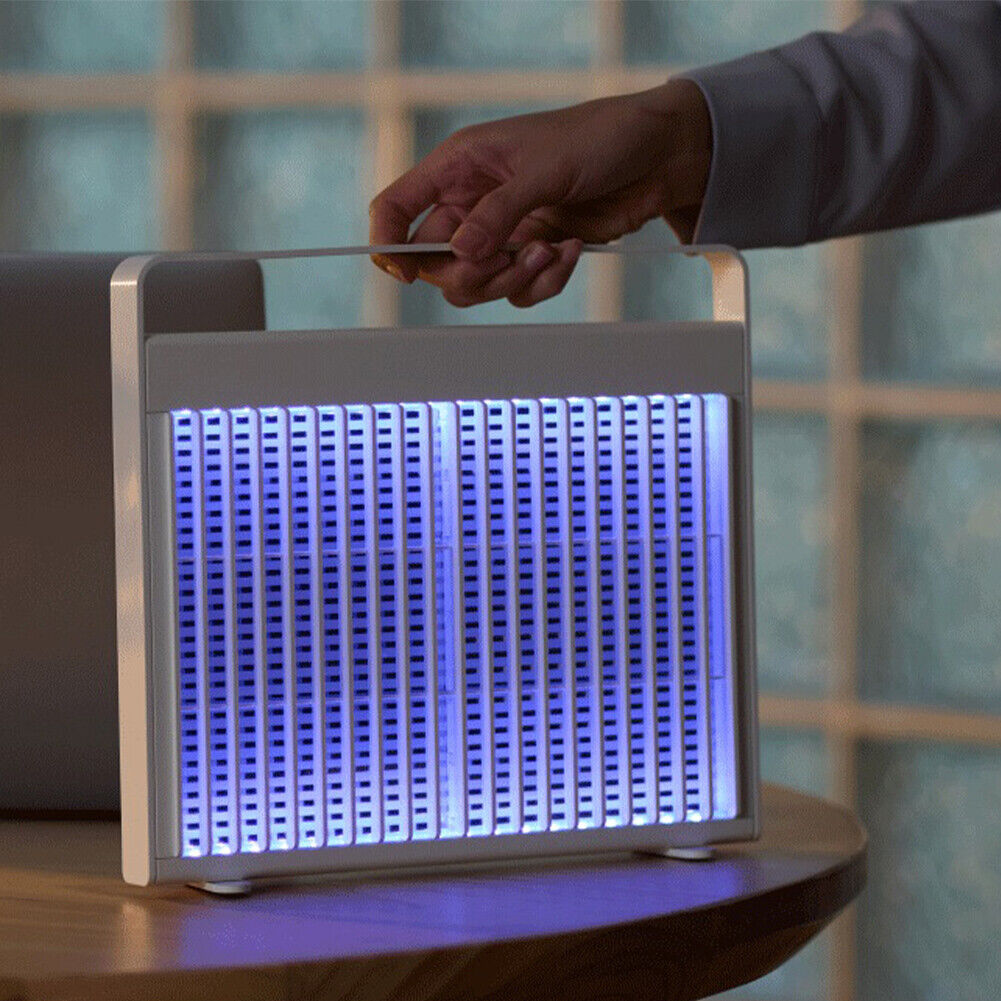
1.1 No Toxic Leftovers
Unlike chemical sprays that leave a sticky or smelly residue on furniture, food, or flooring, mosquito killer lamps leave no traces behind. You can safely place them near dining tables, kids’ play areas, or bedroom windows without worrying about contamination—a key advantage for health-focused households.
2. Reliable Effectiveness That Lasts
Mosquitoes are naturally attracted to light, especially UV light, which mimics the warmth and glow of human bodies. Mosquito killer lamps tap into this instinct, drawing mosquitoes toward the device before trapping or eliminating them.
This approach is far more reliable than manual swatters (which depend on your speed and luck) or repellents (which only keep mosquitoes away temporarily and lose potency over time). Most mosquito killer lamps cover an area of 20–50 square meters and work 24/7—once turned on, they continuously reduce the mosquito population in your space. Many models also target other small pests like flies and moths, adding extra value.
3. Eco-Friendly and Budget-Conscious
Chemical mosquito products don’t just harm humans—they also damage the environment. Toxic ingredients can seep into soil or water sources, harming plants, beneficial insects, and wildlife. Mosquito killer lamps, however, use low-wattage energy (most consume just 5–15 watts) and produce no harmful waste, making them a sustainable choice for eco-conscious users.
They’re also budget-friendly in the long run. A high-quality mosquito killer lamp can last 3–5 years with minimal upkeep. Unlike sprays or coils that need constant replacement, the only occasional cost is swapping out the UV bulb (every 6–12 months), which is significantly cheaper than recurring purchases of chemical products.
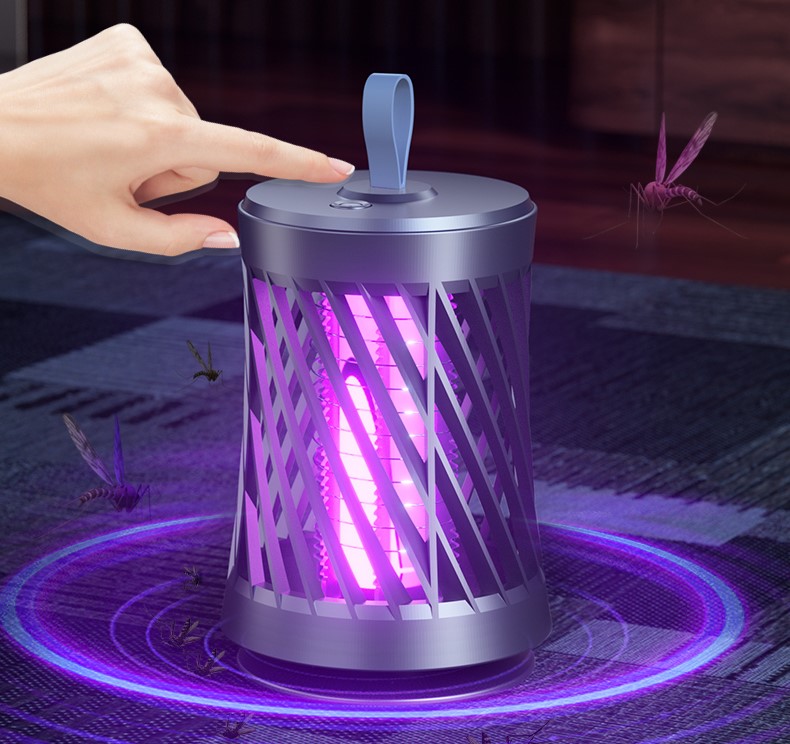
4. Quiet Operation and Easy Maintenance
Nothing disrupts a peaceful evening like the buzz of a mosquito—or the loud hum of some pest control devices. Mosquito killer lamps operate almost silently; their soft UV glow and quiet mechanism let you sleep, read, or chat without distraction.
Maintenance is equally hassle-free. Most models feature a removable tray at the bottom to collect dead mosquitoes—simply empty the tray once a week (or as needed) and wipe it clean. Sticky board models are even simpler: just replace the sticky sheet when it’s full. No complicated disassembly, harsh cleaning products, or time-consuming upkeep required.
Final Takeaway
A mosquito killer lamp isn’t just another pest control tool—it’s a practical, safe, and sustainable way to reclaim your summer nights. It addresses the flaws of traditional methods (toxicity, ineffectiveness, environmental harm) while delivering consistent results. Whether you want to protect your family from mosquito bites, avoid harmful chemicals, or enjoy quiet, uninterrupted time outdoors, a mosquito killer lamp checks every box. Make the switch this season, and say hello to mosquito-free evenings.
Pros and Cons of Buying Electric Mosquito Swatters Online
Mini Electric Mosquito Swatter
Related Article

If you’re struggling with annoying mosquitoes, flies, and other flying pests indoors and outdoors, upgrading from traditional manual tools to anElectric Mosquito Swatter is the most efficient solution. Many homeowners and renters search where to buy fly swatter online to find durable, safe, and high-performance electric models that deliver instant pest control.
Where to Buy Fly Swatter
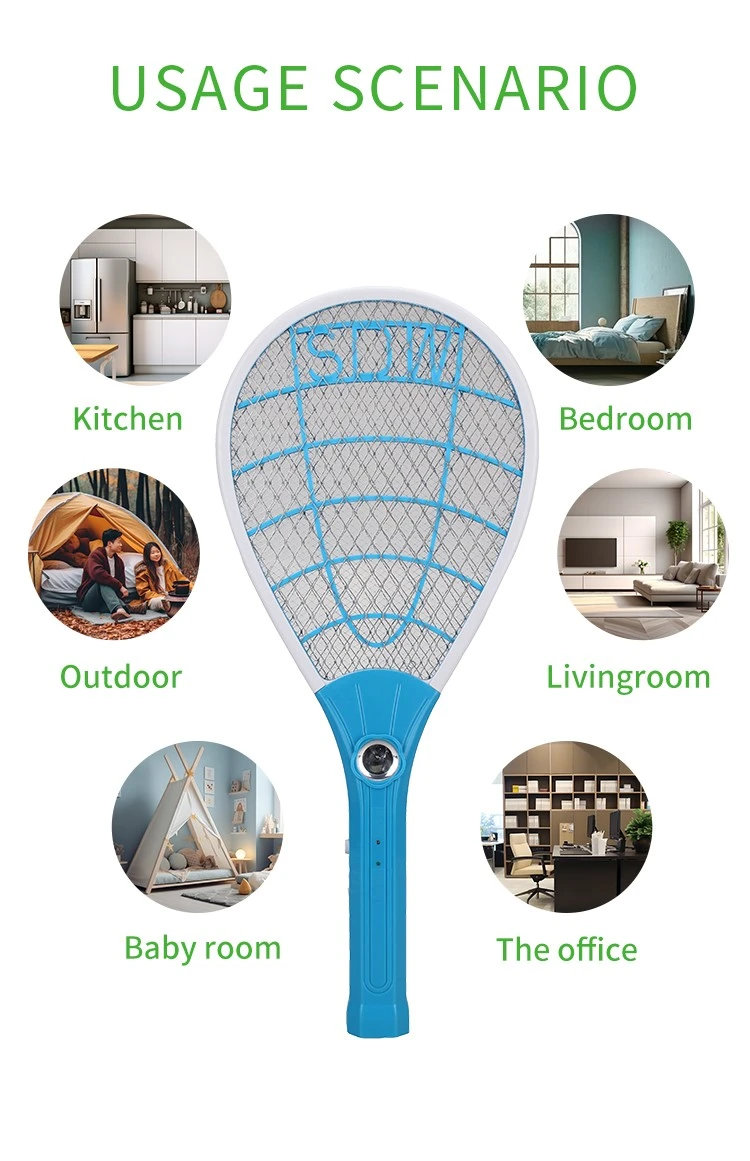
Most importers of electric mosquito swatters obsess over the first order: samples requested, factories vetted, a pre-shipment inspection booked. Then the reorder arrives eight months later and something is off. The grid feels softer. The charge port is a slightly different shade of black. The carton thickness dropped from 350 gsm to 300 gsm. Nothing is catastrophic — but the product no longer matches what your retail customers approved, and quietly, your return rate starts climbing.
How to Keep Mosquito Swatter Quality Consistent Across Repeat Orders
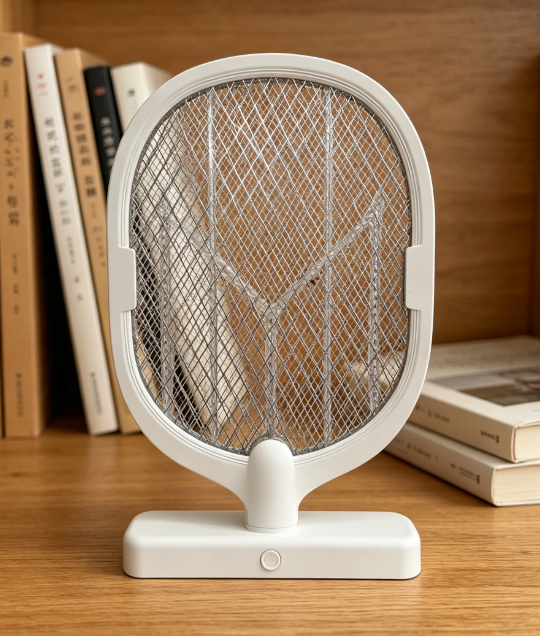
Warranty returns are the silent margin killer in the mosquito control category. A distributor who buys a swatter at $1.80 FOB and retails it at $9.90 can absorb a 1% return rate without noticing — but at 5%, the combined cost of replacement units, reverse logistics, and refund processing erases most of the line's profit.
Common mosquito swatter killer lamp failure modes wholesale spec guide

Digital bathroom scales rank as the second-highest-volume consumer weighing product category, only behind kitchen scales, with distinct market and product characteristics that set them apart from other scale types in importers’ product portfolios.
Digital bathroom body fat-bia-scale wholesale buyers guide