
Why do Brazilians like bright-colored electric mosquito swatters
2025-09-23
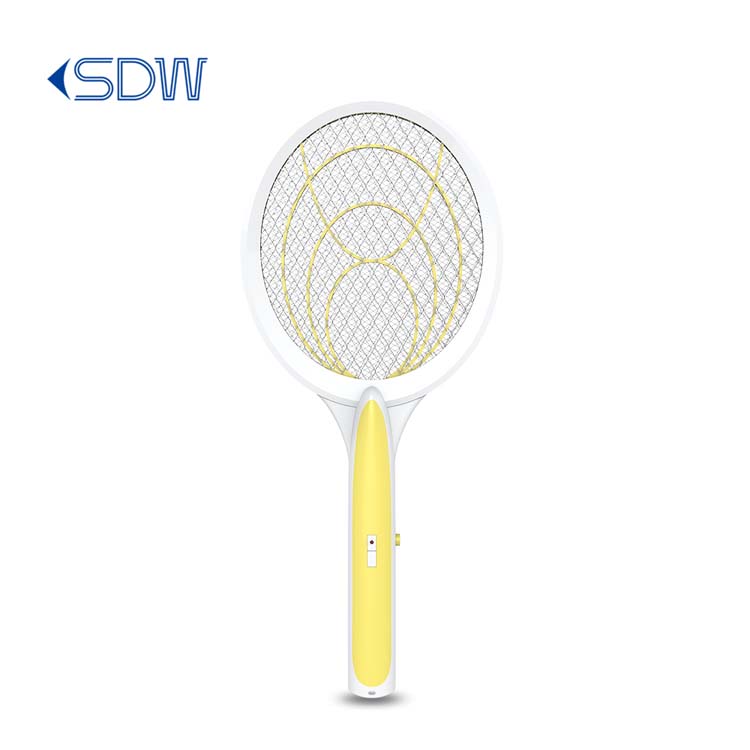
As a business with years of experience exporting electric mosquito swatters, we’ve noticed that Brazilian customers have a particular preference for bright-colored products—especially eye-catching hues like neon yellow. But why is that?
1. Color Gene: An Ingrained Cultural Preference for Bright Tones
Walk through the streets and alleys of Brazil, and you’ll see vivid evidence of the nation’s obsession with bright colors: from the glittering costumes at Rio de Janeiro’s Carnival to the shantytowns painted in sunny yellow and lush green. This preference isn’t random; it’s a choice deeply rooted in Brazil’s cultural DNA. Green symbolizes the vitality and hope of the Amazon Rainforest, while yellow represents the energy and joy of tropical sunshine. These two national flag colors have long been “auspicious shades” in Brazilian aesthetics.
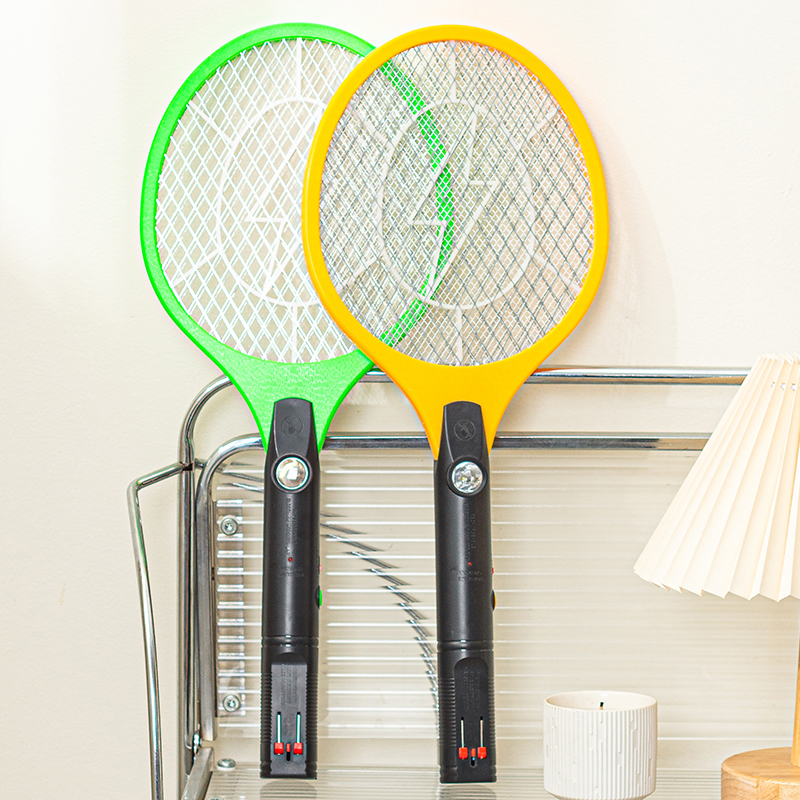
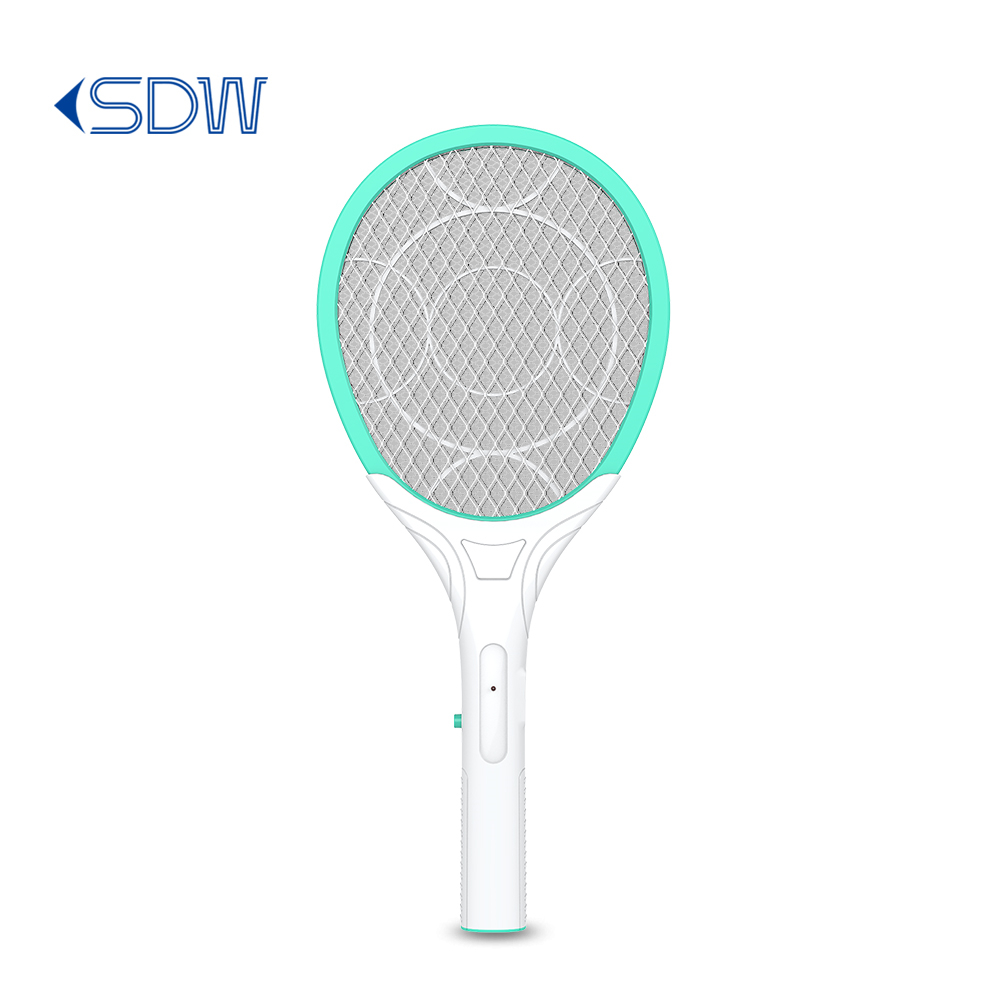
This color preference naturally extends to essential items like electric mosquito swatters. Compared to dull black or gray models, Brazilian consumers are far more likely to choose high-saturation options in bright yellow, emerald green, or sapphire blue. For them, a mosquito swatter isn’t just a pest-control tool—it’s part of their home decor. Bright designs allow this “mosquito-fighting weapon” to blend seamlessly with colorful interior styles, even serving as an unexpected decorative accent.
2. Practical Needs: Functional Adaptation to Tropical Climate
Brazil’s year-round hot and humid tropical climate makes mosquitoes a constant “foe” throughout the seasons. The threat of mosquito-borne diseases like dengue and Zika has even turned electric mosquito swatters into a household necessity. In this context of frequent use, bright-colored swatters offer unique functional advantages.
First, they enhance visual visibility. Many Brazilian homes have open-air balconies and courtyards; when enjoying cool evenings outdoors, bright-colored swatters are easier to spot in low light, preventing loss after being set down casually. Second, they improve safety. For families with children or pets, vibrant colors act as a clear warning, reducing the risk of accidental contact with the swatter’s electric grid. Most cleverly, some brands leverage mosquitoes’ phototaxis by integrating mosquito-luring purple LED lights into the bright-colored swatting surface—combining design appeal with enhanced mosquito-killing efficiency.
This “beauty meets functionality” quality perfectly aligns with Brazilian consumers’ demand for products that excel in both form and use. As data from local e-commerce platforms shows, during the 2024 dengue outbreak, sales of 2-in-1 bright-colored mosquito swatters (usable both handheld and wall-mounted) surged by 120% year-on-year—far outperforming traditional single-tone models.
3. Market Logic: Product Evolution Driven by Consumer Trends
The dominance of bright-colored swatters in Brazil’s market is also a result of brands accurately capturing consumer trends. As one of Latin America’s fastest-growing e-commerce markets, Brazil has seen a steady rise in consumers’ “aesthetic sensitivity”: 75% of respondents report prioritizing visually appealing daily necessities. To compete, brands have doubled down on color innovation: some use national flag color combinations to spark patriotic resonance; others release Carnival-themed limited editions, incorporating sequins into handle designs to match the festive atmosphere.
This design strategy has even expanded into niche scenarios. For outdoor camping and backyard gatherings, brands offer foldable, portable swatters in bright orange or pink—becoming “mosquito-fighting companions” for sports enthusiasts. For families with infants, softer shades of bright yellow and light green are paired with cartoon patterns, balancing safety and charm. The popularity of these specialized products has further solidified bright colors’ leading role in the mosquito swatter market.
Notably, Chinese manufacturers have played a key role in this trend. As major suppliers of Brazil’s mosquito swatters, Chinese companies have tailored products to local needs, making “bright design + safety protection” a core selling point. For example, they use ABS eco-friendly bright plastic casings, which are both impact-resistant and anti-aging—perfectly suited to Brazil’s humid, hot climate. This localization effort has turned bright-colored electric mosquito swatters into a hit export for “Made in China,” serving as a classic example of cross-cultural demand adaptation.
Conclusion: The Life Attitude Behind Bright Colors
From cultural aesthetics to practical needs and market choices, the popularity of bright-colored mosquito swatters in Brazil is essentially a reflection of the nation’s life philosophy: even when “battling” mosquitoes, Brazilians refuse to sacrifice their love for life and pursuit of beauty. When a bright yellow swatting surface swings toward a mosquito, the crisp “crackle” isn’t just a sound of health protection—it’s a vivid expression of how Brazilians use color to combat dullness and embrace life with vitality.
Talk about Solar Flashlight
Does a Mosquito Trap Work on Cockroaches
Related Article

If you’re struggling with annoying mosquitoes, flies, and other flying pests indoors and outdoors, upgrading from traditional manual tools to anElectric Mosquito Swatter is the most efficient solution. Many homeowners and renters search where to buy fly swatter online to find durable, safe, and high-performance electric models that deliver instant pest control.
Where to Buy Fly Swatter
Most importers of electric mosquito swatters obsess over the first order: samples requested, factories vetted, a pre-shipment inspection booked. Then the reorder arrives eight months later and something is off. The grid feels softer. The charge port is a slightly different shade of black. The carton thickness dropped from 350 gsm to 300 gsm. Nothing is catastrophic — but the product no longer matches what your retail customers approved, and quietly, your return rate starts climbing.
How to Keep Mosquito Swatter Quality Consistent Across Repeat Orders
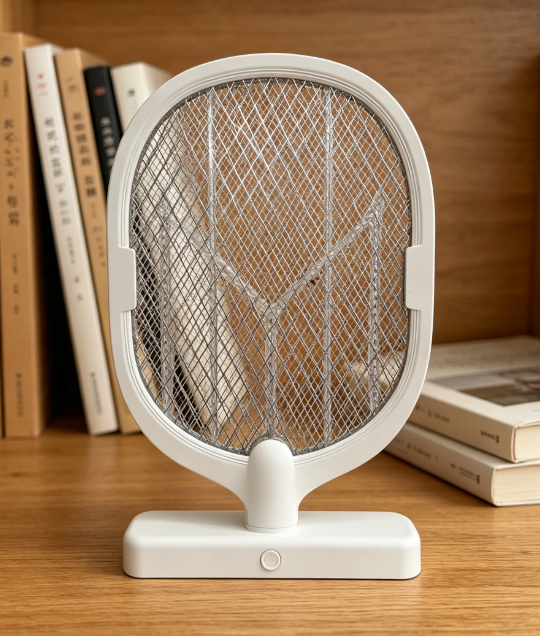
Warranty returns are the silent margin killer in the mosquito control category. A distributor who buys a swatter at $1.80 FOB and retails it at $9.90 can absorb a 1% return rate without noticing — but at 5%, the combined cost of replacement units, reverse logistics, and refund processing erases most of the line's profit.
Common mosquito swatter killer lamp failure modes wholesale spec guide

Digital bathroom scales rank as the second-highest-volume consumer weighing product category, only behind kitchen scales, with distinct market and product characteristics that set them apart from other scale types in importers’ product portfolios.
Digital bathroom body fat-bia-scale wholesale buyers guide