
Why do flies ignore my fly zapper
2025-07-09
Why do flies ignore my fly zapper
If you’ve ever watched in frustration as flies buzz around your home, seemingly mocking your fly zapper (or "electric insect killer"), you’re not alone. These pesky insects often ignore the device designed to eliminate them, leaving you wondering: what’s going on? The answer lies in how flies perceive the world, combined with the limitations of traditional zappers—unlike electric mosquito swatters, which rely on direct human aim, zappers depend on luring insects into their trap, and flies are surprisingly good at avoiding it.
I. Flies’ sensory preferences: Why zappers fail to attract them
1. Flies are not drawn to ultraviolet light
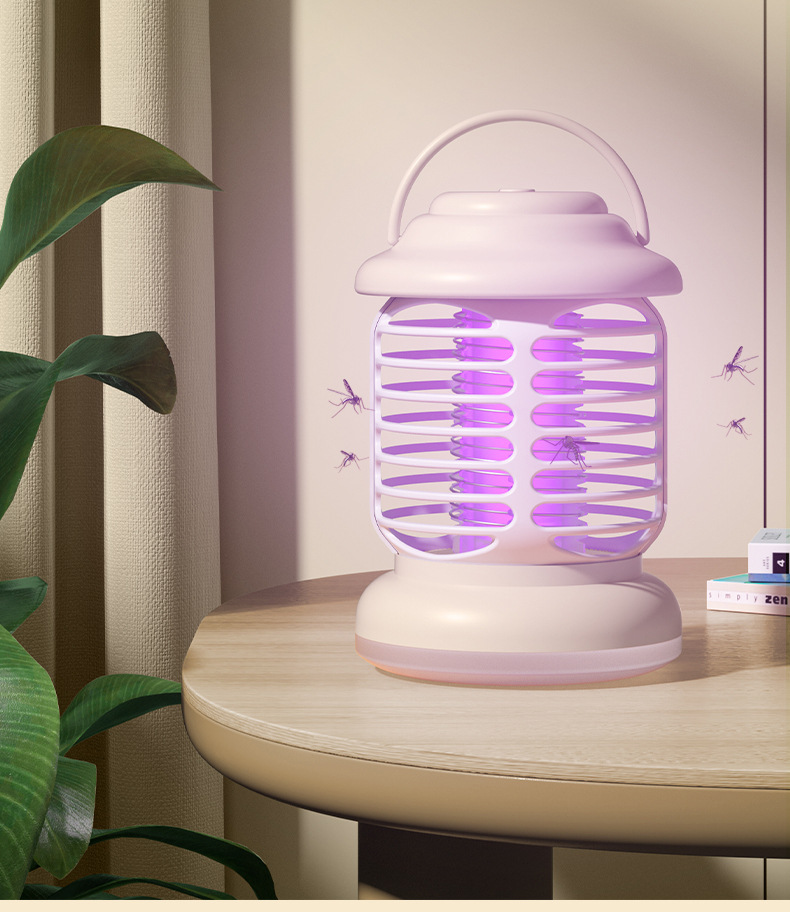
Most fly zappers (and many electric mosquito killers) use ultraviolet (UV) light to attract insects, assuming it’s a universal magnet for bugs. But flies have different sensory priorities—they’re far more interested in food sources, decaying matter, and warm, moist environments than UV light. Studies show that while UV light works on moths and some beetles, flies barely register it. This is why your zapper might catch a few random bugs but leave the flies untouched.
2. Chemical cues trump visual lures
Flies navigate the world using chemoreceptors—tiny sensors that detect odors from food, garbage, or animal waste. A rotting banana on your counter releases volatile chemicals that act like a neon sign for flies, overwhelming any weak visual signal from a zapper. In contrast, electric mosquito swatters skip the "luring" step entirely—you spot the fly, aim, and swat, making them far more effective for immediate fly control.
II. Environmental factors that reduce zapper effectiveness
1. Competing attractants in your space
Your home is full of better "bait" than a zapper. Crumbs on the floor, an uncovered trash can, or even a damp dishcloth emit stronger signals to flies than UV light. A zapper placed near these sources might get ignored because the flies are too busy feasting on the real thing. To test this, try cleaning up food residues—you might notice the zapper catching more flies (though still not many) once their favorite snacks are gone.
2. Placement and visibility issues
Flies prefer to stay close to their food and breeding sites, so a zapper tucked in a corner far from the kitchen is unlikely to get their attention. Additionally, flies avoid open, exposed areas where they feel vulnerable. A zapper out in the middle of a room might look like a trap (and to flies, it essentially is), so they’ll steer clear of it altogether.
III. Better alternatives: Beyond the traditional zapper
1. Electric fly swatters: Precision over persuasion
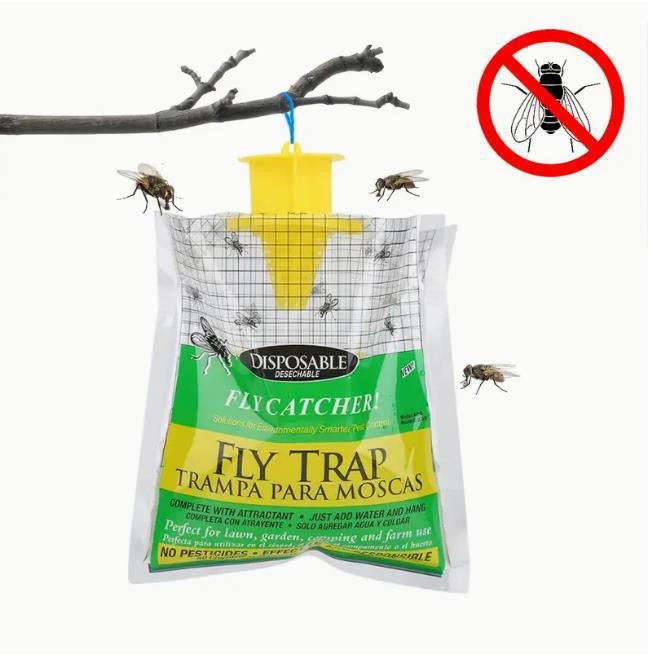
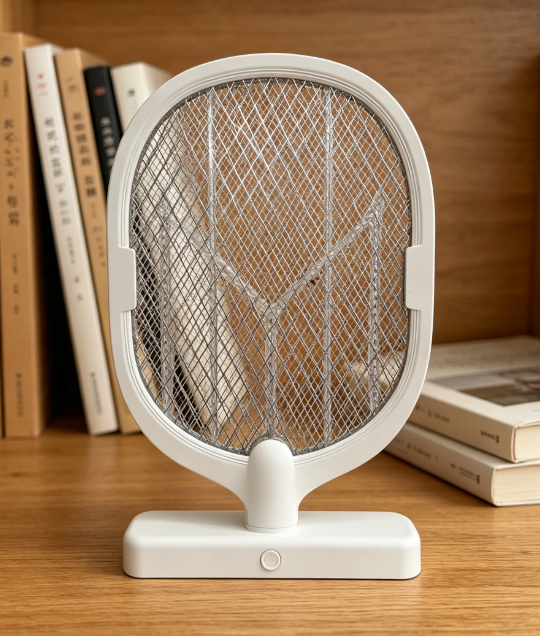
Electric fly swatters (similar to their mosquito-targeting counterparts) solve the "attraction" problem by putting you in control. Since flies are fast and erratic, the swatter’s flexibility lets you chase them down—no need to rely on lures. Their quick, high-voltage zap works just as well on flies as on mosquitoes, making them a go-to tool for homeowners tired of zapper failures.
2. Baited traps: Matching flies’ chemical cravings
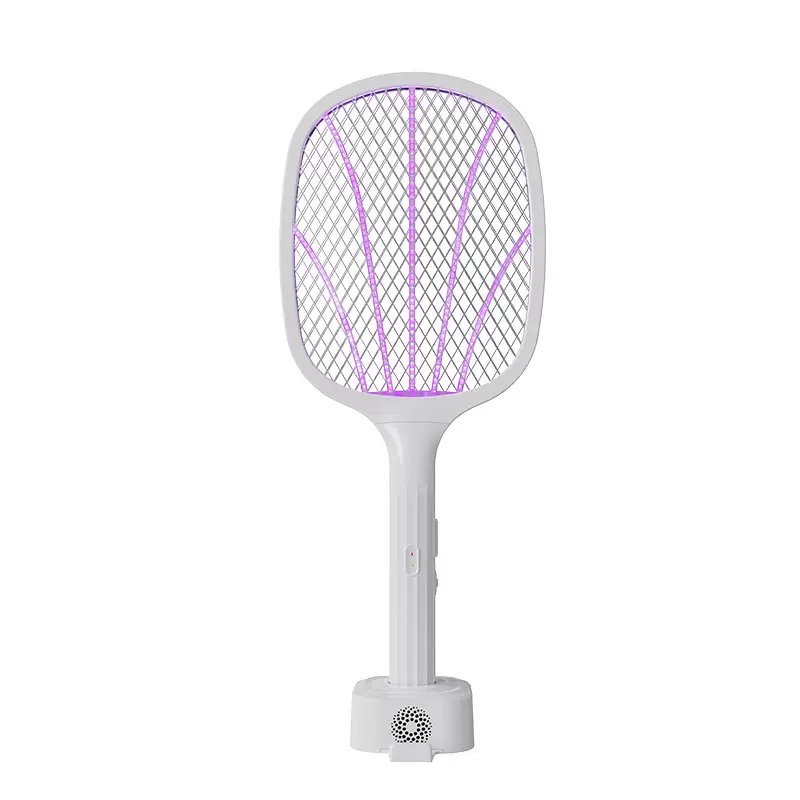
For longer-term control, baited fly traps use sweet or fermented scents (mimicking food sources) to lure flies in, then trap or poison them. These target flies’ love of chemical cues, unlike zappers’ generic UV light. When used alongside electric swatters for instant kills, they create a more effective fly-control strategy than a standalone zapper ever could.
IV. When to use a zapper (and when to ditch it)
Fly zappers aren’t completely useless—they work best in large, open spaces like barns or garages, where competing food sources are limited. But in homes, kitchens, or restaurants, they’re often outmatched by flies’ sensory smarts. Instead, pair baited traps with electric fly swatters: the traps reduce overall fly populations, while the swatters handle the stragglers that land on your dinner plate.
In the end, flies ignore zappers because these devices don’t speak their "language"—they rely on outdated lures that flies don’t care about. By switching to tools that align with how flies behave, you’ll finally turn the tables on these unwelcome guests.
What happen if you get hit with an electric fly swatter
Why are bug zappers illegal
Related Article

If you’re struggling with annoying mosquitoes, flies, and other flying pests indoors and outdoors, upgrading from traditional manual tools to anElectric Mosquito Swatter is the most efficient solution. Many homeowners and renters search where to buy fly swatter online to find durable, safe, and high-performance electric models that deliver instant pest control.
Where to Buy Fly Swatter
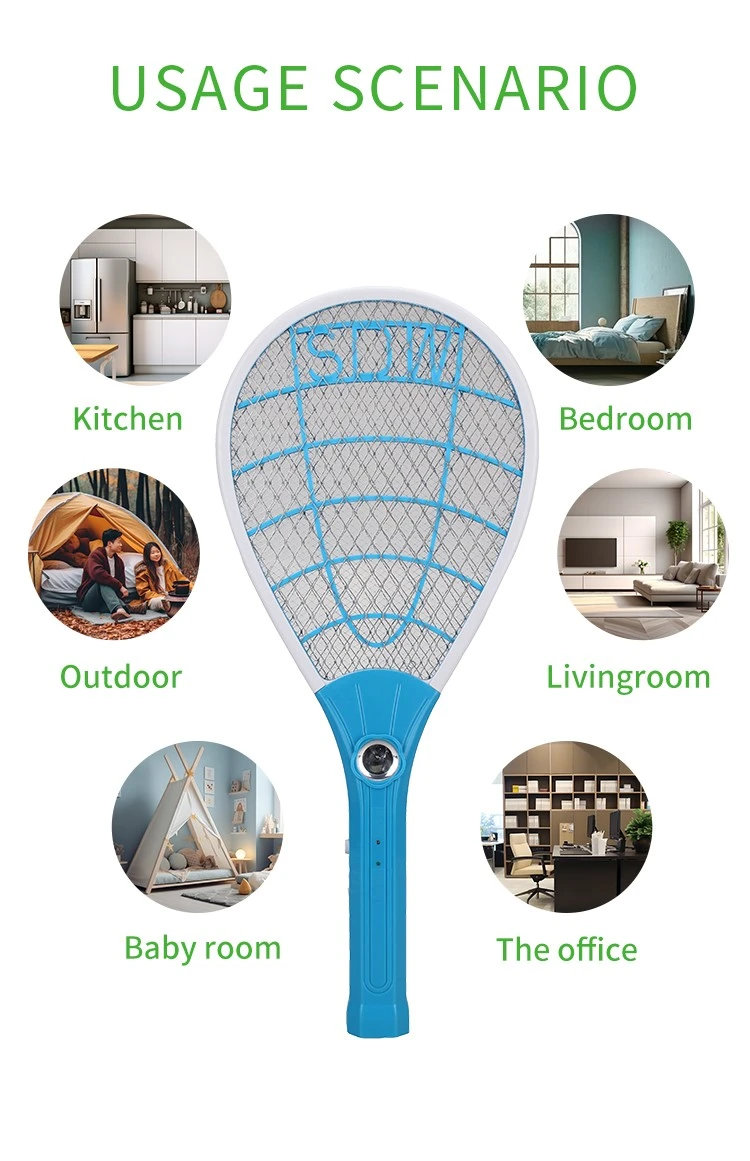
Most importers of electric mosquito swatters obsess over the first order: samples requested, factories vetted, a pre-shipment inspection booked. Then the reorder arrives eight months later and something is off. The grid feels softer. The charge port is a slightly different shade of black. The carton thickness dropped from 350 gsm to 300 gsm. Nothing is catastrophic — but the product no longer matches what your retail customers approved, and quietly, your return rate starts climbing.
How to Keep Mosquito Swatter Quality Consistent Across Repeat Orders
Warranty returns are the silent margin killer in the mosquito control category. A distributor who buys a swatter at $1.80 FOB and retails it at $9.90 can absorb a 1% return rate without noticing — but at 5%, the combined cost of replacement units, reverse logistics, and refund processing erases most of the line's profit.
Common mosquito swatter killer lamp failure modes wholesale spec guide

Digital bathroom scales rank as the second-highest-volume consumer weighing product category, only behind kitchen scales, with distinct market and product characteristics that set them apart from other scale types in importers’ product portfolios.
Digital bathroom body fat-bia-scale wholesale buyers guide