
Why do flies not react to fly swatters
2025-05-23
Why do flies not react to fly swatters
The Miracle of Fly Vision
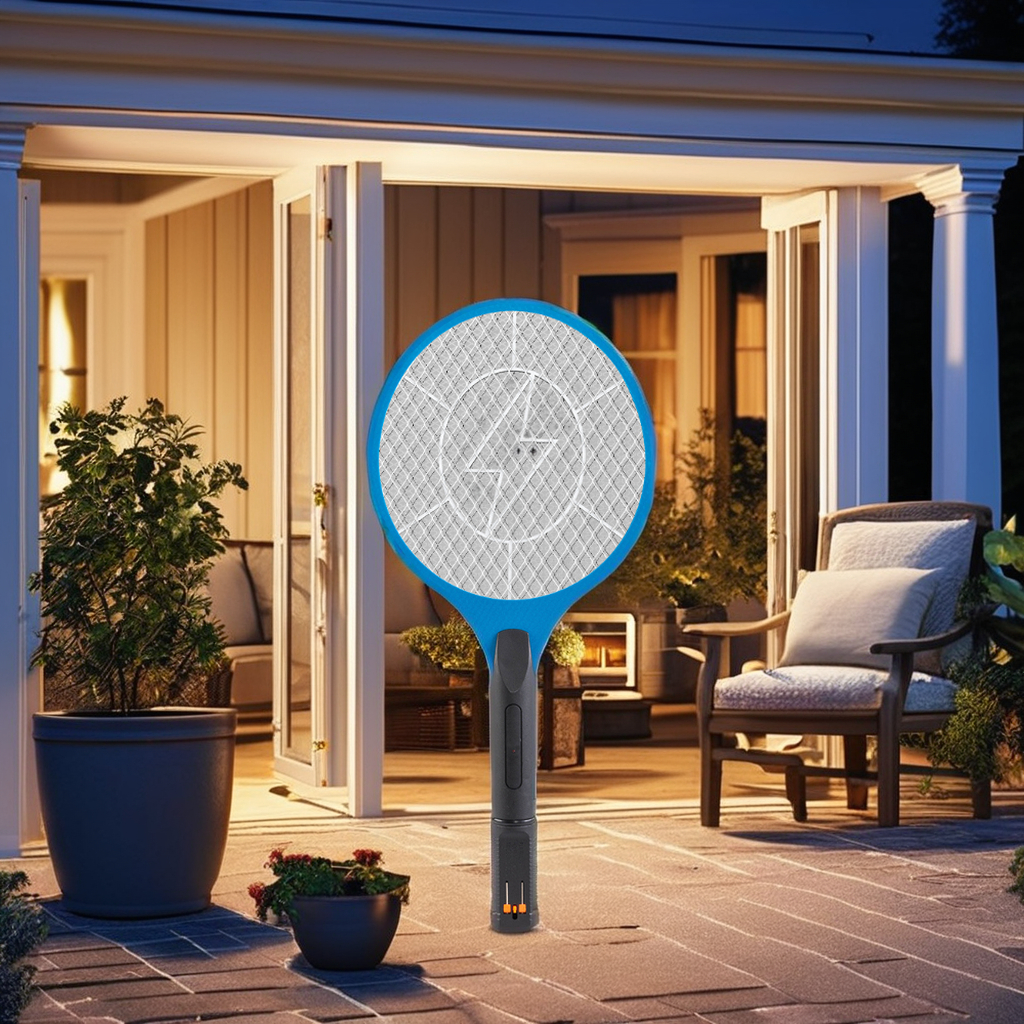
Flies have an extraordinary visual system that plays a crucial role in their ability to evade fly swatters. Their compound eyes, composed of thousands of individual lenses called ommatidia, provide them with a wide field of view and an astonishing ability to detect movement. Each ommatidium captures a small portion of the visual scene, and the fly's brain combines these inputs to form a mosaic-like image. This unique structure allows flies to perceive even the slightest movements in their surroundings, giving them a significant advantage when it comes to avoiding danger.
The Power of Fly Antennae

In addition to their remarkable vision, flies also rely on their antennae to sense their environment. These sensitive appendages are equipped with specialized sensory organs that can detect a variety of stimuli, including air currents, vibrations, and chemical signals. When a fly swatter is swung through the air, it creates a disturbance in the air currents that can be detected by the fly's antennae. This early warning system gives the fly precious milliseconds to react and take evasive action.
The Agility of Fly Wings
Flies are incredibly agile flyers, capable of rapid and precise movements. Their wings are designed to generate lift and thrust with minimal effort, allowing them to maneuver quickly and change direction in an instant. When a fly senses danger, it can use its wings to perform complex aerial maneuvers, such as sudden turns, loops, and dives, to avoid being hit by a fly swatter. This combination of speed, agility, and maneuverability makes it extremely difficult for humans to swat a fly.
The Speed of Fly Brain
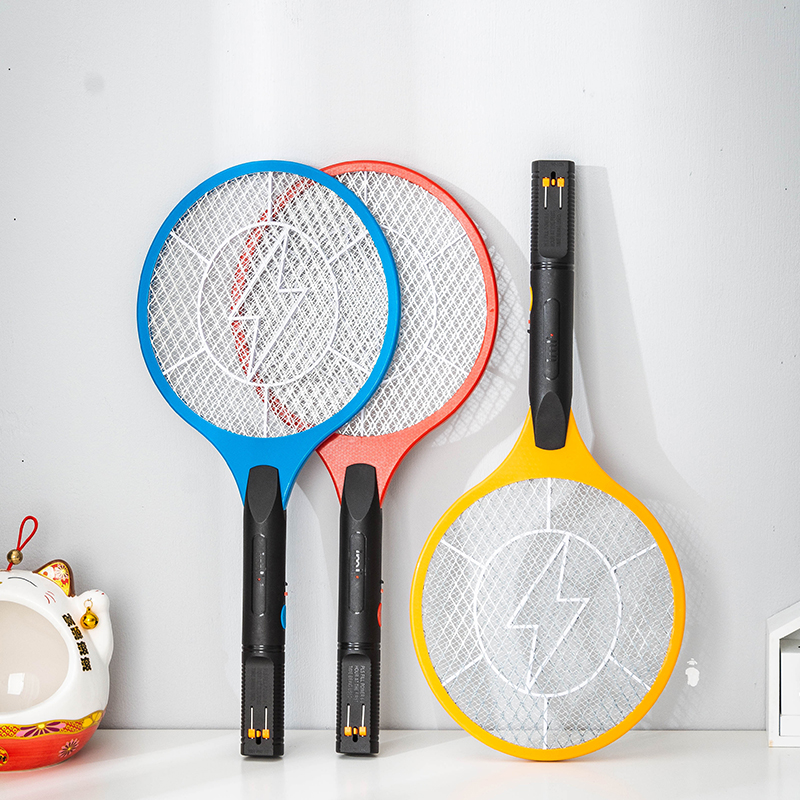
Finally, flies have a highly developed nervous system that enables them to process information and react quickly. Their brains are capable of analyzing visual and sensory inputs in a fraction of a second, allowing them to make split-second decisions and take appropriate action. When a fly sees a fly swatter approaching, its brain immediately sends signals to its muscles, triggering a rapid response that allows it to escape before it's too late.
In conclusion, the reason why flies do not react to fly swatters is due to a combination of their exceptional vision, sensitive antennae, agile wings, and fast-acting brains. These adaptations have evolved over millions of years to help flies survive in a dangerous world, and they make them one of the most challenging insects to catch. So the next time you find yourself chasing a fly around the house, remember that you're up against a formidable opponent!
How to Attract Mosquitoes to a bug zapper
Can flies survive electric fly swatter
Related Article

If you’re struggling with annoying mosquitoes, flies, and other flying pests indoors and outdoors, upgrading from traditional manual tools to anElectric Mosquito Swatter is the most efficient solution. Many homeowners and renters search where to buy fly swatter online to find durable, safe, and high-performance electric models that deliver instant pest control.
Where to Buy Fly Swatter
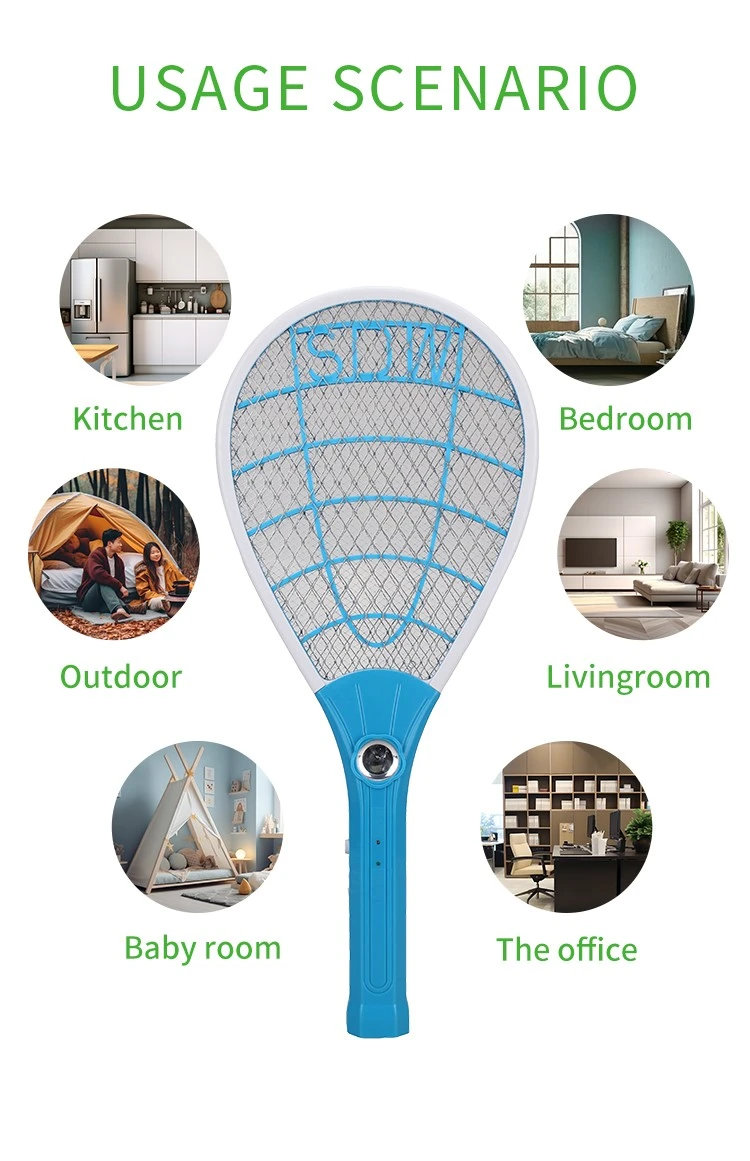
Most importers of electric mosquito swatters obsess over the first order: samples requested, factories vetted, a pre-shipment inspection booked. Then the reorder arrives eight months later and something is off. The grid feels softer. The charge port is a slightly different shade of black. The carton thickness dropped from 350 gsm to 300 gsm. Nothing is catastrophic — but the product no longer matches what your retail customers approved, and quietly, your return rate starts climbing.
How to Keep Mosquito Swatter Quality Consistent Across Repeat Orders

Warranty returns are the silent margin killer in the mosquito control category. A distributor who buys a swatter at $1.80 FOB and retails it at $9.90 can absorb a 1% return rate without noticing — but at 5%, the combined cost of replacement units, reverse logistics, and refund processing erases most of the line's profit.
Common mosquito swatter killer lamp failure modes wholesale spec guide

Digital bathroom scales rank as the second-highest-volume consumer weighing product category, only behind kitchen scales, with distinct market and product characteristics that set them apart from other scale types in importers’ product portfolios.
Digital bathroom body fat-bia-scale wholesale buyers guide