
Why Do More and More Customers Prefer White Mosquito Swatters
2025-09-26
Why Do More and More Customers Prefer White Mosquito Swatters? These Key Reasons Explain It
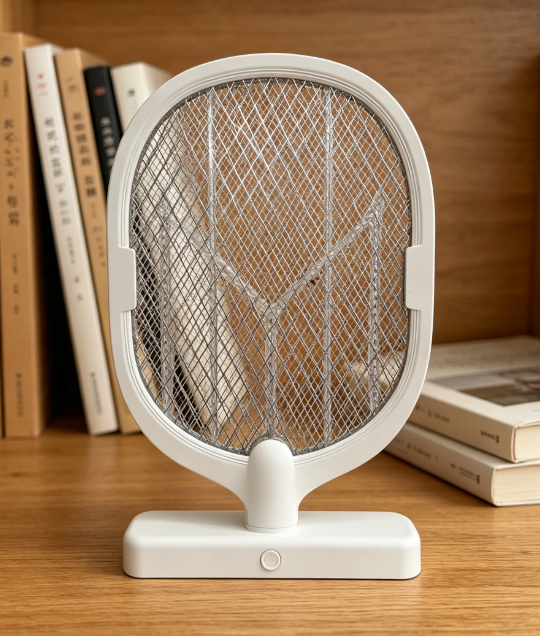
Have you noticed an interesting phenomenon when choosing a mosquito swatter: white mosquito swatters on the shelf always sell faster, and many customers even take the initiative to ask, "Do you have a white one?" Since they only differ in color, why do white mosquito swatters win more preference? Today, we'll break down the logic behind this, which may help you find ideas for your next product selection.
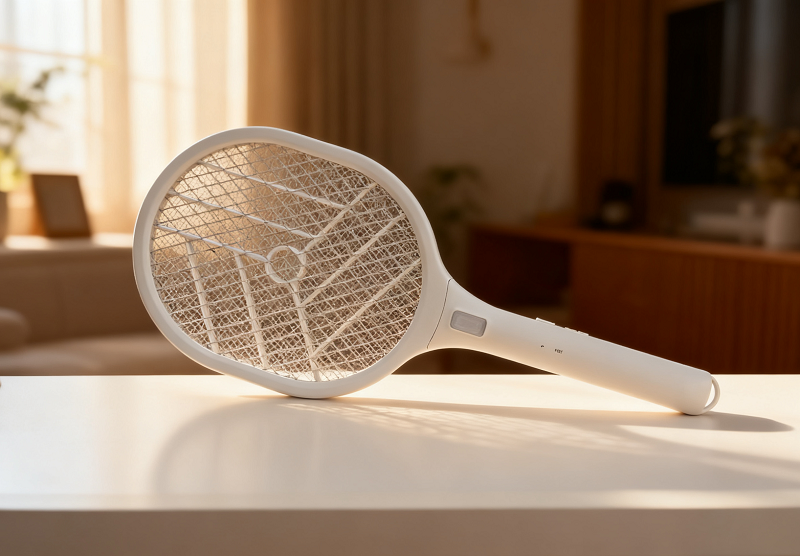
1. White is More "Versatile" and Fits All Home Styles
The "aesthetic compatibility" of home items has long become an important criterion for modern people when choosing products. After all, no one wants a mosquito swatter with an obtrusive color to ruin the carefully arranged home atmosphere. As a basic color with "no gender or style restrictions," white can integrate into almost all decoration scenarios: whether it's the light wood furniture of Nordic style, the milky white walls of ins style, or the dark cabinets of Chinese style, a white mosquito swatter won't look "eye-catching" when placed in a corner or hung on the wall. Instead, it acts like an "invisible practical tool."
In contrast, colored mosquito swatters (such as bright yellow or bright red ones) may have a strong visual impact, but they easily "clash" with home styles. For example, when placed in a minimalist-style living room, a bright-colored mosquito swatter will instantly become the visual focus and break the harmony of the space. However, a white one can quietly "blend in," meeting the need for mosquito control without damaging the overall aesthetics. This is the core reason why many customers who pay attention to life details choose white.
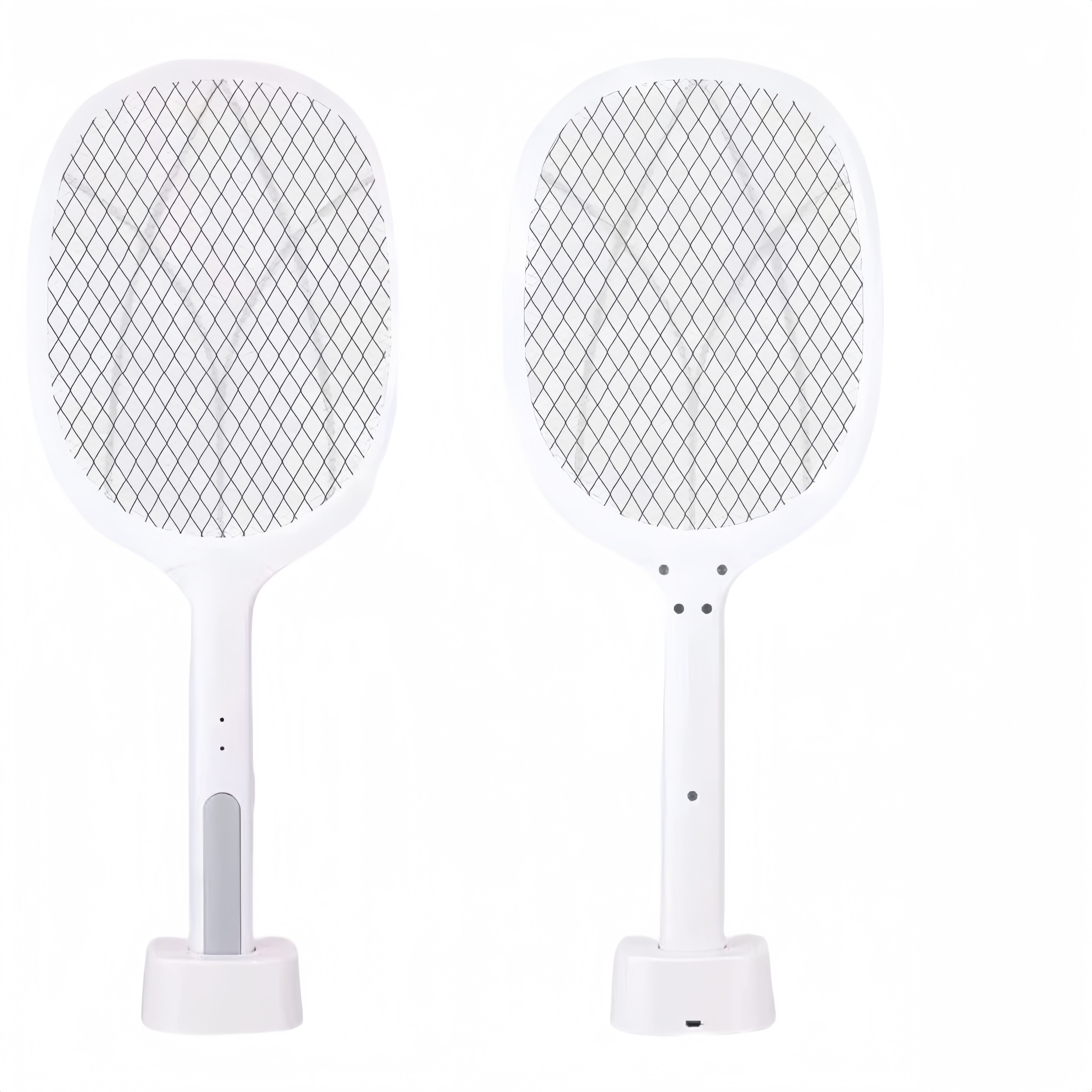
2. White Conveys a "Clean Vibe," Aligning with Psychological Expectations for Health
The core function of a mosquito swatter is "mosquito elimination," and behind this function lies people's demand for "health and hygiene." In public perception, white is inherently associated with "cleanliness and sterility" (such as white lab coats in hospitals and white ceramic tiles at home). This psychological association makes customers subconsciously think: "A white mosquito swatter looks more hygienic, and I feel more at ease using it to kill mosquitoes."
This psychological feeling is even stronger for families with children and the elderly. Many parents say when choosing a mosquito swatter: "White seems less likely to collect dust, so it's more reassuring to use." Even though mosquito swatters of different colors have exactly the same material and cleaning difficulty, the "clean filter" that white inherently has still makes it better psychologically.
3. White Enhances Texture, Adding "Exquisiteness" Even at a Budget Price
Most mosquito swatters on the market are priced between 20 and 100 yuan, belonging to the category of "affordable and practical" home appliances. But even for budget products, people still hope they have "texture," and white happens to be a "small trick" to enhance texture.
Dark-colored mosquito swatters tend to expose material flaws: such as the texture of the plastic shell, uneven paint, and even small scratches that are particularly noticeable. However, white mosquito swatters are more tolerant of materials. The smooth white surface can weaken detailed defects and even make ordinary plastic materials look more "exquisite." Many customers have feedback: "For a mosquito swatter that costs 100 yuan, the white one feels more high-end in the hand, and it doesn't look like a 'cheap tool' at home."
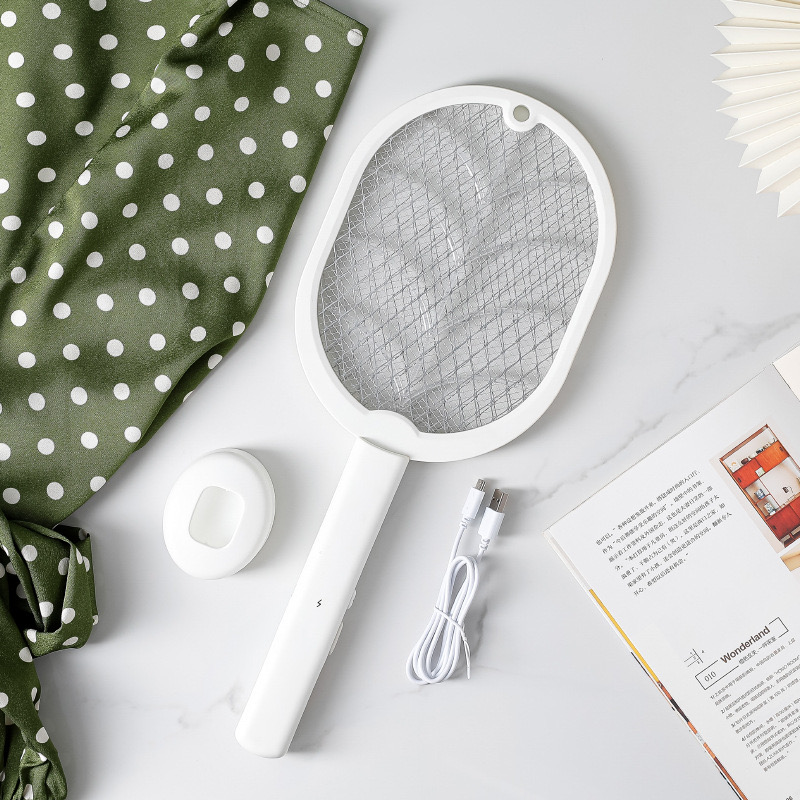
4. White Appears More "Safe," Reducing the Sense of Intimidation from an "Electrified Tool"
Essentially, a mosquito swatter is an "electrified tool." Although current products are equipped with safety protection designs, some people still have slight psychological concerns about "electrified items." The softness of white, however, can just ease this "sense of intimidation."
Compared with black or dark gray mosquito swatters, white looks more "gentle" and doesn't evoke associations of "sharpness or danger." Especially for the elderly and children, white mosquito swatters are less likely to trigger resistance; instead, they make people feel "this is a safe household tool." This subconscious "sense of security" is also an important reason why many families choose white. After all, no one wants the "mosquito-fighting helper" at home to become an "electrified item" that causes psychological burden.
Conclusion: Behind the Color, a Pursuit of "Life Details"
In fact, customers' preference for white mosquito swatters is not simply a matter of "color preference." It is a comprehensive pursuit of "home compatibility," "psychological security," and "life texture." From "not damaging the home style" to "looking clean and reassuring," and then to "having a sense of texture in the hand," white mosquito swatters just hit multiple demand points that people have for "good products."
Next time you choose a mosquito swatter, you might as well try the white one. You may find that a small choice of color can make the daily time of mosquito control more comfortable and exquisite.
Why Mosquito Lamps Outshine Mosquito Swatters
Foldable Electric Mosquito Swatters
Related Article

If you’re struggling with annoying mosquitoes, flies, and other flying pests indoors and outdoors, upgrading from traditional manual tools to anElectric Mosquito Swatter is the most efficient solution. Many homeowners and renters search where to buy fly swatter online to find durable, safe, and high-performance electric models that deliver instant pest control.
Where to Buy Fly Swatter
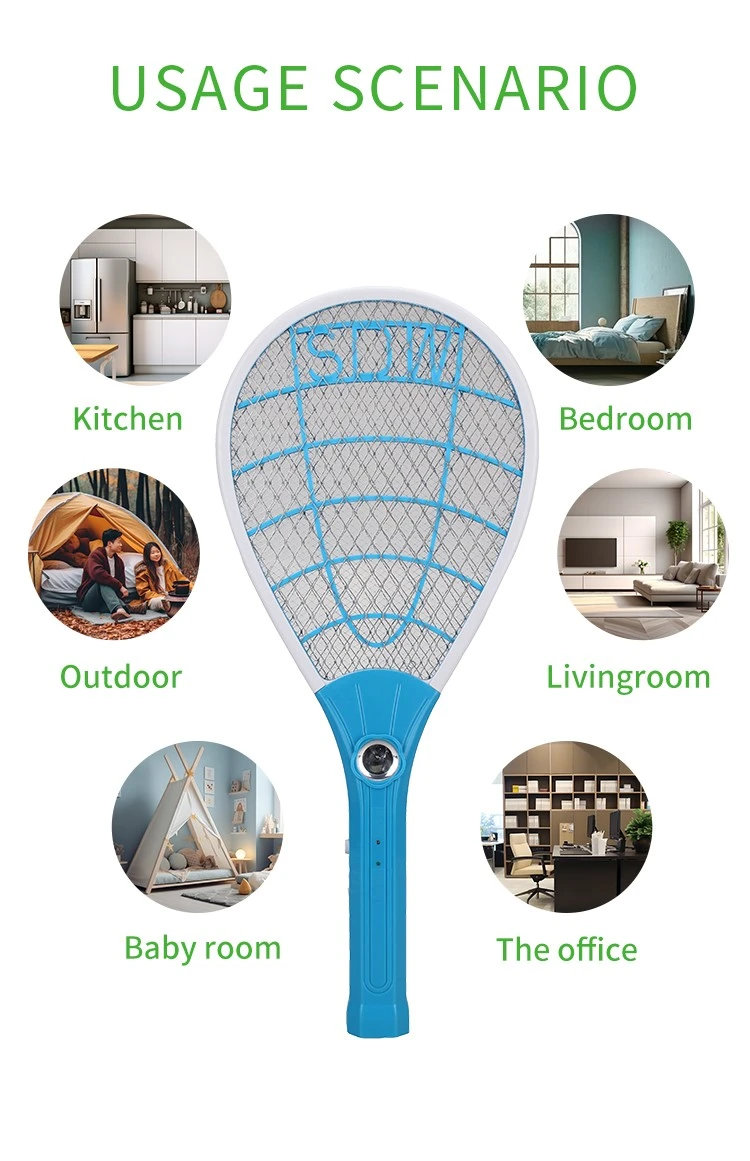
Most importers of electric mosquito swatters obsess over the first order: samples requested, factories vetted, a pre-shipment inspection booked. Then the reorder arrives eight months later and something is off. The grid feels softer. The charge port is a slightly different shade of black. The carton thickness dropped from 350 gsm to 300 gsm. Nothing is catastrophic — but the product no longer matches what your retail customers approved, and quietly, your return rate starts climbing.
How to Keep Mosquito Swatter Quality Consistent Across Repeat Orders
Warranty returns are the silent margin killer in the mosquito control category. A distributor who buys a swatter at $1.80 FOB and retails it at $9.90 can absorb a 1% return rate without noticing — but at 5%, the combined cost of replacement units, reverse logistics, and refund processing erases most of the line's profit.
Common mosquito swatter killer lamp failure modes wholesale spec guide

Digital bathroom scales rank as the second-highest-volume consumer weighing product category, only behind kitchen scales, with distinct market and product characteristics that set them apart from other scale types in importers’ product portfolios.
Digital bathroom body fat-bia-scale wholesale buyers guide