
Why Do Mosquitoes Always Bite You
2025-08-15
Why Do Mosquitoes Always Bite You? These Groups Are Their "Favorites"
Every summer and autumn, some people are particularly "attractive to mosquitoes" — even when staying in the same space as others, you end up covered in mosquito bites while others remain unharmed. In fact, mosquitoes don’t bite randomly; they accurately "target" people by sensing chemical signals, heat, and other cues released by the human body. The following groups are especially likely to become mosquitoes’ "priority targets".
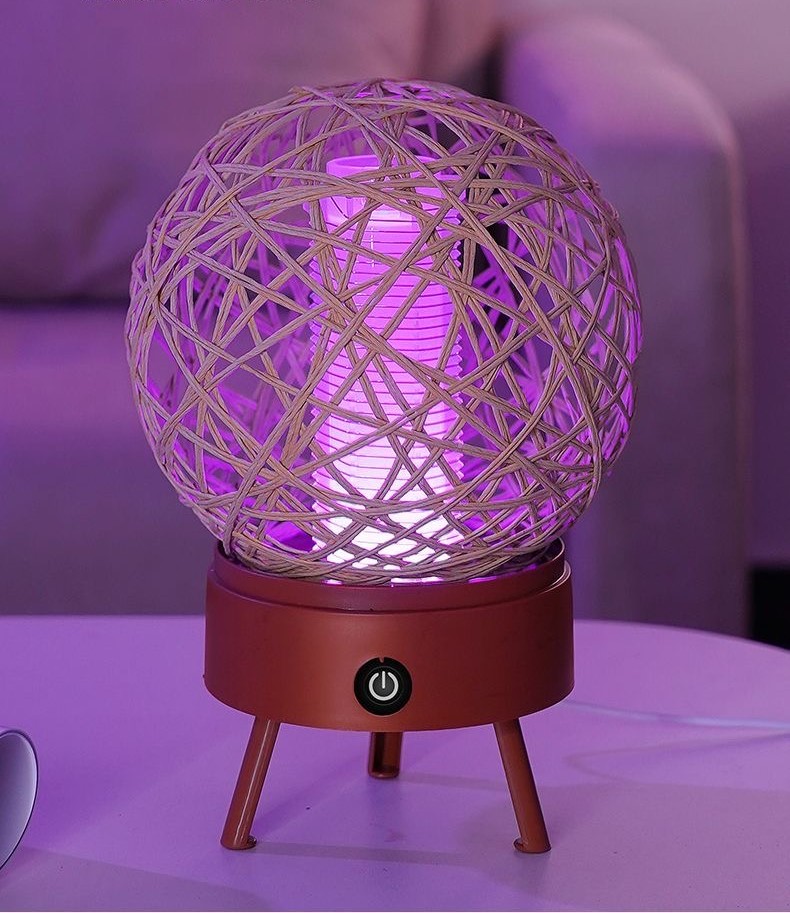
1. People who emit high levels of carbon dioxide
Mosquitoes are extremely sensitive to carbon dioxide and can detect carbon dioxide currents from hundreds of meters away with their antennae. People who breathe rapidly and release large amounts of carbon dioxide become mosquitoes’ "key targets". For example, people after exercise have faster breathing and increased metabolism during physical activity, releasing 2-3 times more carbon dioxide per minute than when at rest. Additionally, pregnant women and obese people are more prone to mosquito bites: pregnant women have a more active metabolism during pregnancy, emitting about 15% more carbon dioxide than ordinary women, while obese people produce more carbon dioxide through basic metabolism due to their larger body size.
2. People who sweat heavily or have a strong body odor
Mosquitoes prefer moist, "scented" environments. Substances like lactic acid, ammonia, and uric acid in human sweat act as "bait" to attract mosquitoes. People who sweat a lot — especially those who sweat heavily in summer or after exercise and don’t clean up promptly — leave a large amount of sweat residue on their skin, which easily attracts mosquitoes. Also, people with strong body odor (such as those who don’t maintain good hygiene or have genetically stronger body odor) produce a special smell when their sebum and sweat break down, luring mosquitoes in.
3. People with high skin temperature and high heat emission
Mosquitoes can sense temperature differences in the human body and tend to bite those with higher skin temperatures. People with a fever have a higher body temperature than healthy individuals, making them more noticeable to mosquitoes. People who just took a hot bath have elevated skin surface temperature and open pores, releasing heat more noticeably — they also become temporary "targets" for mosquitoes. Besides, children have a faster metabolism than adults and relatively higher skin temperature, so they are also more likely to be bitten by mosquitoes.
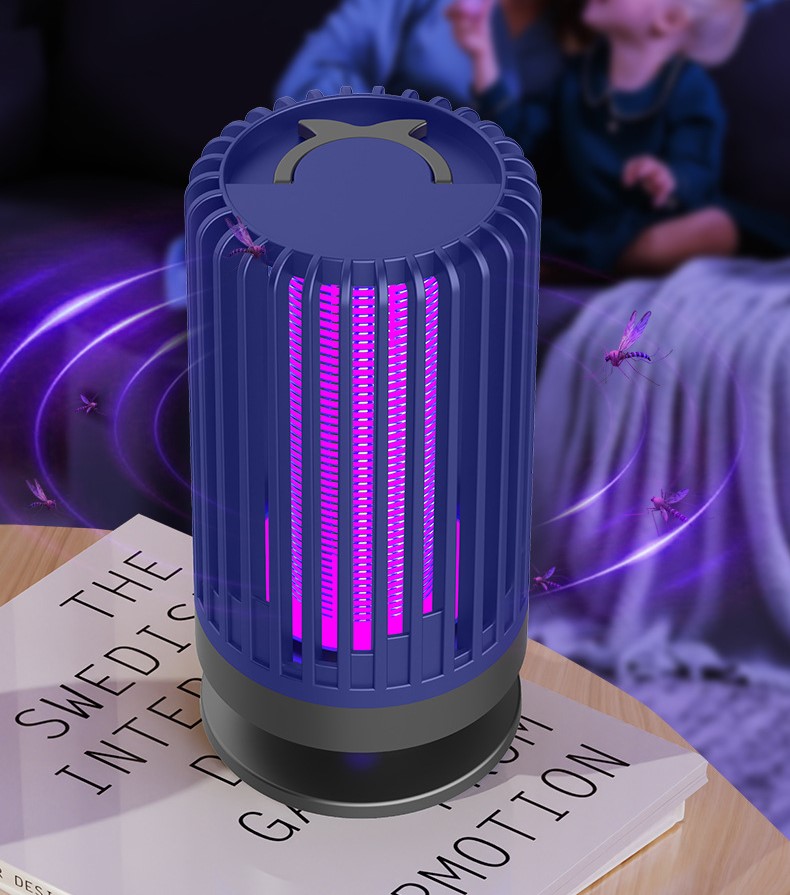
4. People who wear dark-colored clothes
Although mosquitoes are not as sensitive to colors as visual animals, they prefer dark-colored objects. Dark clothes (such as black, blue, and red) absorb more heat, raising the temperature around the human body. At the same time, dark colors are easier for mosquitoes to recognize as "landing targets". In contrast, people who wear light-colored clothes (such as white or light shades) have a much lower chance of being bitten by mosquitoes.
5. People with a lot of bacteria on their skin surface
Bacteria on the skin surface break down sweat and sebum, producing various volatile chemicals — some of which strongly attract mosquitoes. People who don’t bathe regularly or have poor skin hygiene have a large number of bacteria on their skin, producing more attractant substances. Moreover, people with imbalanced skin flora (for example, those with a higher number of certain bacteria like staphylococcus) also face an increased risk of mosquito bites.
In fact, whether you get bitten by mosquitoes depends more on your physiological characteristics and living habits than on "bad luck". After understanding these traits, you can take targeted precautions — such as taking a bath promptly after exercise, wearing light-colored clothes, and reducing outdoor activities during peak mosquito hours. These steps will effectively lower your chances of being bitten!
Why Can't Mosquitoes Be Eradicated
Analysis of the Cost Composition of Electric Mosquito Swatters
Related Article

If you’re struggling with annoying mosquitoes, flies, and other flying pests indoors and outdoors, upgrading from traditional manual tools to anElectric Mosquito Swatter is the most efficient solution. Many homeowners and renters search where to buy fly swatter online to find durable, safe, and high-performance electric models that deliver instant pest control.
Where to Buy Fly Swatter
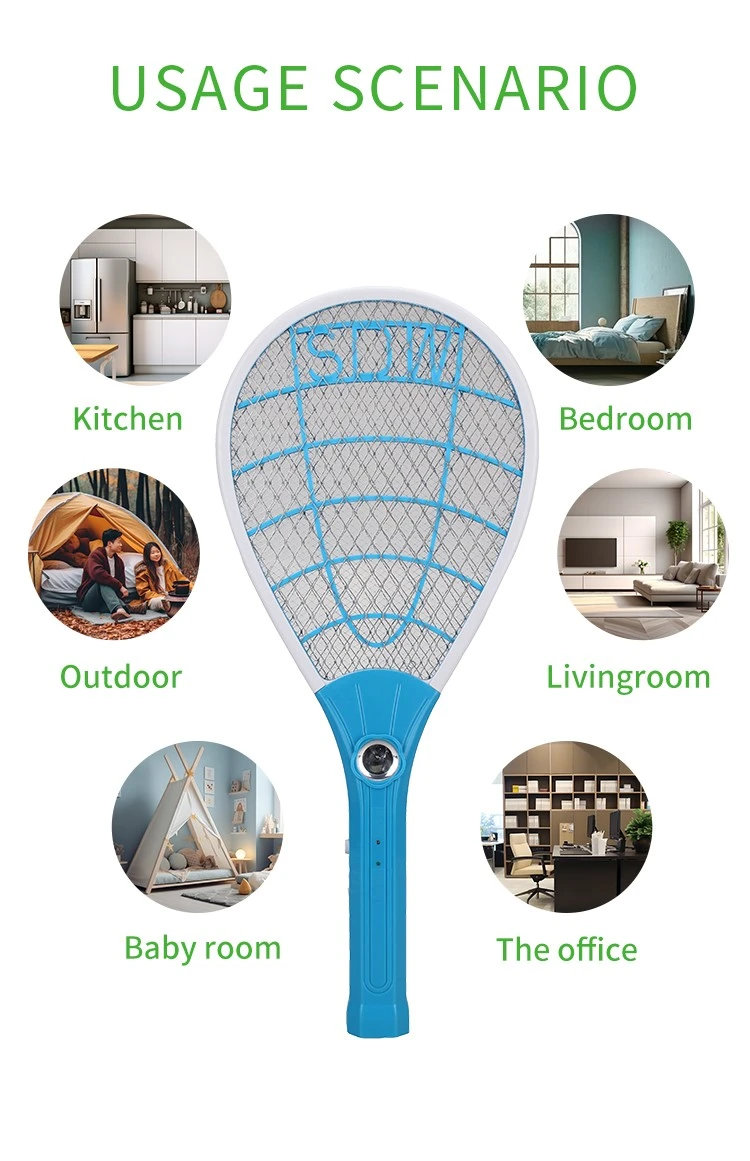
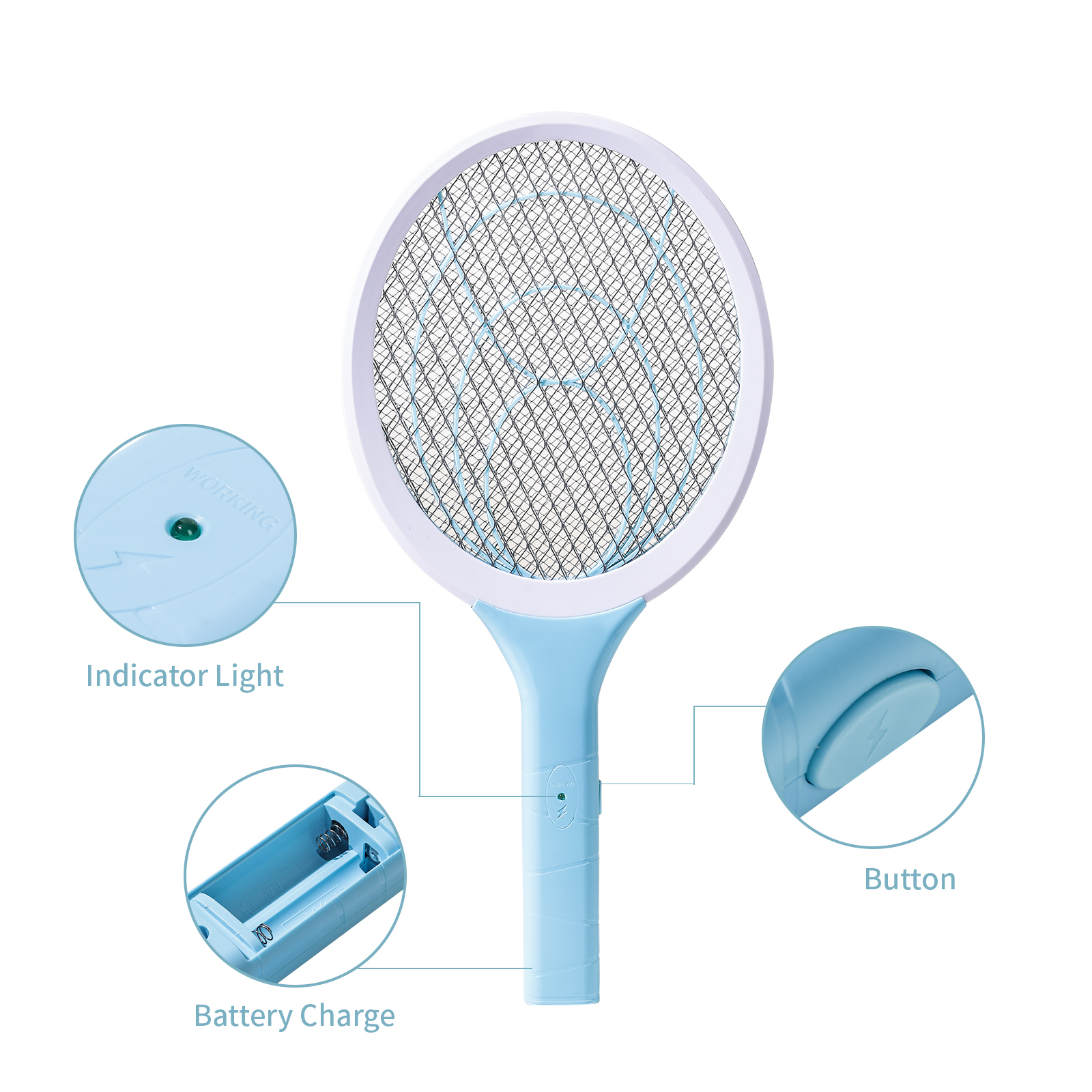
Most importers of electric mosquito swatters obsess over the first order: samples requested, factories vetted, a pre-shipment inspection booked. Then the reorder arrives eight months later and something is off. The grid feels softer. The charge port is a slightly different shade of black. The carton thickness dropped from 350 gsm to 300 gsm. Nothing is catastrophic — but the product no longer matches what your retail customers approved, and quietly, your return rate starts climbing.
How to Keep Mosquito Swatter Quality Consistent Across Repeat Orders
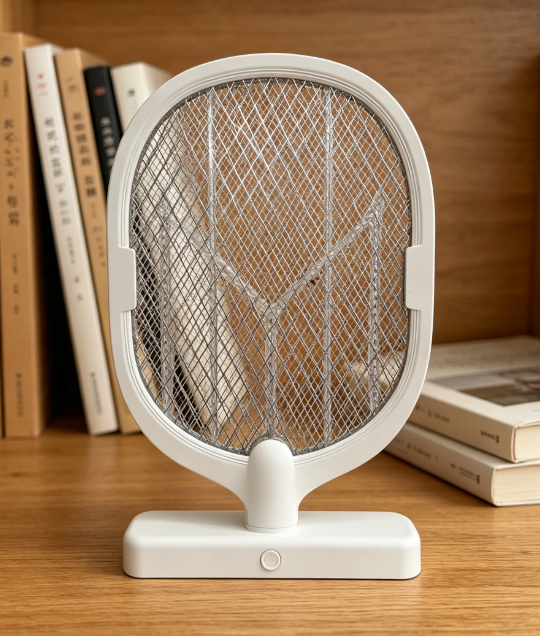
Warranty returns are the silent margin killer in the mosquito control category. A distributor who buys a swatter at $1.80 FOB and retails it at $9.90 can absorb a 1% return rate without noticing — but at 5%, the combined cost of replacement units, reverse logistics, and refund processing erases most of the line's profit.
Common mosquito swatter killer lamp failure modes wholesale spec guide

Digital bathroom scales rank as the second-highest-volume consumer weighing product category, only behind kitchen scales, with distinct market and product characteristics that set them apart from other scale types in importers’ product portfolios.
Digital bathroom body fat-bia-scale wholesale buyers guide