
Why Do Mosquitoes Always Hide in Corners
2026-05-19
Why Do Mosquitoes Always Hide in Corners? These Survival Secrets Are Revealed
As soon as summer arrives, mosquitoes become the most annoying "uninvited guests" — you clearly feel there are mosquitoes in the room, their buzzing circles around your ears, but when you turn on the light to look for them, you can't see a single trace; when you turn off the light and lie down, they will appear on time, waiting for an opportunity to bite. In fact, these cunning little creatures are mostly "lurking" in the corners we overlook. Today, let's break down the survival wisdom behind why mosquitoes always hide in corners.
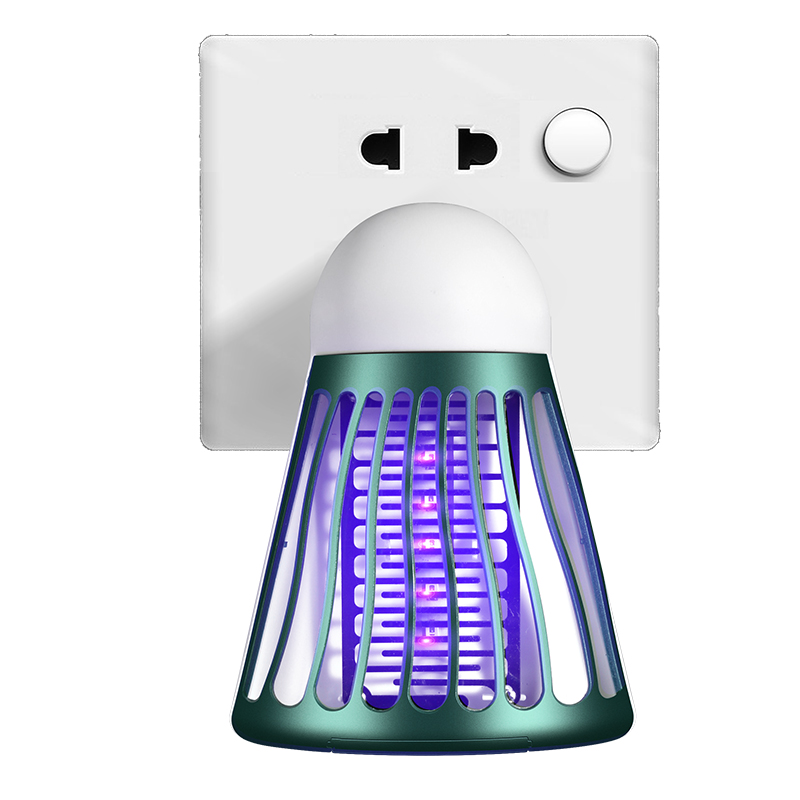
Mosquitoes Hide in Corners to "Survive and Recharge"
Many people think mosquitoes hide in corners to "ambush", but this is just an incidental benefit. For mosquitoes, corners are their "safe houses" and "energy supply stations". Hiding here, their core purpose is to survive and save enough energy to reproduce; ambushing humans is only a small part of their survival plan. After all, mosquitoes have very fragile bodies and can easily die if they are not careful, and the environment in the corners can perfectly meet their survival needs.
Reason 1: Avoid Extreme Environments and Maintain the Bottom Line of Survival
Mosquitoes are typical "delicate creatures" — they are afraid of heat, dryness, strong light and strong winds, and corners are exactly the best places to avoid these extreme environments. The most suitable temperature for mosquitoes to survive and reproduce is 20~30℃, and the most suitable humidity is about 70%. When the temperature exceeds 35℃, they will "suffer from heatstroke", and high temperatures above 40℃ are almost fatal. However, most corners are cool and ventilated, with a temperature 3-5℃ lower than the open area and higher humidity, which can effectively prevent them from dehydration and heatstroke.
In addition, the surface of mosquitoes lacks an effective water-retaining waxy layer, and direct strong light will accelerate the loss of water in their bodies, even leading to death. Whether it is the corner of an indoor wall, behind a cabinet, or the gap in outdoor grass, the crevice of a bridge hole, these corners can block strong light and form a dark and humid microenvironment, helping them maintain the bottom line of survival. Especially in the scorching sun at noon, corners are their "summer resorts", which is why we rarely see mosquitoes active at noon.
Reason 2: Avoid Natural Enemies and Reduce Survival Risks
Mosquitoes have many natural enemies in nature — birds, dragonflies, bats, and even geckos and spiders at home are their "natural enemies". The concealment of corners can help them avoid the pursuit of natural enemies to the greatest extent — there is no shelter in open areas, so mosquitoes are easily found by natural enemies when flying; but in corners and crevices, they can curl up and not be easily detected, which is equivalent to finding a "safe haven" for themselves.
Especially mosquitoes that are active at night, such as the common Culex mosquitoes at home, are naturally used to moving in dark places. The concealed environment of corners can not only help them avoid natural enemies during the day, but also allow them to quickly hide after foraging at night, reducing the risk of being slapped by humans or preyed on by natural enemies. This habit of "hiding" is actually a survival instinct formed by mosquitoes in the long-term evolution — only by surviving first can they have the opportunity to reproduce offspring.
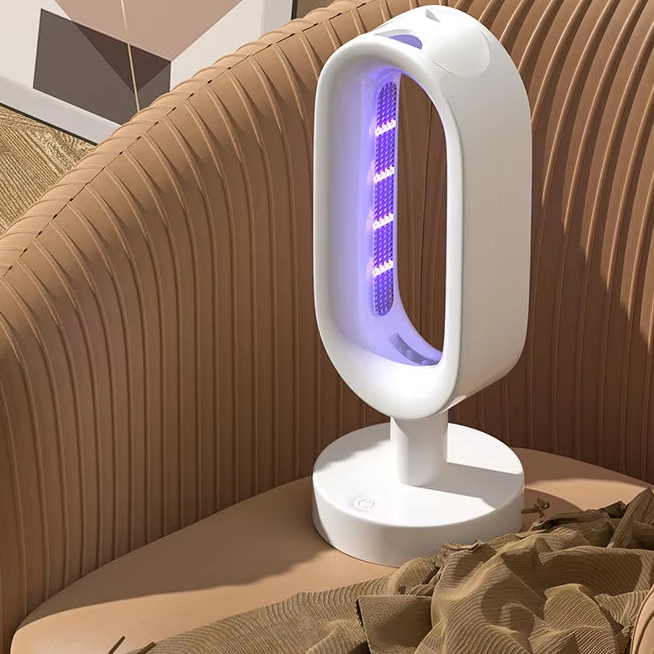
Reason 3: Recharge for Reproduction and Prepare for "Passing on the Gene"
For female mosquitoes, there is another important purpose for hiding in corners — recharging for reproduction. Only when female mosquitoes are full of blood and supplement enough protein can their ovaries develop and they can lay eggs smoothly, which is their need for the survival and reproduction of the species. After sucking blood, mosquitoes need a quiet and undisturbed environment to digest blood and develop ovaries, and corners just meet this demand — here, few people come and go, so they will not be disturbed frequently, and the dark and humid environment can also help them store energy better.
More importantly, there is stagnant water needed for mosquito reproduction near many corners, such as the flowerpot tray in the corner of the balcony, the stagnant water in the corner of the bathroom, and the discarded tires in the corner outdoors. These places can not only let mosquitoes hide, but also allow them to quickly find a place to lay eggs after their ovaries mature, greatly improving the survival rate of their offspring. For example, Aedes albopictus (flower mosquitoes) like to lay eggs in stagnant water containers in corners. Their eggs can tolerate dryness and wait for rainwater to activate and hatch, and the concealed environment of corners can protect these eggs from damage.
Reason 4: Phototaxis Negativa — Innately Prefer "Dark Corners"
Mosquitoes themselves have "phototaxis negativa", which is their innate habit — just as we like light, mosquitoes prefer dark environments. Scientific research has found that the compound eyes of mosquitoes are very sensitive to light; strong light will make them uncomfortable and even affect their flight and foraging, while dark corners can make them feel safe and comfortable, which is more conducive to their activities and rest.
Especially indoor mosquitoes — when we turn on the light, the light is sufficient, and they will immediately hide in dark corners such as wall corners, under the bed, and behind curtains, temporarily stopping their activities; when we turn off the light and the environment becomes dark, they will come out of the corners and start looking for humans to bite. This phototaxis negativa also makes mosquitoes develop the habit of "hiding in corners", which becomes an important help for their survival.
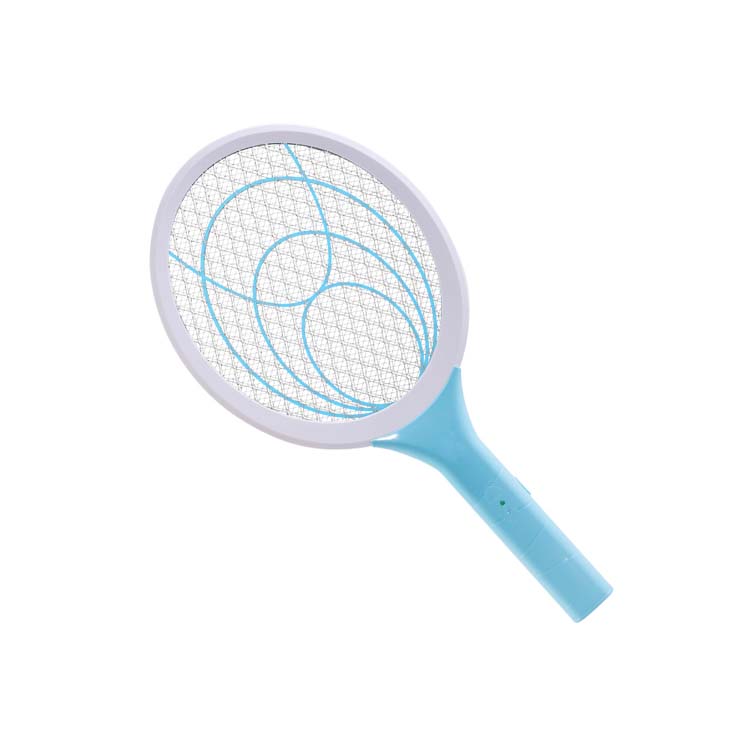
These "High-Risk Corners" Are Actually Mosquitoes' "Hiding Places"
Understanding the reasons why mosquitoes hide in corners, we can also easily find their "hiding places". Whether at home or outdoors, these corners are often the "hardest-hit areas" for mosquitoes: indoor bathroom corners, kitchen corners, under the bed, behind cabinets, curtain folds, balcony corners; outdoor grass gaps, wall corners, beside trash cans, abandoned item pile corners, bridge hole crevices, etc.
In fact, mosquitoes hide in corners essentially to adapt to the environment and continue the population, which is a survival strategy formed by long-term evolution. Knowing these, we can specifically clean these corners, keep them dry and tidy, reduce stagnant water, and reduce mosquitoes' hiding places from the source — after all, only when mosquitoes have "no corners to hide in" can we get rid of the trouble of being bitten.
Finally, I want to ask: where is the corner in your home that is most likely to hide mosquitoes? Share it in the comment area and unlock mosquito prevention tips together~
Kids-Safe Electric Mosquito Swatter Buying Guide
A Global Guide to Mosquito Control
Related Article

If you’re struggling with annoying mosquitoes, flies, and other flying pests indoors and outdoors, upgrading from traditional manual tools to anElectric Mosquito Swatter is the most efficient solution. Many homeowners and renters search where to buy fly swatter online to find durable, safe, and high-performance electric models that deliver instant pest control.
Where to Buy Fly Swatter
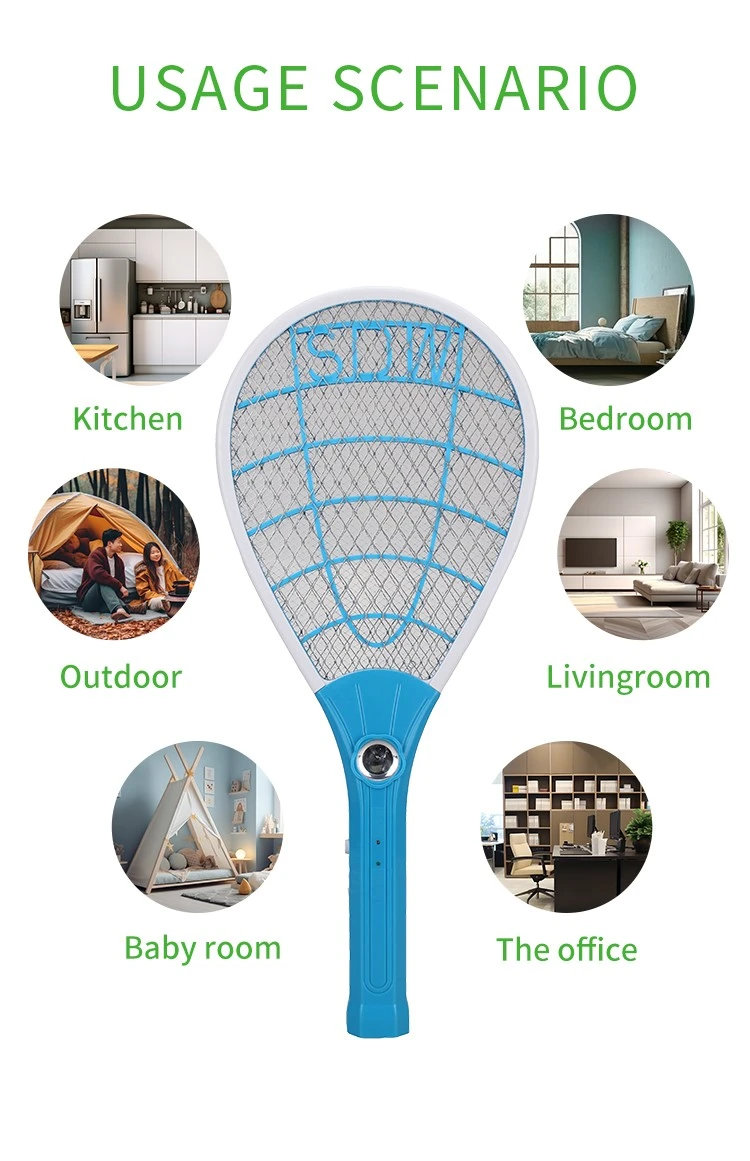
Most importers of electric mosquito swatters obsess over the first order: samples requested, factories vetted, a pre-shipment inspection booked. Then the reorder arrives eight months later and something is off. The grid feels softer. The charge port is a slightly different shade of black. The carton thickness dropped from 350 gsm to 300 gsm. Nothing is catastrophic — but the product no longer matches what your retail customers approved, and quietly, your return rate starts climbing.
How to Keep Mosquito Swatter Quality Consistent Across Repeat Orders
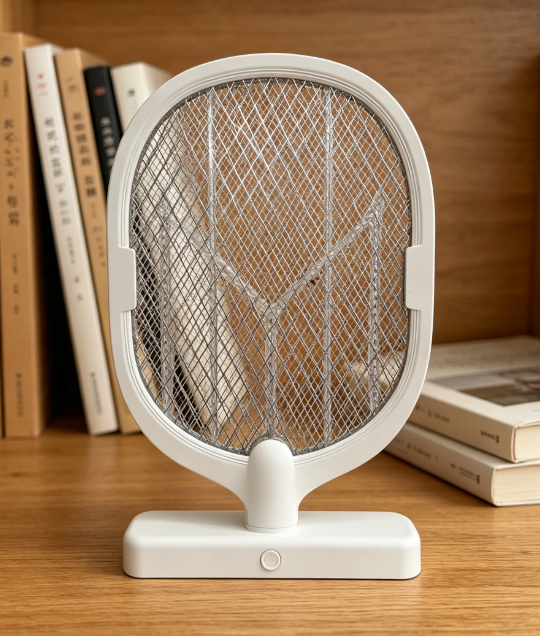
Warranty returns are the silent margin killer in the mosquito control category. A distributor who buys a swatter at $1.80 FOB and retails it at $9.90 can absorb a 1% return rate without noticing — but at 5%, the combined cost of replacement units, reverse logistics, and refund processing erases most of the line's profit.
Common mosquito swatter killer lamp failure modes wholesale spec guide

Digital bathroom scales rank as the second-highest-volume consumer weighing product category, only behind kitchen scales, with distinct market and product characteristics that set them apart from other scale types in importers’ product portfolios.
Digital bathroom body fat-bia-scale wholesale buyers guide