
Why Do Mosquitoes Bite You More
2026-03-23
Why Do Mosquitoes Bite You More? How Electric Swatters Target Them
Summer evenings should be for relaxing on the porch or enjoying a backyard barbecue—but for some of us, they’re ruined by the constant buzz of mosquitoes and the itchy bites that follow. Have you ever wondered why these tiny pests seem to single you out, while your friend sits nearby untouched? And when you reach for your electric swatter, how does it总能 zap those fast-flying mosquitoes with such precision? Let’s break down the science behind both, plus highlight key terms you can link to more detailed resources.
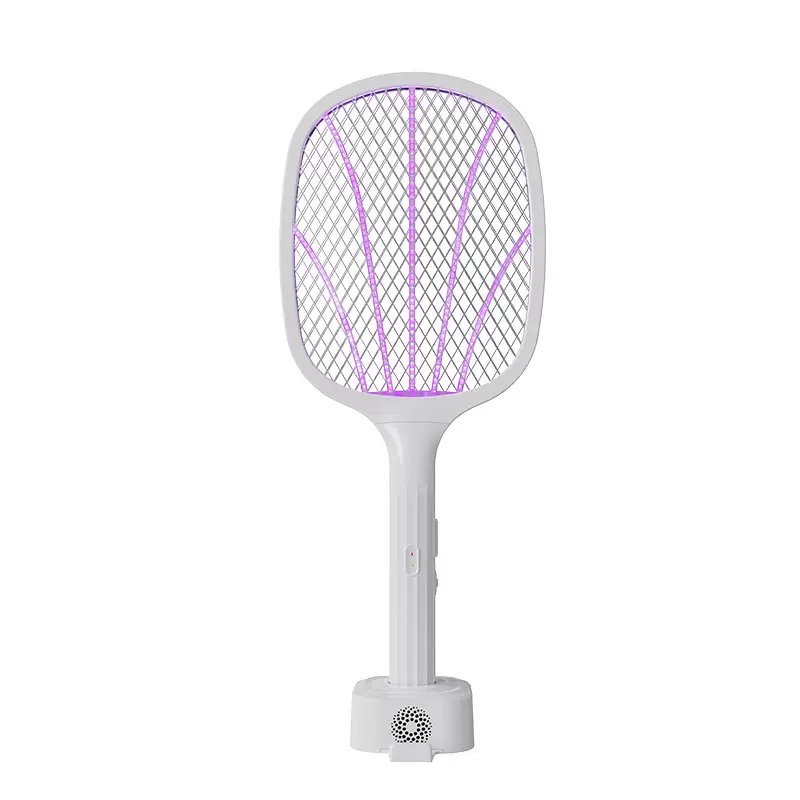
Why Do Mosquitoes Bite Some People More Than Others?
It’s not your imagination—mosquitoes really do have preferences when it comes to who they bite. Unlike popular myths, it’s not about “sweet blood” or poor hygiene. Instead, mosquitoes use a combination of sensory cues to find their next meal, and some people just emit stronger signals than others. Below are the main factors that make you a mosquito magnet, including our first key term: mosquito attraction factors.
1. The Chemical Signals Your Body Emits
Mosquitoes have an extraordinary sense of smell, thanks to specialized receptors on their antennae. They can detect chemical compounds from meters away, and these compounds are what draw them to you. One of the most critical factors here is your skin microbiome—the tiny bacteria that live on your skin’s surface. When these bacteria break down your sweat, they produce volatile compounds like carboxylic acids and lactic acid, which are like a dinner bell for mosquitoes. People with a more diverse or active skin microbiome often produce more of these attractants, making them more appealing.
Other chemical cues include carbon dioxide (CO2) and ammonia. Mosquitoes can sense CO2 from up to 50 meters away, and people who exhale more CO2—like those who are pregnant, overweight, exercising, or even drinking alcohol—are more likely to be targeted. Pregnancy, for example, increases CO2 output by about 20%, along with a slight rise in body temperature, making expectant mothers prime targets.
2. Genetic and Physiological Traits
Your genes play a big role in how attractive you are to mosquitoes. Twin studies have shown that 80-85% of the variability in mosquito attraction is genetic, affecting everything from sweat composition to the volatile compounds your skin emits. Some people are simply born to produce fewer mosquito-attracting chemicals, while others are “natural magnets” regardless of lifestyle changes.
Blood type also plays a minor role—studies suggest that people with type O blood are more attractive to certain mosquito species, though this is less significant than skin chemistry. Additionally, body heat is a key cue: mosquitoes use thermal sensors to zero in on warm-blooded hosts, so people with slightly higher body temperatures (like those who are active or in warm weather) are easier to spot.
3. Environmental and Behavioral Cues
Small changes in your environment or behavior can make you more noticeable to mosquitoes. Wearing dark clothing, for example, creates a stronger visual contrast against the sky or vegetation, helping mosquitoes spot you from a distance. Scented products like perfumes, lotions, or even scented laundry detergent can also mimic the natural compounds mosquitoes seek, increasing your appeal.
How Electric Swatters Target and Eliminate Mosquitoes
Now that we understand why mosquitoes target some of us more, let’s explore how electric swatters work to counter these pests. These handheld devices are a popular choice because they’re effective, chemical-free, and easy to use—but their precision comes from clever engineering, centered around the electric swatter working principle.
The Core Technology: High Voltage and Grid Design
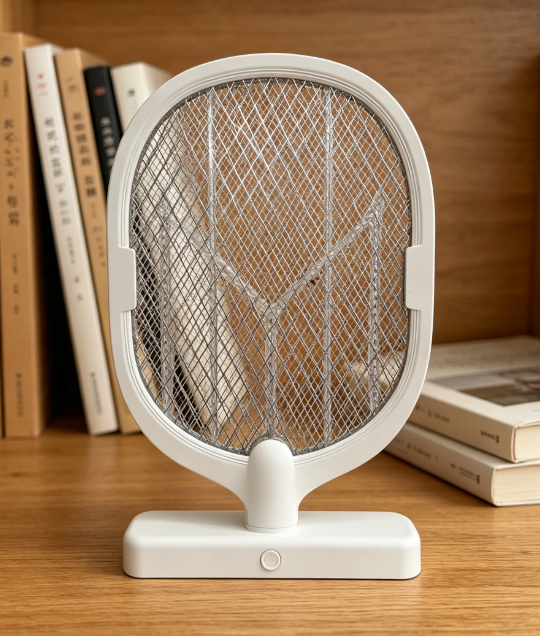
Electric swatters look like tennis rackets, but their mesh is actually two layers of metal grids with a small gap between them. Inside the handle, a battery-powered circuit converts low-voltage DC power (from AA or rechargeable batteries) into high-voltage pulses—usually between 500 and 3,000 volts. When you press the trigger, the grids become charged, creating an electric field between them.
Mosquitoes are small enough to fly between the grid layers, and their bodies act as conductors. When a mosquito touches both grids at the same time, it completes the circuit, resulting in an electric shock that instantly kills or stuns the insect. The grid design is key here: the outer grids are often grounded, while the inner grid carries the high voltage, ensuring that the shock is powerful enough for mosquitoes but safe for humans (thanks to low current levels).
How Electric Swatters Outsmart Mosquito Flight
Mosquitoes are fast fliers, but electric swatters are designed to counter their speed. The lightweight, flexible mesh minimizes air resistance, allowing you to swing the swatter quickly—faster than a mosquito’s reaction time. Additionally, the grid’s size and shape make it easy to target mosquitoes in mid-flight or when they land on surfaces.
Unlike bug zappers (which use UV light to attract insects), electric swatters rely on your ability to spot mosquitoes and swing the device directly at them. This targeted approach makes them more effective for indoor or small outdoor spaces, where you can easily track and zap pests as you see them.
Safety First: Why Electric Swatters Are Safe for Humans
You might worry about getting shocked by an electric swatter, but their design prioritizes safety. The high voltage is paired with very low current (usually 0.1-0.5 milliamps), which is far below the level that can harm humans (the safe threshold is 5 milliamps). Additionally, the outer grids are often insulated or spaced apart to prevent accidental contact, and the trigger must be held down to activate the charge—so you won’t get shocked if you touch the mesh without pressing the button.
In the end, understanding why mosquitoes bite you more and how electric swatters work can make your summer evenings much more enjoyable. By knowing your “mosquito magnet” triggers, you can take small steps to reduce bites (like wearing light clothing or avoiding scented products), and when all else fails, your electric swatter is ready to target those pests with precision.
Outdoor Enthusiast Review
Lightweight Mosquito Swatter
Related Article

If you’re struggling with annoying mosquitoes, flies, and other flying pests indoors and outdoors, upgrading from traditional manual tools to anElectric Mosquito Swatter is the most efficient solution. Many homeowners and renters search where to buy fly swatter online to find durable, safe, and high-performance electric models that deliver instant pest control.
Where to Buy Fly Swatter
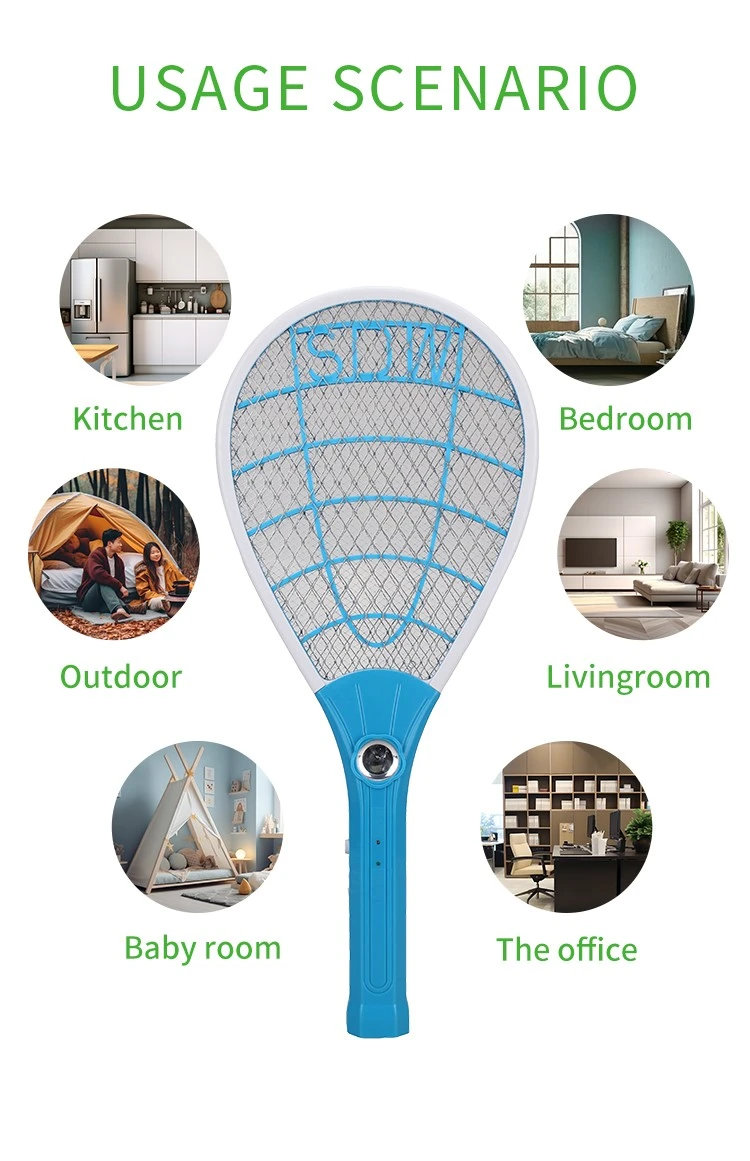
Most importers of electric mosquito swatters obsess over the first order: samples requested, factories vetted, a pre-shipment inspection booked. Then the reorder arrives eight months later and something is off. The grid feels softer. The charge port is a slightly different shade of black. The carton thickness dropped from 350 gsm to 300 gsm. Nothing is catastrophic — but the product no longer matches what your retail customers approved, and quietly, your return rate starts climbing.
How to Keep Mosquito Swatter Quality Consistent Across Repeat Orders
Warranty returns are the silent margin killer in the mosquito control category. A distributor who buys a swatter at $1.80 FOB and retails it at $9.90 can absorb a 1% return rate without noticing — but at 5%, the combined cost of replacement units, reverse logistics, and refund processing erases most of the line's profit.
Common mosquito swatter killer lamp failure modes wholesale spec guide

Digital bathroom scales rank as the second-highest-volume consumer weighing product category, only behind kitchen scales, with distinct market and product characteristics that set them apart from other scale types in importers’ product portfolios.
Digital bathroom body fat-bia-scale wholesale buyers guide