
Why Do Mosquitoes Love Summer So Much
2026-05-25
Why Do Mosquitoes Love Summer So Much? The Truth Finally Revealed
The most annoying part of summer is not the sweltering heat or the glaring sunlight, but the ubiquitous mosquitoes. Whether it is day or night, a short outdoor walk will leave you with itchy, red bumps on your skin. While mosquitoes are barely visible in spring, autumn and winter, they emerge in swarms and wreak havoc as soon as summer arrives. Many people wonder why mosquitoes are so fond of summer. This is no coincidence — the climate and environment of summer perfectly meet mosquitoes’ needs for survival and reproduction. Today, let’s uncover the hidden truth behind mosquito outbreaks in summer.
1. High Temperature: An Energy Booster for Mosquitoes
Mosquitoes are typical cold-blooded creatures that cannot regulate their body temperature independently. Their vitality entirely depends on the ambient temperature, which directly determines their living conditions and activity levels. Scientific studies show that mosquitoes thrive best at temperatures between 25°C and 30°C — exactly the temperature range that dominates summer weather, making it the prime growing season for mosquitoes.
At optimal high temperatures, mosquitoes’ metabolism speeds up drastically, fully activating their bodily functions and making them extremely agile in flying, foraging and reacting. In contrast, temperatures in spring and autumn are relatively low, slowing down mosquitoes and reducing their willingness to seek food. In freezing winter weather, mosquitoes enter a hibernation state, hiding in dark corners to suspend all activities and feeding, which is why they are rarely seen.
Furthermore, high temperatures accelerate the growth of mosquito larvae. The entire life cycle of a mosquito — from egg and larva to pupa and adult — is greatly shortened in summer. The growth process that normally takes more than ten days can be completed in just about a week, leading to the explosive growth of mosquito populations in hot weather.
2. Rainy and Humid Weather Creates Ideal Breeding Grounds
Water is indispensable for mosquitoes, especially for reproduction. Standing water is a mandatory condition for mosquitoes to breed. Mosquito larvae, known as wrigglers, can only survive in stagnant water, meaning no standing water equals no mosquito reproduction. Summer is precisely the season abundant in humid conditions and standing water.
Frequent thunderstorms and showers in summer leave countless stagnant water spots everywhere: low-lying community grounds, roadside puddles, flower pot trays on balconies, waste bottles and cans, and stagnant sewer water. These shallow, still water areas feature suitable temperatures and rich organic matter, with no threats from large aquatic organisms. They perfectly meet the growth needs of mosquito larvae and serve as natural breeding nurseries for mosquitoes.
In addition, summer boasts generally high air humidity. The muggy and damp environment locks moisture in mosquitoes’ bodies and prevents death from dehydration. Dry weather rapidly drains moisture from mosquitoes’ bodies, weakening their vitality or even killing them. The high humidity in summer provides reliable environmental support for mosquitoes to survive and reproduce.
3. Abundant Food Supports Mosquito Foraging
Mosquitoes require sufficient energy to survive and breed, and summer provides them with an endless supply of food. Blood, their primary food source, is easily accessible in summer. Hot summer weather speeds up human metabolism, raises skin surface temperature, and causes the human body to release large amounts of carbon dioxide, sweat and moisture.
Mosquitoes are extremely sensitive to carbon dioxide, lactic acid and ammonia substances in human sweat, enabling them to accurately locate humans from hundreds of meters away. Meanwhile, people wear thin clothes with more exposed skin in summer, making it far easier for mosquitoes to bite and suck blood. The abundant blood supply provides essential energy for female mosquitoes to develop ovaries and lay eggs.
Besides blood, mosquitoes supplement sugar intake by sucking plant sap and nectar. Summer is a season of vigorous plant growth, with abundant flowers and plants providing ample sap and nectar. This sufficient food source sustains both male and female mosquitoes and allows their populations to expand rapidly.
4. Fewer Natural Predators Create a Relaxed Living Environment
A commonly overlooked reason for summer mosquito outbreaks lies in the activity patterns of their natural enemies. Mosquitoes’ main predators include dragonflies, frogs, geckos and birds. In spring and autumn, mild temperatures keep these predators highly active, preying on massive numbers of adult mosquitoes and their eggs and curbing mosquito population growth.
However, the extreme midday heat in midsummer drives most predators to seek shelter and reduce outdoor activities, drastically lowering their predation efficiency. Moreover, mosquitoes reproduce far faster than their predators can hunt in summer. The restraining effect of natural enemies is greatly weakened, giving mosquitoes ample opportunities to grow and multiply wildly, resulting in a sharp population surge.
5. Practical Summer Mosquito Prevention Tips
Understanding why mosquitoes thrive in summer allows us to take targeted measures to avoid mosquito bites. First, eliminate standing water regularly from flower pot trays, waste containers and balcony corners to cut off mosquito breeding sources fundamentally. Second, strengthen personal protection: wear long-sleeved clothes and long pants outdoors, apply reliable mosquito repellent products, and install window screens and mosquito nets at home. Third, place mosquito-repellent plants such as mint, wormwood and citronella indoors to assist in repelling mosquitoes and create a comfortable, mosquito-free living space.
Conclusion
In short, summer’s high temperature, high humidity, widespread standing water and abundant food resources fully satisfy mosquitoes’ survival and reproduction needs, which is the fundamental reason for severe mosquito infestations in summer. By mastering mosquito habits, we can prevent and repel mosquitoes scientifically and enjoy a refreshing, mosquito-free summer.
What Are the Authoritative Safety Certification Standards for Mosquito Lamps
How to Calibrate a Digital Scale
Related Article

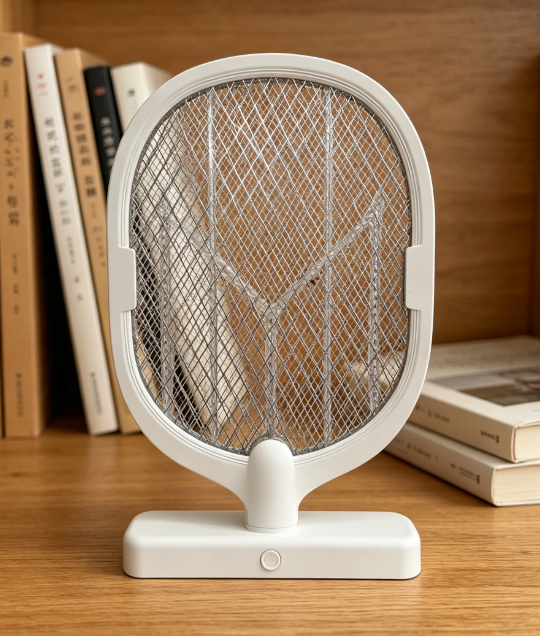
If you’re struggling with annoying mosquitoes, flies, and other flying pests indoors and outdoors, upgrading from traditional manual tools to anElectric Mosquito Swatter is the most efficient solution. Many homeowners and renters search where to buy fly swatter online to find durable, safe, and high-performance electric models that deliver instant pest control.
Where to Buy Fly Swatter
Most importers of electric mosquito swatters obsess over the first order: samples requested, factories vetted, a pre-shipment inspection booked. Then the reorder arrives eight months later and something is off. The grid feels softer. The charge port is a slightly different shade of black. The carton thickness dropped from 350 gsm to 300 gsm. Nothing is catastrophic — but the product no longer matches what your retail customers approved, and quietly, your return rate starts climbing.
How to Keep Mosquito Swatter Quality Consistent Across Repeat Orders
Warranty returns are the silent margin killer in the mosquito control category. A distributor who buys a swatter at $1.80 FOB and retails it at $9.90 can absorb a 1% return rate without noticing — but at 5%, the combined cost of replacement units, reverse logistics, and refund processing erases most of the line's profit.
Common mosquito swatter killer lamp failure modes wholesale spec guide

Digital bathroom scales rank as the second-highest-volume consumer weighing product category, only behind kitchen scales, with distinct market and product characteristics that set them apart from other scale types in importers’ product portfolios.
Digital bathroom body fat-bia-scale wholesale buyers guide