
Why Do Production Costs of Goods Rise Collectively at Year-End
2026-01-28
Why Do Production Costs of Goods Rise Collectively at Year-End? PCB and Lithium Battery Price Hikes Are a Microcosm
At the end of each year, many manufacturing enterprises face the pressure of rising costs. From upstream raw materials to midstream components and downstream finished products, the price hike wave often spreads in a chain reaction. Among them, printed circuit boards (PCBs) and lithium batteries, as key components in core industries such as electronics and new energy, have seen particularly significant price increases, becoming a typical microcosm of year-end cost rises. This is not caused by a single factor, but by the interplay of multiple forces including supply-demand imbalance, rising raw material prices, and industry structure adjustments.
PCBs: Double Pressure from Copper Foil and Glass Cloth, Cost Pressure Transmitted Level by Level
The price hike of PCBs stems mainly from the soaring prices and tight supply of upstream raw materials. As the core "blood vessels" of PCBs, copper foil accounts for 30% to 40% of the total cost. In late 2025, the price of three-month copper futures on the London Metal Exchange (LME) exceeded a record high of $12,960 per ton, directly pushing up copper foil prices. According to calculations by a leading manufacturer, the copper foil cost of a single server motherboard has risen from $12 to $18, driving up the overall material cost by 15%. More critically, the siphoning effect of the new energy sector on copper foil has exacerbated the supply gap— the copper foil consumption of a new energy vehicle's power battery is equivalent to that of 2,000 standard PCBs. Cross-industry resource competition has put PCB enterprises in a predicament of raw material shortage.
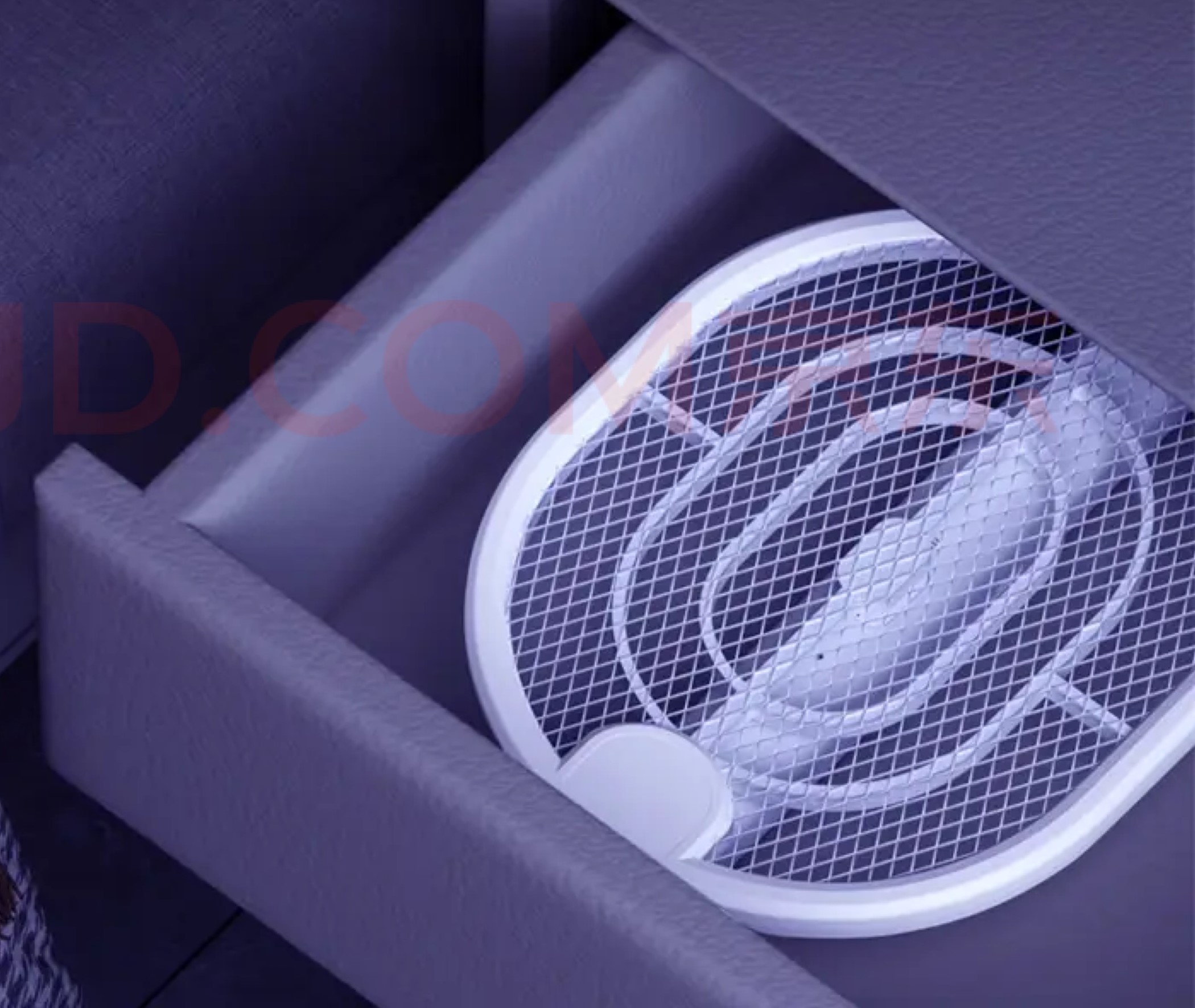
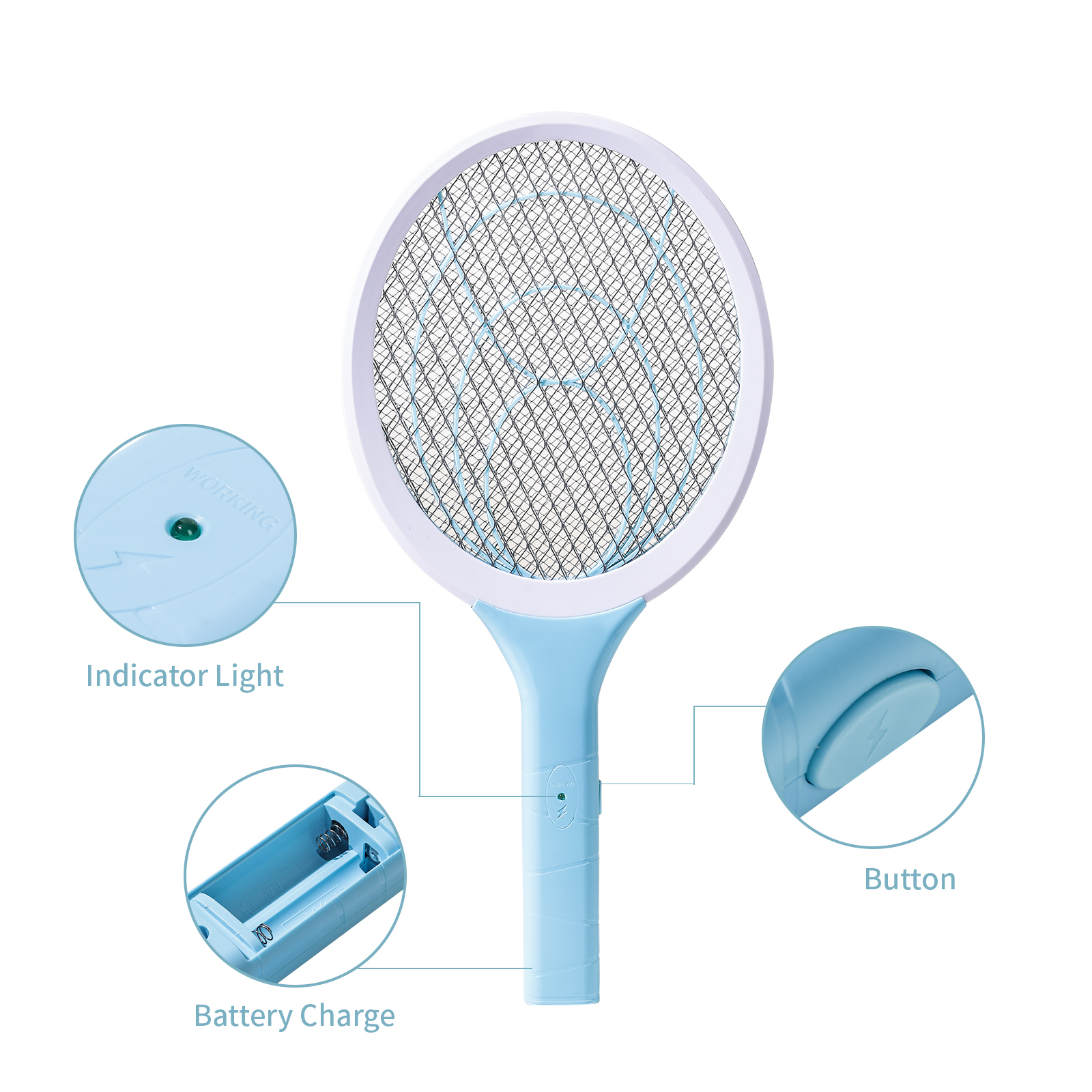
The tight supply of electronic-grade glass cloth has further added to cost pressures. The demand for high-performance PCBs in fields such as 5G and automotive electronics has driven the upgrading of glass cloth towards low dielectric constant and high temperature resistance, while the contraction of high-performance glass cloth production capacity has led to an expanded supply gap. The price of high-end glass cloth developed by Japanese Panasonic and domestic enterprises is 3 to 5 times that of ordinary glass cloth; even so, supply is so tight that "a roll of cloth is hard to find". Affected by this, in December, copper clad laminate giant Kingboard announced a 10% price increase for all series of PCB materials, and Nan Ya Plastic also raised the price of copper foil substrates by 8%. Cost pressures have been transmitted level by level along the industrial chain to downstream manufacturing enterprises, and even household small appliances have not been spared. Take electric mosquito swatters as an example—their core component is a small PCB integrated with high-frequency oscillation and voltage doubling rectifier circuits, which requires components such as metal film resistors, high-voltage capacitors, and triodes. The price increases of basic materials such as copper clad laminates and copper foil have directly raised the cost of a single electric mosquito swatter PCB by 12% to 15%. Coupled with the collective 10% to 20% price increase of passive components such as resistors at the end of the year, the cost of the circuit part of electric mosquito swatters has risen significantly.
Lithium Batteries: Lithium Salt Price Hikes + Explosive Demand, the Entire Industrial Chain Enters a Price Hike Cycle
The price hike wave in the lithium battery industry chain has spread from upstream lithium resources to end products, showing an overall upward trend. Since the second half of 2025, the price of lithium carbonate has staged a "V-shaped rebound", soaring from its low in June to 118,000 yuan per ton in December, with some contracts even exceeding the 130,000 yuan per ton mark. On the supply side, some production capacities in major domestic lithium mining areas such as Yichun have been shut down due to environmental compliance issues, while overseas lithium mining giants have delayed capacity expansion. Coupled with rising prices of auxiliary materials such as sulfur and soda ash, the smelting cost of lithium salts has continued to rise. On the demand side, driven by both energy storage and power batteries, China's energy storage lithium battery shipments are expected to exceed 580 GWh, a year-on-year increase of over 75%. The shortage of high-end production capacity due to technological iteration in power batteries has led to a persistent supply-demand gap.
Cost pressures have been quickly transmitted along the industrial chain: for every 10,000 yuan per ton increase in lithium carbonate prices, the cost of lithium iron phosphate (LFP) increases by about 2,500 yuan per ton. Leading LFP manufacturers have collectively raised processing fees starting from January 2026, with some increases reaching 3,000 yuan per ton. The price of hexafluorophosphate lithium, a core raw material for electrolytes, has doubled in a short period of time, forming a chain price hike effect of "lithium salt - hexafluorophosphate lithium - electrolyte". At the same time, the industry has shifted from "price wars" to "value competition", with backward production capacity being eliminated at an accelerated pace. Leading enterprises hold pricing power through technological barriers, and price hikes have become a necessary means for the industry to restore profitability. This fluctuation has also affected the electric mosquito swatter industry. Nowadays, mainstream electric mosquito swatters are mostly powered by 3.7V lithium batteries, and the cost of their core cells has risen in tandem with lithium salt prices, with the cost of a single electric mosquito swatter lithium battery increasing by nearly 20% compared with the third quarter. For electric mosquito swatter manufacturers relying on both lithium batteries and PCBs, the superimposed price hikes of these two core components have increased the production cost of a single product by 8 to 12 yuan, forcing small and medium-sized manufacturers to adjust their stock levels or plan terminal price increases to cope with the pressure.

Common Logic of Year-End Price Hikes: An Inevitable Result of Multiple Factors
The price hikes of PCBs and lithium batteries are not isolated phenomena, but reflect the common logic of rising manufacturing costs at the end of the year. On the supply side, environmental protection-induced production restrictions and capacity contraction have become the norm. Whether it is lithium mining, glass cloth production, or copper foil processing, all are subject to environmental policies, and the withdrawal of some small and medium-sized production capacities has reduced effective supply. At the same time, enterprises enter the maintenance period at the end of the year, leading to a phased contraction of production capacity, which further exacerbates supply-demand tension.
The superimposed effect of seasonal demand outbreaks is significant. The end of the year is the peak stocking season for industries such as electronics, new energy, and home appliances. Enterprises purchase raw materials and components in bulk to cope with the Spring Festival holiday and next year's orders, forming a cycle of "surge in demand - inventory replenishment - price increase". Coupled with long-term trends such as global energy transition and AI computing center construction, demand in high-end fields such as new energy and semiconductors continues to grow at a high rate, intensifying the competition for core components such as PCBs and lithium batteries and driving prices to remain high.
In addition, the impact of the macro environment and logistics costs cannot be ignored. The upward trend in international non-ferrous metal prices and exchange rate fluctuations have pushed up the cost of imported raw materials. Domestic coal and other energy prices have risen due to winter reserve demand, and transportation costs have generally increased by 15% to 20% compared with the second half of the year. All these costs are ultimately included in the production process of goods.
For enterprises, rising costs at the end of the year are not only a pressure but also a driving force for transformation. Controlling costs through technological upgrading and industrial chain integration has become the key to coping with the price hike wave. For consumers, this cost increase may eventually be passed on to terminal prices, so it is necessary to manage expectations when purchasing at the end of the year—from small household appliances such as electric mosquito swatters to new energy vehicles and electronic devices, all may experience price fluctuations due to rising core component prices. The essence of this price hike wave is an inevitable manifestation of industrial upgrading and supply-demand restructuring, indicating that the manufacturing industry will enter a new stage focusing more on quality and efficiency.
Recommended Wall-Mounted Mosquito Traps to Bid Farewell to Mosquitoes and Space Anxiety
A Guide to Packaging Design for Electric Mosquito Swatters
Related Article

If you’re struggling with annoying mosquitoes, flies, and other flying pests indoors and outdoors, upgrading from traditional manual tools to anElectric Mosquito Swatter is the most efficient solution. Many homeowners and renters search where to buy fly swatter online to find durable, safe, and high-performance electric models that deliver instant pest control.
Where to Buy Fly Swatter
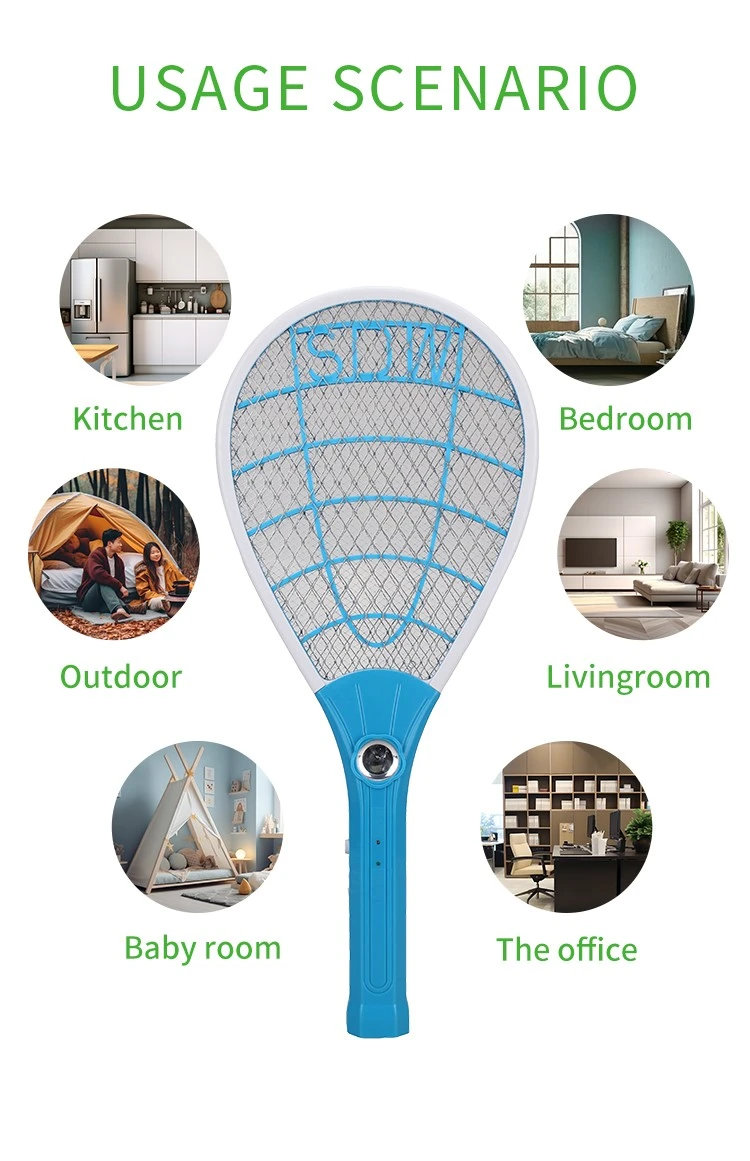
Most importers of electric mosquito swatters obsess over the first order: samples requested, factories vetted, a pre-shipment inspection booked. Then the reorder arrives eight months later and something is off. The grid feels softer. The charge port is a slightly different shade of black. The carton thickness dropped from 350 gsm to 300 gsm. Nothing is catastrophic — but the product no longer matches what your retail customers approved, and quietly, your return rate starts climbing.
How to Keep Mosquito Swatter Quality Consistent Across Repeat Orders

Warranty returns are the silent margin killer in the mosquito control category. A distributor who buys a swatter at $1.80 FOB and retails it at $9.90 can absorb a 1% return rate without noticing — but at 5%, the combined cost of replacement units, reverse logistics, and refund processing erases most of the line's profit.
Common mosquito swatter killer lamp failure modes wholesale spec guide

Digital bathroom scales rank as the second-highest-volume consumer weighing product category, only behind kitchen scales, with distinct market and product characteristics that set them apart from other scale types in importers’ product portfolios.
Digital bathroom body fat-bia-scale wholesale buyers guide