
Why Do Some Electric Mosquito Swatter Handles Scratch Easily
2025-11-03
Why Do Some Electric Mosquito Swatter Handles Scratch Easily? 4 Core Reasons to Understand
Many people encounter an annoying problem when using electric mosquito swatters: the handle gets covered in countless scratches shortly after purchase. Not only does this ruin the appearance, but it also makes people doubt the product’s quality. In fact, whether an electric mosquito swatter handle scratches easily and how noticeable the scratches are does not depend solely on "quality." Instead, it is determined by a combination of material selection, production processes, usage scenarios, and color properties. Today, we will break down the key reasons behind this issue to help you understand "why some handles are particularly prone to scratching."
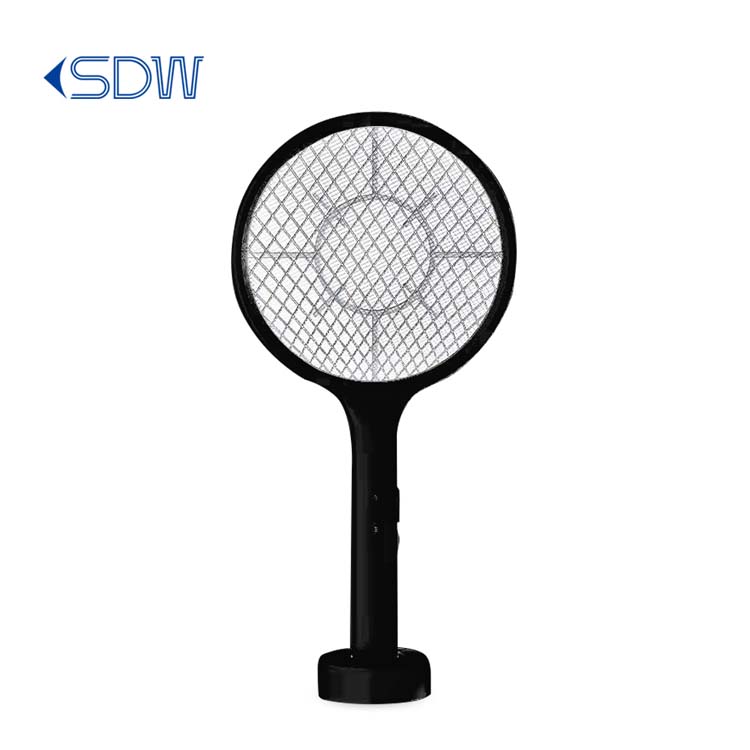
1. Core Reason 1: Differences in Material Costs Determine the "Scratch-Resistant Foundation"
The material of the handle is the "innate factor" for its scratch resistance. Different materials vary greatly in hardness and wear resistance, and cost differences are the main reason many manufacturers opt for "scratch-prone materials."
Currently, electric mosquito swatter handles on the market mainly use two types of materials:
- High Scratch-Resistant Material: ABS Resin + Scratch-Resistant Coating
Mid-to-high-end electric mosquito swatters often use ABS resin (a type of engineering plastic). This material itself has high hardness (approximately R100 on the Rockwell scale) and can withstand minor daily friction. Some brands also add a "scratch-resistant UV coating" on the surface, which acts like a "protective shell" for the handle. Even if it collides slightly with keys or a tabletop, it rarely leaves marks. However, the cost of this material is 30%-50% higher than that of ordinary plastic, so it is mostly used in products priced above 100 yuan (or equivalent currency).
- Scratch-Prone Material: Ordinary PP/PE Plastic, No Coating
Budget electric mosquito swatters (usually under 50 yuan) mostly use PP (polypropylene) or PE (polyethylene) plastic for their handles. This type of plastic has low hardness (only R60-R80 on the Rockwell scale), similar to a "soft plastic box." Even slight contact with rough surfaces (such as concrete floors or metal table corners) can leave scratches. More importantly, to control costs, manufacturers do not add an extra scratch-resistant coating—without this protective layer, the plastic is like a soldier without armor, making it easily "damaged."
Example: If both handles are dropped on the ground, an ABS handle may only leave a faint mark, while a PP handle will likely have a clear white scratch. This is a direct result of the difference in material hardness.
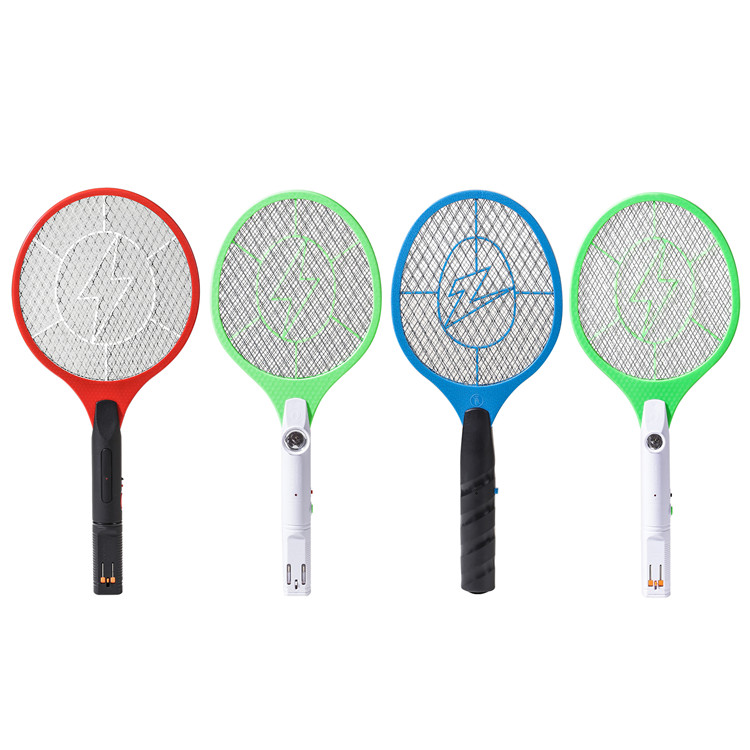
2. Core Reason 2: "Cutting Corners" in Production Processes Worsens Scratching
Even if relatively high-quality materials are used, details in the production process directly affect the handle’s scratch resistance. Many electric mosquito swatters with easily scratched handles are actually the result of "corner-cutting" in the manufacturing process.
There are two common process-related issues:
- Skipping "Sanding and Polishing" in Surface Treatment
In the production of qualified handles, plastic parts undergo three steps after molding: "rough sanding → fine sanding → polishing" to ensure a smooth, flat surface. However, to increase efficiency and reduce costs, some small factories skip fine sanding and polishing entirely. This leaves the handle surface with tiny granular textures or uneven ridges. These uneven surfaces are like "hiding countless small hooks"—they easily catch and create scratches when rubbed.
- Insufficient Coating Thickness or Uneven Spraying
Some manufacturers add a scratch-resistant coating but reduce its thickness from the standard 8-10 microns to just 3-5 microns to save on paint. A too-thin coating is like a "protective layer made of thin paper"; it easily wears off with slight friction, exposing the soft plastic underneath. Additionally, uneven spraying may leave parts of the handle (such as edges or corners) uncoated. These "weak areas" are the first to show scratches.
3. Core Reason 3: "High-Frequency Friction" in Usage Scenarios Accelerates Scratching
Beyond product-related factors, our usage habits and scenarios also cause faster scratching on "scratch-prone" handles.
You have likely encountered these high-friction scenarios:
- Placing the Handle on Rough Surfaces Casually
Surfaces like kitchen concrete countertops, balcony stone railings, or living room metal coffee tables have high friction. Leaving the handle in contact with these surfaces for a long time easily grinds tiny scratches into it.
- Storing with Hard Objects
Many people habitually store electric mosquito swatters with hard items like keys, scissors, or chargers in the same drawer or storage box. When moving or opening/closing the box, these hard objects repeatedly collide and rub against the handle, creating obvious scratches directly.
- Scrubbing Hard During Cleaning
When the handle gets greasy or dusty, using a rough cloth (such as a steel wool pad or kitchen rag) to scrub it vigorously directly wears down the surface. Especially for uncoated PP handles, this easily creates a "frayed" texture.
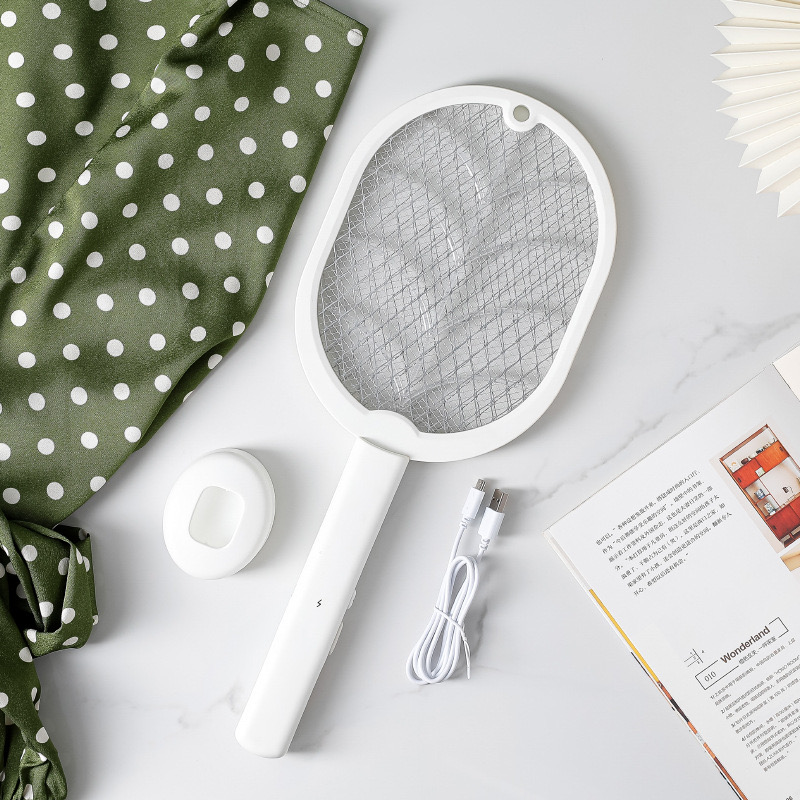
4. Core Reason 4: Differences in Color Properties Affect the Visibility of Scratches
This follows the same logic as the "car color and dirt resistance" we observe in daily life: white cars do not show dust or small scratches as much, while black cars make even a little dust or a thin scratch extremely obvious. The color of an electric mosquito swatter handle has the exact same visual effect—it directly influences our judgment of "whether the handle is scratched."
Specifically, color affects the visibility of scratches in two key ways:
- Light-Colored Handles: Better "Scratch Concealment"
Light-colored handles (such as white, light gray, or off-white) have high brightness. Most handle scratches are either "white marks" (from plastic wear) or "dark dents" (minor indentations). These scratches have little color contrast with the light base color—like "drawing white lines on white paper"—they are hard to notice unless you look closely. Even if small scratches form during daily use, the handle still looks clean and intact overall, creating the illusion that it is "not easy to scratch."
- Dark-Colored Handles: Stronger "Scratch Amplification Effect"
Dark-colored handles (such as black, dark brown, or navy blue) have high color contrast. Scratches—especially white plastic wear marks—stand out sharply against the dark base, like "drawing white lines on black paper." Even a scratch as thin as a hair is visible at a glance. More importantly, dark surfaces are more sensitive to light reflection; minor scratches cause uneven light reflection, creating a "mottled light-and-dark" effect. This further amplifies the feeling of "scratches and aging," making us think the handle is "particularly easy to scratch."
Practical Example: Place a white-handled and a black-handled electric mosquito swatter side by side, then gently scratch both with a fingernail. The scratch on the white handle is almost invisible, while the scratch on the black handle "stands out" clearly on the surface. The visual difference is striking.
Finally: How to Choose an Electric Mosquito Swatter with a "Scratch-Resistant + Clean-Looking" Handle?
After understanding these four reasons, you can avoid "scratch-prone pitfalls" more effectively when choosing an electric mosquito swatter—and select the right color for your needs:
- Check the Material: Prioritize products clearly labeled "ABS resin + scratch-resistant UV coating" to reduce scratches at the source.
- Feel the Texture: Run your finger gently over the handle surface. A high-quality handle (regardless of color) will feel smooth and fine, with no granular or uneven textures (to avoid extra scratches from poor craftsmanship).
- Test the Hardness: Gently scratch the edge of the handle (in an area that won’t affect use) with your fingernail. If no white mark remains, it has good scratch resistance.
- Choose the Right Color: If you worry about scratches making the handle look old or don’t have time for frequent cleaning, opt for light-colored handles (white, light gray) as they hide scratches better. If you prefer dark colors (especially black), be sure to choose products with better materials and craftsmanship. Also, develop habits like "storing separately" (in a soft storage bag) and "cleaning with a soft cloth" to reduce scratches.
In fact, most scratches on electric mosquito swatter handles do not affect their core mosquito-killing function. However, no one wants a newly bought product to look "worn out" quickly. By understanding these reasons, you can not only choose a more durable electric mosquito swatter but also keep its handle looking "good as new" for longer through proper use and storage.
Which Countries Are Embracing the Upcoming Summer
Revealing the Packaging Methods of Electric Mosquito Swatters
Related Article

If you’re struggling with annoying mosquitoes, flies, and other flying pests indoors and outdoors, upgrading from traditional manual tools to anElectric Mosquito Swatter is the most efficient solution. Many homeowners and renters search where to buy fly swatter online to find durable, safe, and high-performance electric models that deliver instant pest control.
Where to Buy Fly Swatter
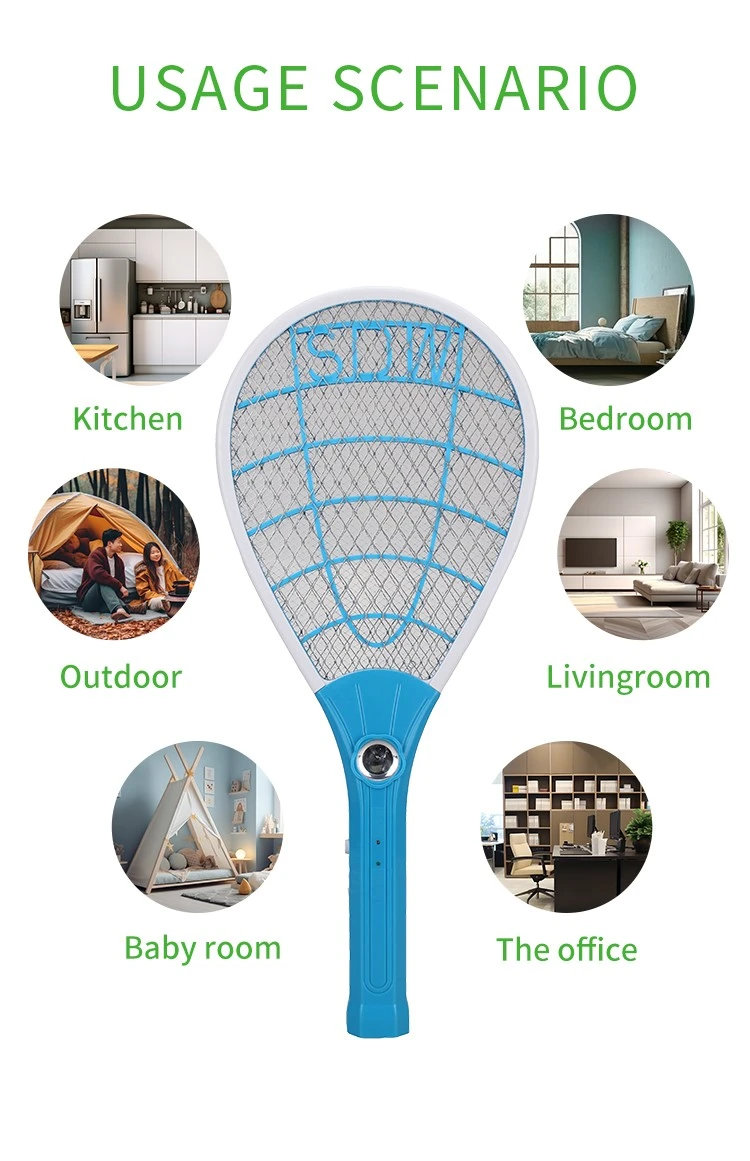
Most importers of electric mosquito swatters obsess over the first order: samples requested, factories vetted, a pre-shipment inspection booked. Then the reorder arrives eight months later and something is off. The grid feels softer. The charge port is a slightly different shade of black. The carton thickness dropped from 350 gsm to 300 gsm. Nothing is catastrophic — but the product no longer matches what your retail customers approved, and quietly, your return rate starts climbing.
How to Keep Mosquito Swatter Quality Consistent Across Repeat Orders
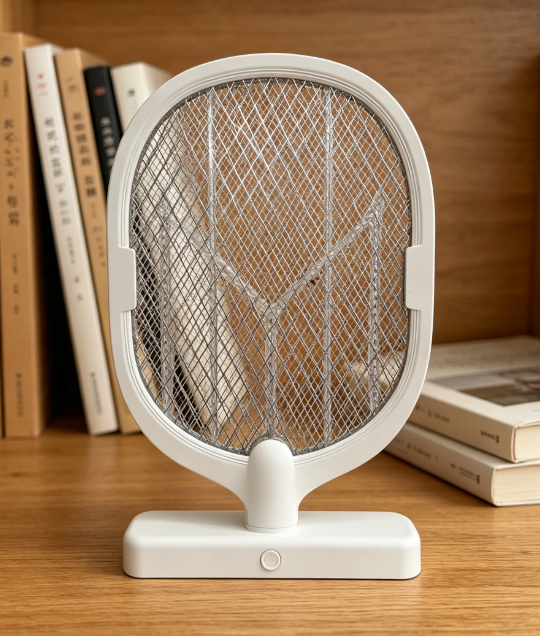
Warranty returns are the silent margin killer in the mosquito control category. A distributor who buys a swatter at $1.80 FOB and retails it at $9.90 can absorb a 1% return rate without noticing — but at 5%, the combined cost of replacement units, reverse logistics, and refund processing erases most of the line's profit.
Common mosquito swatter killer lamp failure modes wholesale spec guide

Digital bathroom scales rank as the second-highest-volume consumer weighing product category, only behind kitchen scales, with distinct market and product characteristics that set them apart from other scale types in importers’ product portfolios.
Digital bathroom body fat-bia-scale wholesale buyers guide