
Why Do Some Electric Mosquito Swatters Scratch Easily
2026-01-21
Why Do Some Electric Mosquito Swatters Scratch Easily? These Core Reasons Are Unavoidable
Every summer, electric mosquito swatters become a "mosquito-killing essential" in every household. They can eliminate mosquitoes efficiently without chemical residues, making them popular among people. However, many people encounter a problem: their newly bought electric mosquito swatters get covered in scratches on the mesh and handle shortly after use. These scratches not only affect the appearance but may also impair the operational stability as they accumulate. In fact, whether an electric mosquito swatter scratches easily is not accidental—it is closely related to material selection, structural design, usage scenarios, and other core factors.
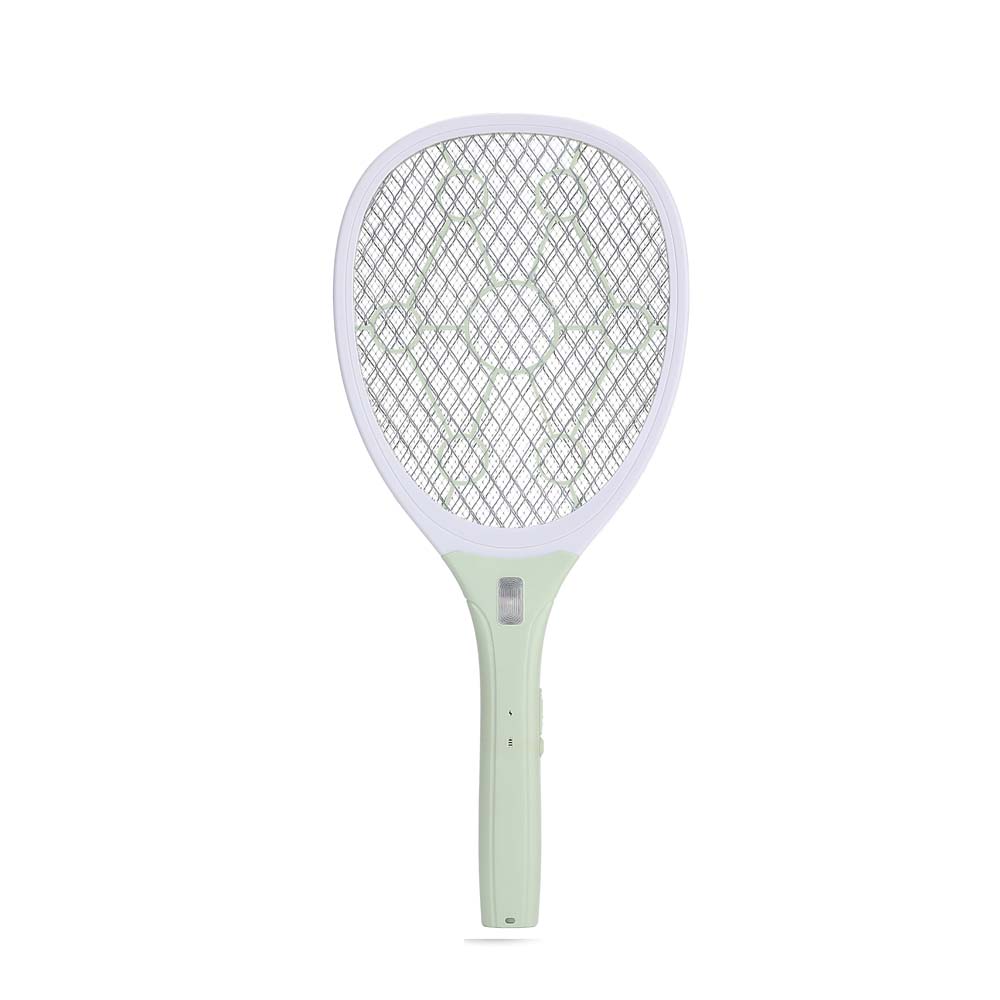
I. Core Reason: Material Is the Key Determinant of Scratch Resistance
Eighty percent of scratch issues with electric mosquito swatters stem from material differences. The price of electric mosquito swatters on the market ranges from a dozen yuan to over a hundred yuan, and the gap in material costs is directly reflected in scratch resistance.
To control costs, cheap electric mosquito swatters often use low-spec materials. For the mesh part, most affordable models adopt ordinary plastic threads or thin nylon mesh. This type of material has low hardness and poor wear resistance. In daily use, even slight collisions with walls, furniture edges, or when catching larger mosquitoes can leave scratches. In severe cases, the mesh may deform or break. In contrast, high-quality electric mosquito swatters usually use high-hardness ABS plastic mesh or stainless steel dense mesh, which have higher hardness and better wear resistance, effectively resisting minor daily friction and collisions.
There are also obvious material differences in the handle and body shell. Affordable models mostly use recycled plastic or ordinary PP plastic, with no special surface treatment—they feel rough and have weak scratch resistance. Even being placed in a pocket with keys and coins can cause scratches. On the other hand, mid-to-high-end models use food-grade ABS material, and some are treated with spray coating, frosted finish, or UV coating. This not only improves the hand feel but also forms a protective film, greatly enhancing scratch resistance.
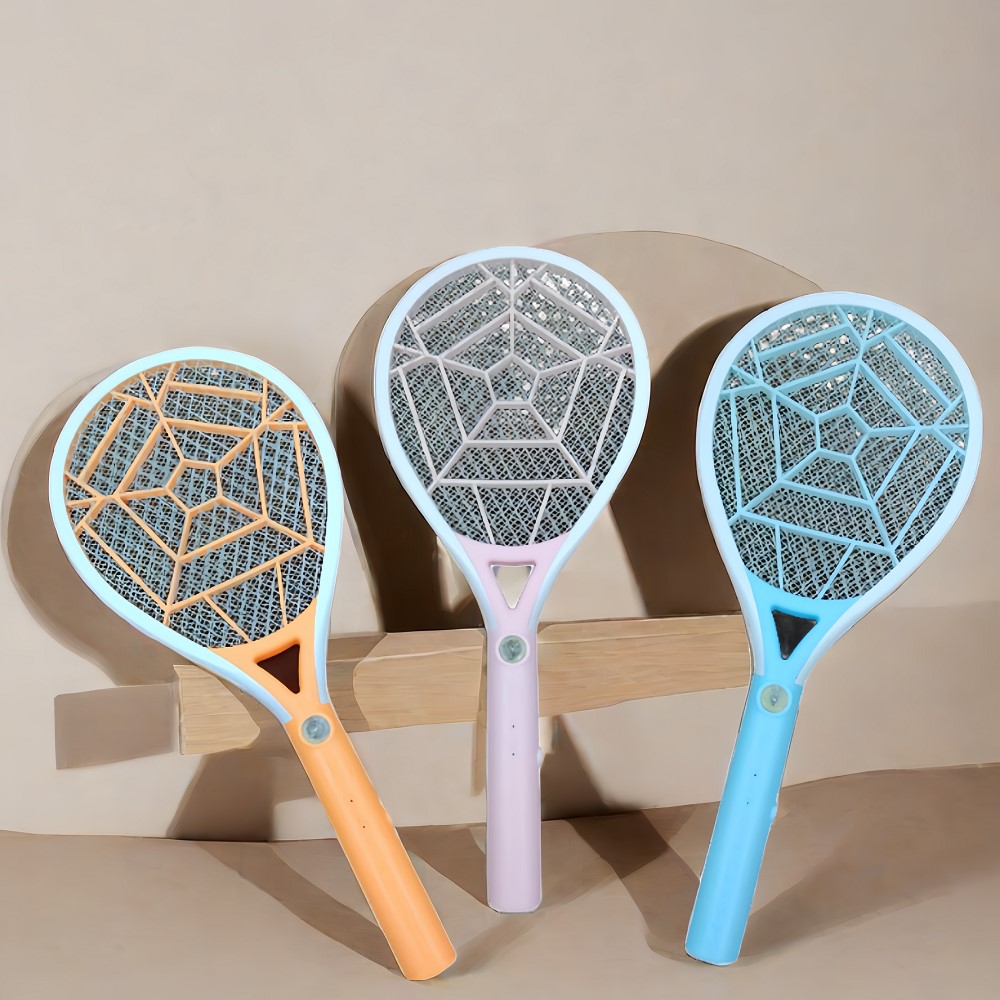
II. Structural Design Flaws: These Details Double the Scratch Probability
In addition to materials, unreasonable structural design also makes electric mosquito swatters more prone to scratches. Many manufacturers focus only on mosquito-killing effects during design but overlook protective details, leading to frequent scratches in use.
Exposed mesh without protection is a common problem. The electric grid of some mosquito swatters is directly exposed, with no rounded edge treatment, making it easy to hit doors, windows, walls, tables, chairs, and other objects during use. Especially when killing mosquitoes in dim environments with poor visibility, collision frequency increases, and scratches accumulate quickly. A reasonably designed electric mosquito swatter will add a protective frame outside the grid or adopt a concave mesh design, reducing the probability of the mesh directly contacting external objects and thus lowering the scratch risk.
In addition, the gap design at the body joints also has an impact. The body of cheap electric mosquito swatters is not tightly spliced, with large gaps. During use, fine debris such as dust and sand can easily enter the gaps. When held and moved or stored, these debris will rub against the internal body, causing invisible scratches inside, which will affect the body firmness in the long run.
III. Usage Scenarios and Storage Habits: Human Factors Accelerate Scratching
Scratching of electric mosquito swatters is also closely related to usage and storage methods. Even with high-quality materials, improper usage habits will accelerate scratch formation.
From the perspective of usage scenarios, using electric mosquito swatters in cluttered environments such as outdoors and balconies makes them more likely to come into contact with debris like dust, sand, and branches. These fine particles act like "sandpaper," rubbing against the mesh and body to leave subtle scratches. In contrast, the scratch probability is significantly lower when used in a clean indoor environment. In addition, some people wave the electric mosquito swatter too hard when killing mosquitoes or directly hit hard objects with the mesh, which can also damage the mesh and cause scratches.
The impact of storage habits cannot be ignored. Many people casually throw their electric mosquito swatters on sofas, coffee tables, or in drawers after use, mixing them with remote controls, scissors, mobile phones, and other items. The edges and corners of these items constantly rub against the surface of the electric mosquito swatter, leading to numerous scratches over time. The correct way is to store it separately or in a dedicated storage bag to avoid contact with other hard objects.
IV. Extra Reminder: Scratches Are Not Just Aesthetic Issues—They May Hide Hidden Dangers
Many people think that scratches on electric mosquito swatters only affect the appearance, but this is not the case. If the mesh has deep scratches or damage, it may cause grid deformation and poor contact, affecting mosquito-killing efficiency and even posing an electric leakage risk. If scratches on the body shell penetrate deep inside, they may expose internal circuits to humid environments, shortening the service life.
Therefore, when purchasing an electric mosquito swatter, it is recommended to prioritize models with stainless steel or high-hardness ABS mesh, a protective frame, and a wear-resistant coating on the body. Avoid hitting hard objects with force during use and store it separately. This can not only reduce scratching but also extend the service life of the electric mosquito swatter.
In short, the tendency of electric mosquito swatters to scratch easily is essentially the result of the combined effect of "material cost + design details + usage habits." Avoid cheap and low-quality models and do a good job in daily protection, and your electric mosquito swatter can not only kill mosquitoes efficiently but also maintain a clean appearance.
Do Mosquito Killer Lamp Lights Harm Eyes
Innovative Usage Scenarios of Electric Mosquito Swatters
Related Article

If you’re struggling with annoying mosquitoes, flies, and other flying pests indoors and outdoors, upgrading from traditional manual tools to anElectric Mosquito Swatter is the most efficient solution. Many homeowners and renters search where to buy fly swatter online to find durable, safe, and high-performance electric models that deliver instant pest control.
Where to Buy Fly Swatter
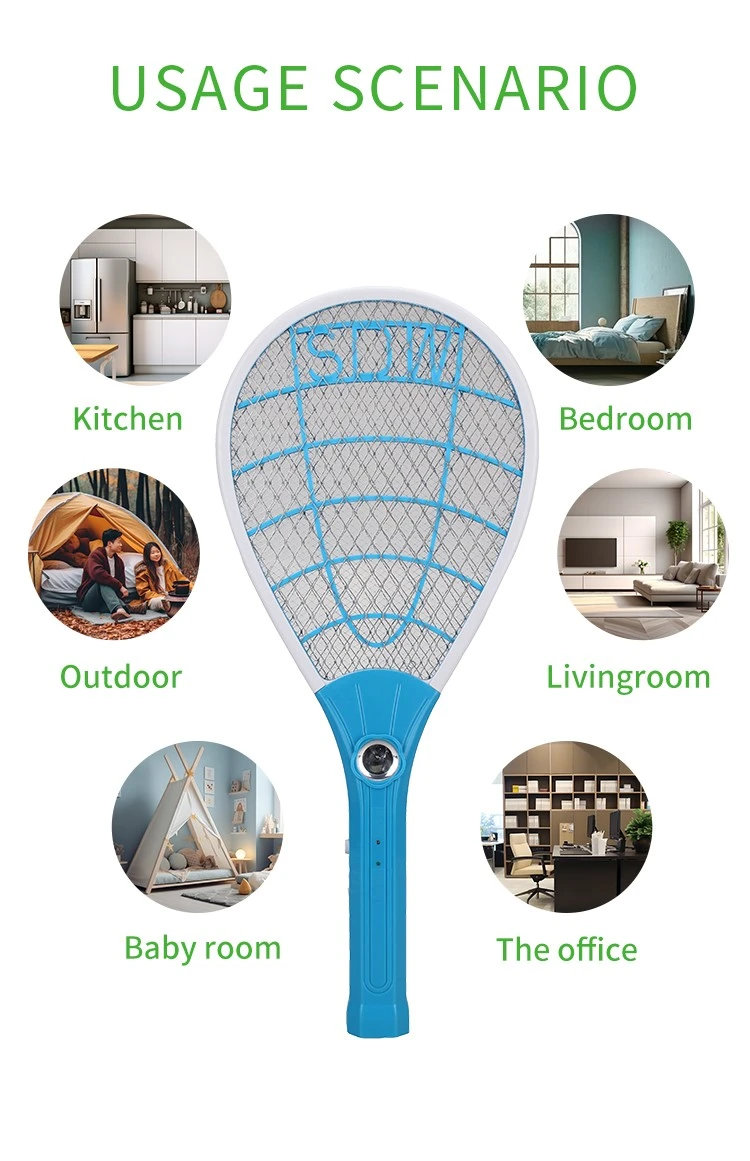
Most importers of electric mosquito swatters obsess over the first order: samples requested, factories vetted, a pre-shipment inspection booked. Then the reorder arrives eight months later and something is off. The grid feels softer. The charge port is a slightly different shade of black. The carton thickness dropped from 350 gsm to 300 gsm. Nothing is catastrophic — but the product no longer matches what your retail customers approved, and quietly, your return rate starts climbing.
How to Keep Mosquito Swatter Quality Consistent Across Repeat Orders
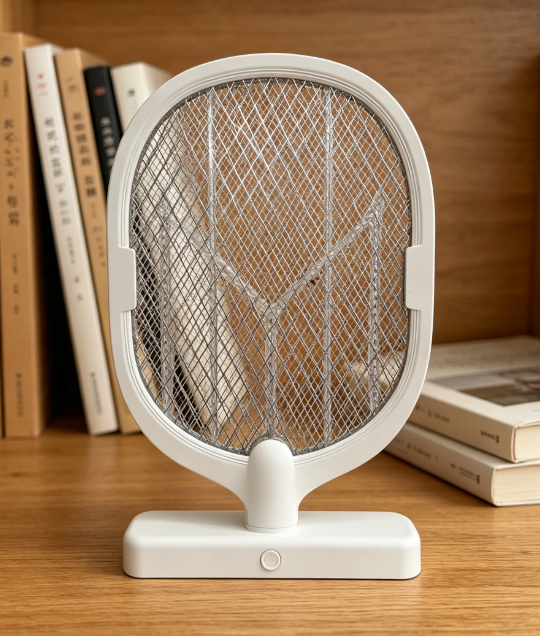
Warranty returns are the silent margin killer in the mosquito control category. A distributor who buys a swatter at $1.80 FOB and retails it at $9.90 can absorb a 1% return rate without noticing — but at 5%, the combined cost of replacement units, reverse logistics, and refund processing erases most of the line's profit.
Common mosquito swatter killer lamp failure modes wholesale spec guide

Digital bathroom scales rank as the second-highest-volume consumer weighing product category, only behind kitchen scales, with distinct market and product characteristics that set them apart from other scale types in importers’ product portfolios.
Digital bathroom body fat-bia-scale wholesale buyers guide