
Why Does It Itch When a Mosquito Bites
2026-04-21
Why Does It Itch When a Mosquito Bites? The Science Behind the Annoying Itch
We’ve all been there: a peaceful summer evening, a gentle breeze, and then—*itch*. You look down to find a tiny red bump, proof that a mosquito has made you its latest meal. But have you ever stopped to wonder: why does a mosquito bite itch so much? It’s not just a random annoyance—there’s actual science behind that persistent, scratchy feeling. Let’s break it down, step by step, to understand what’s happening under your skin when a mosquito takes a bite.
First: What Happens When a Mosquito Bites You?
Before we get to the itch, let’s clarify what a mosquito is actually doing when it lands on your skin. Contrary to popular belief, mosquitoes don’t “bite”—they pierce. Female mosquitoes (only females bite, by the way—males feed on plant nectar) have a sharp, tube-like mouthpart called a proboscis, which they use to puncture your skin and reach a blood vessel.
But here’s the key: mosquitoes don’t just suck your blood. As they feed, they inject a tiny amount of their own saliva into your skin. This saliva is a complex cocktail of molecules, and it’s the main culprit behind the itch. Mosquito saliva contains anticoagulants to keep your blood from clotting (so they can feed uninterrupted), vasodilators to widen your blood vessels and increase blood flow, and immunomodulators that try to suppress your immune system’s response—all to make their meal easier. Little do they know, this saliva is what triggers the annoying reaction we all hate.
The Real Reason for the Itch: Your Immune System Fights Back
Your body’s immune system is designed to protect you from foreign invaders—like bacteria, viruses, and yes, mosquito saliva. When the mosquito injects its saliva into your skin, your immune system immediately recognizes these foreign molecules as “not supposed to be here” and springs into action.
Histamine: The Itch Chemical
The star player in this reaction is a chemical called histamine. Your immune system releases histamine from specialized cells (called mast cells) in response to the mosquito’s saliva. Histamine has two main jobs here: first, it makes the blood vessels near the bite site widen (vasodilation), which brings more blood and immune cells to the area to fight off the “invader.” Second, it irritates the nerve endings in your skin—this irritation is what your brain perceives as itch.
Fun fact: The itch doesn’t always happen right away. Sometimes, you’ll feel a small prick when the mosquito bites, but the real itch kicks in hours later. That’s because your immune system takes time to activate and release enough histamine to trigger the sensation. This delayed reaction is why you might wake up with itchy bumps even if you didn’t notice any mosquitoes the night before.
Why Some Bites Itch More Than Others
Have you ever noticed that some mosquito bites are barely noticeable, while others swell up into big, super-itchy bumps? There are two main reasons for this:
1. Your immune system’s sensitivity: Everyone’s immune system is different. If you’re someone who reacts strongly to foreign substances, your body will release more histamine, leading to a bigger bump and more intense itch. Over time, if you get bitten often, your body might become desensitized to the mosquito’s saliva, so the reactions get milder.
2. The type of mosquito: Not all mosquitoes are the same. Some species (like the Aedes aegypti, or “yellow fever mosquito”) have saliva with more potent allergens than others. For example, the white-striped mosquito (Aedes albopictus) has over 15 types of allergens in its saliva, making its bites particularly itchy and swollen.
Why Scratching Makes It Worse (And What to Do Instead)
It’s almost impossible to resist scratching an itchy mosquito bite—but here’s why you should try: scratching breaks the skin, which can let bacteria in and cause an infection. Even worse, scratching stimulates your skin to release more histamine, creating a vicious cycle: itch → scratch → more itch → more scratch.
Simple Ways to Relieve the Itch
Instead of scratching, try these gentle, effective methods to soothe the irritation:
- Cold compress: Apply a cold towel or ice pack (wrapped in a cloth) to the bite for 10-15 minutes. The cold constricts blood vessels, reducing swelling and numbing the itch.
- Antihistamines: Over-the-counter antihistamine creams or oral medications block the effects of histamine, stopping the itch at its source.
- Oatmeal or baking soda: Mix oatmeal or baking soda with a little water to make a paste, then apply it to the bite. Both have anti-irritant properties that calm the skin.
- Aloe vera: The gel from an aloe vera plant has anti-inflammatory properties that soothe redness and itching.
Final Thoughts: Itch = Your Immune System Doing Its Job
Next time you’re scratching a mosquito bite, remember: that itch is a sign your body is working hard to protect you. The mosquito’s saliva is an unwelcome guest, and your immune system is kicking it out—histamine is just the messenger (even if it’s an annoying one).
While we can’t eliminate mosquitoes entirely, understanding why their bites itch can help us handle the irritation better. So next time you feel that familiar scratch, reach for a cold compress instead of your nails—and thank your immune system for having your back (or arm, or leg).
Is a Body Fat Scale a Waste of Money
Do Mosquito Lamps Kill Flies
Related Article

If you’re struggling with annoying mosquitoes, flies, and other flying pests indoors and outdoors, upgrading from traditional manual tools to anElectric Mosquito Swatter is the most efficient solution. Many homeowners and renters search where to buy fly swatter online to find durable, safe, and high-performance electric models that deliver instant pest control.
Where to Buy Fly Swatter
Most importers of electric mosquito swatters obsess over the first order: samples requested, factories vetted, a pre-shipment inspection booked. Then the reorder arrives eight months later and something is off. The grid feels softer. The charge port is a slightly different shade of black. The carton thickness dropped from 350 gsm to 300 gsm. Nothing is catastrophic — but the product no longer matches what your retail customers approved, and quietly, your return rate starts climbing.
How to Keep Mosquito Swatter Quality Consistent Across Repeat Orders
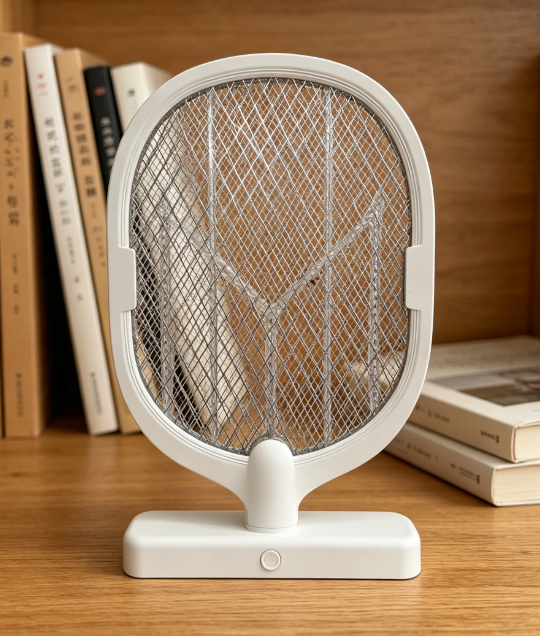
Warranty returns are the silent margin killer in the mosquito control category. A distributor who buys a swatter at $1.80 FOB and retails it at $9.90 can absorb a 1% return rate without noticing — but at 5%, the combined cost of replacement units, reverse logistics, and refund processing erases most of the line's profit.
Common mosquito swatter killer lamp failure modes wholesale spec guide

Digital bathroom scales rank as the second-highest-volume consumer weighing product category, only behind kitchen scales, with distinct market and product characteristics that set them apart from other scale types in importers’ product portfolios.
Digital bathroom body fat-bia-scale wholesale buyers guide