
Why does the bug zapper light appear dim
2025-07-09
Why does the bug zapper light appear dim
In both daily household use and outdoor camping scenarios, bug zappers and electric mosquito swatters are effective tools for dealing with mosquitoes. They usually rely on light to attract mosquitoes. However, many people find that the light of these devices sometimes becomes dim. Why is that? Let's explore in detail below.
Reasons for dim light in bug zappers
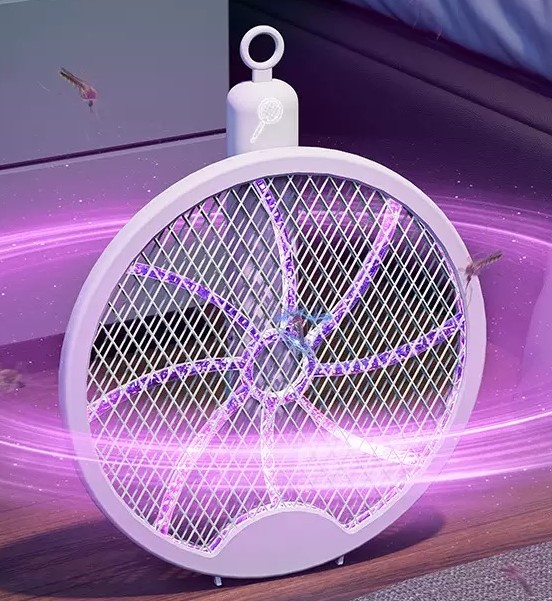
Bug zappers mainly attract mosquitoes through light of a specific wavelength and then eliminate them by means of electric shock. The dimness of their light may be caused by various factors.
Tube aging
The tube of a bug zapper has a certain service life. Most bug zappers use ultraviolet tubes. As the use time increases, the substances inside the tube will gradually wear out, and the luminous efficiency will decrease, making the light look darker and darker. Generally speaking, the service life of an ultraviolet tube is about several thousand hours. If it is used frequently, it is prone to aging.
Dust coverage
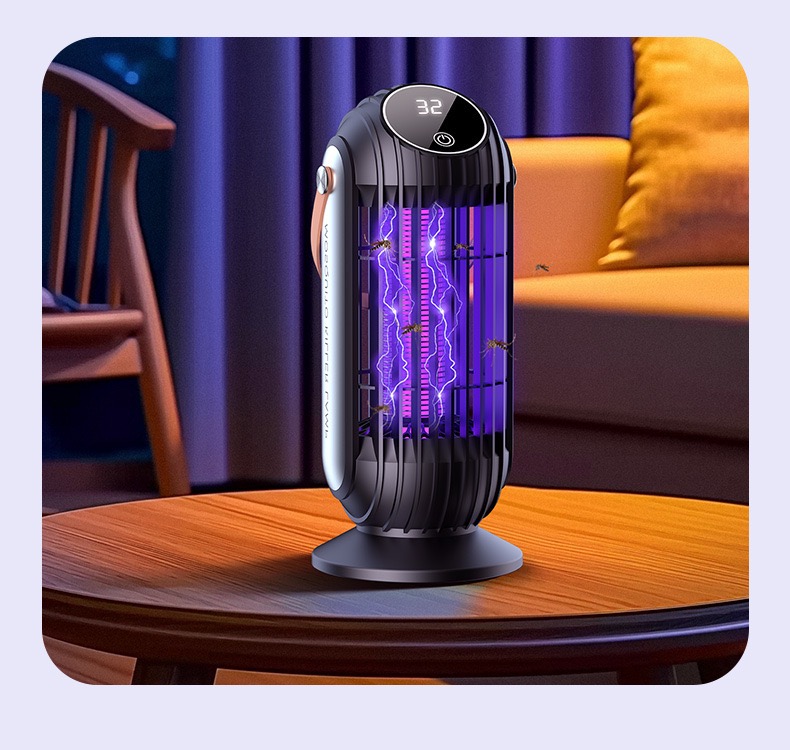
During use, the surface of the bug zapper's tube will inevitably accumulate dust, mosquito corpses and other debris. These things will block the emission of light, making the light look dim. This situation is more obvious especially in dirty environments.
Circuit problems
If there is a fault in the circuit part of the bug zapper, it may also cause the light to dim. For example, poor contact of the circuit will make the current supply unstable, and the tube cannot emit light normally; a damaged ballast cannot provide appropriate voltage and current for the tube, which in turn affects the brightness of the light.
Reasons for dim light in electric mosquito swatters
Electric mosquito swatters are powered by batteries and use the power grid to shock mosquitoes. At the same time, their built-in bulbs also play a role in attracting mosquitoes. The dimness of their light also has its own reasons.
Insufficient battery power
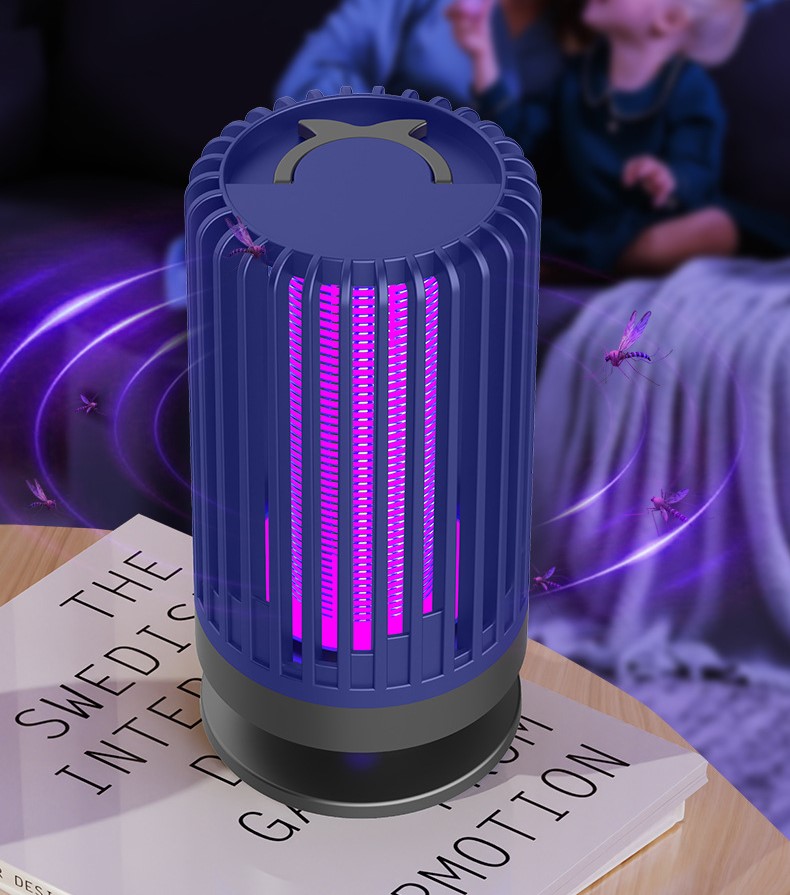
Electric mosquito swatters mainly rely on batteries for power. When the battery power is insufficient, not only will the electric shock intensity decrease, but the brightness of the bulb will also decrease significantly. This is because the battery cannot provide enough electricity for the bulb, causing the bulb to not emit light normally. For rechargeable batteries, it may be due to insufficient charging or battery aging leading to reduced storage capacity; for disposable batteries, it may be that the power is about to run out.
Bulb damage
Although the bulb of an electric mosquito swatter is small, it may be damaged. After long-term use, the filament of the bulb may break, or the internal components may be damaged, resulting in dim or even no light. In addition, frequent vibration or collision may also cause bulb damage.
Poor circuit contact
The structure of the electric mosquito swatter is relatively simple, but there is also the problem of poor circuit contact. For example, oxidation of the contact points between the battery and the electric mosquito swatter, loosening of the wire welding points, etc., will cause poor current transmission and affect the brightness of the bulb.
In conclusion, the dim light of bug zappers and electric mosquito swatters is caused by a variety of reasons. When encountering this situation, you can check according to the above analysis and take corresponding solutions for different reasons, such as replacing the tube, cleaning dust, replacing the battery, repairing the circuit, etc., to ensure that these mosquito control tools can function normally and create a mosquito-free environment for us.
What Kills Mosquitoes
What happen if you get hit with an electric fly swatter
Related Article

If you’re struggling with annoying mosquitoes, flies, and other flying pests indoors and outdoors, upgrading from traditional manual tools to anElectric Mosquito Swatter is the most efficient solution. Many homeowners and renters search where to buy fly swatter online to find durable, safe, and high-performance electric models that deliver instant pest control.
Where to Buy Fly Swatter
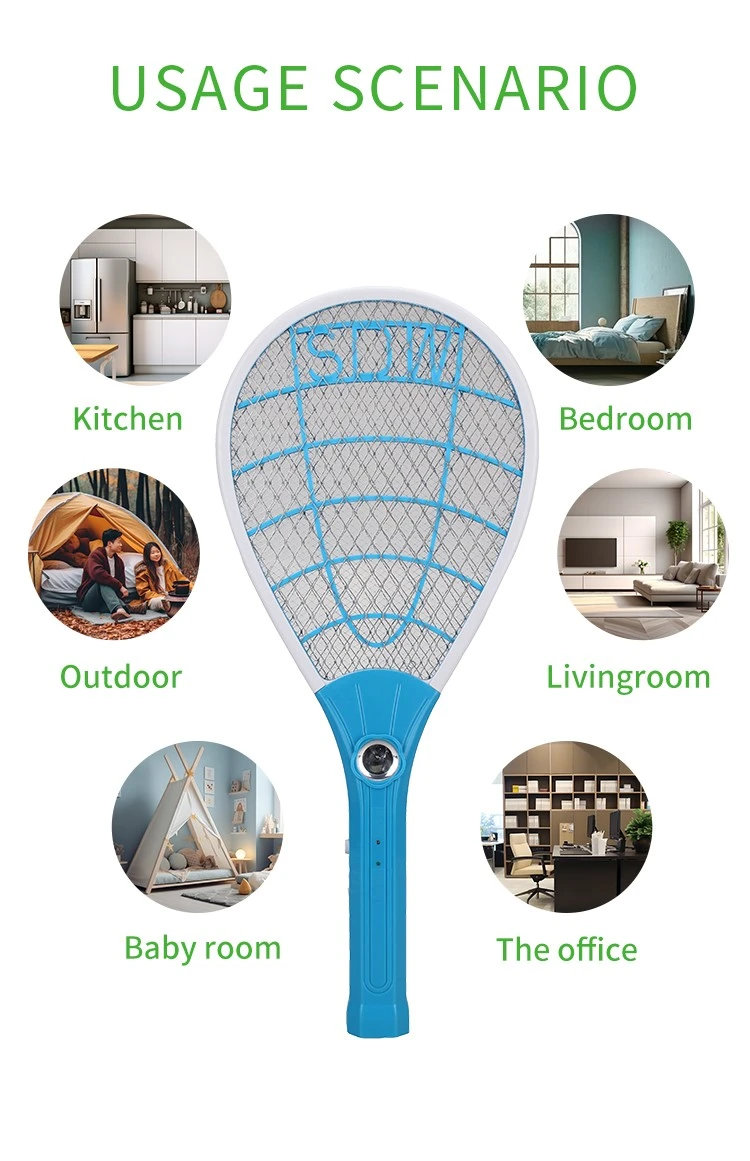
Most importers of electric mosquito swatters obsess over the first order: samples requested, factories vetted, a pre-shipment inspection booked. Then the reorder arrives eight months later and something is off. The grid feels softer. The charge port is a slightly different shade of black. The carton thickness dropped from 350 gsm to 300 gsm. Nothing is catastrophic — but the product no longer matches what your retail customers approved, and quietly, your return rate starts climbing.
How to Keep Mosquito Swatter Quality Consistent Across Repeat Orders
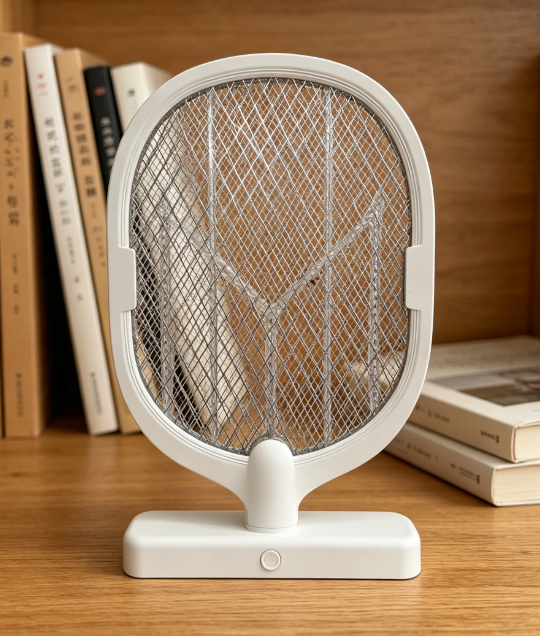
Warranty returns are the silent margin killer in the mosquito control category. A distributor who buys a swatter at $1.80 FOB and retails it at $9.90 can absorb a 1% return rate without noticing — but at 5%, the combined cost of replacement units, reverse logistics, and refund processing erases most of the line's profit.
Common mosquito swatter killer lamp failure modes wholesale spec guide

Digital bathroom scales rank as the second-highest-volume consumer weighing product category, only behind kitchen scales, with distinct market and product characteristics that set them apart from other scale types in importers’ product portfolios.
Digital bathroom body fat-bia-scale wholesale buyers guide