
Why Does Your Mosquito Killer Lamp Smell Burnt
2026-09-15
Why Does Your Mosquito Killer Lamp Smell Burnt? It’s Probably Not Broken!
Along with air conditioners and fans, mosquito killer lamps are essential household appliances in summer. They operate quietly with no harsh odor. Compared with mosquito coils and repellent liquids, they are safer and more friendly to the elderly, children, and people with sensitive skin and respiratory systems. However, many users encounter an awkward issue: a faint burnt smell emerges soon after turning on the lamp.
Most people will immediately wonder: Is the device burnt out? Could it cause electric leakage or a fire? Should I throw it away and buy a new one?
Actually, there is no need to panic. Over 90% of burnt smells from mosquito killer lamps are normal, while only a small number indicate potential faults. This article will fully explain the causes, helping you distinguish normal odors from dangerous warning smells and use the lamp safely all summer long.
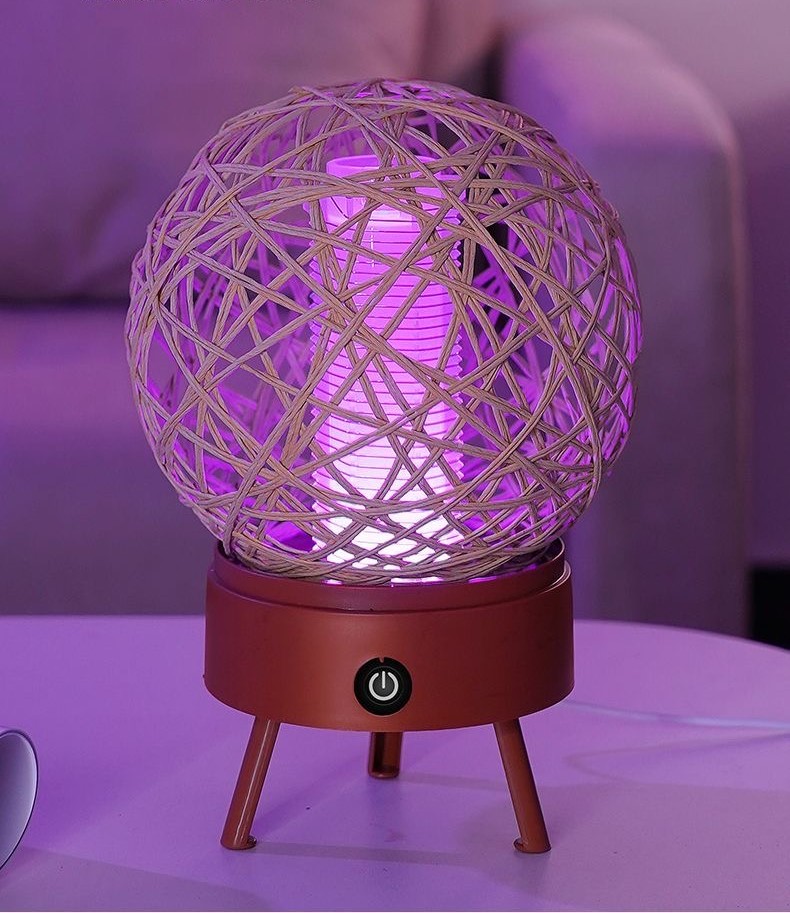
1. Where Does the Burnt Smell of Mosquito Killer Lamps Come From?
First, a key fact: mosquito killer lamps have no active heating function and do not generate high temperatures on their own. The burnt smell we detect is rarely from melted plastic parts of the device, but from external substances burned and baked by electricity.
1. Carbonization of electrocuted mosquitoes (the main cause)
Most mainstream mosquito killer lamps work on the principle ofUV light attraction + high-voltage electric grid killing. Lured by the ultraviolet light, mosquitoes approach the lamp and get electrocuted the moment they touch the high-voltage grid.
This instantaneous electric shock produces brief high heat, which rapidly dehydrates and carbonizes the mosquitoes’ bodies, wings and bodily fluids — just like burning tiny debris. The accumulated residues create a noticeable burnt odor.
The smell becomes more obvious on nights with many mosquitoes, as dozens of insects are killed. This is a completely normal working phenomenon and harmless to the human body.
2. Volatile plastic odor from new devices (fades after several uses)
Brand-new mosquito killer lamps tend to emit a faint burnt or stuffy plastic smell during the first 3 to 5 uses.
During production, tiny amounts of volatile substances remain on the plastic shell, internal insulating coatings and fixing adhesives. When the lamp is powered on for the first time, slight temperature rise volatilizes these residual substances, creating a temporary odor.
This smell will gradually fade and disappear completely after about a week of continuous use, with no impact on product quality.
3. Baked dust and grime worsens the burnt odor
After long-term placement, dust, hair, lint and residual mosquito debris will accumulate in the gaps of the electric grid, UV lamp and mosquito storage box.
Every time the lamp works, these accumulated impurities are baked continuously. Over time, the mild burnt smell intensifies into a pungent odor, which is the key reason for strong odors from uncleaned mosquito killer lamps.
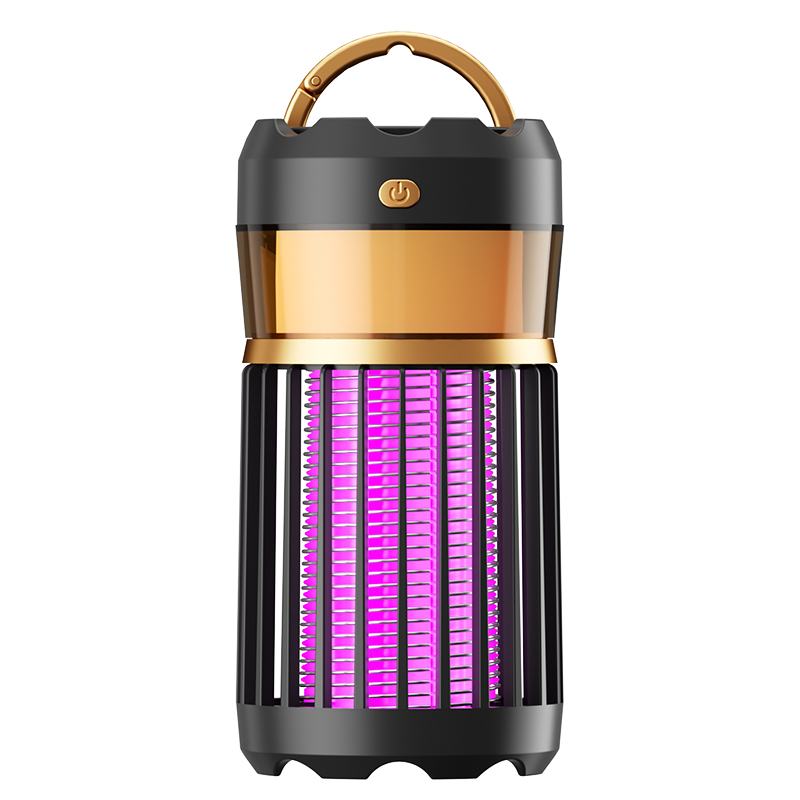
2. Key Distinction: Normal Odors vs. Dangerous Fault Odors
While most burnt smells are harmless, special pungent odors are early fault warnings. It is necessary to stop using the device in time to avoid safety hazards. You can easily tell the difference with the following standards.
1. Harmless normal odors
The smell is faint and non-irritating, only noticeable close to the lamp and dissipates quickly with ventilation. The device shell remains at a normal temperature without overheating, smoking or abnormal noise. You can use the lamp safely in this case.
2. Alarming fault odors
The smell is strong and choking, spreading throughout the room. It is usually accompanied by overheating shell, slight smoking, buzzing static noise and flickering unstable light.
These symptoms mainly result from two faults. First, thick accumulated mosquito debris and dust stick to the positive and negative poles of the electric grid, causing persistent micro short circuits and overheating. Second, internal wires and circuit boards age and burn out when powered on. Please power off and stop using the device immediately once these problems occur.
3. 3 Simple Tips to Eliminate the Burnt Smell
You don’t need to replace your lamp frequently for an odor-free and durable experience. Daily maintenance is enough, and the operations are beginner-friendly.
1. Clean regularly to eliminate odors from the source
It is recommended to clean the lamp once a week after powering it off. Empty the mosquito storage box, and gently brush off dust and lint on the grid and lamp with a dry brush. Always wait 5 minutes after powering off before cleaning to release residual high voltage and avoid electric shock.
2. Pre-ventilate new lamps before formal use
For new mosquito killer lamps, run them in a ventilated area for 2 to 3 hours for the first use to fully volatilize residual plastic odors, ensuring odor-free indoor use afterward.
3. Keep the lamp away from fabrics and flammables
Place the lamp far away from curtains, bed sheets, paper towels, hair and other light debris. This prevents foreign matter from falling into the device and being baked or burned, avoiding intense odors and potential fire risks.
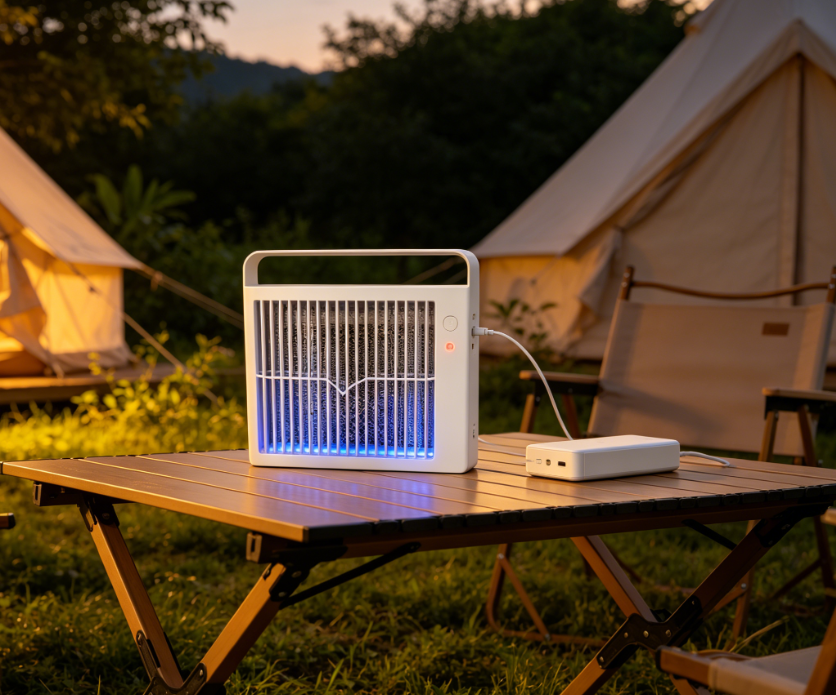
4. Final Summary
No more worrying about the burnt smell of mosquito killer lamps! Faint burnt odors come from mosquito carbonization, new material volatilization and baked dust, which are non-toxic and normal. Only choking smoke, overheating, smoking and abnormal flickering indicate faults that require timely inspection and shutdown.
With regular cleaning and proper placement, your mosquito killer lamp can work efficiently and odor-free, bringing you a comfortable mosquito-free summer!
Dengue Outbreaks and Mosquito Control Product Demand
Related Article
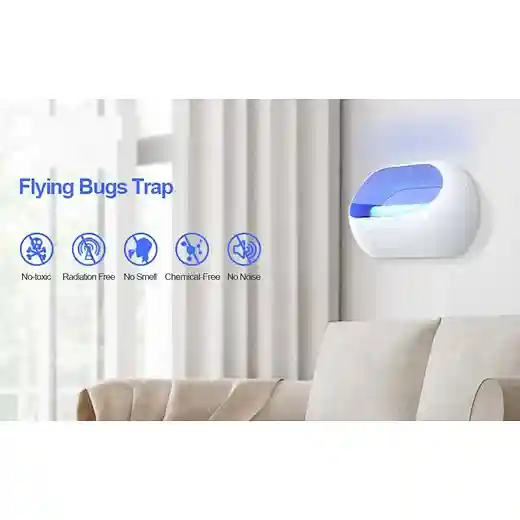
The World Health Organization reported an estimated 14.5 million cases in 2024, following roughly 6.5 million in 2023, marking the two highest annual totals on record. For distributors of electric mosquito swatters and mosquito killer lamps, this carries critical commercial implications: public health campaigns, retail reorders, and consumer panic buying all converge within narrow time windows.
Dengue Outbreaks and Mosquito Control Product Demand
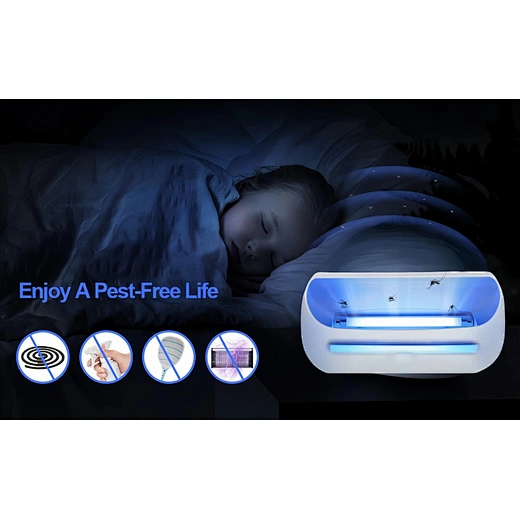
Mosquitoes rampage every summer, and mosquito incense is a must-have household mosquito repellent. As a traditional insect-repellent tool, coil mosquito incense, electric mosquito repellent tablets, and electric mosquito repellent liquids are widely used in most families. Their core active ingredient is usually pyrethroids.
Is Mosquito Incense Effective
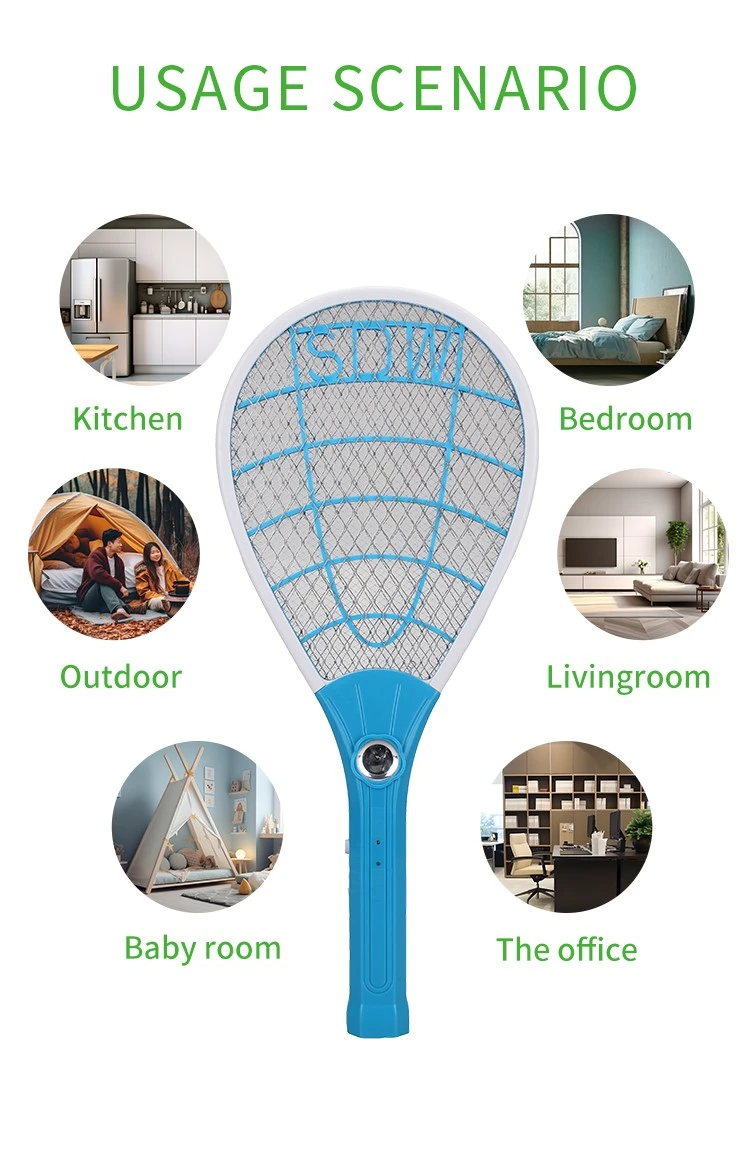
Chinese OEM factories can easily print your custom logo on mosquito swatter handles, but they cannot secure legal trademark registration for your brand. This critical distinction — a registered legal trademark versus a mere printed logo — separates ordinary wholesale importers from legitimate brand owners. In 2026, this gap brings tangible business consequences across major global sales and customs platforms.
How to Register and Defend Your Mosquito Swatter Brand in 2026

Mosquitoes are one of the most common and annoying pests worldwide. Their constant buzzing and painful bites ruin outdoor activities, disturb rest, and even pose health risks by spreading infectious diseases. Most people only notice mosquitoes when they get bitten, yet few understand why certain areas are packed with far more mosquitoes than others. Mosquito survival and reproduction rely on three core conditions: stagnant water, high humidity, and shaded, windless environments.
Where Do Mosquitoes Thrive the Most