
Why Electric Mosquito Swatters Are Healthier
2026-04-06
Chemical-Free Pest Control: Why Electric Mosquito Swatters Are Healthier
As summer approaches, mosquitoes become an unavoidable annoyance, disrupting our sleep, outdoor activities, and even posing health risks by transmitting diseases. While many turn to chemical-based pest control products like mosquito coils, sprays, or electric mosquito repellents to fight back, these solutions often come with hidden health costs. In this blog, we’ll explore why electric mosquito swatters stand out as a safer, chemical-free alternative—and why they’re the healthier choice for you and your family.
The Hidden Risks of Chemical Mosquito Control
Most conventional mosquito control methods rely on chemical ingredients to kill or repel mosquitoes, but these substances can harm more than just pests. Common chemicals like pyrethroids, the active ingredient in many mosquito coils and sprays, are classified as low-toxic, but long-term or improper exposure can lead to a range of health issues.
For starters, chemical mosquito products release fumes or residues that are inhaled or absorbed by the body. Studies have shown that pyrethroids can cause respiratory irritation, headaches, and dizziness in adults, and they may pose greater risks to vulnerable groups such as infants, pregnant women, and people with liver or respiratory conditions. Infants, with their underdeveloped immune systems and organs, are particularly susceptible to the potential liver toxicity of these chemicals, as their bodies struggle to metabolize them effectively.
Additionally, chemical sprays and coils often leave residues on surfaces like furniture, bedding, and food preparation areas. Accidental ingestion—especially by curious children—can lead to acute poisoning, with symptoms ranging from nausea to severe organ damage, and in extreme cases, even death. These products also harm the environment, contaminating soil and water and endangering beneficial insects like bees and butterflies.
How Electric Mosquito Swatters Work: Physical Pest Control at Its Best
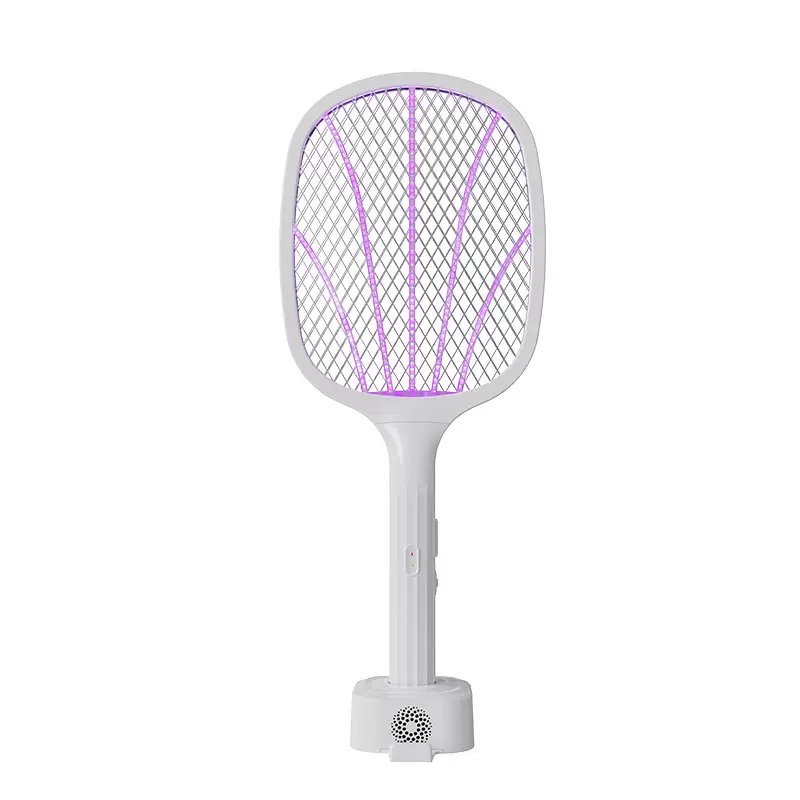
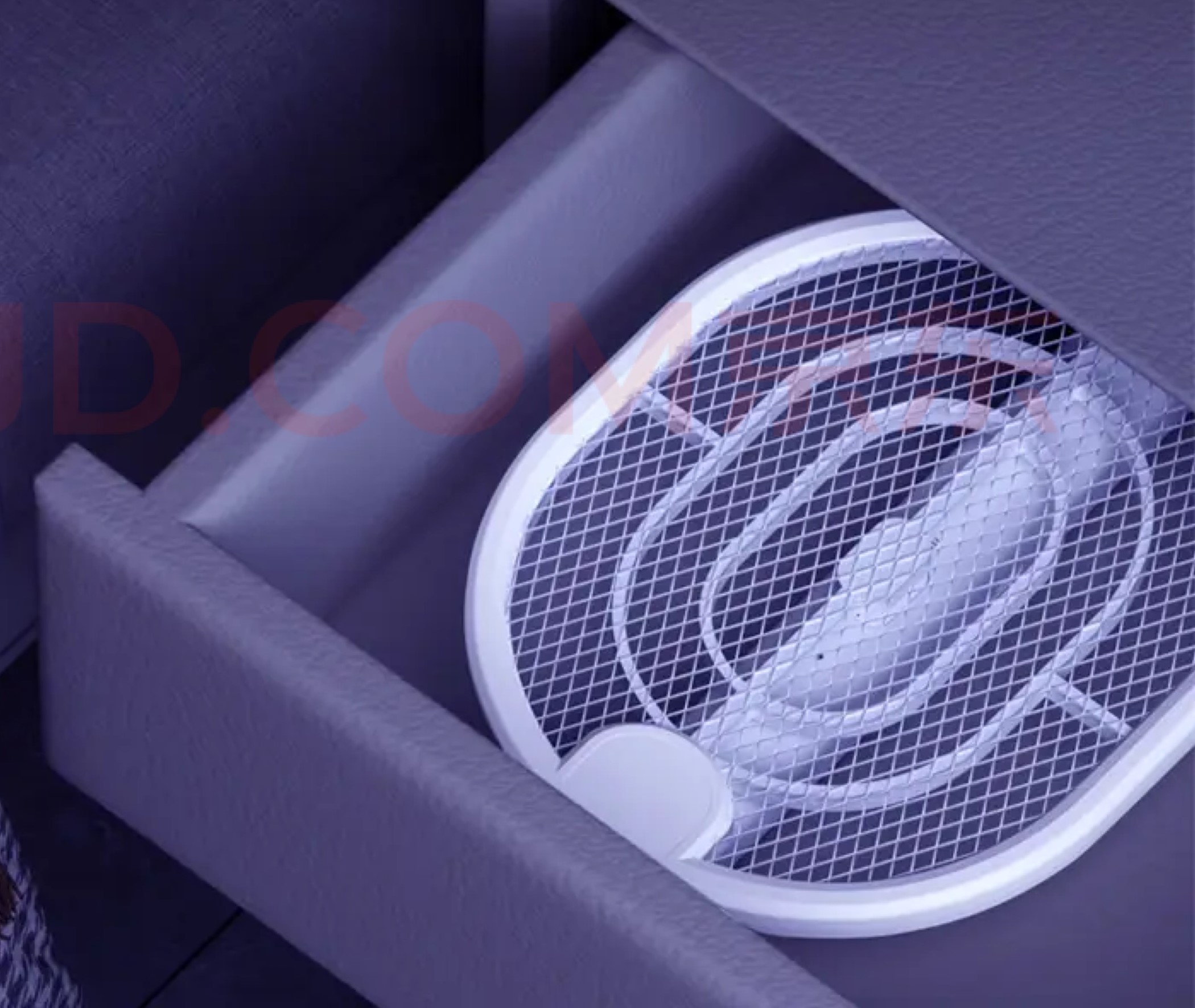
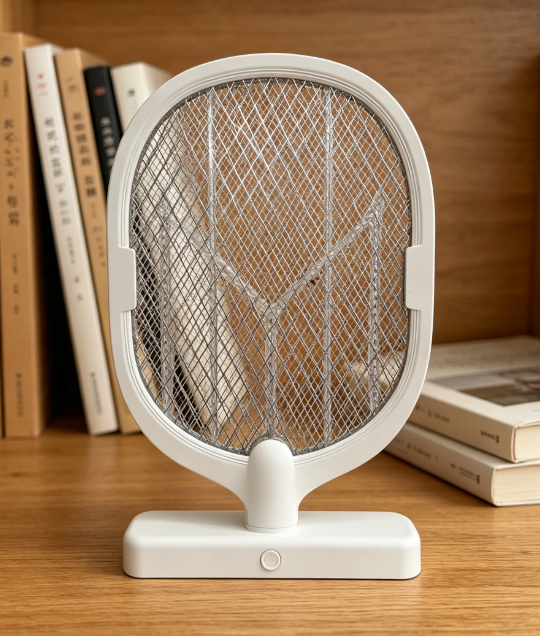
Unlike chemical products, electric mosquito swatters use physical means to eliminate mosquitoes—no toxic ingredients, no fumes, no residues. The science behind them is simple yet effective: these devices use a rechargeable battery to power a high-voltage circuit, which creates an electric grid on the swatter’s surface.
When a mosquito comes into contact with the grid, the high voltage (usually around 1850V to 2500V) creates a short circuit, instantly killing the insect with a harmless spark. Importantly, while the voltage is high, the current is extremely low (typically less than 10 milliamps), so it only affects small insects and is safe for humans—at most, a accidental touch might cause a mild tingle, but no serious harm.
Many electric swatters also feature a three-layer grid design, with outer layers that prevent accidental contact with the high-voltage inner grid, adding an extra layer of safety. Some models even generate small amounts of negative ions, which can help purify the air and kill bacteria, adding an extra health benefit beyond pest control.
The Health Advantages of Electric Mosquito Swatters
The biggest advantage of electric mosquito swatters is their complete lack of chemicals, making them a healthier choice for every household. Here’s why they outperform chemical alternatives:
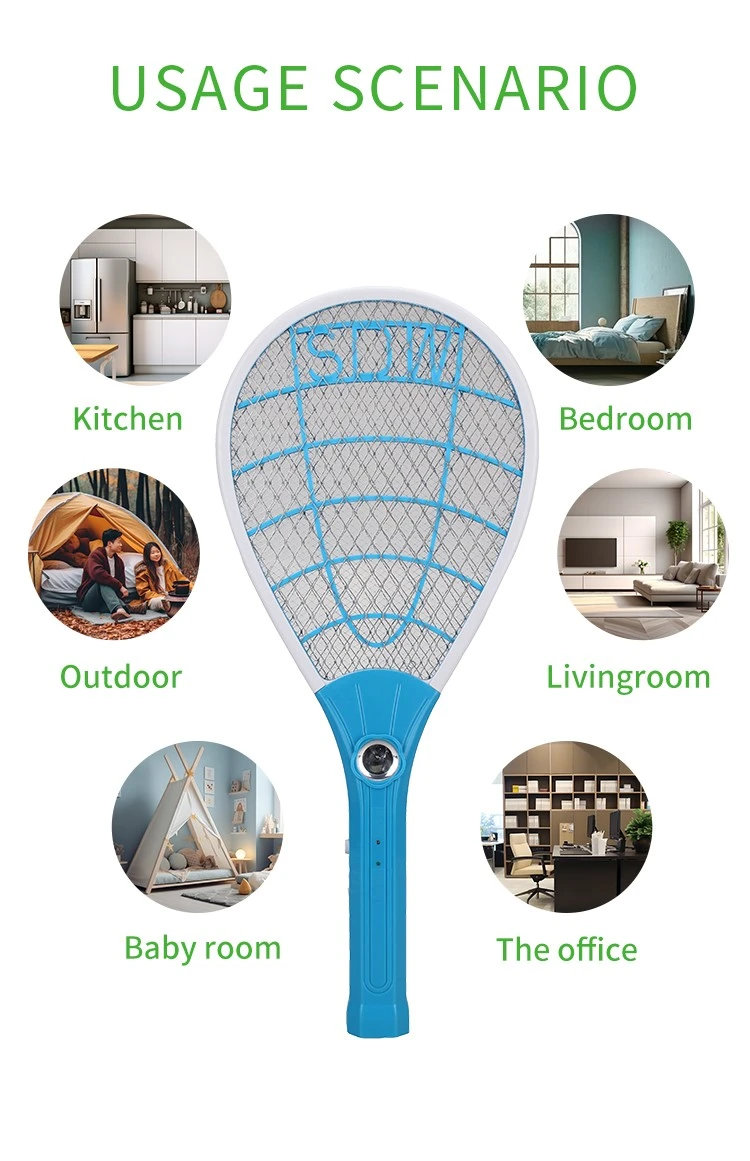
First, they produce no harmful fumes or residues. You can use them indoors, even in bedrooms or nurseries, without worrying about inhaling toxic chemicals or contaminating surfaces. This is especially crucial for families with infants, pregnant women, or people with allergies, asthma, or liver conditions, who are more sensitive to chemical exposure.
Second, they are safe for the environment. Unlike chemical sprays that leach into soil and water, electric swatters leave no ecological footprint—they simply eliminate mosquitoes without harming other organisms. They’re also reusable, reducing waste compared to single-use chemical products like mosquito coils or disposable sprays.
Third, they offer immediate, targeted results. Unlike chemical repellents that require time to take effect or leave you exposed to mosquitoes while the product works, electric swatters kill mosquitoes on contact. The satisfying “crackle” sound when a mosquito is zapped also lets you know the job is done, providing instant peace of mind.
Safety Tips for Using Electric Mosquito Swatters
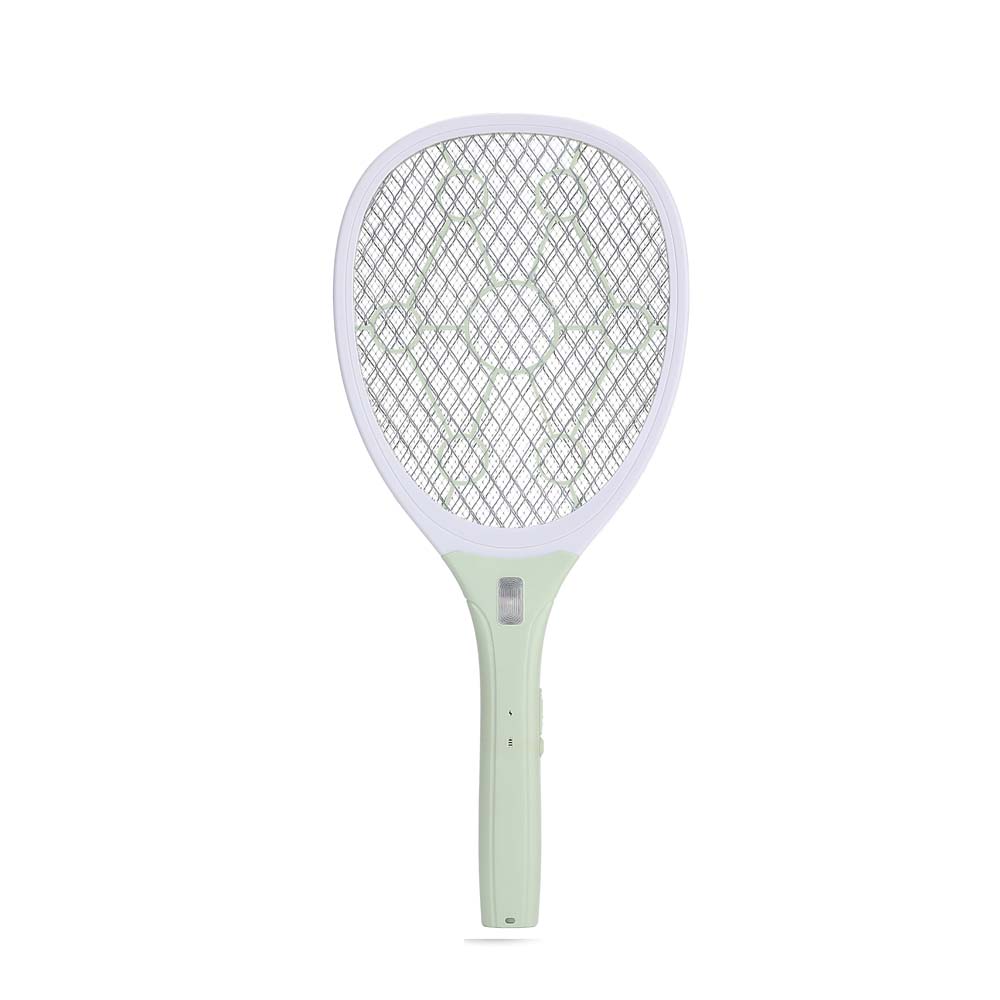
While electric mosquito swatters are safer than chemical products, proper use is key to ensuring they remain hazard-free. Follow these simple tips:
1. Choose a reputable brand: Avoid “three-no” products (no brand name, no production date, no safety certification). Look for swatters with clear safety warnings and a sturdy, high-quality handle made of engineering plastic.
2. Avoid flammable substances: Never use electric swatters near insecticides, mosquito coils, or花露水 (perfumed water), as the spark from the swatter can ignite these flammable products and cause explosions or fires.
3. Use with caution around children and pets: Keep swatters out of reach of young children, as they are not toys. Avoid touching the grid while the device is turned on, and never let children operate it alone.
4. Proper maintenance: Do not wash the swatter with water—use a dry cloth or small brush to clean mosquito remains. When charging, keep it away from flammable items and do not overcharge (usually 3-5 hours is sufficient) to avoid battery damage or fire risks.
In a world where we’re increasingly mindful of our health and the environment, chemical-free pest control is more important than ever. Electric mosquito swatters offer a simple, effective, and healthy solution to keep mosquitoes at bay—no toxic chemicals, no hidden risks, just safe, immediate protection for you and your loved ones. This summer, make the switch to electric mosquito swatters and enjoy a mosquito-free season without compromising your health.
Are UV Mosquito Killers Safe for Families with Kids
Complete Guide to Mosquito and Insect Prevention for Qingming Travel
Related Article

If you’re struggling with annoying mosquitoes, flies, and other flying pests indoors and outdoors, upgrading from traditional manual tools to anElectric Mosquito Swatter is the most efficient solution. Many homeowners and renters search where to buy fly swatter online to find durable, safe, and high-performance electric models that deliver instant pest control.
Where to Buy Fly Swatter
Most importers of electric mosquito swatters obsess over the first order: samples requested, factories vetted, a pre-shipment inspection booked. Then the reorder arrives eight months later and something is off. The grid feels softer. The charge port is a slightly different shade of black. The carton thickness dropped from 350 gsm to 300 gsm. Nothing is catastrophic — but the product no longer matches what your retail customers approved, and quietly, your return rate starts climbing.
How to Keep Mosquito Swatter Quality Consistent Across Repeat Orders
Warranty returns are the silent margin killer in the mosquito control category. A distributor who buys a swatter at $1.80 FOB and retails it at $9.90 can absorb a 1% return rate without noticing — but at 5%, the combined cost of replacement units, reverse logistics, and refund processing erases most of the line's profit.
Common mosquito swatter killer lamp failure modes wholesale spec guide

Digital bathroom scales rank as the second-highest-volume consumer weighing product category, only behind kitchen scales, with distinct market and product characteristics that set them apart from other scale types in importers’ product portfolios.
Digital bathroom body fat-bia-scale wholesale buyers guide