
Why Is It Forbidden to Use Mosquito Swatters and Any Sprays Simultaneously
2025-08-28
Warning! Why Is It Forbidden to Use Mosquito Swatters and Any Sprays Simultaneously?
When mosquitoes run rampant in summer, electric mosquito swatters and insecticide sprays become "mosquito-fighting essentials" for many households. The former kills mosquitoes instantly with high-voltage current, while the latter eliminates pests quickly using chemical components. Both work efficiently to solve mosquito problems when used alone. However, did you know that using an electric mosquito swatter and any spray (especially insecticide sprays, air fresheners, alcohol sprays, etc.) at the same time is equivalent to planting a "bomb" that could detonate at any moment nearby? The hidden safety risks are far more terrifying than you might imagine.
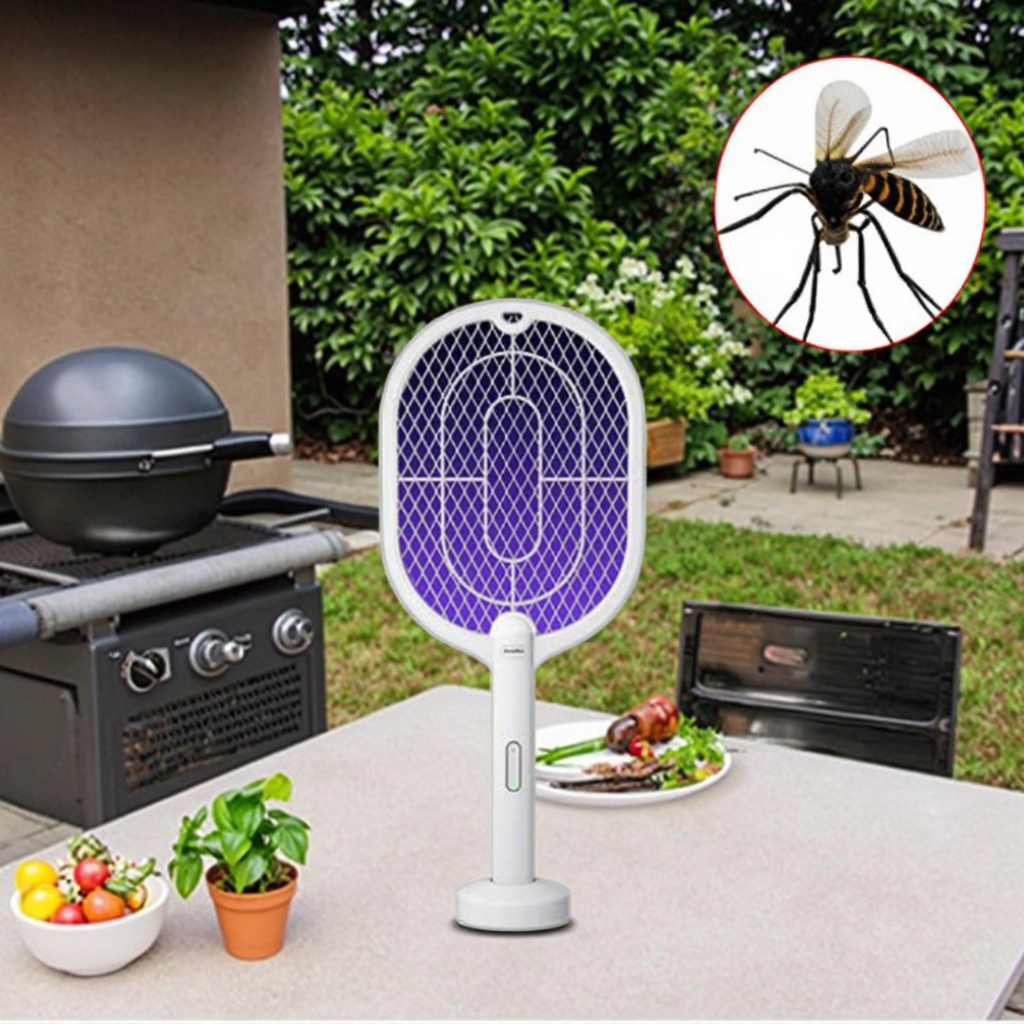
I. First, Understand the "Dangerous Properties" of Mosquito Swatters and Sprays
To figure out why they cannot be used together, we first need to break down their respective "characteristics"—it is the combination of these traits that creates safety hazards.
From the perspective of electric mosquito swatters: Their core working principle is to generate high-voltage current ranging from 1000V to 3000V (some high-power models have even higher voltage) through internal circuits. When a mosquito touches the metal grid on the swatter’s surface, the current breaks down the air to form an electric spark, burning the mosquito to death instantly. During this process, the swatter’s surface continuously produces high-temperature electric sparks, and the temperature of these sparks is high enough to ignite many flammable substances.
As for the various sprays we commonly use—whether insecticide sprays, mosquito repellent lotions, alcohol disinfectant sprays, or air fresheners—most of them contain flammable solvents (such as ethanol, propane, butane, kerosene, etc.). Under pressure filling technology, these solvents disperse in the air in the form of "tiny droplets," forming flammable and explosive aerosols. Simply put, the air at this point is like floating with countless "tiny sparks"; all it takes is a little high temperature or an electric spark to trigger a violent reaction.
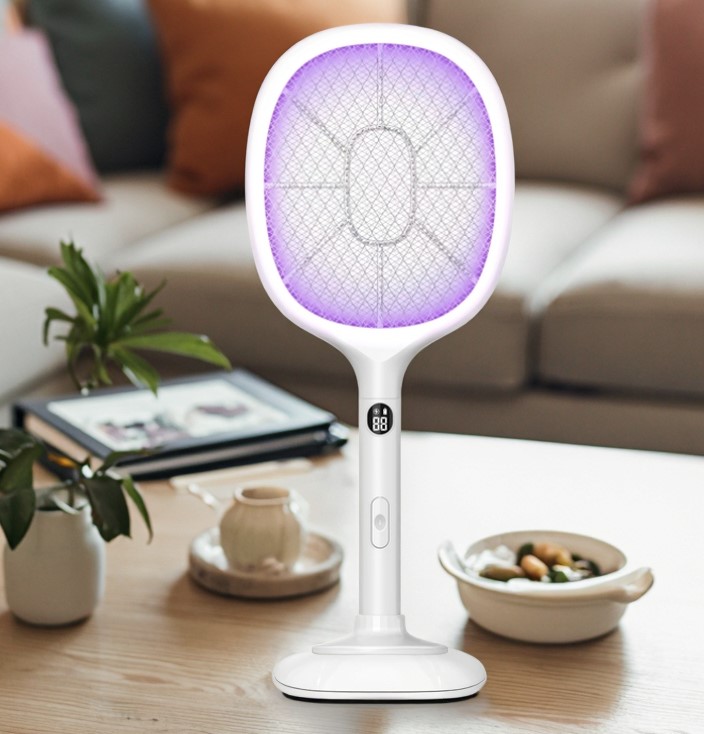
II. 3 Fatal Risks of Simultaneous Use—Each Could Lead to Accidents
When the "high-temperature electric sparks" from the mosquito swatter meet the "flammable aerosols" from the spray, dangers can erupt in multiple forms, and each may cause serious harm to humans and households.
Risk 1: Instant Deflagration and Fire
This is the most common and direct danger. When you spray at mosquitoes while waving the electric swatter, the flammable aerosols dispersed in the air will quickly come into contact with the electric sparks from the swatter, triggering instant deflagration. If there are flammable items nearby (such as curtains, sofas, clothes), the deflagration will immediately escalate into a fire, which can engulf the entire room in just a few minutes, leaving very little escape time.
Risk 2: Chemical Burns, Poisoning, and Respiratory Damage
Some sprays (e.g., insecticide sprays) contain toxic chemical components. When used normally, as long as ventilation is maintained and direct contact is avoided, their impact on the human body is minimal. However, once they come into contact with the high temperature of the mosquito swatter, these chemicals may undergo chemical decomposition, producing more corrosive gases (such as hydrogen chloride, nitrogen oxides, etc.). These gases not only irritate the eyes and skin, causing redness and burns, but also are inhaled into the respiratory tract, triggering coughing and difficulty breathing. In severe cases, they may even damage the lungs and cause chemical pneumonia.
Risk 3: High-Voltage Electric Shock, Endangering Personal Safety
Although the current of electric mosquito swatters is relatively small—normally only fatal to mosquitoes and causing a weak electric shock sensation to humans—if spray liquid accidentally adheres to the metal grid of the swatter, it may alter the swatter’s circuit state and cause high-voltage leakage. If you touch the grid with your hand at this time, or if the spray liquid flows down the swatter’s handle to your hand, it may trigger a stronger electric shock. Especially for the elderly, children, or people with sensitive skin, this could lead to dangerous situations such as electric shock-induced fainting.
III. Correct Usage Guide: Avoid Risks and Repel Mosquitoes Safely
Given the high risks of using mosquito swatters and sprays together, how should we properly repel mosquitoes in daily life?
First, use them separately with an interval of at least 30 minutes. If you need to use a spray (e.g., insecticide spray), close the doors and windows first, spray evenly in the room, then immediately leave and close the door to let the spray work in a sealed environment. After 30 minutes, open the doors and windows for ventilation; only when the spray odor in the air has completely dissipated should you use the electric mosquito swatter to clean up remaining mosquitoes. Conversely, if you use the swatter first, turn off the power and place it in a dry place after use, then follow the above steps to use the spray.
Second, choose "flame-free" mosquito-repellent tools for combination use. If you are worried about the risks of sprays, you can pair electric mosquito swatters with physical mosquito-repellent methods—such as installing screen windows, using mosquito traps (choose flame-free, low-voltage models), or placing mosquito-repellent plants (e.g., citronella). This not only reduces the use of chemicals but also avoids the risk of deflagration.
Finally, regularly check the condition of the mosquito swatter to avoid aging hazards. After long-term use, electric mosquito swatters may develop problems such as loose metal grids, exposed wires, or faulty switches—all of which increase the risk of electric spark leakage and current leakage. It is recommended to check the swatter every 3 months and replace it promptly if any damage is found.
The core of summer mosquito repellent is "safety," not "convenience." The combination of electric mosquito swatters and sprays may seem to "double the mosquito-killing effect," but in reality, it puts yourself and your family in danger. Remember: Under no circumstances should "high-temperature electric sparks" and "flammable sprays" come into contact. This is not only responsible for yourself but also a protection for your family’s safety. Don’t let a small mosquito problem turn into an irreversible accident.
Mosquitoes Prefer to Bite These Groups of People
What You Must Know About Mosquito-Borne Diseases
Related Article

If you’re struggling with annoying mosquitoes, flies, and other flying pests indoors and outdoors, upgrading from traditional manual tools to anElectric Mosquito Swatter is the most efficient solution. Many homeowners and renters search where to buy fly swatter online to find durable, safe, and high-performance electric models that deliver instant pest control.
Where to Buy Fly Swatter
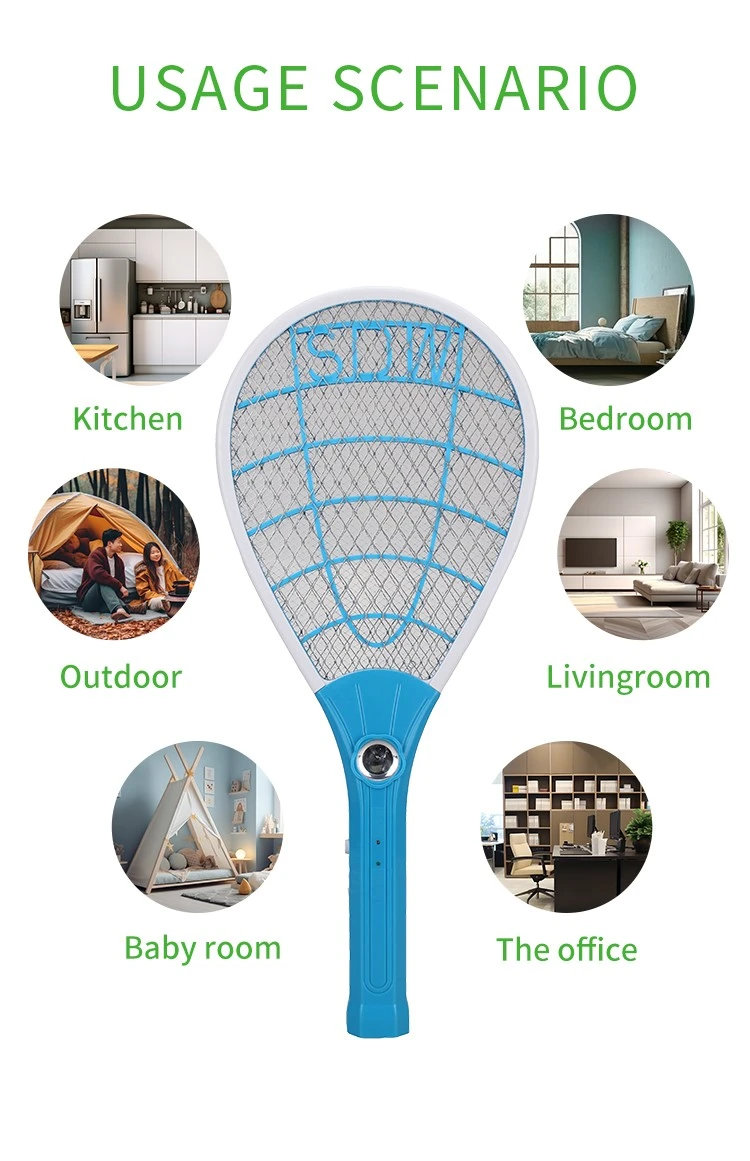
Most importers of electric mosquito swatters obsess over the first order: samples requested, factories vetted, a pre-shipment inspection booked. Then the reorder arrives eight months later and something is off. The grid feels softer. The charge port is a slightly different shade of black. The carton thickness dropped from 350 gsm to 300 gsm. Nothing is catastrophic — but the product no longer matches what your retail customers approved, and quietly, your return rate starts climbing.
How to Keep Mosquito Swatter Quality Consistent Across Repeat Orders
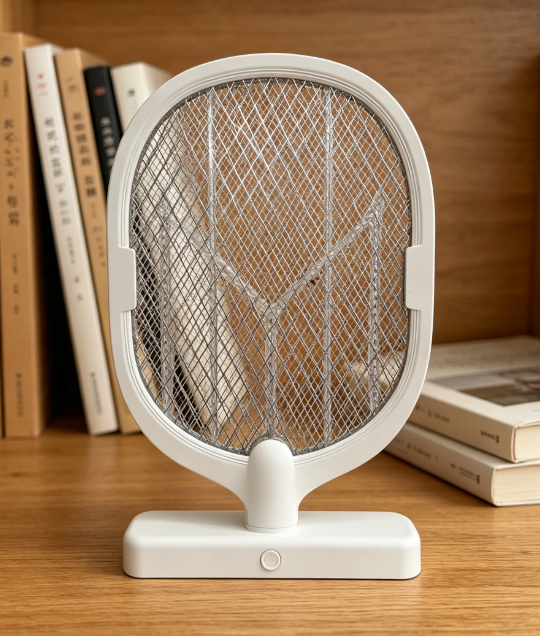
Warranty returns are the silent margin killer in the mosquito control category. A distributor who buys a swatter at $1.80 FOB and retails it at $9.90 can absorb a 1% return rate without noticing — but at 5%, the combined cost of replacement units, reverse logistics, and refund processing erases most of the line's profit.
Common mosquito swatter killer lamp failure modes wholesale spec guide

Digital bathroom scales rank as the second-highest-volume consumer weighing product category, only behind kitchen scales, with distinct market and product characteristics that set them apart from other scale types in importers’ product portfolios.
Digital bathroom body fat-bia-scale wholesale buyers guide