
Why is it not recommended to repair the broken mosquito swatter
2026-06-18
Why is it not recommended to repair the broken mosquito swatter
Mosquito season comes every summer, and rechargeable electric mosquito swatters are essential household appliances for every family. After being used for one or two summers, they are prone to faults such as button failure, power failure, no high voltage on the grid, electric leakage and sharp battery drain. To save money, many people choose to buy spare parts for self-repair or take them to local small appliance repair shops. Here is a straightforward science tip: It is not recommended to repair most damaged rechargeable lithium-ion mosquito swatters; replacing them with a new one is the best choice.
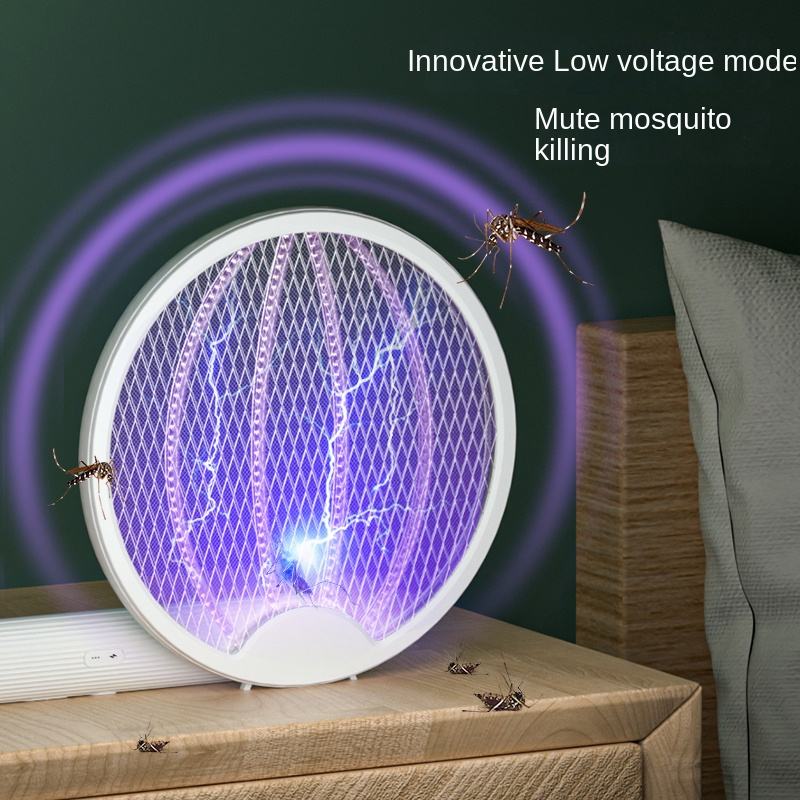
1. Hidden Danger: Electric mosquito swatters adopt high-voltage internal structure
Ordinary household small appliances run on 220V municipal alternating current, while regular rechargeable mosquito swatters are equipped with built-in boost capacitors and inverter circuit boards. The instantaneous working voltage of the power grid reaches 1500V to 3000V high-voltage direct current, which enables them to electrocute mosquitoes instantly.
These high-voltage components carry hidden risks, making repair far more dangerous than fixing desk lamps, electric fans and other common appliances:
-
Residual electricity stored in capacitors: After power-off and unplugging, the internal high-voltage capacitor retains residual high voltage for hours. Direct contact with circuit boards or metal grid contacts will cause severe electric shock. Adults may suffer involuntary muscle spasms, while the elderly and children may have palpitations or fall down accidentally.
-
Damaged insulation after manual repair: Original factory circuit boards, welding points and wires are wrapped with flame-retardant insulating glue. Repair requires peeling off the glue, and manual gluing, wiring and welding can never reach factory insulation standards, leading to electric leakage during handheld use or wiping.
-
Risk of short circuit and fire: Mosquito swatters have compact inner cavities. Improper manual wiring easily causes wire skin abrasion, resulting in internal short circuit and plastic shell combustion when placed indoors or beside beds.
2. Irreparable core wear: Repair only solves superficial problems
Most faults stem from natural aging of core components instead of minor part damage. Such wear cannot be fixed cheaply, and repaired swatters will break down again soon:
2.1 Lithium battery aging: the most common fault
Most affordable household mosquito swatters adopt sealed built-in lithium batteries. After 1 to 2 years of use, the batteries will bulge, have increased internal resistance, fail to charge or run out of power instantly. Bulged batteries are scrapped components. Forcibly replacing them with unqualified third-party batteries or welding batteries without original temperature control protection will cause overheating, bulging and even explosion during charging, which is the leading cause of mosquito swatter safety accidents.
2.2 Permanent aging of high-voltage capacitors and circuit boards
Moisture exposure, outdoor use in rain and long-time idle button pressing will burn out high-voltage capacitors and inverter chips. Original capacitors have customized voltage resistance and matching parameters, while universal replacement parts have mismatched specifications. Replacement will cause unstable voltage boost, excessive spark discharge and high power consumption, and the swatter will break down again within days or half a month.
2.3 Unrestorable damaged outer protective grid
Many broken mosquito swatters have deformed, cracked or detached outer protective grids, which can only be fixed by simple spot welding. Repaired grids have enlarged mesh gaps and sharp welding burrs. Children may touch the inner high-voltage grid easily, greatly increasing electric shock risks.
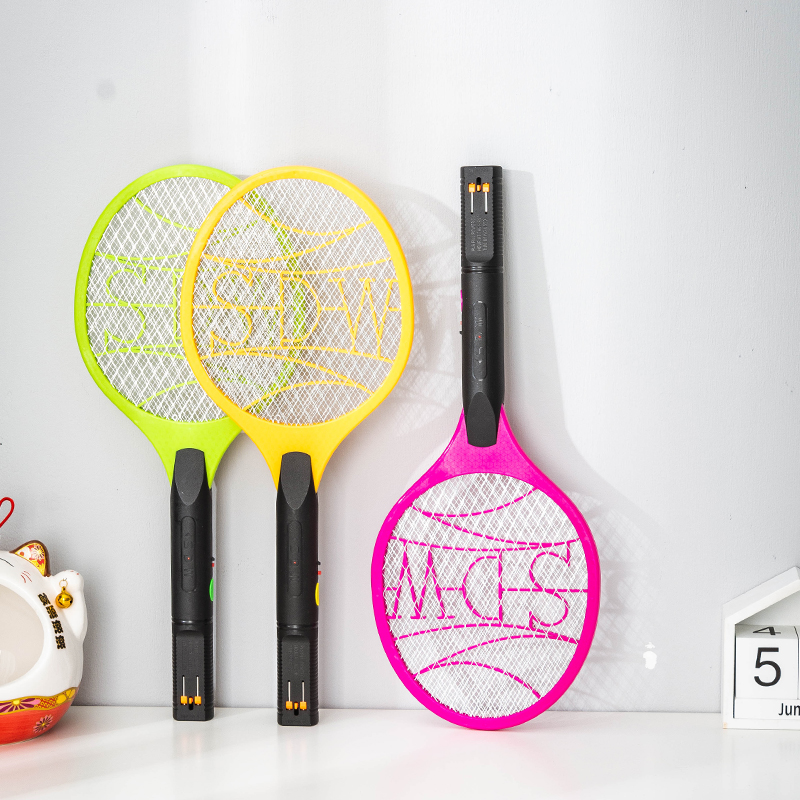
3. Low repair cost-performance: A total waste of time and money
Repairing a mosquito swatter is not economical at all, as shown in the cost breakdown below:
-
High cost of spare parts: A complete set of original accessories including high-voltage circuit board, lithium battery and capacitor costs almost the same as a brand-new basic mosquito swatter, bringing no cost-saving benefits.
-
High manual repair fee: Local repair shops charge higher fees for high-voltage appliance maintenance, ranging from 20 to 35 yuan per repair. This budget is enough to buy a qualified branded new swatter with official warranty.
-
No after-sales guarantee: Self-repair and third-party shop repair come with no warranty. Users bear all responsibilities for secondary faults, electric leakage or personal injury, while new products enjoy a 6-month to 1-year official warranty.
4. Two types of damaged swatters: Repair is strictly forbidden
Discard the mosquito swatter directly without any repair attempt if it has the following conditions:
-
Water ingress, moldy internal circuit board or burnt marks on the outer shell
-
Bulged built-in battery, overheating during charging or spontaneous sparking
Key Reminder: Water-damaged high-voltage circuits suffer permanent insulation failure. Even if dried and repaired, the swatter will leak electricity inevitably, so it is a high-risk electrical appliance forbidden to be repaired and reused.
5. Daily Maintenance Tips to Extend Mosquito Swatter Service Life
Avoid risky repairs by proper daily maintenance. Here are 3 practical usage tips:
1. Do not use it outdoors on rainy days or wash the whole device directly. Clean mosquito residues with a dry soft brush only.
2. Avoid long-time idle pressing of the power button, as no-load high voltage will burn out capacitors and accelerate component aging.
3. Store the swatter with 50% remaining power, and charge it every 3 months to prevent lithium battery damage from complete power loss.
Conclusion
Electric mosquito swatters are not maintainable household appliances, featuring low manufacturing cost, high-voltage circuit design and low safety tolerance. Keep using it for minor faults, and replace it for severe damage. Replacing instead of repairing saves money, avoids electric shock and fire hazards, and guarantees family safety. Never risk your family’s safety just to save a small amount of money.
Luggage Scale Guide
Can a Mosquito Bite Kill You
Related Article

If you’re struggling with annoying mosquitoes, flies, and other flying pests indoors and outdoors, upgrading from traditional manual tools to anElectric Mosquito Swatter is the most efficient solution. Many homeowners and renters search where to buy fly swatter online to find durable, safe, and high-performance electric models that deliver instant pest control.
Where to Buy Fly Swatter
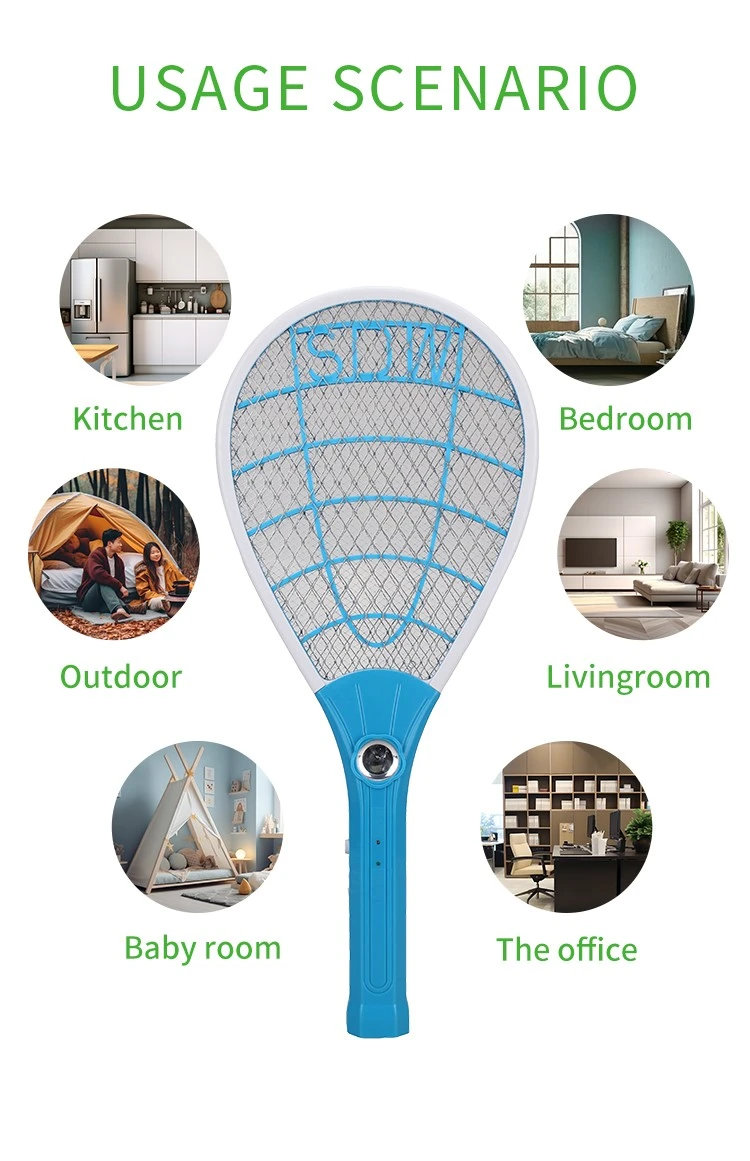
Most importers of electric mosquito swatters obsess over the first order: samples requested, factories vetted, a pre-shipment inspection booked. Then the reorder arrives eight months later and something is off. The grid feels softer. The charge port is a slightly different shade of black. The carton thickness dropped from 350 gsm to 300 gsm. Nothing is catastrophic — but the product no longer matches what your retail customers approved, and quietly, your return rate starts climbing.
How to Keep Mosquito Swatter Quality Consistent Across Repeat Orders
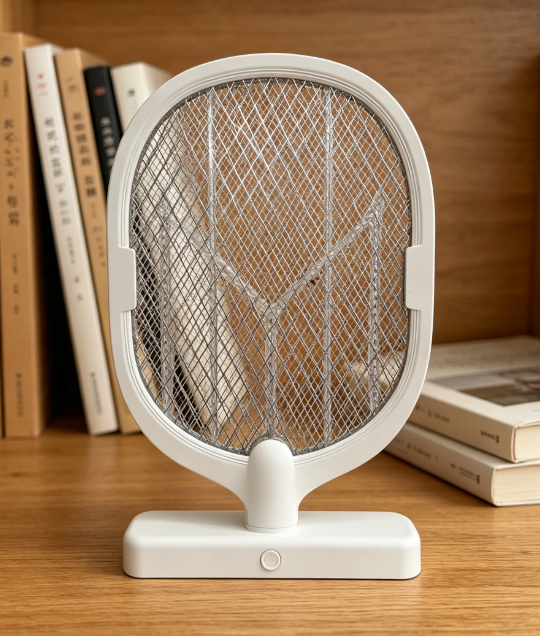
Warranty returns are the silent margin killer in the mosquito control category. A distributor who buys a swatter at $1.80 FOB and retails it at $9.90 can absorb a 1% return rate without noticing — but at 5%, the combined cost of replacement units, reverse logistics, and refund processing erases most of the line's profit.
Common mosquito swatter killer lamp failure modes wholesale spec guide

Digital bathroom scales rank as the second-highest-volume consumer weighing product category, only behind kitchen scales, with distinct market and product characteristics that set them apart from other scale types in importers’ product portfolios.
Digital bathroom body fat-bia-scale wholesale buyers guide