
Why Mosquito Killer Lamps May Be Illegal in Some Areas
2025-07-27
Mosquito killer lamps (also known as electric mosquito killer lamps) may have their use or sale restricted or prohibited in some areas, mainly for the following reasons:
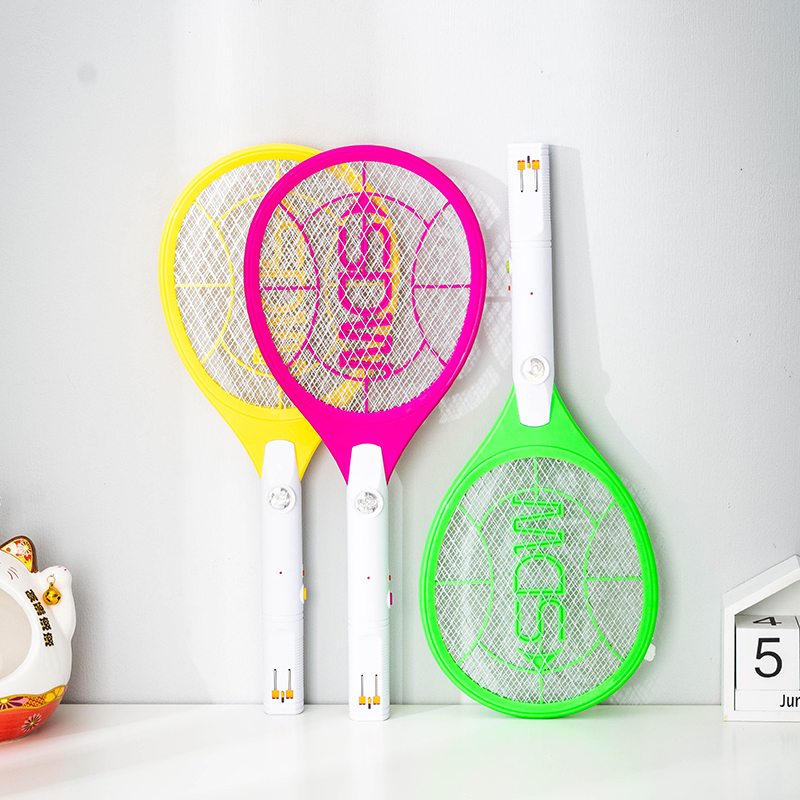
- Electrical Hazards: Mosquito killer lamps typically use high-voltage electric grids to kill insects, which poses an electric shock risk to humans—especially children, who may touch the device out of curiosity. In some regions, if a certain type of mosquito killer lamp is deemed to have an unacceptable risk of causing electric shock injuries, relevant regulations may restrict its circulation. For example, the open-grid design of some mosquito killer lamps may pose a major safety hazard in households with young children.
- Fire Hazards: Faulty mosquito killer lamps, especially those using substandard electronic components or with poor insulation, may overheat and potentially cause fires. If a certain type of mosquito killer lamp has been reported to be involved in multiple fire incidents, relevant authorities may prohibit its use to ensure public safety.
2. Impact on the Environment and Ecology
- Killing Non-Target Species: Mosquito killer lamps cannot distinguish between mosquitoes and other insects. They often kill a large number of beneficial insects such as bees, butterflies, and ladybugs. Bees, for instance, are crucial for pollination; a significant decline in their population could have far-reaching impacts on agriculture and ecosystems. In areas where protecting beneficial insects is a top priority, relevant regulations may restrict the use of mosquito killer lamps to avoid unnecessary damage to ecological balance.
- Impact on the Food Chain: Since mosquito killer lamps kill a large number of insects indiscriminately, they may disrupt the local food chain. Small birds, bats, and other insect-eating animals rely on insects for survival. If mosquito killer lamps reduce insect populations, it could indirectly affect these higher trophic level consumers and potentially lead to ecological imbalances.
3. Ineffectiveness in Mosquito Control
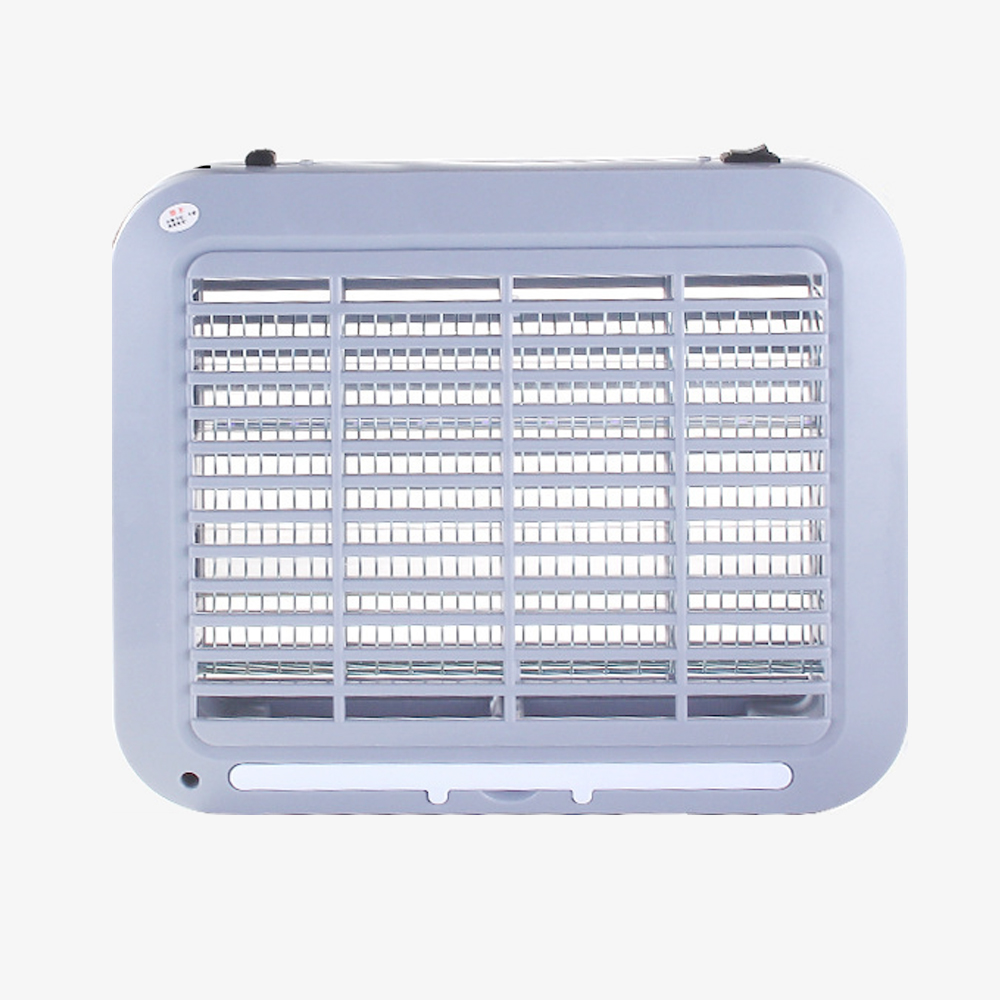
- Limited Attraction to Mosquitoes: Although mosquito killer lamps are designed to attract mosquitoes, studies show they may be ineffective at reducing mosquito populations in specific areas. Mosquitoes are more attracted to carbon dioxide, body heat, and moisture emitted by humans and animals than to the light sources used in many mosquito killer lamps. As a result, these lamps often kill more non-mosquito insects than mosquitoes. In areas where mosquito control is a critical public health issue—such as regions with high incidences of mosquito-borne diseases like dengue or malaria—authorities may discourage the use of mosquito killer lamps and promote more effective mosquito control methods instead.
4. False Advertising and Consumer Protection
- Misleading Claims: Some manufacturers of mosquito killer lamps may make exaggerated claims about their products' mosquito-killing effectiveness or safety. When such claims are proven false or misleading, regulatory agencies may take action, which could include prohibiting the product's sale.
It should be noted, however, that in many other regions, mosquito killer lamps are legal and widely used. In areas where their use is permitted, they are usually required to meet specific safety standards—such as having good insulation, protective barriers to prevent human contact with the electric grid, and clear labeling of their functions and potential risks.
Is Killing Insects a Sin
Advantages of Mosquito Killer Lamp Manufacturers in Guangdong
Related Article

If you’re struggling with annoying mosquitoes, flies, and other flying pests indoors and outdoors, upgrading from traditional manual tools to anElectric Mosquito Swatter is the most efficient solution. Many homeowners and renters search where to buy fly swatter online to find durable, safe, and high-performance electric models that deliver instant pest control.
Where to Buy Fly Swatter
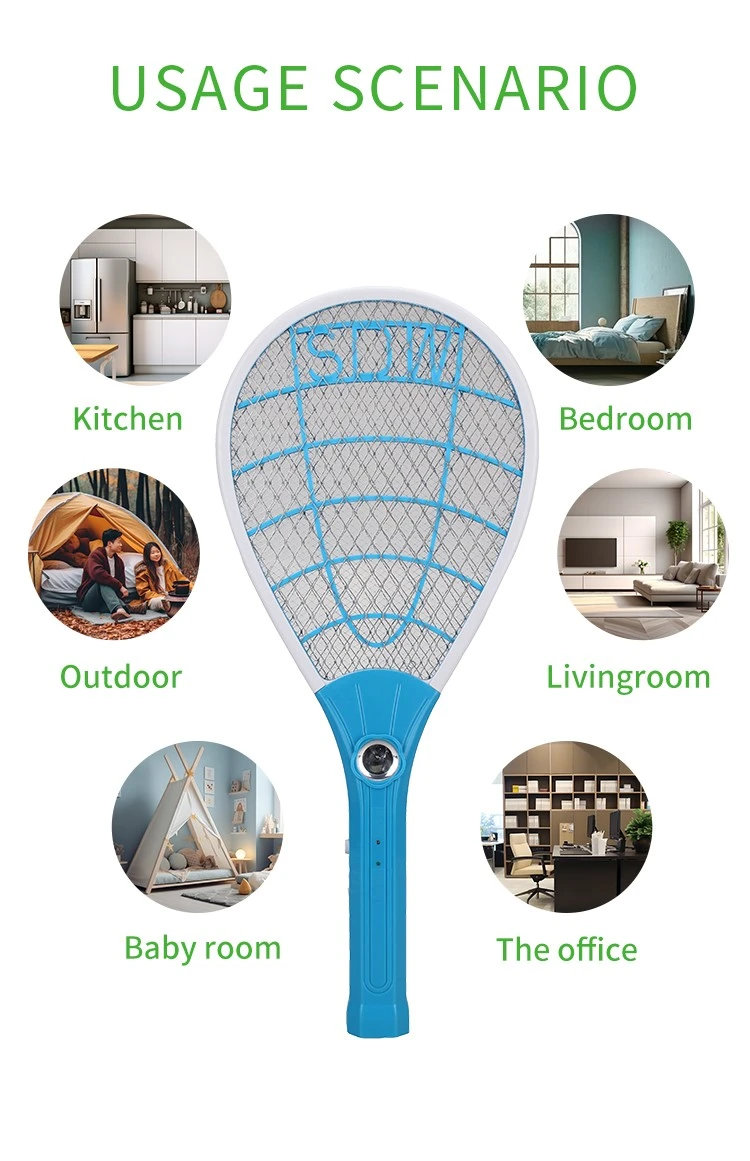
Most importers of electric mosquito swatters obsess over the first order: samples requested, factories vetted, a pre-shipment inspection booked. Then the reorder arrives eight months later and something is off. The grid feels softer. The charge port is a slightly different shade of black. The carton thickness dropped from 350 gsm to 300 gsm. Nothing is catastrophic — but the product no longer matches what your retail customers approved, and quietly, your return rate starts climbing.
How to Keep Mosquito Swatter Quality Consistent Across Repeat Orders
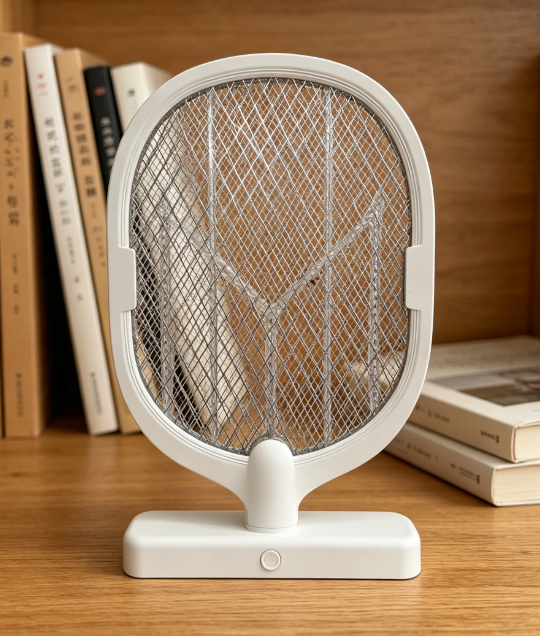
Warranty returns are the silent margin killer in the mosquito control category. A distributor who buys a swatter at $1.80 FOB and retails it at $9.90 can absorb a 1% return rate without noticing — but at 5%, the combined cost of replacement units, reverse logistics, and refund processing erases most of the line's profit.
Common mosquito swatter killer lamp failure modes wholesale spec guide

Digital bathroom scales rank as the second-highest-volume consumer weighing product category, only behind kitchen scales, with distinct market and product characteristics that set them apart from other scale types in importers’ product portfolios.
Digital bathroom body fat-bia-scale wholesale buyers guide