
Why Mosquito Lamps Outshine Mosquito Swatters
2025-09-26
Say Goodbye to Manual Swatting! Why Mosquito Lamps Outshine Mosquito Swatters
As the season for active mosquitoes arrives, mosquito control tools become essential household items. Two of the most common options on the market—mosquito swatters and mosquito lamps—often leave people wondering: which one should I choose? If a mosquito swatter is the representative of "manual combat," then a mosquito lamp is the epitome of "intelligent guarding." Today, we’ll explore the core advantages of mosquito lamps over mosquito swatters from the perspective of real-life usage scenarios, helping you find a more hassle-free mosquito control solution.
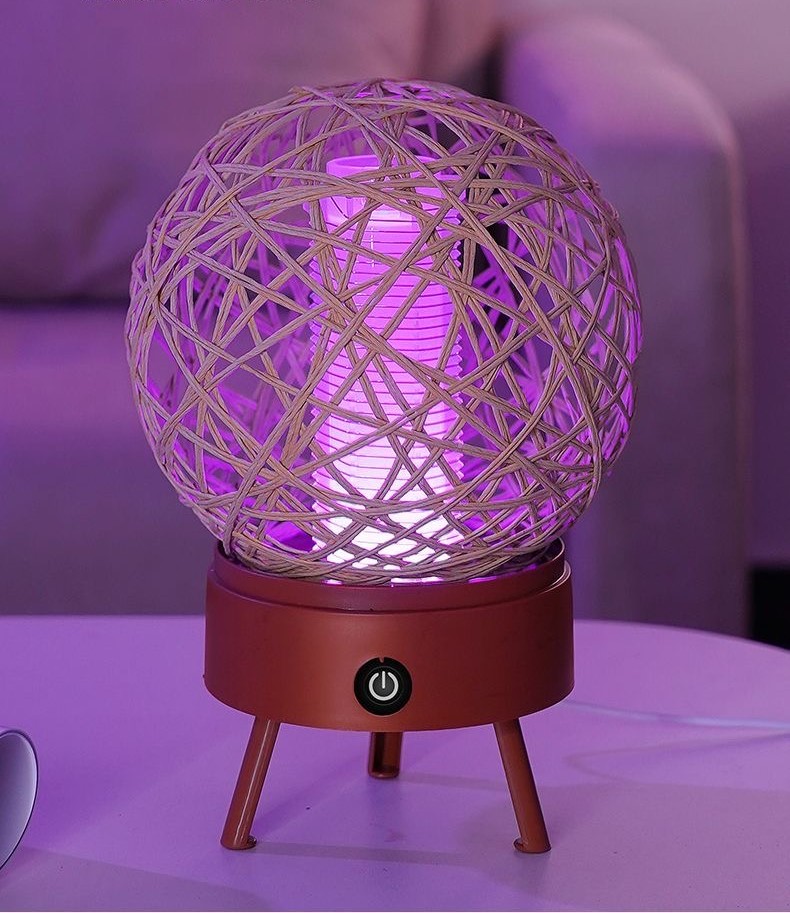
1. No More "Manual Swatting" – Free Your Hands for Greater Convenience
Anyone who has used a mosquito swatter knows the drill: waking up in the middle of the night to the buzz of mosquitoes, wandering around the room with the swatter in hand, scanning walls and ceilings for the pests. Your arms ache, yet you might not even hit one. During the day, you spot a mosquito on the sofa, creep closer quietly, only to watch it fly away in a flash. This back-and-forth is not only time-consuming but also tiring.
Mosquito lamps, however, eliminate all this trouble. Simply plug it in and place it in a suitable spot (such as a living room corner or bedroom windowsill), and it will work automatically. It lures mosquitoes by simulating human body temperature, emitting carbon dioxide, or using specific wavelengths of light. Once the mosquitoes are drawn in, they are eliminated by a high-voltage grid or an adhesive board. You don’t need to do a thing—whether you’re eating, watching TV, or sleeping, the mosquito lamp stands guard silently, truly "freeing your hands." It’s especially ideal for busy office workers, parents with young children, or anyone who doesn’t want mosquitoes disrupting their rhythm.
2. More "Efficient and Long-Lasting" Mosquito Control – Coverage Exceeds Expectations
The effectiveness of a mosquito swatter relies entirely on "human reaction speed" and "mosquito activity." You can only target mosquitoes you can see and catch up with, and you can only go after one at a time. Its coverage is also limited to the range your arm can reach. If there are a few mosquitoes hiding in the room, you might spend the whole night swatting without clearing them all, and the stragglers will continue to bother you the next day.
Mosquito lamps solve the problems of "coverage" and "duration." First, their attraction range typically covers 10 to 30 square meters (depending on the product’s power). Within this effective range, mosquitoes will be lured over without you having to search for them one by one. Second, they can work continuously 24 hours a day—eliminating mosquitoes hiding in corners during the day and intercepting those sneaking in at night, acting like an "invisible defense line" for your room. For example, place one in the bedroom, and the next morning, you’ll find the eliminated mosquitoes inside the lamp, no longer worrying about being bitten while sleeping.
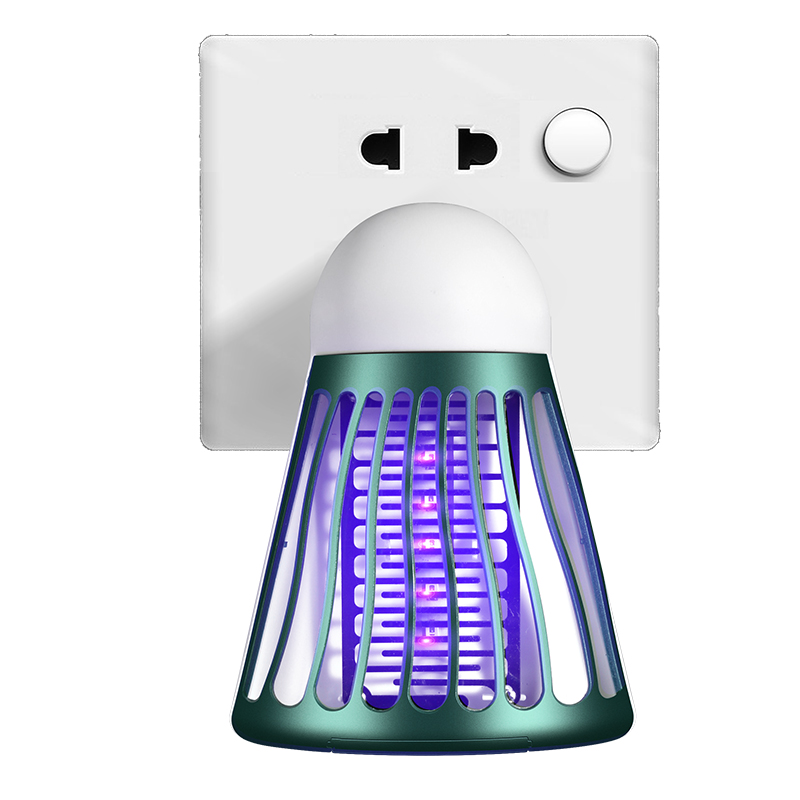
3. Higher Safety – More Suitable for Families with Elderly and Children
While mosquito swatters kill mosquitoes directly, they pose several safety risks. First, they require charging or batteries and generate a high-voltage grid during use. If a child curiously touches it or accidentally comes into contact with the metal grid, they could get an electric shock. Second, swinging the swatter can easily hit furniture, appliances, or even yourself or family members. Elderly people, in particular, have slower reactions and are more likely to get injured while using it. Additionally, after killing a mosquito, the corpse may stick to the grid or fall onto beds or sofas, requiring careful handling during cleaning—hardly hygienic.
Mosquito lamps are far more considerate when it comes to safety. Most household mosquito lamps feature an "anti-touch design": the high-voltage grid is covered with a protective screen with small holes, preventing children’s hands or pets’ paws from reaching in. Some adhesive-type mosquito lamps have no high voltage at all; they trap mosquitoes with adhesive boards, eliminating the risk of electric shock entirely. Moreover, after mosquitoes are eliminated, they stay inside the lamp—high-voltage models carbonize the corpses at high temperatures, while adhesive models trap them on the board. There’s no need for direct contact with the corpses; cleaning simply involves regularly removing the adhesive board or dumping the residue. It’s both hygienic and safe, making mosquito lamps a much more reassuring choice for families with elderly, children, or pets.
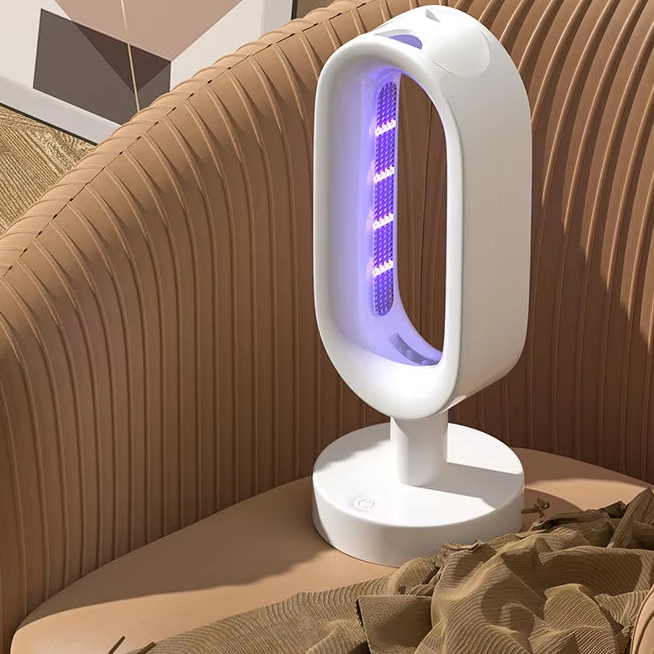
4. No Disruption to Daily Life – Quiet and Disturbance-Free
The final point, which many people overlook, is the "sense of disturbance" during use. Swinging a mosquito swatter produces a "crack, crack" sound. Especially in the quiet of the night, a single swat can easily wake up sleeping family members. Furthermore, swatting mosquitoes requires focus, which interrupts your rhythm while watching TV, working, or resting, leaving you frustrated.
Mosquito lamps, on the other hand, operate in a "silent mode." Except for a faint fan noise (similar to the sound of a computer cooling down) in some models, most mosquito lamps work with almost no noise. Placing one in the bedroom or study won’t interfere with rest or work. For instance, leaving a mosquito lamp on while you sleep at night—you won’t hear a thing, and you’ll only see the results of its mosquito control the next day, with no disruption to your daily life.
Conclusion: Choose the Right Tool for "Twice the Result with Half the Effort" in Mosquito Control
In fact, there’s no absolute "good or bad" between mosquito swatters and mosquito lamps. However, from the perspectives of "convenience, efficiency, and safety," mosquito lamps are clearly more suitable for the needs of modern families. They require no manual operation, provide continuous protection for your room, and avoid safety hazards—perfect for anyone who doesn’t want to be "troubled by mosquitoes." Of course, if you only spot one or two mosquitoes occasionally, a mosquito swatter can solve the problem quickly. But if you want long-term, thorough mosquito prevention, a mosquito lamp is definitely the more worthwhile investment.
After all, summer joy shouldn’t be overshadowed by "chasing mosquitoes." Choose the right mosquito control tool, and you can easily enjoy a comfortable, mosquito-free season!
A Complete Guide to Mosquito Prevention for National Day Travel
Why Do More and More Customers Prefer White Mosquito Swatters
Related Article

If you’re struggling with annoying mosquitoes, flies, and other flying pests indoors and outdoors, upgrading from traditional manual tools to anElectric Mosquito Swatter is the most efficient solution. Many homeowners and renters search where to buy fly swatter online to find durable, safe, and high-performance electric models that deliver instant pest control.
Where to Buy Fly Swatter
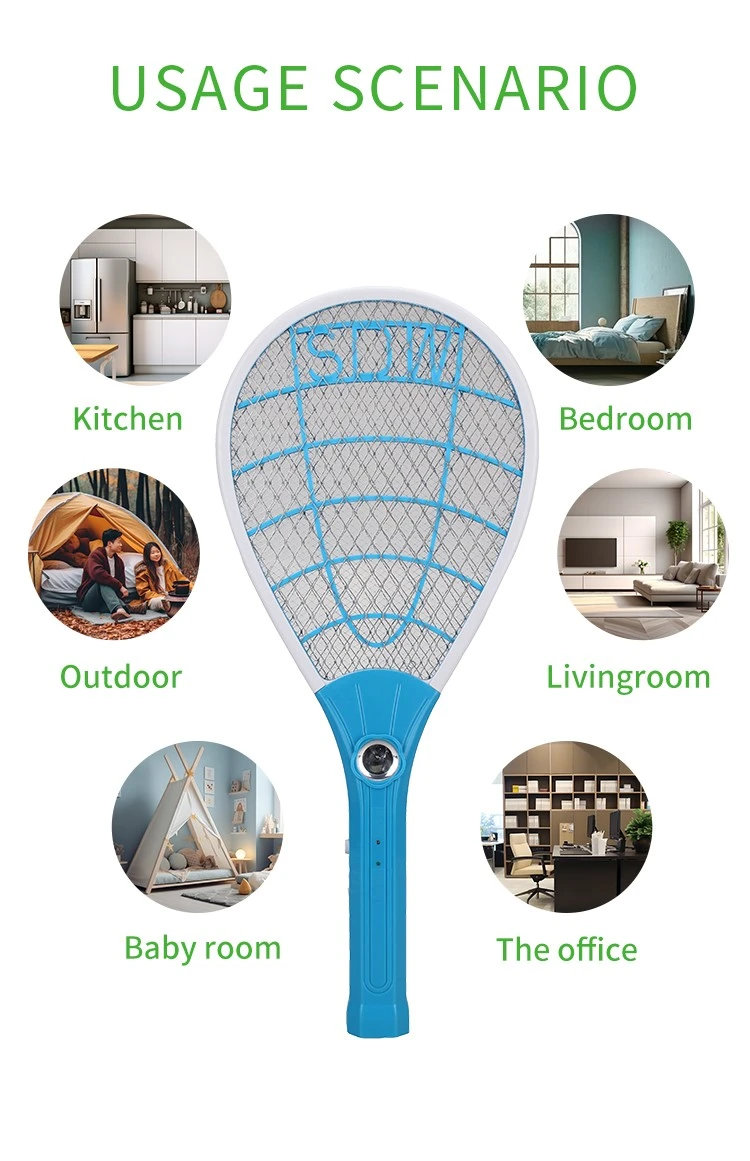
Most importers of electric mosquito swatters obsess over the first order: samples requested, factories vetted, a pre-shipment inspection booked. Then the reorder arrives eight months later and something is off. The grid feels softer. The charge port is a slightly different shade of black. The carton thickness dropped from 350 gsm to 300 gsm. Nothing is catastrophic — but the product no longer matches what your retail customers approved, and quietly, your return rate starts climbing.
How to Keep Mosquito Swatter Quality Consistent Across Repeat Orders
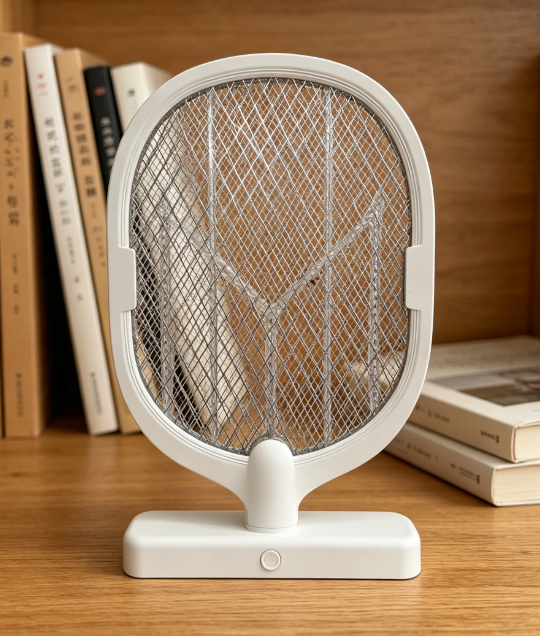
Warranty returns are the silent margin killer in the mosquito control category. A distributor who buys a swatter at $1.80 FOB and retails it at $9.90 can absorb a 1% return rate without noticing — but at 5%, the combined cost of replacement units, reverse logistics, and refund processing erases most of the line's profit.
Common mosquito swatter killer lamp failure modes wholesale spec guide

Digital bathroom scales rank as the second-highest-volume consumer weighing product category, only behind kitchen scales, with distinct market and product characteristics that set them apart from other scale types in importers’ product portfolios.
Digital bathroom body fat-bia-scale wholesale buyers guide