
Why Mosquitoes Persist
2025-09-10
Why Mosquitoes Persist: Uncovering the Secrets of Their Unbeatable Survival
Every spring and summer, mosquitoes always appear in our lives right on time—buzzing in our ears late at night, leaving several itchy bumps on our legs when we wake up in the morning. Even though we use mosquito coils, insecticides, and mosquito nets to the fullest, they always manage to "rise from the ashes." Some people wonder: if humans can explore space, why can't we get rid of tiny mosquitoes? Actually, behind this lies the "survival skills" that mosquitoes have evolved over millions of years, as well as the indirect help from human activities.
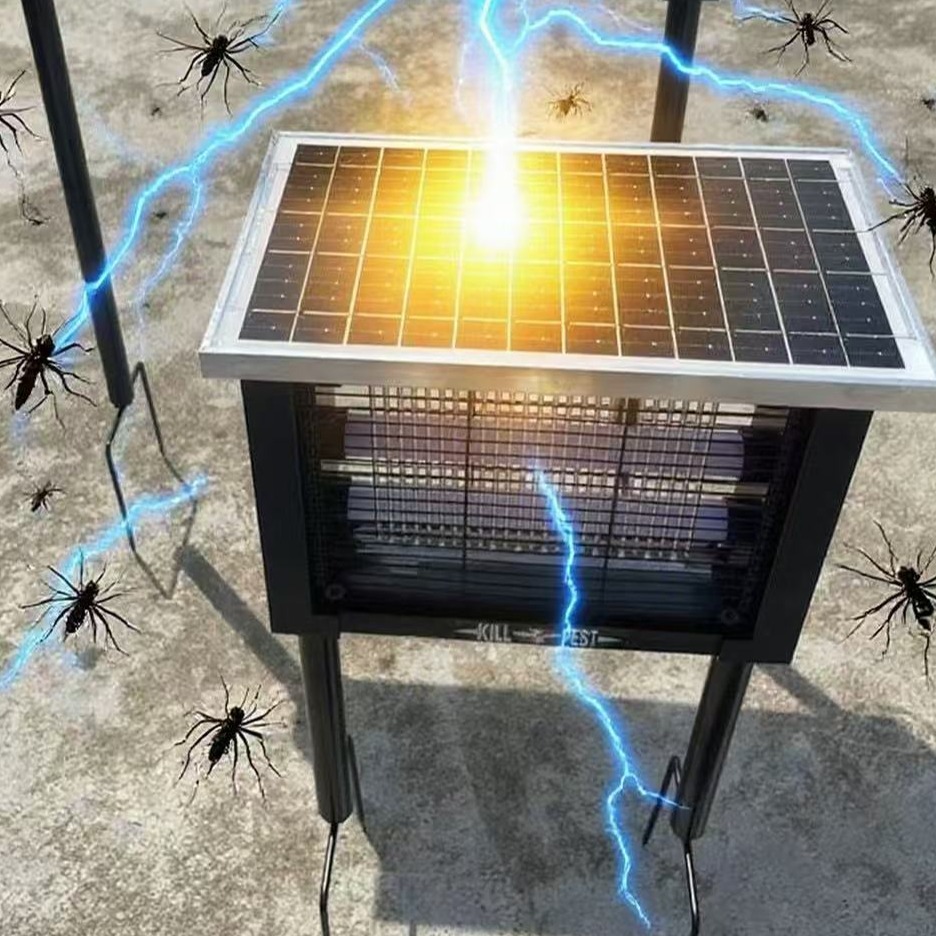
1. Super Strong Reproductive Capacity: A "Quantity-Driven" Survival Strategy
The most annoying thing about mosquitoes is their reproductive speed that seems impossible to fully control. Take the common Culex pipiens pallens as an example: a single female mosquito can lay eggs 3 to 7 times in its lifetime, with 100 to 300 eggs each time. Moreover, it only takes 7 to 10 days for the eggs to develop into adult mosquitoes. What's more crucial is that mosquitoes have extremely low requirements for their breeding environment—any small amount of stagnant water will do, whether it's a small puddle by the road, stagnant water at the bottom of a flower pot, or even rainwater in discarded tires, all can serve as their "nurseries."
It's almost impossible for us to clean up stagnant water "without any omissions" in daily life: stagnant water in the cracks of walls, small puddles formed by accumulated fallen leaves in green belts, and residual water in the water collection trays of air conditioners. These easily overlooked places are precisely the "hidden bases" for mosquito breeding. Even if we eliminate most adult mosquitoes, as long as a small number of eggs or larvae survive, a large mosquito population can reform in a short time.
2. Rapid Evolution of Insecticide Resistance: The "Natural Enemy" of Insecticides
To eliminate mosquitoes, humans have invented various insecticides, but mosquitoes have evolved resistance through repeated "roundups." This is because mosquitoes have a short reproductive cycle and a fast rate of genetic mutation—under the effect of insecticides, most sensitive mosquitoes will die, but a small number of individuals carrying resistance genes can survive and pass these genes on to their offspring. After several generations of reproduction, the entire mosquito population will develop resistance to a specific type of insecticide.
For instance, organophosphorus insecticides, which were highly effective against mosquitoes in the early days, now have mosquitoes in many areas developing resistance to them. Later, when pyrethroid insecticides were promoted, their effectiveness also declined in some regions. What's more tricky is that mosquitoes may also transfer resistance genes to different mosquito species through "genetic exchange," leading to the continuous expansion of the range of insecticide resistance.
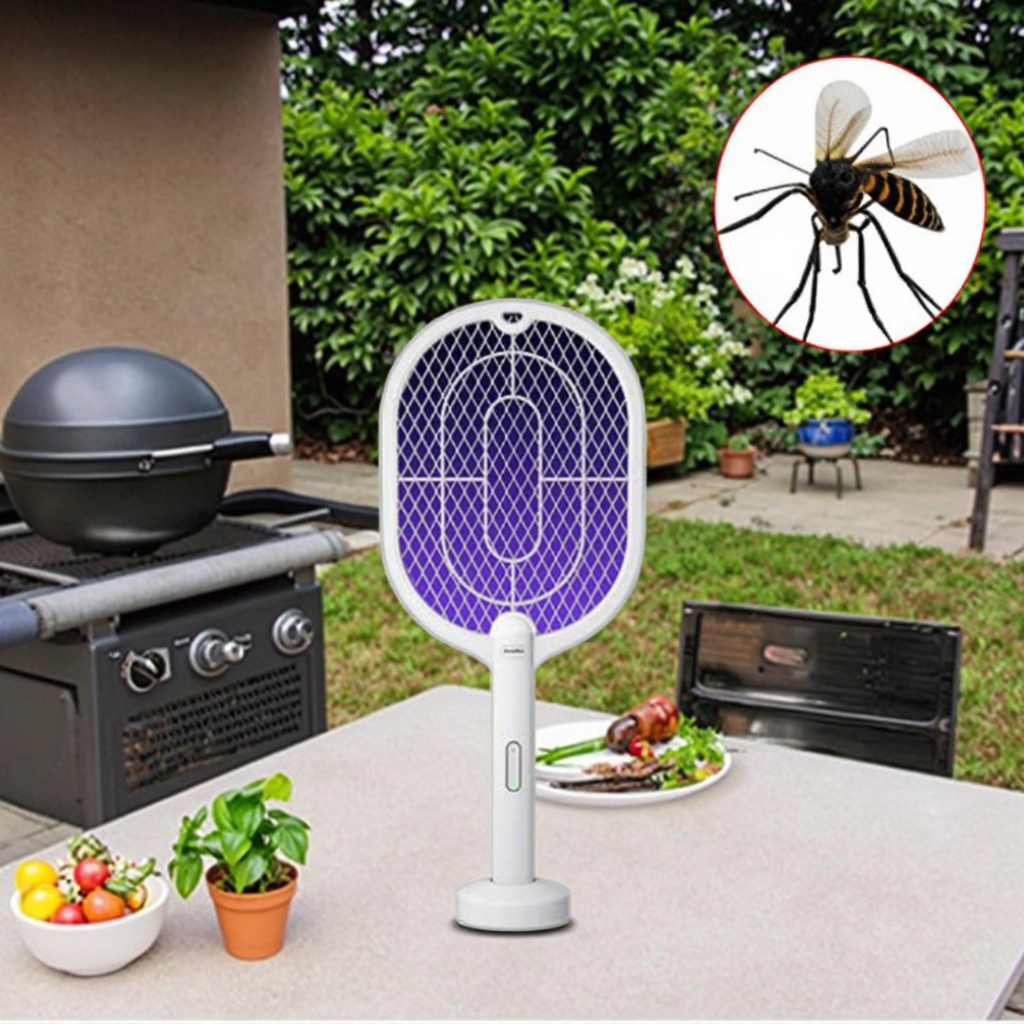
3. Wide Adaptability: "Survivors" Found Worldwide Except Antarctica
Except for the Antarctic continent, mosquitoes can be found in almost every corner of the world—from tropical rainforests and deserts to temperate cities and villages, and even alpine areas at an altitude of several thousand meters. Different species of mosquitoes have evolved the ability to adapt to different environments: some can survive in high temperatures above 40°C, while others can hibernate in low temperatures below 0°C; some rely on fresh water for breeding, and others can lay eggs in saltwater.
This strong adaptability makes it difficult to eliminate mosquitoes "in one fell swoop." For example, if we eliminate Culex pipiens pallens, which is adapted to the human living environment, in cities, Anopheles sinensis, which is adapted to the wild environment, may "take its place"; if we clear out the active mosquito population in summer, the mosquito eggs or larvae that hibernate in winter will wake up again in the following spring. No matter how the environment changes, there will always be mosquito species that can adapt and survive.
4. A "Special Position" in the Food Chain: An "Role" That Cannot Be Easily Removed
Although mosquitoes are "pests" to humans, they play a certain role in the ecosystem. Mosquito larvae (wrigglers) live in water and are a food source for aquatic organisms such as fish and dragonfly larvae; adult mosquitoes are "food rations" for animals like birds, bats, and frogs. If mosquitoes were completely eradicated, some creatures that feed on mosquitoes might lose their food source, which would further affect the balance of the entire food chain.
For example, in the Arctic tundra, a large number of mosquitoes in summer are an important food source for the chicks of local birds (such as snow geese). If the number of mosquitoes drops sharply, the survival rate of snow goose chicks may decrease, affecting the population size of snow geese. This kind of ecological connection, where "moving one part affects the whole body," makes humans have to be cautious when trying to eliminate mosquitoes—we cannot only "target" mosquitoes without affecting other organisms.
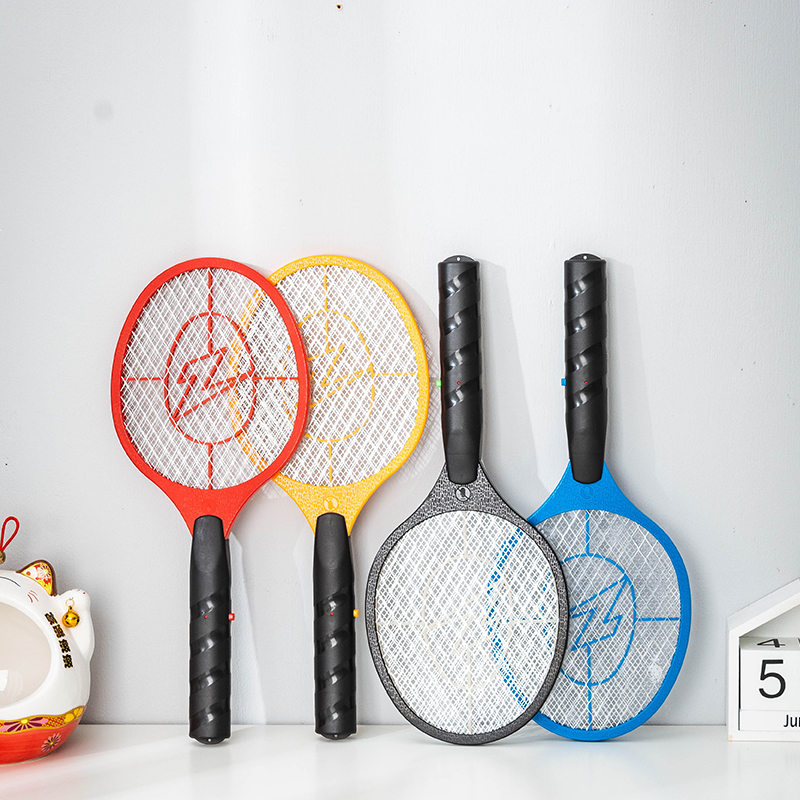
5. "Indirect Help" from Human Activities: The "Accomplices" of Mosquitoes
In fact, some human activities are also indirectly helping mosquitoes reproduce. For example, during the process of urbanization, a large number of construction projects will leave behind puddles; in agricultural production, irrigation systems will form long-term stagnant water; even the plastic bottles and cans we discard daily can become "breeding grounds" for mosquitoes once they collect stagnant water. In addition, global warming is also expanding the living range of mosquitoes—cold regions that were originally unsuitable for mosquitoes to survive are gradually becoming their "new homes" as temperatures rise.
More importantly, the frequent movement of people is expanding the spread range of mosquitoes. A mosquito carrying pathogens may travel from one region to another via means of transportation such as planes and trains, and then reproduce and spread in the new environment. For example, Aedes aegypti, which originally only existed in tropical regions (the main vector for transmitting dengue fever and Zika virus), has now spread to some cities in temperate zones.
Conclusion: Instead of "Eradication," Focus on "Scientific Prevention and Control"
After reading this, you may understand: the reason why mosquitoes "cannot be eradicated" is that they possess "survival skills" such as fast reproduction, strong adaptability, and rapid evolution of insecticide resistance. At the same time, they occupy a special position in the food chain and receive indirect help from human activities. Instead of pursuing the "complete eradication of mosquitoes," it is better to adopt more scientific prevention and control methods—such as cleaning up stagnant water in a timely manner, using physical mosquito prevention measures (mosquito nets, screen windows), and rationally using low-toxicity insecticides—to reduce the impact of mosquitoes on our lives.
After all, in the "protracted war" against mosquitoes, our goal is not to "wipe them out completely," but to coexist harmoniously with nature and prevent mosquitoes from becoming a "nightmare" that threatens our health.
A Deep Dive into Electric Mosquito Swatter Packaging
Pay Tribute to Teachers and Recall the Warmth and Significance of the Festival
Related Article

If you’re struggling with annoying mosquitoes, flies, and other flying pests indoors and outdoors, upgrading from traditional manual tools to anElectric Mosquito Swatter is the most efficient solution. Many homeowners and renters search where to buy fly swatter online to find durable, safe, and high-performance electric models that deliver instant pest control.
Where to Buy Fly Swatter

Most importers of electric mosquito swatters obsess over the first order: samples requested, factories vetted, a pre-shipment inspection booked. Then the reorder arrives eight months later and something is off. The grid feels softer. The charge port is a slightly different shade of black. The carton thickness dropped from 350 gsm to 300 gsm. Nothing is catastrophic — but the product no longer matches what your retail customers approved, and quietly, your return rate starts climbing.
How to Keep Mosquito Swatter Quality Consistent Across Repeat Orders

Warranty returns are the silent margin killer in the mosquito control category. A distributor who buys a swatter at $1.80 FOB and retails it at $9.90 can absorb a 1% return rate without noticing — but at 5%, the combined cost of replacement units, reverse logistics, and refund processing erases most of the line's profit.
Common mosquito swatter killer lamp failure modes wholesale spec guide

Digital bathroom scales rank as the second-highest-volume consumer weighing product category, only behind kitchen scales, with distinct market and product characteristics that set them apart from other scale types in importers’ product portfolios.
Digital bathroom body fat-bia-scale wholesale buyers guide