
Why Prioritize Type-C Ports
2026-02-05
Appliance Buying Guide: Why Prioritize Type-C Ports? A Convenient and Versatile Choice
Introduction: Troubled by Ports? Type-C Offers the Best Solution
I wonder if you’ve ever had such troubles: a drawer full of chargers at home, each for your phone, tablet, laptop, and Bluetooth headphones—you have to double-check if you’ve brought the right one when going out; you fumble to align the port when plugging in, and if you’re not careful, it goes in backwards, which is not only troublesome but also makes you worry about damaging the port. Nowadays, more and more appliances are coming standard with Type-C ports, not to follow the trend, but because they truly solve many pain points in our daily use. Today, let’s talk about why Type-C ports are worth prioritizing when buying appliances.

Advantage 1: Reversible Plugging, No More Plugging Anxiety
This should be the most well-known feature of Type-C, and also the design that most enhances the user experience. Unlike traditional USB-A and Micro-USB ports, Type-C adopts a symmetrical oval design, with identical pins on both the top and bottom, so there’s no need to distinguish between front and back—just plug it in casually and it will fit perfectly, completely solving the trouble of "not plugging in correctly the first time". Whether you’re charging at night with the lights off or plugging in in a hurry when going out, it can be done easily, saving time and reducing wear and tear on the port, making it more durable in long-term use. It’s worth noting that Type-C ports can withstand 10,000 repeated plugs and unplugs, which is more than enough to meet the long-term use needs of appliances.
Advantage 2: All-in-One Integration, One Cable for All Needs
This is also the core highlight that makes Type-C superior to traditional ports. Traditional ports are often single-function—charging, data transmission, and connecting peripherals require different ports and cables. However, relying on its powerful pin definition, Type-C has realized the vision of "one cable for everything". It can complete three things at the same time through a single cable: high-power charging, high-speed data transmission, and high-definition video/audio output, which is equivalent to integrating the functions of a charging port, data cable port, HDMI port, and even a 3.5mm headphone jack. For example, connecting a laptop to a monitor with a Type-C cable can not only charge the laptop but also transmit high-definition images and synchronize data, making the desktop tidy instantly and no longer tangled with messy cables.
Advantage 3: High-Power Fast Charging + Wide Compatibility, Covering All Scenarios
Now we have higher and higher requirements for the charging speed of appliances, and Type-C is the standard port for the USB Power Delivery (PD) fast charging protocol, with strong power supply capacity. Depending on the version of the PD protocol, it can provide power output ranging from 5V/2A to 240W (PD 3.1 specification), which can not only meet the fast charging needs of small devices such as mobile phones and headphones but also power laptops, gaming laptops, and even some small household appliances. More practically, it supports bidirectional charging—for example, using the Type-C port of a laptop to charge a mobile phone in an emergency. When going out, you only need to bring one charger and one cable to meet the power supply needs of all devices, greatly reducing the travel burden.
Advantage 4: Compact and Thin, Unified Port for More Convenience
This is an easily overlooked advantage. The size of the Type-C port is only 8.3mm × 2.5mm, which is much smaller than the traditional USB-A port. Its thinner design can save internal space for appliances. That’s why today’s thin and light laptops, foldable mobile phones, and small smart home devices are more inclined to adopt Type-C ports—it can not only ensure complete functions but also make the device design more concise and thin, improving the overall texture. At the same time, the core goal of Type-C is to "unify port standards". Today, whether it’s Android phones, Apple devices, laptops, monitors, power banks, or even professional devices such as cameras and drones, they all widely use Type-C ports. In the long run, a unified port can reduce the cost of buying different cables and chargers, and also reduce electronic waste, making it more environmentally friendly.
Advantage 5: Policy Promotion + Mature Ecosystem, No Pressure on Future Compatibility
To regulate the market and reduce resource waste, the European Union has legislated to mandate that small and medium-sized electronic devices sold in Europe must use Type-C charging ports by the end of 2024, and laptops must be adapted by 2026. This policy has forced major manufacturers including Apple to fully switch to Type-C, greatly accelerating its popularization. At the same time, the Type-C industrial chain is already very mature, and the cost of accessories such as chips, connectors, and cables is constantly decreasing. There are a wide variety of Type-C cables, chargers, docking stations, and other accessories on the market at affordable prices, making it very convenient to replace accessories or expand functions. Moreover, it has the support of industry organizations such as USB-IF and Intel, and high-speed protocols such as USB4 and Thunderbolt also take Type-C as the mandatory physical port, so there is no need to worry about future compatibility and expandability.
FAQ: Are Appliances with Old Ports Still Worth Buying?
Some people may ask: there are still some appliances with old ports on the market that offer high cost performance—should we buy them? In fact, the answer is simple: if two appliances have similar configurations and prices, prioritize the one with a Type-C port; if it’s a niche old port, it will become more and more troublesome to replace accessories in the future, and you may even face the problem of accessory discontinuance, which is actually less convenient in long-term use. After all, the advantages of Type-C are not single—it integrates convenience, versatility, and compatibility, which can not only solve current use pain points but also adapt to future device upgrades.
Conclusion: Type-C is More Than a Port, It’s a Convenient Lifestyle
In summary, it’s no accident that Type-C ports have become the mainstream. It truly solves many drawbacks of traditional ports from the user’s perspective—reversible plugging saves time, one cable for multiple uses reduces burden, high-power fast charging improves efficiency, and unified standards bring more convenience. Today, Type-C is not just a simple port, but a more convenient, efficient, and environmentally friendly way of using devices. Next time you buy a mobile phone, tablet, laptop, Bluetooth headphones, or even a small smart home device, remember to pay more attention to the port type and prioritize Type-C. Trust me, once you use it, you’ll never go back~
What is the Voltage of a Mosquito Lamp
Guide for Nail Polish Repair of Scratched Electric Fly Swatters
Related Article

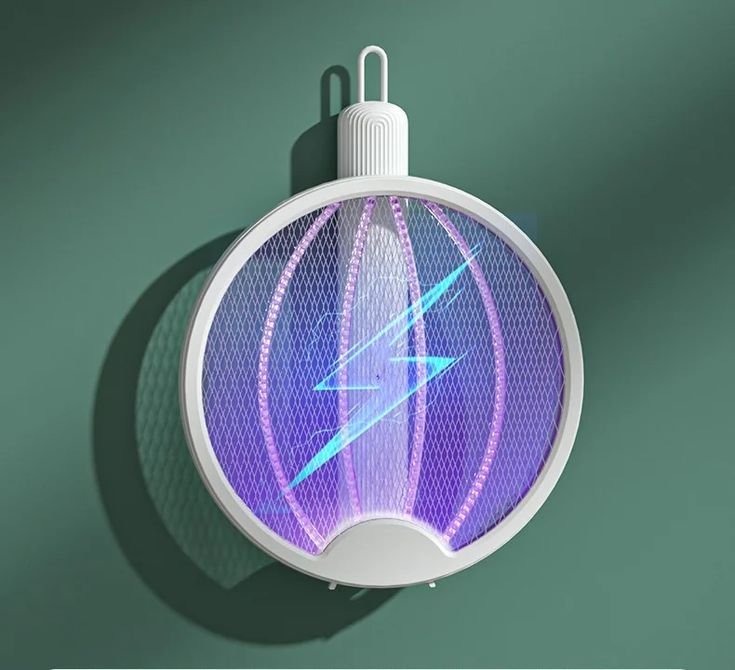
If you’re struggling with annoying mosquitoes, flies, and other flying pests indoors and outdoors, upgrading from traditional manual tools to anElectric Mosquito Swatter is the most efficient solution. Many homeowners and renters search where to buy fly swatter online to find durable, safe, and high-performance electric models that deliver instant pest control.
Where to Buy Fly Swatter
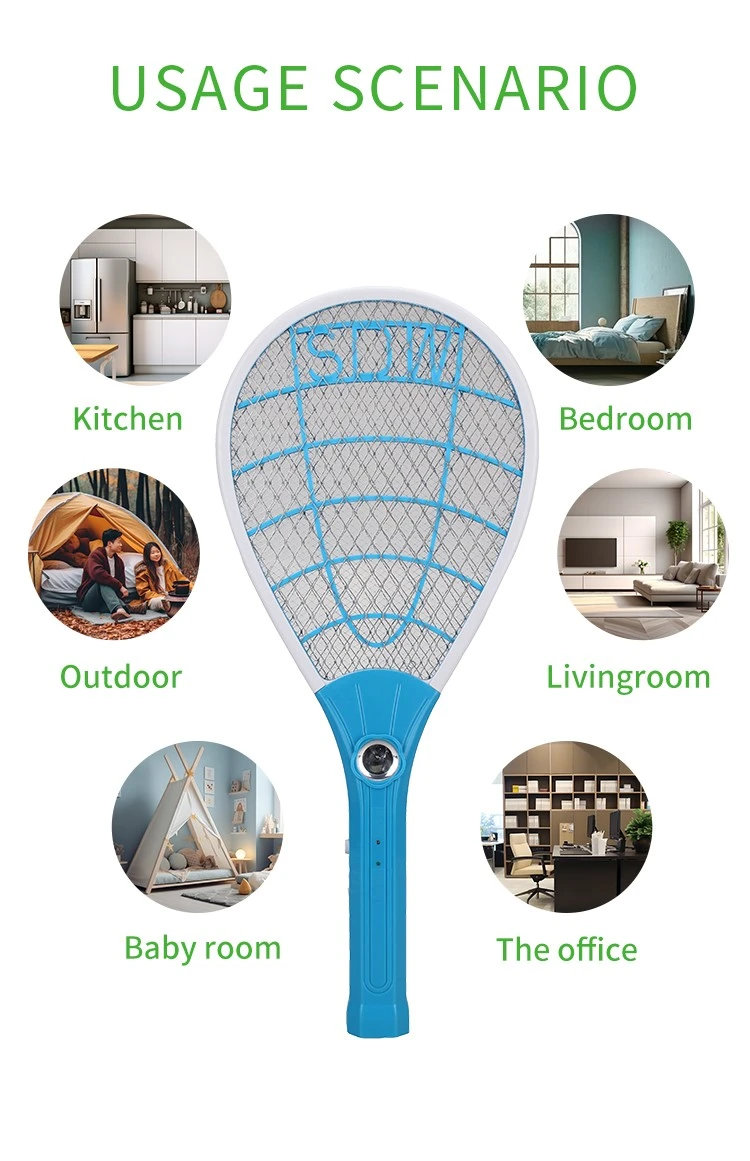
Most importers of electric mosquito swatters obsess over the first order: samples requested, factories vetted, a pre-shipment inspection booked. Then the reorder arrives eight months later and something is off. The grid feels softer. The charge port is a slightly different shade of black. The carton thickness dropped from 350 gsm to 300 gsm. Nothing is catastrophic — but the product no longer matches what your retail customers approved, and quietly, your return rate starts climbing.
How to Keep Mosquito Swatter Quality Consistent Across Repeat Orders
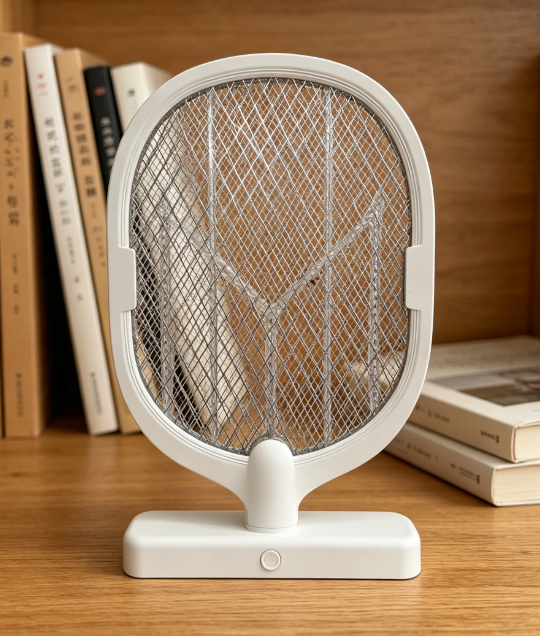
Warranty returns are the silent margin killer in the mosquito control category. A distributor who buys a swatter at $1.80 FOB and retails it at $9.90 can absorb a 1% return rate without noticing — but at 5%, the combined cost of replacement units, reverse logistics, and refund processing erases most of the line's profit.
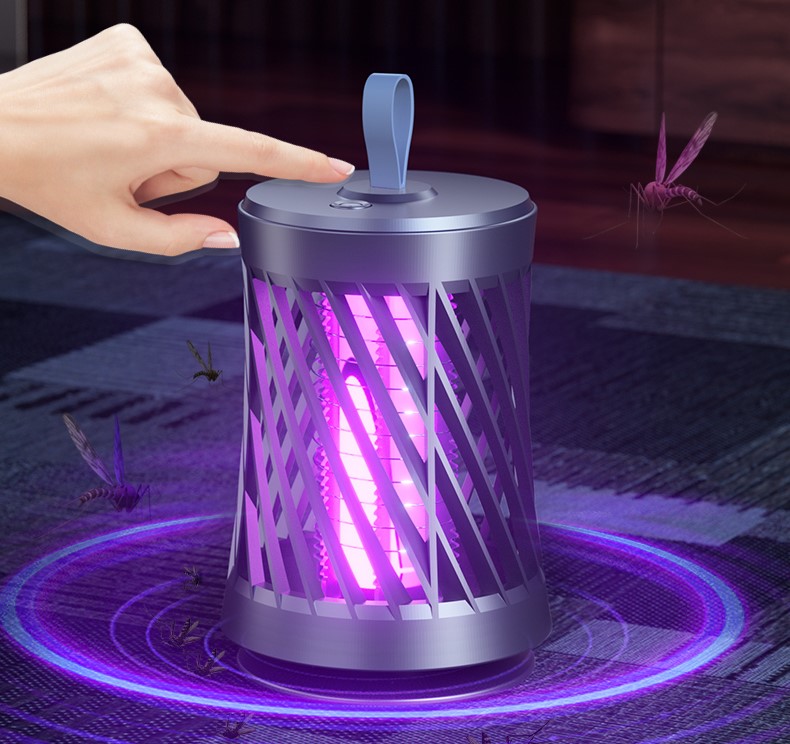
Common mosquito swatter killer lamp failure modes wholesale spec guide

Digital bathroom scales rank as the second-highest-volume consumer weighing product category, only behind kitchen scales, with distinct market and product characteristics that set them apart from other scale types in importers’ product portfolios.
Digital bathroom body fat-bia-scale wholesale buyers guide