
Why White Mosquito Swatters Are More Popular Than Black Ones
2026-03-13
Why White Mosquito Swatters Are More Popular Than Black Ones? Analysis of the Five Reasons for Consumer Preference
Recently, many customers have frequently ordered the white version of the same product, while only a small number of black ones are purchased. This makes people curious: why are white mosquito swatters more popular and best-selling than black ones? Careful consumers will find that the mainstream mosquito swatters on the market are mainly white, while black styles also exist but are far less popular. This is not only related to visual aesthetics, but also involves multiple factors such as user experience, psychological feelings and market trends. This article will deeply analyze why white mosquito swatters are more favored and take you to understand the consumption logic behind color choices.
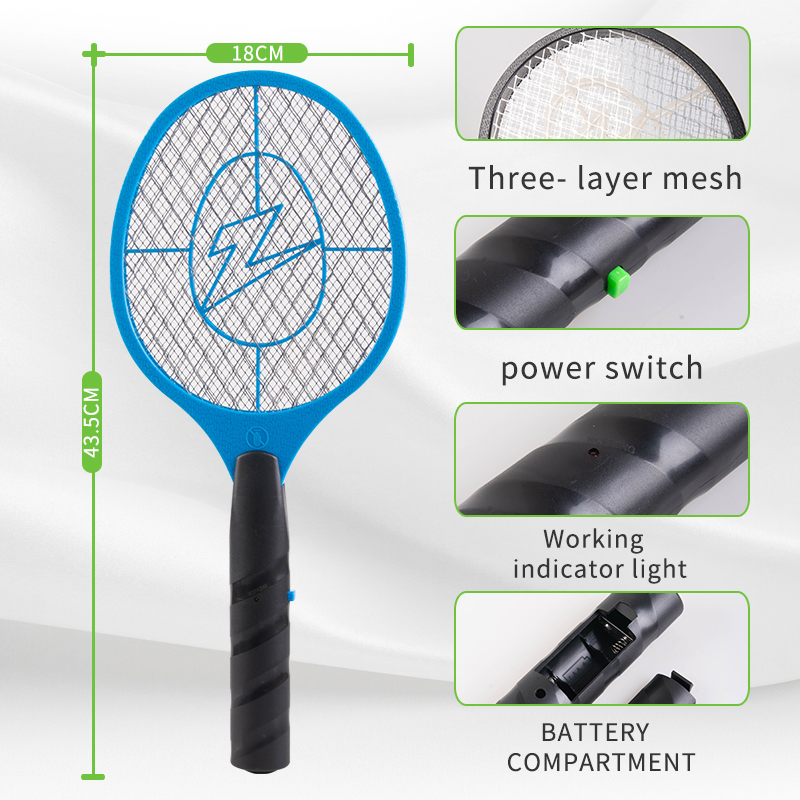
I. More Comfortable Visual Experience, Suitable for Modern Home Aesthetics
1. Softer Light Reflection, Reducing Visual Fatigue
White has the characteristic of high reflectivity. In an indoor light environment, white mosquito swatters will not absorb too much light and will not produce dazzling or dull visual effects. In contrast, black absorbs light. In a dim bedroom or living room environment, black mosquito swatters tend to look depressing, and long-term staring is likely to cause visual fatigue. Especially when used at night, the white body matched with LED mosquito-luring lights has soft and unobtrusive light, which will not interfere with the sleeping atmosphere.
2. High Integration with Home Environment, Enhancing Overall Aesthetics
Modern home decoration styles tend to be simple, fresh and bright. As a classic neutral color, white can easily adapt to various decoration styles—whether Nordic, modern or Japanese minimalism, white mosquito swatters can integrate into the environment, and even become a small ornament in the bedroom or balcony, breaking the dull image of the "tool sense" of traditional small household appliances. However, black mosquito swatters have a heavy color, which is easy to be disconnected from the home environment and look out of place.
II. More Positive Psychological Feelings, Conveying an Impression of Cleanliness and Hygiene
1. White Symbolizes Cleanliness, Reducing Unclean Associations Related to Mosquitoes
Mosquitoes themselves are associated with "dirt and mess". As a symbol of cleanliness and tidiness, white can weaken the negative association of mosquito swatters as "mosquito-killing tools", making it easier for consumers to accept when using them. In contrast, black is easy to remind people of darkness and humidity, which is unconsciously linked to the living environment of mosquitoes, and it is easy to have a sense of resistance psychologically.
2. Reducing Depression, Creating a Relaxed Using Atmosphere
Mosquito swatters are small household appliances used frequently. The lightness of white can make mosquito killing easier. The heaviness of black, however, tends to convey a psychological hint of "heaviness and trouble", affecting the user experience. Especially for female users (accounting for 57.4%), they are more inclined to choose white products that are visually softer and psychologically more comfortable.
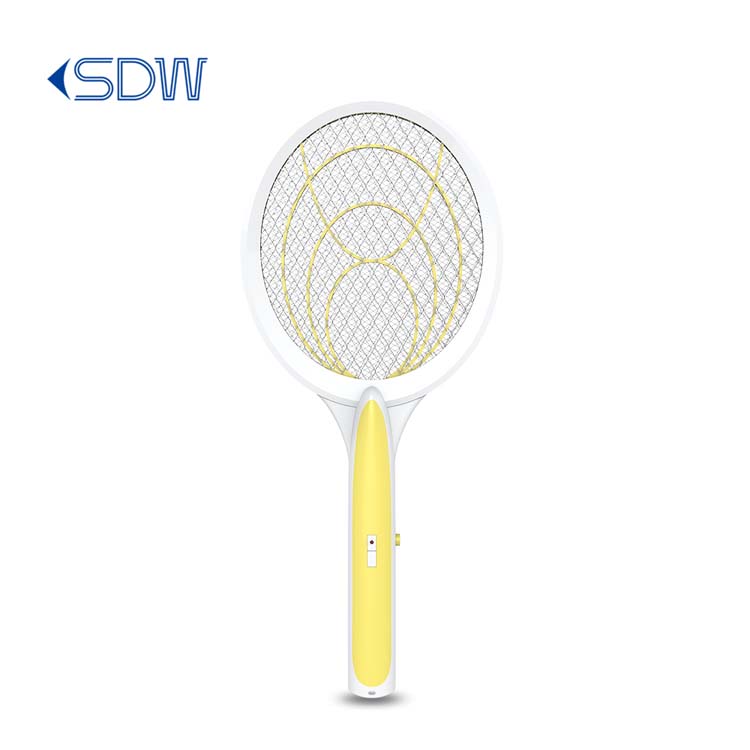
III. More Practical, Balancing Cleanliness and Durability
1. Stains Are Easy to Identify, Making Cleaning and Maintenance More Convenient
The white body has higher recognition of dust, water stains and mosquito remains, so users can find and clean them in time to avoid stain accumulation. In contrast, stains on black surfaces are not easy to be detected, and they tend to look old after long-term use. Moreover, more careful wiping is needed during cleaning, which increases maintenance costs. This "visual reminder" makes white mosquito swatters easier to keep clean and extend their service life.
2. Stable Anti-Aging Performance, Not Easy to Discolor After Long-Term Use
High-quality white mosquito swatters adopt UV-resistant materials, which are not easy to turn yellow or discolor when exposed to the sun for a long time, and always maintain a clean appearance. Although black materials are not easy to get dirty after long-term use, they are prone to fading and discoloration, affecting the appearance. In addition, the slight scratches on white mosquito swatters are not obvious, and they are more resistant to "visual wear" than black ones.
IV. Market Trends and Brand Strategy Guidance, White Becomes the Mainstream Choice
1. Mainstream Brands Prioritize Launching White Styles
Most brand merchants take white as the main color of mosquito swatters. The brand's product strategy is based on market research data—white and blue products account for 64% of sales, while black products only account for 22%, making white one of the most recognized colors by consumers.
2. E-Commerce Platform Data Confirms the Popularity of White
Sales data from platforms such as JD.com and Taobao show that white mosquito swatters have a higher repurchase rate, and "high appearance, good-looking, versatile" have become high-frequency words in user reviews. Brand merchants will also launch more functional upgrades for white styles (such as LED lighting, foldable design) to further strengthen the market advantage of white models.
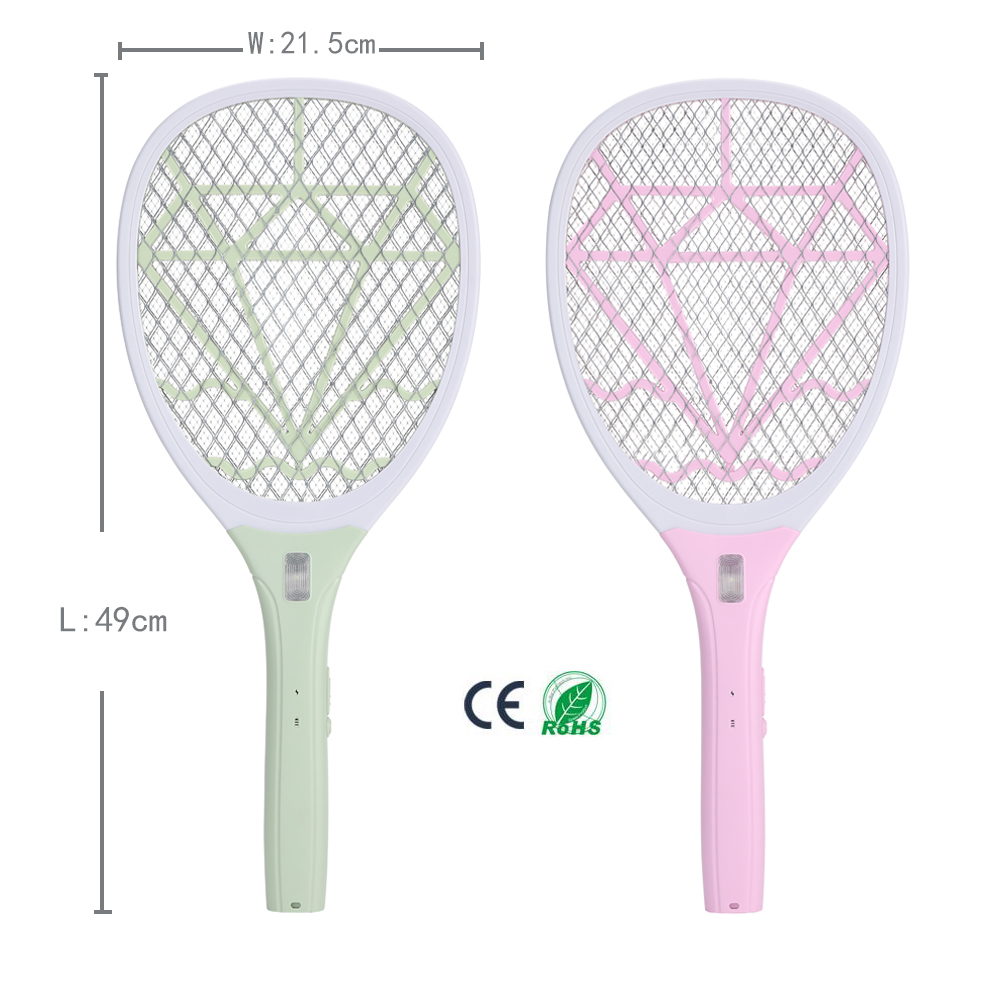
V. Better User Practical Feedback, More Excellent Detailed Experience
1. Higher Recognition at Night, Stronger Safety
White is easier to be found in the night environment. When users wave the mosquito swatter, they can clearly perceive the position of the body, reducing the risk of accidental touch or collision. In contrast, black is easy to "hide" in a dim environment, which is easy to be ignored and increases potential safety hazards during use.
2. Versatile Appearance, Suitable for Multiple Usage Scenarios
White mosquito swatters can not only be placed in bedrooms and living rooms, but also hung in multiple scenarios such as balconies and kitchens, without damaging the overall beauty of the space. However, black styles are more functional, lack decorativeness, and have relatively single usage scenarios.
Conclusion
The popularity of white mosquito swatters is not accidental, but a comprehensive result of vision, psychology, practicality and market trends. It not only meets consumers' basic needs for "mosquito repellent function", but also takes into account beauty, comfort and convenience, which conforms to modern consumers' expectation of "both appearance and strength" for small household appliances. When choosing a mosquito swatter, white is undoubtedly a wiser choice, making the mosquito killing process a refreshing and pleasant home experience.
the Recent USD Exchange Rate
How to Find a Reliable Electric Mosquito Swatter Source Factory
Related Article

If you’re struggling with annoying mosquitoes, flies, and other flying pests indoors and outdoors, upgrading from traditional manual tools to anElectric Mosquito Swatter is the most efficient solution. Many homeowners and renters search where to buy fly swatter online to find durable, safe, and high-performance electric models that deliver instant pest control.
Where to Buy Fly Swatter

Most importers of electric mosquito swatters obsess over the first order: samples requested, factories vetted, a pre-shipment inspection booked. Then the reorder arrives eight months later and something is off. The grid feels softer. The charge port is a slightly different shade of black. The carton thickness dropped from 350 gsm to 300 gsm. Nothing is catastrophic — but the product no longer matches what your retail customers approved, and quietly, your return rate starts climbing.
How to Keep Mosquito Swatter Quality Consistent Across Repeat Orders

Warranty returns are the silent margin killer in the mosquito control category. A distributor who buys a swatter at $1.80 FOB and retails it at $9.90 can absorb a 1% return rate without noticing — but at 5%, the combined cost of replacement units, reverse logistics, and refund processing erases most of the line's profit.
Common mosquito swatter killer lamp failure modes wholesale spec guide

Digital bathroom scales rank as the second-highest-volume consumer weighing product category, only behind kitchen scales, with distinct market and product characteristics that set them apart from other scale types in importers’ product portfolios.
Digital bathroom body fat-bia-scale wholesale buyers guide