
Why Your Mosquito Trap Is Not Working
2026-07-21
Why Your Mosquito Trap Is Not Working: Common Reasons & How to Fix It
Most households and commercial spaces invest in electric mosquito traps and UV mosquito killers to get rid of mosquito infestations. However, many people encounter the same frustrating issue: the mosquito trap stays on all night with the light shining, yet it catches almost no mosquitoes, and mosquito bites remain a constant problem indoors. Many users wonder why mosquito traps don’t catch mosquitoes and assume they have purchased low-quality products.
In most cases, poor mosquito trap performance is not simply caused by product quality issues. It results from a combination of mosquito behavioral habits, working principles, improper usage, and environmental interference. This article thoroughly analyzes the core reasons why mosquito killers do not work and shares practical usage tips for indoor scenarios to fix ineffective mosquito traps and boost mosquito elimination efficiency.
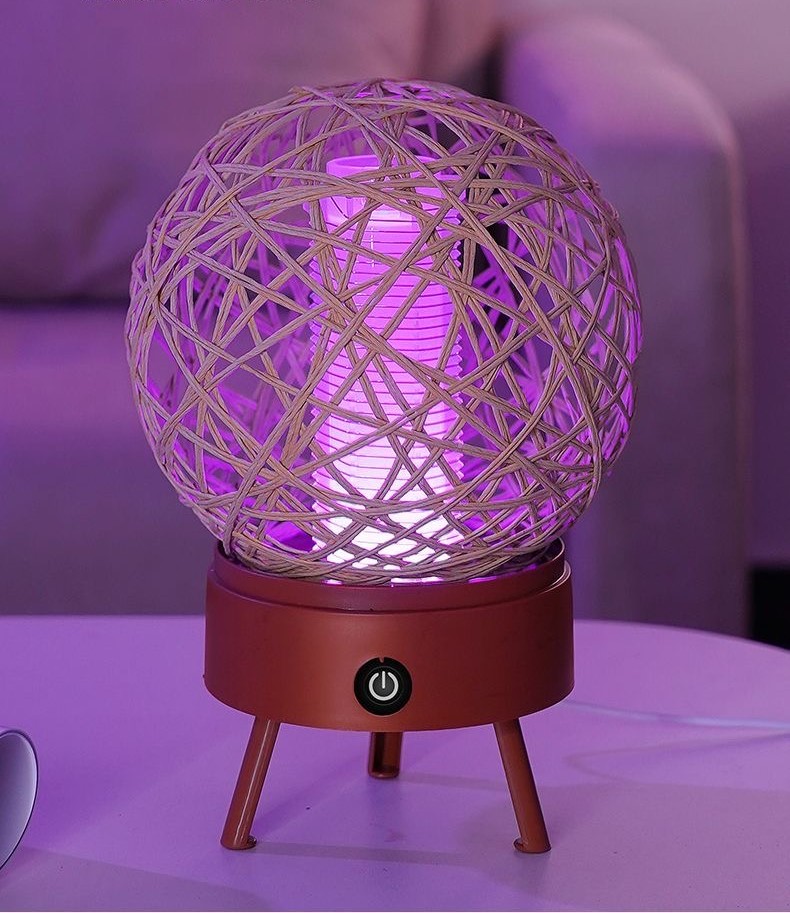
1. How Do Household Mosquito Traps Work?
To figure out why mosquito traps fail to catch mosquitoes, it is essential to understand the working mechanism of standard UV mosquito traps. Over 90% of household electric mosquito traps on the market adopt the UV light phototaxis trapping principle. They emit specific ultraviolet wavelengths to attract mosquitoes using their phototactic instinct, then kill or trap mosquitoes via high-voltage electric grids or built-in suction fans.
Scientific research shows that mosquito compound eyes are most sensitive to UV light within the 365-395nm wavelength range, which is the standard light spectrum for qualified mosquito traps. However, this mosquito trapping method has inherent limitations, which are the fundamental cause of ineffective mosquito traps that most users overlook.
2. 5 Core Reasons Why Mosquito Traps Don’t Catch Mosquitoes
Based on entomological research and consumer association test data, the main reasonswhy mosquito killers fail to trap mosquitoes fall into five categories, covering product quality, mosquito behavior, human operation, and environmental factors. These are also high-frequency search pain points for Google users.
2.1 Mosquitoes Do Not Rely on Light to Find Hosts
This is the primary reason for poor mosquito trap performance. Contrary to common misconceptions, mosquitoes do not locate humans using light. According to international entomological studies, female mosquitoes (the biting and blood-sucking type that causes irritation and disease) target human hosts mainly by detecting exhaled carbon dioxide, body heat, and volatile sweat odors, with minimal attraction to UV light.
In short, the carbon dioxide and body heat released by humans at night are far more attractive to mosquitoes than UV light from mosquito traps. Mosquito traps only attract phototactic small flying insects and male mosquitoes, rarely trapping blood-sucking female mosquitoes. This explains why mosquito traps seem useless while mosquito bites persist indoors.
2.2 Unqualified Light Wavelengths in Low-Cost Mosquito Traps
Sampling tests conducted by the China Consumer Association reveal that nearly 43% of affordable mosquito traps on the market have mismatched light wavelengths. The effective UV spectrum for attracting mosquitoes is 365-395nm, while most cheap viral mosquito traps use ordinary purple LED beads instead of professional UV lamps, emitting light at 400-450nm (blue light spectrum).
Experiments by the Fraunhofer Institute in Germany prove that a mere 10nm deviation in UV wavelength reduces mosquito phototactic response efficiency by over 37%. Although the light appears bright purple to the human eye, it holds no appeal for mosquitoes, resulting in a situation where mosquito traps are on but catch no mosquitoes.
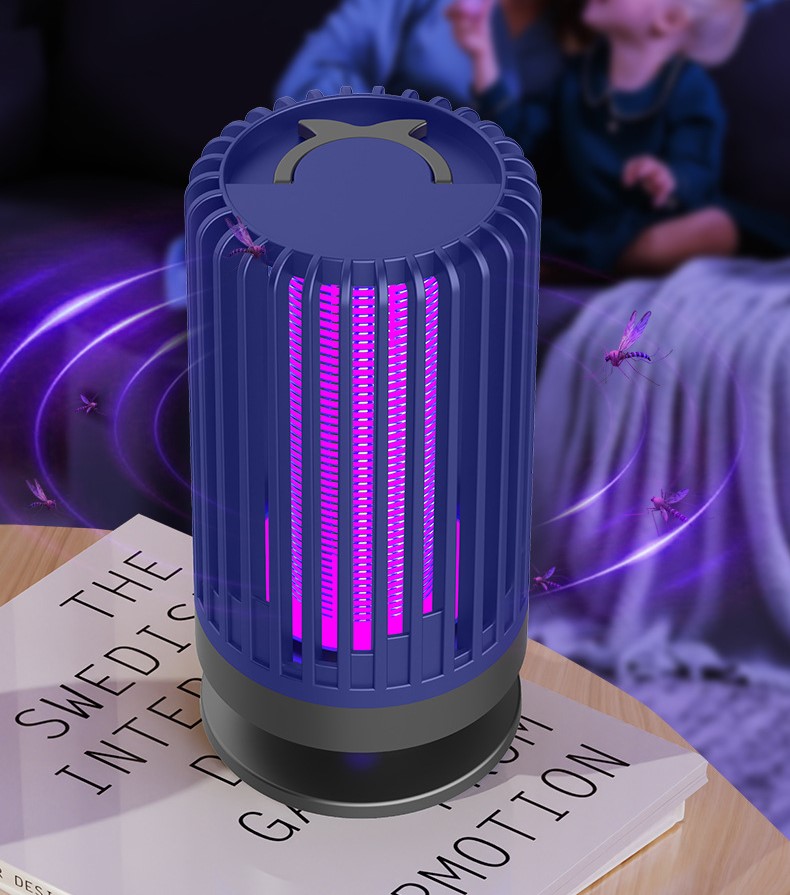
2.3 Ambient Light Interference Neutralizes Trapping Effects
Mosquito trap performance heavily relies on dark environments. Most households suffer from severe ambient light interference during use. Night lights, phone screen glow, streetlights outside windows, and moonlight are all brighter than mosquito trap UV light, completely masking the trap’s attracting signal.
In multi-light environments, mosquitoes are drawn to brighter light sources and ignore mosquito traps entirely. This is why mosquito traps stop working when room lights are on and perform slightly better in total darkness—a commonly overlooked usage mistake.
2.4 Improper Placement Reduces Trapping Rates
Even with qualified wavelengths and no light interference, incorrect placement can render mosquito traps ineffective. Many users place traps on bedside tables, high wall corners, or desktops, which are all wrong positions. Mosquitoes fly low and stay close to walls indoors, so high-placed traps cannot cover their active areas.
Additionally, placing mosquito traps near vents, fans, or strong airflow disturbs the trap’s effective attraction zone, preventing mosquitoes from approaching steadily. Placement near plants or standing water (mosquito breeding grounds) also significantly lowers trapping efficiency.
2.5 Unremoved Mosquito Breeding Grounds (Temporary Solution Only)
Mosquito traps are passive pest control tools that only kill adult flying mosquitoes instead of eliminating breeding sources. Indoor standing water in flower pots, residual garbage, damp sewers, and wet balcony plants serve as continuous mosquito breeding grounds.
Even if traps kill a small number of mosquitoes every night, new mosquitoes keep hatching, creating the illusion that mosquito traps catch no mosquitoes. Relying solely on traps without cleaning breeding sites can never solve mosquito infestations fundamentally.
3. 3 Common Mosquito Trap Usage Mistakes
Besides the core failure causes, most users’ incorrect habits are key factors leading to ineffective mosquito killers. These three mistakes are extremely common among households.
3.1 Running Traps With Room Lights On
Many users turn on mosquito traps during the daytime or with indoor lights on. Ambient light interference completely disables the UV trapping function, resulting in zero mosquito catches and unnecessary device service life loss.
3.2 Staying Close to Active Mosquito Traps
When humans stay near running mosquito traps, continuous carbon dioxide and body heat release create stronger attraction for mosquitoes. Mosquitoes will circle around humans instead of approaching the traps, fully offsetting the trap’s working effect.
3.3 Long-Term Lack of Device Cleaning
Dust and dead mosquito residues accumulated on electric grids and air inlets block UV light, reduce grid voltage, and weaken suction power. Long-term uncleaned traps suffer continuous performance degradation and eventually fail to catch any mosquitoes.
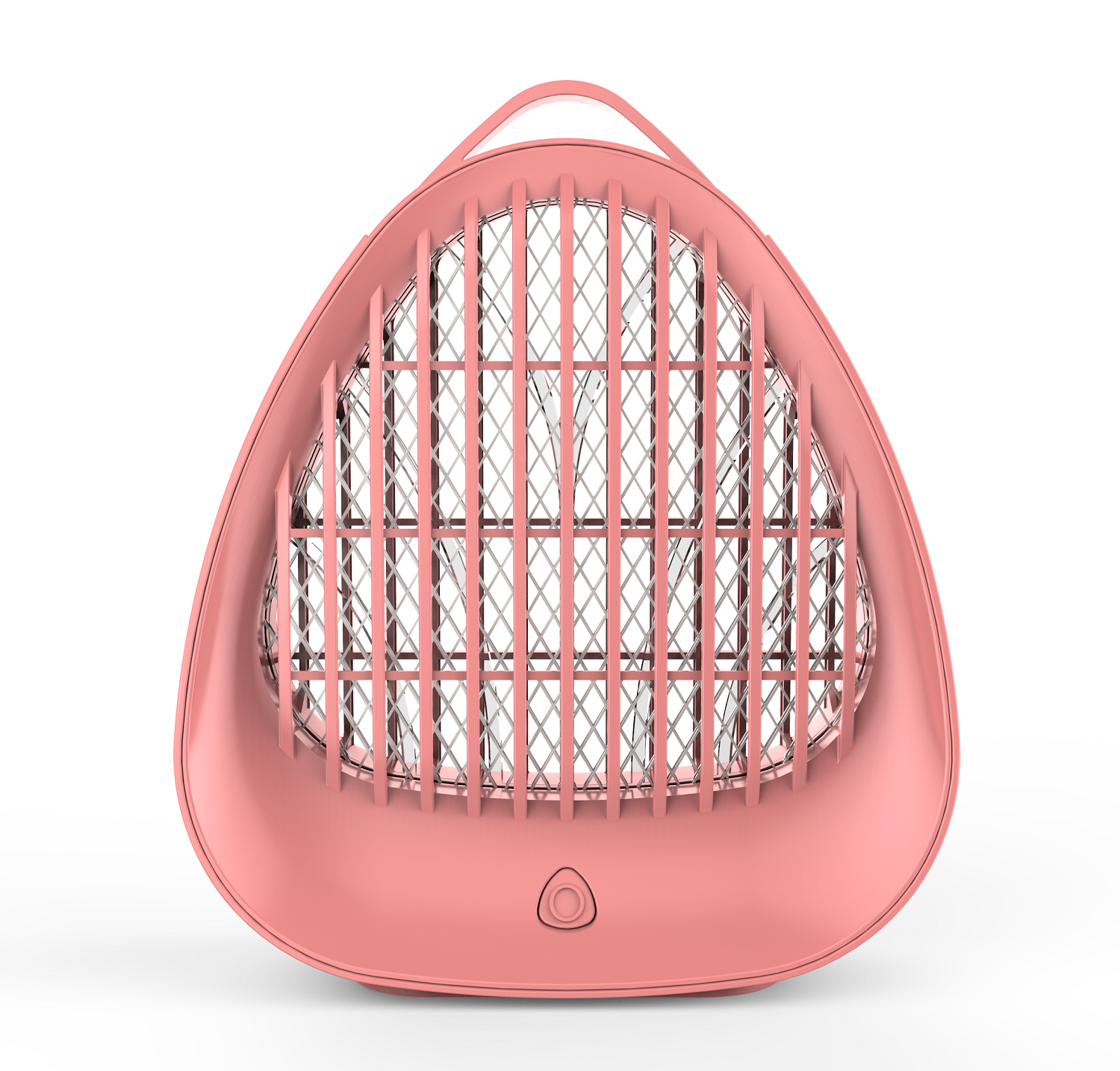
4. Effective Tips to Improve Mosquito Trap Efficiency
After understanding the failure causes, standardized usage methods can maximize mosquito trap performance, solve the problem of ineffective trapping, and adapt to home, bedroom, living room, and office scenarios.
4.1 Choose Mosquito Traps With Qualified UV Wavelengths
Prioritize professional mosquito traps with a 365-395nm UV spectrum and avoid ordinary purple LED traps. Upgraded models with simulated CO2 and thermal induction functions are highly recommended. They make up for the shortcomings of pure light trapping and accurately attract blood-sucking female mosquitoes for better results.
4.2 Standardize Placement Position & Height
For household use, place mosquito traps 80-120cm above the ground, close to walls and mosquito active areas. Keep them away from beds, human resting areas, vents, and strong light sources. Separate traps in living rooms and bedrooms for full indoor coverage.
4.3 Control Usage Time & Environment
It is recommended to turn on mosquito traps 1-2 hours before bedtime, turn off all indoor lights, and close curtains to trap mosquitoes in an undisturbed dark environment. Keep the room completely dark during sleep and turn off auxiliary light sources such as phones and night lights to maximize trapping efficiency.
4.4 Regular Cleaning & Breeding Ground Removal
Clean dead mosquitoes and surface dust from traps weekly to ensure unobstructed UV light and normal grid operation. Meanwhile, regularly clean indoor standing water, garbage, and damp corners to reduce mosquito breeding from the source, achieving optimal mosquito control with trap assistance.
5. Scenarios Where Mosquito Traps Are Basically Ineffective
Mosquito traps are not universal mosquito control tools and barely work in specific scenarios. They are ineffective in outdoor and balcony ventilation areas due to unstable airflow and complex ambient light. In humid environments with dense mosquito populations, mosquito breeding speed far outpaces trapping speed. Additionally, Aedes mosquitoes (dengue mosquitoes) have extremely weak phototaxis, making pure light-based traps ineffective.
6. Conclusion
In summary, why mosquito traps don’t catch mosquitoes is rarely caused by single device failure. It results from a combination of mosquito behavioral traits, unqualified light wavelengths, environmental light interference, improper usage, and uncleaned breeding grounds. Pure UV light mosquito traps have inherent flaws in attracting blood-sucking female mosquitoes, and most users’ non-standard usage further leads to ineffective results.
To boost mosquito trap efficiency, choose traps with standard UV wavelengths, follow correct placement and usage rules, and eliminate indoor mosquito breeding sources. This way, you can maximize the auxiliary effect of mosquito traps and effectively solve indoor mosquito infestation problems.
What Is the Standard Electric Mosquito Swatter Weight
What Are the Most Venomous Mosquitoes
Related Article

If you’re struggling with annoying mosquitoes, flies, and other flying pests indoors and outdoors, upgrading from traditional manual tools to anElectric Mosquito Swatter is the most efficient solution. Many homeowners and renters search where to buy fly swatter online to find durable, safe, and high-performance electric models that deliver instant pest control.
Where to Buy Fly Swatter
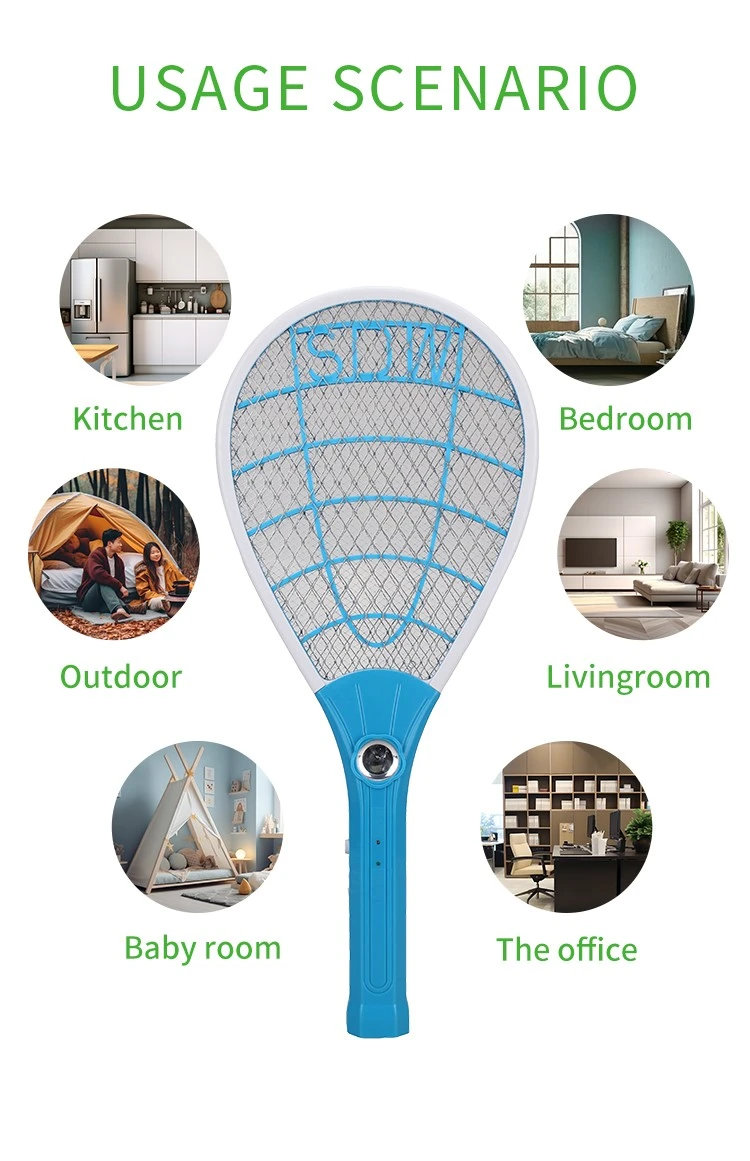
Most importers of electric mosquito swatters obsess over the first order: samples requested, factories vetted, a pre-shipment inspection booked. Then the reorder arrives eight months later and something is off. The grid feels softer. The charge port is a slightly different shade of black. The carton thickness dropped from 350 gsm to 300 gsm. Nothing is catastrophic — but the product no longer matches what your retail customers approved, and quietly, your return rate starts climbing.
How to Keep Mosquito Swatter Quality Consistent Across Repeat Orders
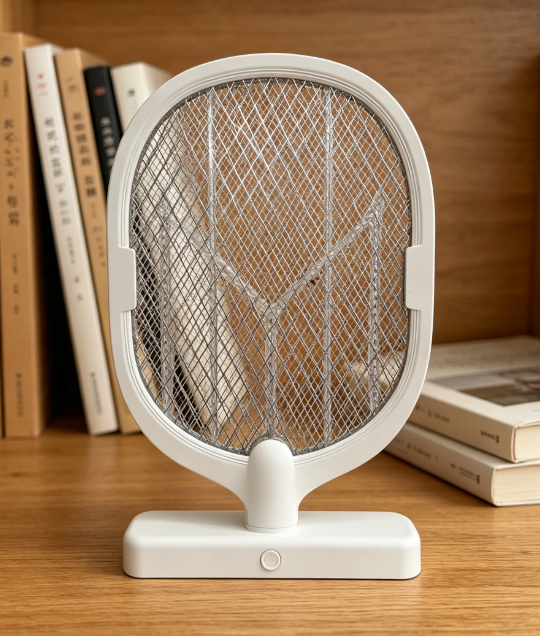
Warranty returns are the silent margin killer in the mosquito control category. A distributor who buys a swatter at $1.80 FOB and retails it at $9.90 can absorb a 1% return rate without noticing — but at 5%, the combined cost of replacement units, reverse logistics, and refund processing erases most of the line's profit.
Common mosquito swatter killer lamp failure modes wholesale spec guide

Digital bathroom scales rank as the second-highest-volume consumer weighing product category, only behind kitchen scales, with distinct market and product characteristics that set them apart from other scale types in importers’ product portfolios.
Digital bathroom body fat-bia-scale wholesale buyers guide