
Will a Bug Zapper Catch Fire if It Gets Too Hot
2025-08-06
Bug zappers are a common tool for repelling insects in every household, with almost every family having one. In summer, as the temperature rises or the device runs for a long time, some bug zappers may feel a bit hot. Just like all electronic products, we will worry about whether they will explode or catch fire in case of overheating.
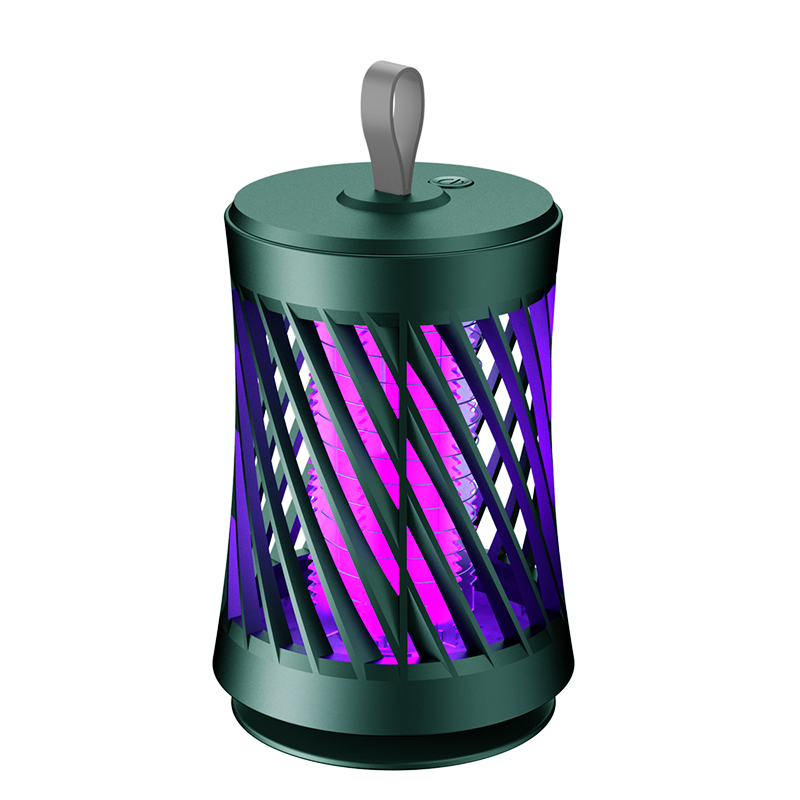
Understanding the Design and Safety of Bug Zappers
Most modern bug zappers are equipped with basic safety features during design to reduce the risk of fire.
Built-in Protection Devices
Well-known brands of bug zappers usually use heat-resistant materials in their casings and circuits. Many models are also equipped with thermal fuses or circuit breakers, which will automatically cut off the power when the device reaches an unsafe temperature. These features are designed to prevent overheating from escalating into a fire hazard.
Power Source Type Matters
There are two types of bug zappers: electric (plug-in) and battery-powered. Electric models consume power continuously, and if there is a problem with the circuit, the risk of overheating is slightly higher; while battery-powered models generally generate less heat overall.
When Does Overheating Become a Risk?
Although rare, an overheated bug zapper may indeed pose a fire risk. This is usually caused by external factors or improper maintenance. The following are key scenarios to be vigilant about:
Blocked Ventilation
Bug zappers need air circulation to dissipate heat. If debris such as dead insects, dust, or leaves clogs the vents, heat will accumulate inside the device. Over time, this trapped heat may damage internal components and, in extreme cases, ignite nearby flammable materials.
Proximity to Flammables
Placing a bug zapper near curtains, clothes, paper, or other combustible materials increases the fire risk. Even a normally operating bug zapper emits a certain amount of heat, and if flammables are too close, they may ignite.
Faulty Wiring or Equipment Damage
Damaged power cords, frayed wires, or worn internal components due to aging may cause short circuits. Short circuits generate extremely high heat, which may cause a fire if not handled in time.

How to Prevent Overheating and Fire Risks
Taking proactive measures can significantly reduce the possibility of a bug zapper overheating or catching fire.
Regular Cleaning
Clean the bug zapper at least once a week (more frequently during peak insect seasons). Use a soft brush or compressed air to remove dead insects, dust, and debris from the grid and vents. This ensures proper air circulation and prevents heat accumulation.
Proper Placement
Keep the bug zapper at least 1.5 meters away from flammable materials, including furniture, plants, and outdoor structures such as wooden decks. Avoid placing it in direct sunlight for a long time, as this will increase the ambient temperature and burden the device. If it is a hanging type, ensure it is installed securely to prevent it from tipping over onto flammables.
Check for Damage
Regularly inspect the power cord and plug for wear, cracks, or exposed wires. If any damage is found, stop using the bug zapper immediately and either have it repaired (by a professional) or replaced. Also, check the internal grid for signs of corrosion or wear, which can affect performance.
Use as Directed
Follow the manufacturer's instructions for use, including the recommended operating time. Avoid leaving the bug zapper running 24 hours a day - most models work well when used in the evening and night when insects are most active.
What to Do If the Bug Zapper Overheats?
If you find that the device feels extremely hot, emits a burning smell, or sparks, you should immediately unplug it (or remove the battery), move it away from all flammable materials, and let it cool completely before inspecting for damage. Do not use it again until the cause of overheating is identified and resolved.
Conclusion
As long as it is properly maintained, the risk of a bug zapper catching fire due to overheating is very low, but not entirely non-existent. By understanding the potential risks, maintaining the device regularly, and using it safely, you can enjoy its insect-repelling benefits with peace of mind. Remember: a little prevention goes a long way in keeping your home and family safe.
Different Types of UV Insect Traps
Where to Buy a good Fly Swatter
Related Article

If you’re struggling with annoying mosquitoes, flies, and other flying pests indoors and outdoors, upgrading from traditional manual tools to anElectric Mosquito Swatter is the most efficient solution. Many homeowners and renters search where to buy fly swatter online to find durable, safe, and high-performance electric models that deliver instant pest control.
Where to Buy Fly Swatter

Most importers of electric mosquito swatters obsess over the first order: samples requested, factories vetted, a pre-shipment inspection booked. Then the reorder arrives eight months later and something is off. The grid feels softer. The charge port is a slightly different shade of black. The carton thickness dropped from 350 gsm to 300 gsm. Nothing is catastrophic — but the product no longer matches what your retail customers approved, and quietly, your return rate starts climbing.
How to Keep Mosquito Swatter Quality Consistent Across Repeat Orders

Warranty returns are the silent margin killer in the mosquito control category. A distributor who buys a swatter at $1.80 FOB and retails it at $9.90 can absorb a 1% return rate without noticing — but at 5%, the combined cost of replacement units, reverse logistics, and refund processing erases most of the line's profit.
Common mosquito swatter killer lamp failure modes wholesale spec guide

Digital bathroom scales rank as the second-highest-volume consumer weighing product category, only behind kitchen scales, with distinct market and product characteristics that set them apart from other scale types in importers’ product portfolios.
Digital bathroom body fat-bia-scale wholesale buyers guide