
will a bug zapper kill gnats
2025-06-03
Will a Bug Zapper Kill Gnats
Gnats can be a frustrating nuisance, swarming around your home, garden, or even your drinks. When looking for effective ways to get rid of them, many people wonder: will a bug zapper kill gnats? Let’s delve into the details to understand how bug zappers work against these tiny pests and what factors might influence their effectiveness.
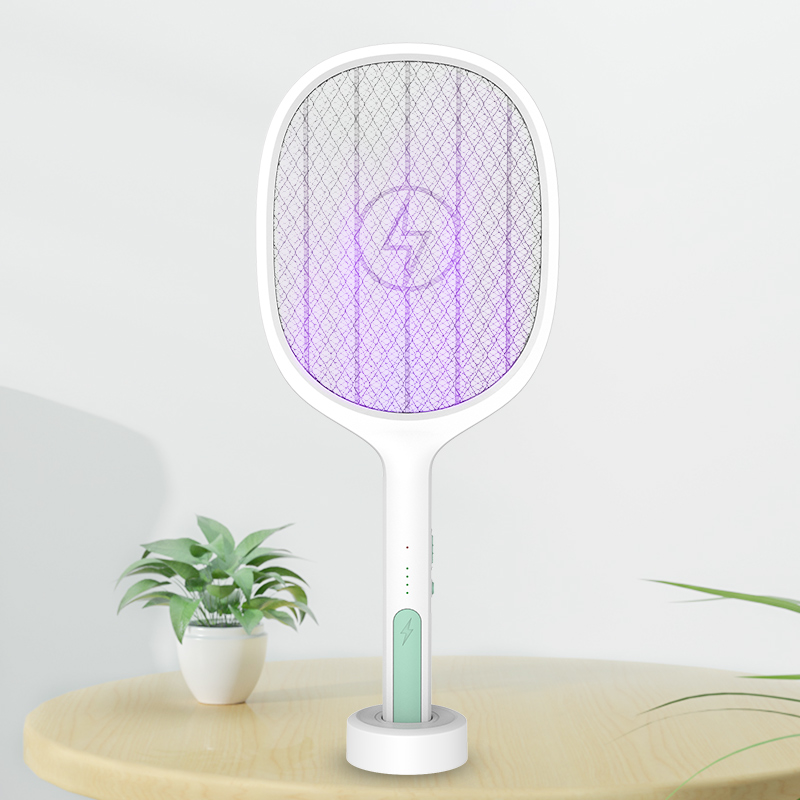
How Bug Zappers Work Against Gnats
The Attraction Mechanism
Bug zappers primarily rely on ultraviolet (UV) light to attract flying insects. Gnats, like many other flying bugs, are naturally drawn to UV light. When they approach the bug zapper, they come into contact with the electrified metal grids. The high voltage on these grids electrocutes the gnats, effectively killing them on the spot. This process makes bug zappers seem like a promising solution for gnat control.
Gnat Behavior and Vulnerability
Gnats are small, weak fliers that often hover around light sources. Their attraction to light, combined with their tendency to fly in large swarms, makes them easy targets for bug zappers. Once they are lured in by the UV light, the likelihood of them coming into contact with the electrified grids is relatively high, increasing the chances of extermination.
Factors Affecting Bug Zapper Effectiveness Against Gnats
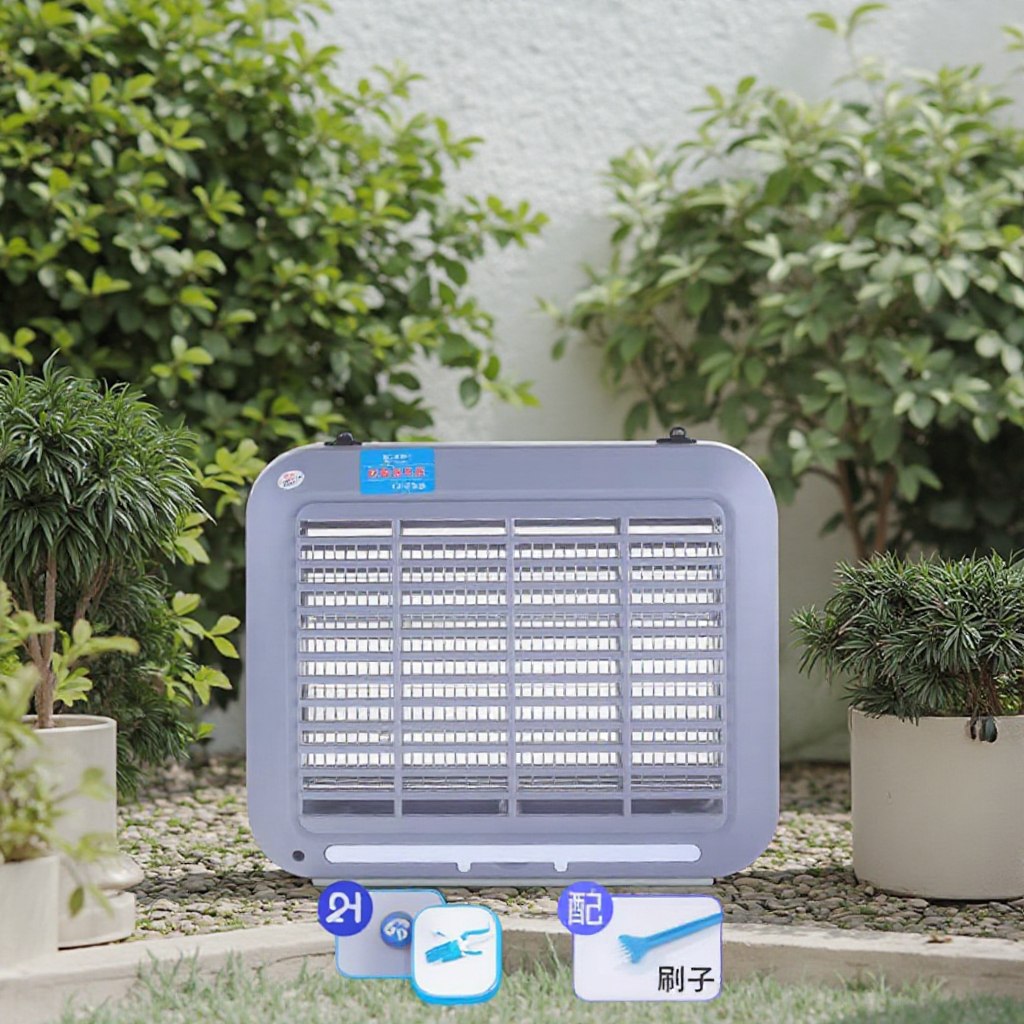
The effectiveness of a bug zapper in killing gnats can be significantly influenced by the surrounding environment. In areas with a high density of competing light sources, such as near streetlights or well-lit buildings, the UV light of the bug zapper may not be as attractive to gnats. Additionally, outdoor conditions like wind can disrupt the flight paths of gnats, making it harder for them to reach the bug zapper and reducing its overall efficacy.
Type of Bug Zapper
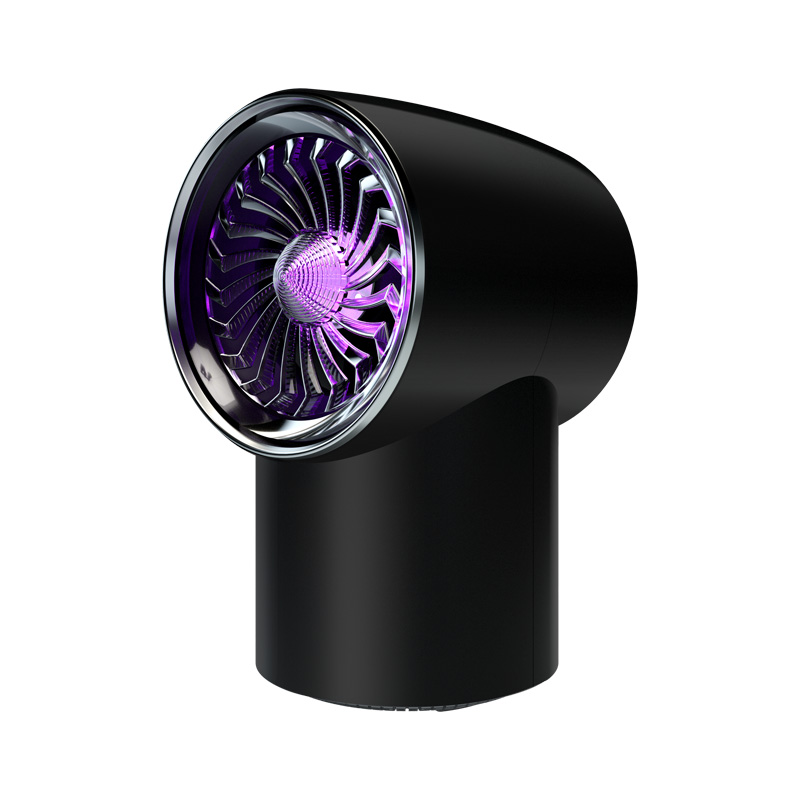
Not all bug zappers are created equal. Some models may have a more powerful UV light, covering a larger area and attracting more gnats. Others might have a higher voltage on the metal grids, ensuring a more efficient kill rate. Additionally, bug zappers with additional features like fans to draw in insects or specialized coatings on the grids can enhance their performance against gnats.
Placement of the Bug Zapper
Proper placement is crucial for a bug zapper to work effectively against gnats. Placing it in areas where gnats are most active, such as near standing water (a common breeding ground for gnats) or in the corners of rooms where they tend to gather, can increase the chances of attracting and eliminating them. Hanging the bug zapper at an appropriate height, typically around 5 - 6 feet, also helps ensure that it can reach the flight level of gnats.
Tips for Using Bug Zappers to Kill Gnats
To keep your bug zapper working at its best, regular maintenance is essential. Clean the collection tray or grids frequently to remove dead gnats and other insects. A clogged tray can reduce the device’s efficiency and may even cause it to malfunction. Follow the manufacturer’s instructions for proper cleaning and upkeep to extend the lifespan of your bug zapper.
Combine with Other Methods
While bug zappers can be effective, they may not eliminate all gnats on their own. Consider combining them with other gnat control methods. For example, you can use gnat traps, which are designed specifically to attract and capture gnats using scents or sticky substances. Additionally, reducing the presence of standing water and keeping your living spaces clean can help eliminate gnat breeding grounds and complement the efforts of the bug zapper.
In conclusion, a bug zapper can indeed kill gnats, thanks to their attraction to UV light and vulnerability to the electrocution mechanism. However, several factors can impact its effectiveness. By understanding these factors and following the tips for proper use, you can maximize the bug zapper’s ability to keep your spaces free from these pesky insects.
Does a Bug Zapper Work
Can You Use a Bug Zapper Indoors
Related Article

If you’re struggling with annoying mosquitoes, flies, and other flying pests indoors and outdoors, upgrading from traditional manual tools to anElectric Mosquito Swatter is the most efficient solution. Many homeowners and renters search where to buy fly swatter online to find durable, safe, and high-performance electric models that deliver instant pest control.
Where to Buy Fly Swatter
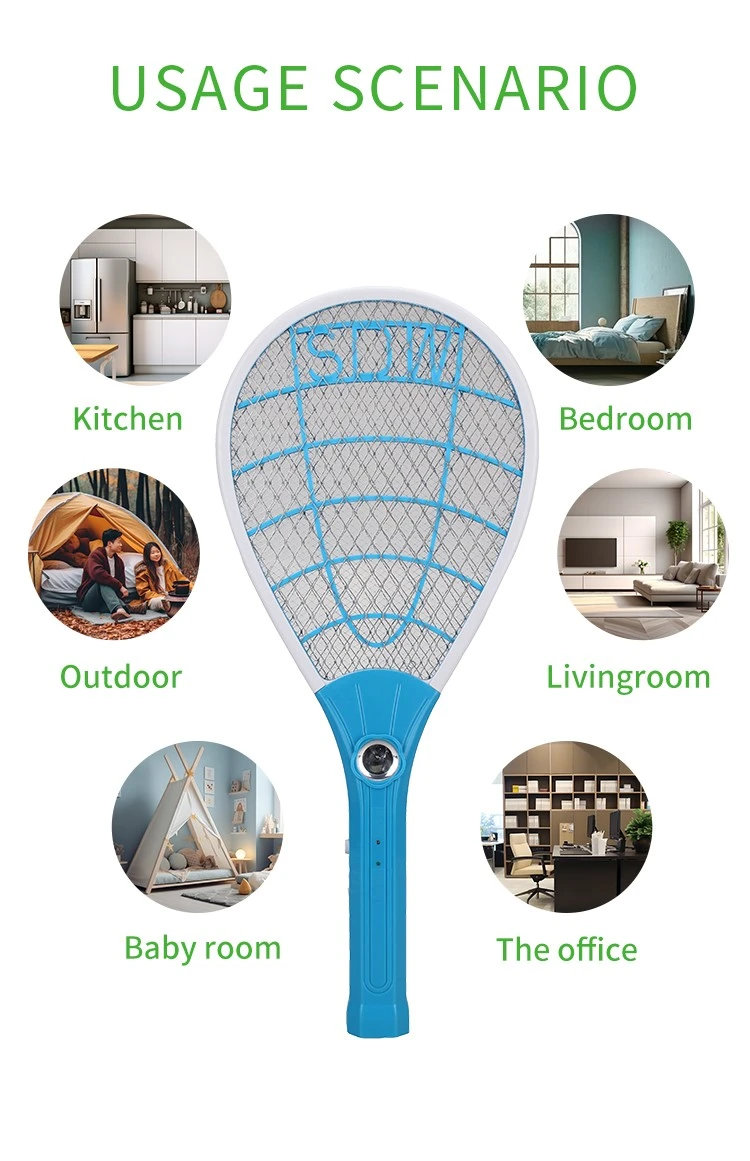
Most importers of electric mosquito swatters obsess over the first order: samples requested, factories vetted, a pre-shipment inspection booked. Then the reorder arrives eight months later and something is off. The grid feels softer. The charge port is a slightly different shade of black. The carton thickness dropped from 350 gsm to 300 gsm. Nothing is catastrophic — but the product no longer matches what your retail customers approved, and quietly, your return rate starts climbing.
How to Keep Mosquito Swatter Quality Consistent Across Repeat Orders
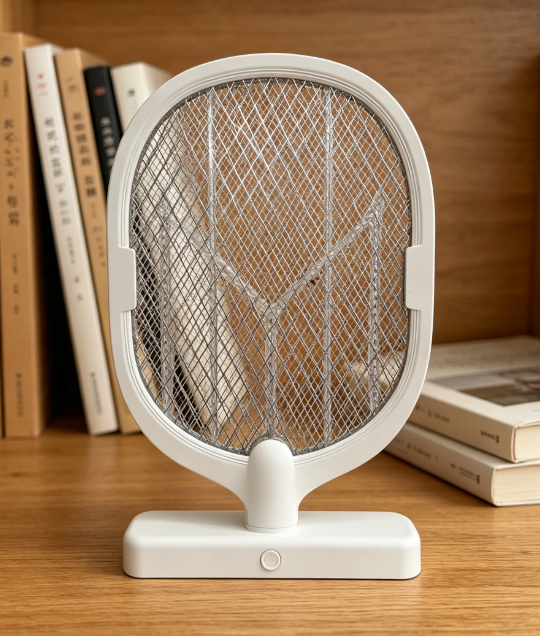
Warranty returns are the silent margin killer in the mosquito control category. A distributor who buys a swatter at $1.80 FOB and retails it at $9.90 can absorb a 1% return rate without noticing — but at 5%, the combined cost of replacement units, reverse logistics, and refund processing erases most of the line's profit.
Common mosquito swatter killer lamp failure modes wholesale spec guide

Digital bathroom scales rank as the second-highest-volume consumer weighing product category, only behind kitchen scales, with distinct market and product characteristics that set them apart from other scale types in importers’ product portfolios.
Digital bathroom body fat-bia-scale wholesale buyers guide