
Will a Bug Zapper Kill Mosquito
2025-06-17
Will a Bug Zapper Kill Mosquito?
Summer evenings are often accompanied by the annoying hum of mosquitoes, and many people turn to bug zappers in hopes of getting some relief. But the lingering question is: will a bug zapper actually kill mosquitoes? Let’s explore this topic in detail.
The Inner Workings of Bug Zappers
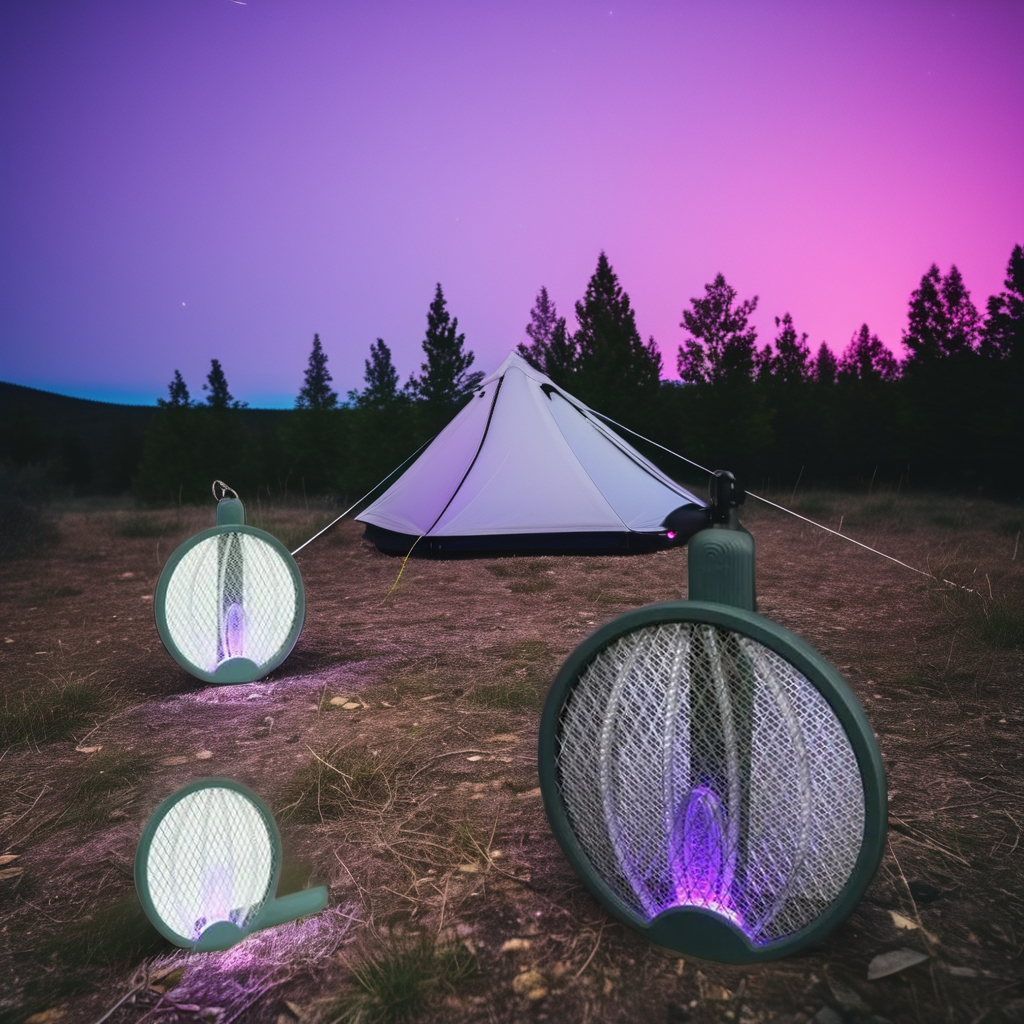
How the Attraction Mechanism Works
Bug zappers operate on a relatively simple yet effective principle. At their core, they utilize ultraviolet (UV) light as a powerful attractant. Insects, including mosquitoes, have photoreceptor cells in their eyes that are highly sensitive to UV wavelengths. The UV light emitted by the zapper mimics natural light sources that insects are instinctively drawn to, such as the glow of the moon on a clear night or the filtered sunlight peeking through foliage. Once lured by the light, the insects fly towards it, unknowingly approaching a deadly trap.
The Killing Process
Embedded within the bug zapper is an electrically charged grid. When the attracted insects come into contact with this grid, a high-voltage electrical current is discharged. This sudden jolt of electricity is powerful enough to instantly kill the insects upon contact, effectively neutralizing them and preventing them from causing further annoyance.
Can Bug Zappers Truly Vanquish Mosquitoes?
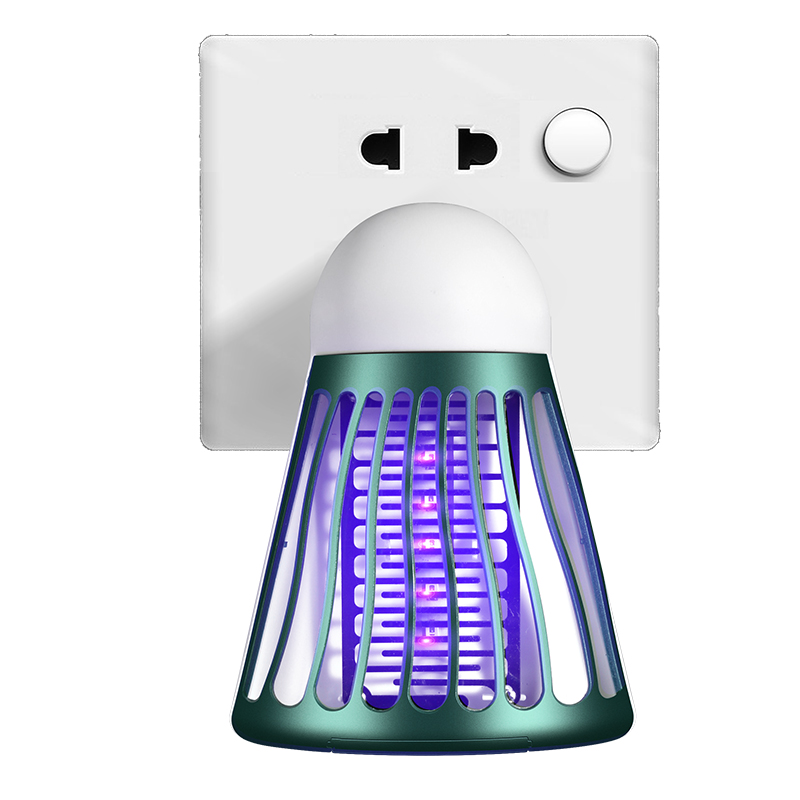
A Resounding Yes, But with Caveats
Yes, bug zappers can and do kill mosquitoes. Mosquitoes, despite not relying solely on light cues for navigation and hunting, are still susceptible to the allure of UV light. However, it’s important to note that while bug zappers can eliminate mosquitoes that are attracted to the light, they are far from a foolproof solution for mosquito control.
Effectiveness in Real-World Scenarios
In real-world settings, the ability of bug zappers to significantly reduce the mosquito population in an area is quite limited. Mosquitoes primarily rely on other sensory cues to locate their prey, such as the carbon dioxide exhaled by humans and animals, body heat, and the unique chemical composition of sweat. These factors make them more likely to seek out living hosts rather than be drawn to a light source. As a result, only a fraction of the local mosquito population may actually be attracted to and killed by a bug zapper.
The Drawbacks of Relying Solely on Bug Zappers
Collateral Damage to Beneficial Insects
One of the major drawbacks of bug zappers is the collateral damage they cause to beneficial insects. Along with mosquitoes, bug zappers attract a wide array of other insects, many of which play crucial roles in the ecosystem. Pollinators like bees and butterflies, as well as beneficial predators such as ladybugs and lacewings, are often lured to their deaths by the UV light. This unintended consequence can disrupt the delicate balance of the local ecosystem, potentially harming plant pollination and natural pest control processes.
Inefficiency in Targeting Problematic Mosquitoes
Since mosquitoes are not primarily light-seeking insects, bug zappers fail to target the mosquitoes that pose the greatest threat to humans – those actively seeking out blood meals. These biting mosquitoes are more focused on finding hosts rather than being attracted to the light of a zapper, meaning that the bug zapper may not effectively reduce the risk of mosquito-borne diseases or prevent itchy mosquito bites.
Comprehensive Approaches to Mosquito Control
Complementary Methods
To effectively control the mosquito population, it’s essential to use bug zappers in conjunction with other methods. Mosquito repellents containing active ingredients like DEET, picaridin, or oil of lemon eucalyptus create a protective barrier on the skin, deterring mosquitoes from landing and biting. Wearing long-sleeved clothing and pants, especially during peak mosquito activity times at dawn and dusk, also provides an additional layer of physical protection.
Source Reduction
Another crucial aspect of mosquito control is source reduction. Mosquitoes require standing water to breed, so eliminating potential breeding sites around your home is vital. This includes regularly emptying and cleaning birdbaths, flower pots, and other containers that can hold water, as well as ensuring proper drainage in yards and gardens. Installing screens on windows and doors and using mosquito netting over beds can also prevent mosquitoes from entering living spaces.
Conclusion
In conclusion, while a bug zapper will indeed kill mosquitoes that are attracted to its UV light, it is not a comprehensive solution for mosquito control on its own. To effectively protect yourself and your family from mosquitoes and the diseases they may carry, it’s best to adopt a multi-faceted approach that combines the use of bug zappers with other proven mosquito control methods. By doing so, you can enjoy the outdoors without the constant nuisance of mosquitoes.
Are Mosquito Attracted to a Bug Zapper
How to Get Rid of Fruit Fly
Related Article

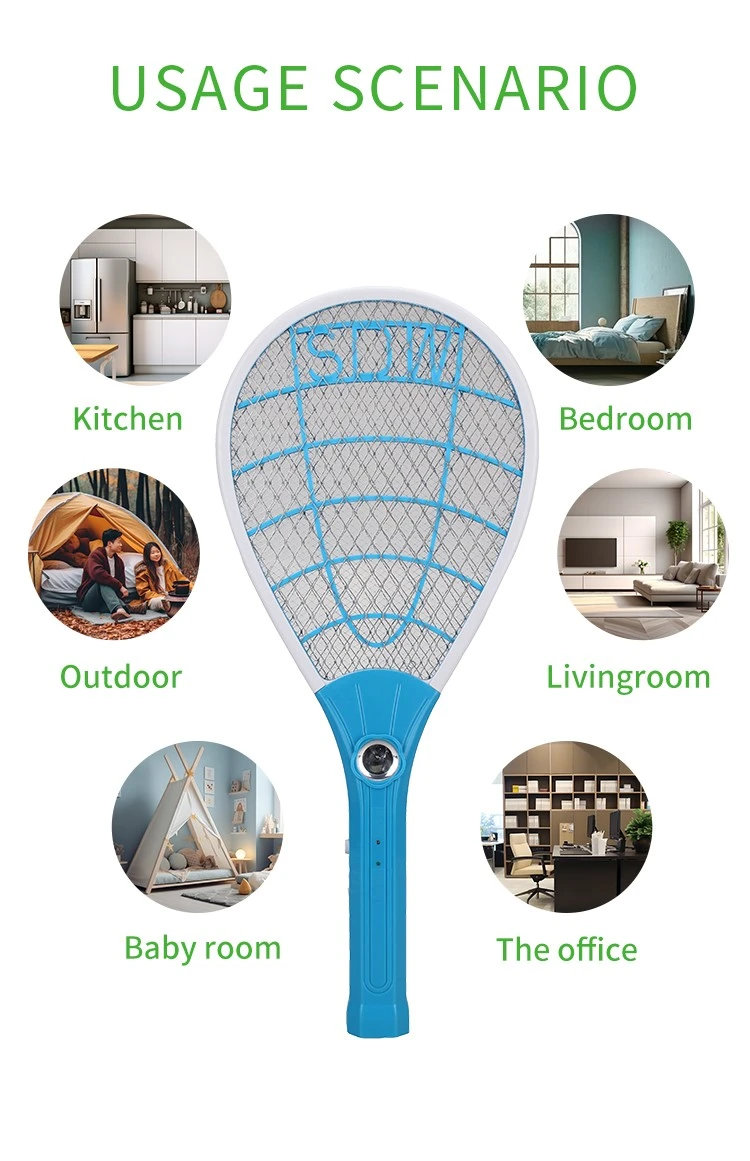
If you’re struggling with annoying mosquitoes, flies, and other flying pests indoors and outdoors, upgrading from traditional manual tools to anElectric Mosquito Swatter is the most efficient solution. Many homeowners and renters search where to buy fly swatter online to find durable, safe, and high-performance electric models that deliver instant pest control.
Where to Buy Fly Swatter
Most importers of electric mosquito swatters obsess over the first order: samples requested, factories vetted, a pre-shipment inspection booked. Then the reorder arrives eight months later and something is off. The grid feels softer. The charge port is a slightly different shade of black. The carton thickness dropped from 350 gsm to 300 gsm. Nothing is catastrophic — but the product no longer matches what your retail customers approved, and quietly, your return rate starts climbing.
How to Keep Mosquito Swatter Quality Consistent Across Repeat Orders
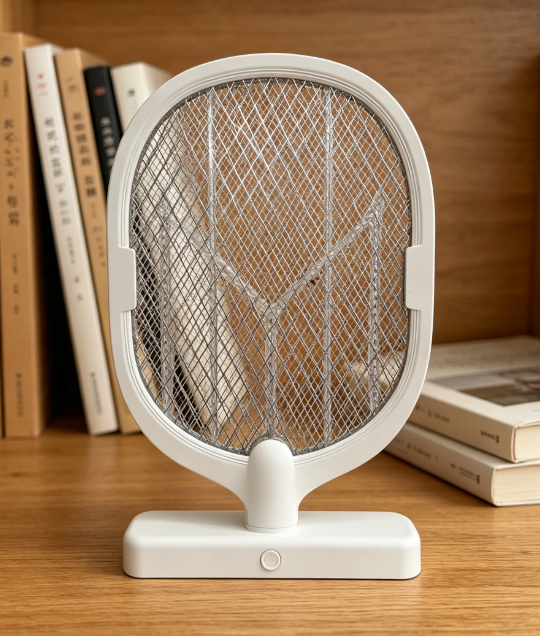
Warranty returns are the silent margin killer in the mosquito control category. A distributor who buys a swatter at $1.80 FOB and retails it at $9.90 can absorb a 1% return rate without noticing — but at 5%, the combined cost of replacement units, reverse logistics, and refund processing erases most of the line's profit.
Common mosquito swatter killer lamp failure modes wholesale spec guide

Digital bathroom scales rank as the second-highest-volume consumer weighing product category, only behind kitchen scales, with distinct market and product characteristics that set them apart from other scale types in importers’ product portfolios.
Digital bathroom body fat-bia-scale wholesale buyers guide