
Will a Finger Get Hurt if It Touches an Electric Fly Swatter
2025-07-25
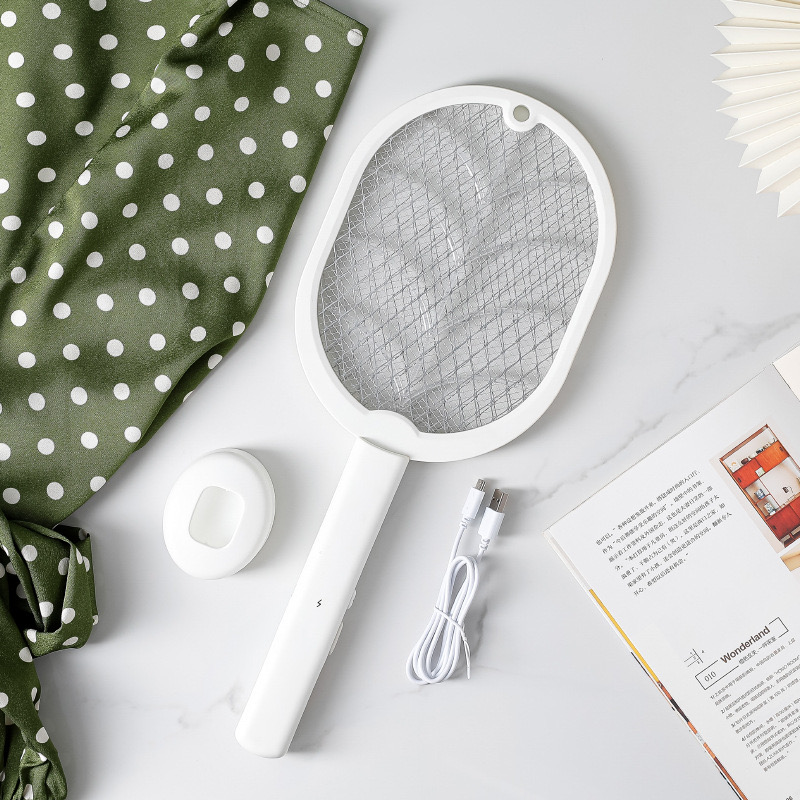
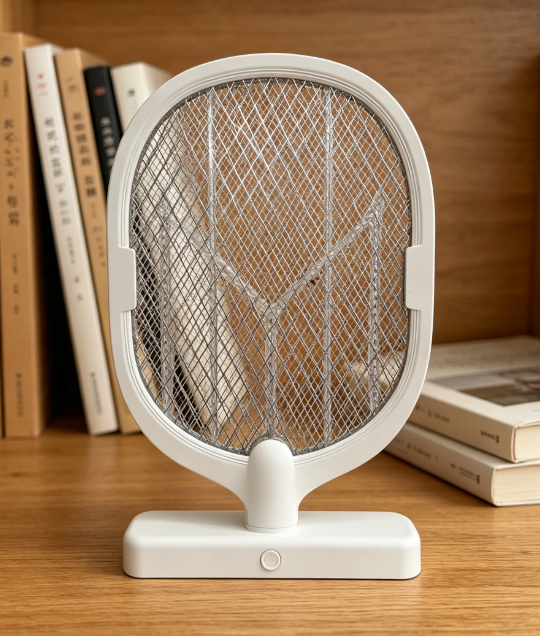
An electric fly swatter is a tool that kills mosquitoes by releasing high-voltage electricity from its grid. Many people wonder: Will a finger get hurt if it touches an electric fly swatter? In fact, because the voltage of an electric fly swatter is generally less than 36V and the current is very small, it is not enough to cause serious physical damage. However, when we accidentally touch an electric fly swatter with our finger, we may feel a brief numbness and pain, which is usually related to the design of the electric fly swatter, the contact time, and personal physical condition. The following is an explanation from specific principles and actual situations.
I. Why a Finger May Get Hurt When Touching an Electric Fly Swatter?
The "injury risk" of an electric fly swatter mainly comes from its high-voltage characteristic during operation, which is also the core principle that enables it to kill mosquitoes.
(1) Voltage and Current Characteristics of Electric Fly Swatters
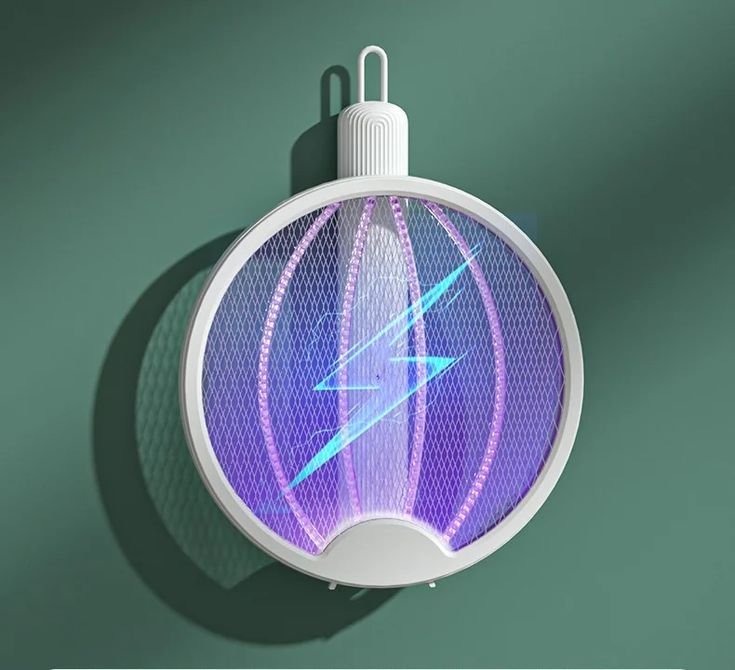
When the grid of an electric fly swatter is energized, the voltage is usually between 1000-3000 volts (enough to break through the air and kill mosquitoes), but the current is very small (generally at the milliamp level). This "high-voltage and low-current" design means that it will not cause fatal injuries like the household 220-volt power supply, but it can still stimulate the human body.
(2) Physiological Reactions Upon Contact
At the moment a finger touches the grid, the high voltage will stimulate the skin and nerves, causing a strong stinging sensation (similar to the "tingling pain" of an electric shock). If the contact time is a little longer, the heat and current stimulation of the grid may cause skin burns, resulting in redness, burn marks, and even blisters due to local high temperature.
II. Possible Injuries After a Finger Touches an Electric Fly Swatter
The degree of injury varies greatly in different contact scenarios, which are mainly divided into the following categories:
(1) Mild Stimulation (Most Common)
If you only touch the grid for a short time (such as pulling back instantly), you may only experience redness of the finger, a brief stinging or numbness, without skin damage. This situation is caused by the current stimulating the nerves, and the symptoms usually disappear on their own after 10-15 minutes without leaving sequelae.
(2) Mild Injuries
If the contact time is a little longer (for example, a finger is accidentally stuck in the grid gap and contacts for 1-2 seconds), the following may occur:
- Skin surface burn marks: showing local redness and slight blackening (similar to the marks of high-temperature scalds);
- Small blisters: the instantaneous high temperature of the grid may cause separation of the skin epidermis and dermis, forming small blisters with a diameter of less than 0.5 cm;
- Mild skin breakage: if there are small gaps in the grid, the finger may be "electro- burned" when squeezed, resulting in epidermal damage accompanied by a small amount of bleeding.
(3) More Severe Injuries (Rare)
Such situations are mostly caused by malfunctions of the electric fly swatter or prolonged contact, for example:
- The grid of the electric fly swatter is exposed or short-circuited, releasing abnormal current when touched;
- A finger is stuck on the grid for a long time (more than 3 seconds), leading to deeper local burns, with larger blisters (with a diameter of more than 0.5 cm) or charred wounds;
- People with sensitive skin or existing wounds may face the risk of infection after contact.
III. Which Situations Will Increase the Risk of Injury?
Not all "finger touches on electric fly swatters" will cause injuries. The following scenarios may increase the probability of injury and require special attention:
If the electric fly swatter has been used for a long time and has problems such as loose grid, damaged shell, or faulty switch, it may lead to unstable current, making it more likely to cause burns when touched.
(2) Improper Contact Methods
For example, pressing the grid hard with a finger (trying to "test" or clean it without powering off), or touching the grid with a wet hand (moisture will enhance conductivity and aggravate stimulation) may aggravate the injury.
(3) Contact with Special Groups of People
Children have delicate skin and slow reactions. If they accidentally touch an electric fly swatter, they may prolong the contact time because they cannot withdraw quickly, so their risk of injury is higher than that of adults. In addition, people with underlying diseases such as heart disease may experience physical discomfort even with a slight electric shock.
Conclusion: There is a Possibility of Injury When a Finger Touches an Electric Fly Swatter, but There is No Need to Panic Excessively
Overall, there is a risk of injury (mainly stinging and mild burns) when a finger touches an energized electric fly swatter, but it usually does not cause serious harm. In daily use, as long as you avoid touching the grid when it is energized and check the condition of the electric fly swatter in time to ensure it is in good condition, the risk can be greatly reduced. If obvious burn marks, blisters or persistent pain appear after accidental contact, seek medical attention in time.
In short: The electric fly swatter is designed for "killing mosquitoes" rather than "hurting people", but its high-voltage characteristic means "there is a risk of contact" - standardized use is the key to avoiding injury.
Advantages of Mosquito Killer Lamp Manufacturers in Guangdong
How to Clean an Electric Fly Swatter
Related Article

If you’re struggling with annoying mosquitoes, flies, and other flying pests indoors and outdoors, upgrading from traditional manual tools to anElectric Mosquito Swatter is the most efficient solution. Many homeowners and renters search where to buy fly swatter online to find durable, safe, and high-performance electric models that deliver instant pest control.
Where to Buy Fly Swatter
Most importers of electric mosquito swatters obsess over the first order: samples requested, factories vetted, a pre-shipment inspection booked. Then the reorder arrives eight months later and something is off. The grid feels softer. The charge port is a slightly different shade of black. The carton thickness dropped from 350 gsm to 300 gsm. Nothing is catastrophic — but the product no longer matches what your retail customers approved, and quietly, your return rate starts climbing.
How to Keep Mosquito Swatter Quality Consistent Across Repeat Orders
Warranty returns are the silent margin killer in the mosquito control category. A distributor who buys a swatter at $1.80 FOB and retails it at $9.90 can absorb a 1% return rate without noticing — but at 5%, the combined cost of replacement units, reverse logistics, and refund processing erases most of the line's profit.
Common mosquito swatter killer lamp failure modes wholesale spec guide

Digital bathroom scales rank as the second-highest-volume consumer weighing product category, only behind kitchen scales, with distinct market and product characteristics that set them apart from other scale types in importers’ product portfolios.
Digital bathroom body fat-bia-scale wholesale buyers guide