
Will Bleach Kill Mosquito Larvae
2025-08-04
Will Bleach Kill Mosquito Larvae? Scientific Analysis and Practical Guide
Mosquito larvae are not only a nuisance but also may carry various disease-causing pathogens, so eliminating them is an important task for many people in summer. As a common household cleaning product, bleach is often used in attempts to get rid of mosquito larvae. So, can bleach really kill mosquito larvae, and how should it be used? This article will provide a detailed analysis from the aspects of scientific principles, usage methods, and precautions.
I. Can Bleach Kill Mosquito Larvae? What is the Principle?
1.1 Answer: Yes, bleach can kill mosquito larvae
The main component of bleach is sodium hypochlorite, which is a highly oxidizing chemical. When bleach is poured into water containing mosquito larvae, it destroys the larvae's cellular structure and physiological functions, leading to their death. Relevant experiments have shown that adding a certain concentration of bleach to water with mosquito larvae will cause the larvae to become less active and eventually die within a short period of time.
1.2 Limitations of bleach in killing mosquito larvae
Although bleach can kill mosquito larvae, its effectiveness is affected by many factors. For example, regarding the volume of water, if the water volume is too large, a large amount of bleach is needed to achieve the killing effect, which may not be practical in actual operations. In addition, if there are many impurities in the water, they will consume part of the active ingredients of the bleach, thereby reducing its killing effect.
II. How to Correctly Use Bleach to Kill Mosquito Larvae?
2.1 Determine the concentration
Generally speaking, household bleach with a chlorine content of about 5% is mixed with water in a ratio of 1:100, that is, 1 part of bleach is added to 100 parts of water. This concentration is more suitable for killing mosquito larvae. If the concentration is too low, it may not effectively kill the larvae; if it is too high, it may have adverse effects on the surrounding environment.
2.2 Choose appropriate usage scenarios
Bleach is suitable for small water bodies, such as waterlogged flower pots, buckets, tires, etc. For large water bodies, such as ponds and lakes, it is not recommended to use bleach because a large amount is needed and it may destroy the ecological balance of the water body.
2.3 Operation steps
First, prepare the required bleach and a container. Then, pour the bleach into the container in the determined proportion, add an appropriate amount of water, and stir evenly. Next, slowly pour the mixed solution into the water body with mosquito larvae to ensure that the solution can fully contact the larvae. Finally, observe for a period of time to check if the larvae are killed.
III. Precautions for Using Bleach to Kill Mosquito Larvae
3.1 Protect your own safety
Bleach is somewhat corrosive and irritating. During use, avoid direct contact with the skin and eyes. It is best to wear rubber gloves and goggles to prevent injury. If it accidentally comes into contact with the skin or eyes, immediately rinse with plenty of water and seek medical attention in time.
3.2 Avoid environmental pollution
If used improperly, bleach may pollute the surrounding environment. Therefore, when using it, strictly control the dosage and do not use excessive amounts. At the same time, do not pour bleach into drinking water sources, fish ponds, etc., to avoid harming aquatic organisms.
3.3 Pay attention to reactions with other substances
Bleach cannot be mixed with acidic substances (such as vinegar), because the mixture will produce toxic chlorine gas, which poses a threat to human health. Before and after using bleach, avoid contact with other chemicals to prevent adverse reactions.
IV. Besides Bleach, What Other Methods Can Kill Mosquito Larvae?
4.1 Physical methods
Regularly cleaning up stagnant water is an effective physical method to prevent and kill mosquito larvae. Timely pouring out the stagnant water in containers such as flower pots and buckets at home and keeping the environment dry can fundamentally reduce the breeding of mosquito larvae. In addition, you can cover the surface of stagnant water with a layer of edible oil to prevent the larvae from breathing, thereby achieving the purpose of killing them.
4.2 Biological methods
Introducing some organisms that feed on mosquito larvae, such as sticklebacks and mosquito fish, can also play a role in killing mosquito larvae. These fish can grow naturally in large water bodies such as ponds and lakes, do not pollute the environment, and are an environmentally friendly method of mosquito control.
4.3 Chemical agents
In addition to bleach, there are some chemical agents specially used to kill mosquito larvae on the market, such as larvicides. These agents have the characteristics of strong targeting and good effectiveness, but they should also be used in accordance with the instructions, paying attention to safety and environmental protection.
In conclusion, bleach has a certain effect as an insect repellent. Its advantages lie in low cost and easy preparation. However, its effect in repelling insects is relatively limited, and it also has potential safety hazards such as affecting the biological environment and the risk of accidental ingestion by pets and children at home. It is recommended that everyone use other mosquito repellent tools for mosquito control at home.
Do UV Lights Work to Kill Bed Bugs
Any Charging Tips I Should Know
Related Article

If you’re struggling with annoying mosquitoes, flies, and other flying pests indoors and outdoors, upgrading from traditional manual tools to anElectric Mosquito Swatter is the most efficient solution. Many homeowners and renters search where to buy fly swatter online to find durable, safe, and high-performance electric models that deliver instant pest control.
Where to Buy Fly Swatter
Most importers of electric mosquito swatters obsess over the first order: samples requested, factories vetted, a pre-shipment inspection booked. Then the reorder arrives eight months later and something is off. The grid feels softer. The charge port is a slightly different shade of black. The carton thickness dropped from 350 gsm to 300 gsm. Nothing is catastrophic — but the product no longer matches what your retail customers approved, and quietly, your return rate starts climbing.
How to Keep Mosquito Swatter Quality Consistent Across Repeat Orders
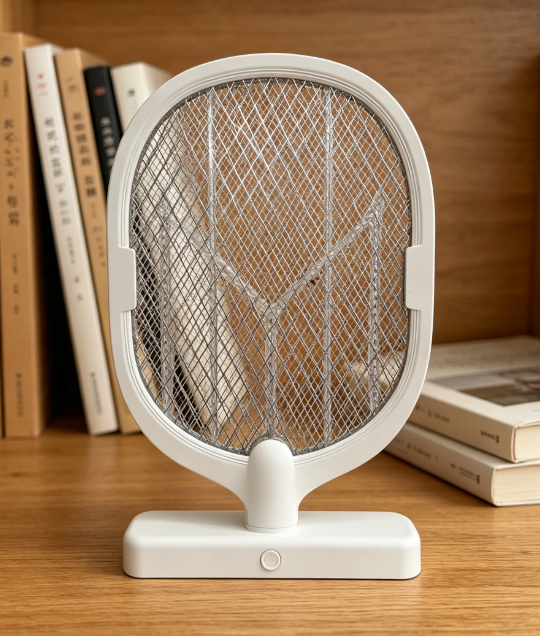
Warranty returns are the silent margin killer in the mosquito control category. A distributor who buys a swatter at $1.80 FOB and retails it at $9.90 can absorb a 1% return rate without noticing — but at 5%, the combined cost of replacement units, reverse logistics, and refund processing erases most of the line's profit.
Common mosquito swatter killer lamp failure modes wholesale spec guide

Digital bathroom scales rank as the second-highest-volume consumer weighing product category, only behind kitchen scales, with distinct market and product characteristics that set them apart from other scale types in importers’ product portfolios.
Digital bathroom body fat-bia-scale wholesale buyers guide