
Will Bug Zapper Kill Wasps
2025-06-07
Will Bug Zapper Kill Wasps
Introduction
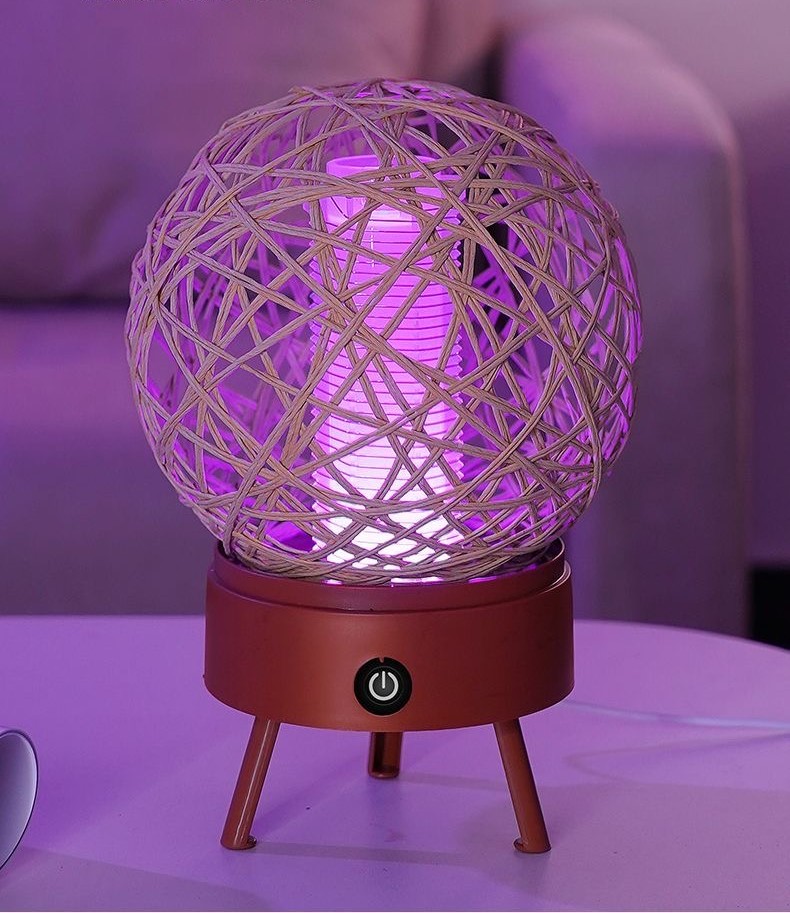
Summer is here, and with it comes the unwelcome presence of various insects. Among them, wasps can be particularly bothersome. Their painful stings and aggressive behavior can quickly turn a pleasant outdoor gathering into a nightmare. Many people wonder if a bug zapper, a common insect control device, can be an effective solution against wasps. In this blog post, we will explore whether a bug zapper can kill wasps and discuss some alternative methods for wasp control.
How Bug Zappers Work
The Mechanism of Bug Zappers
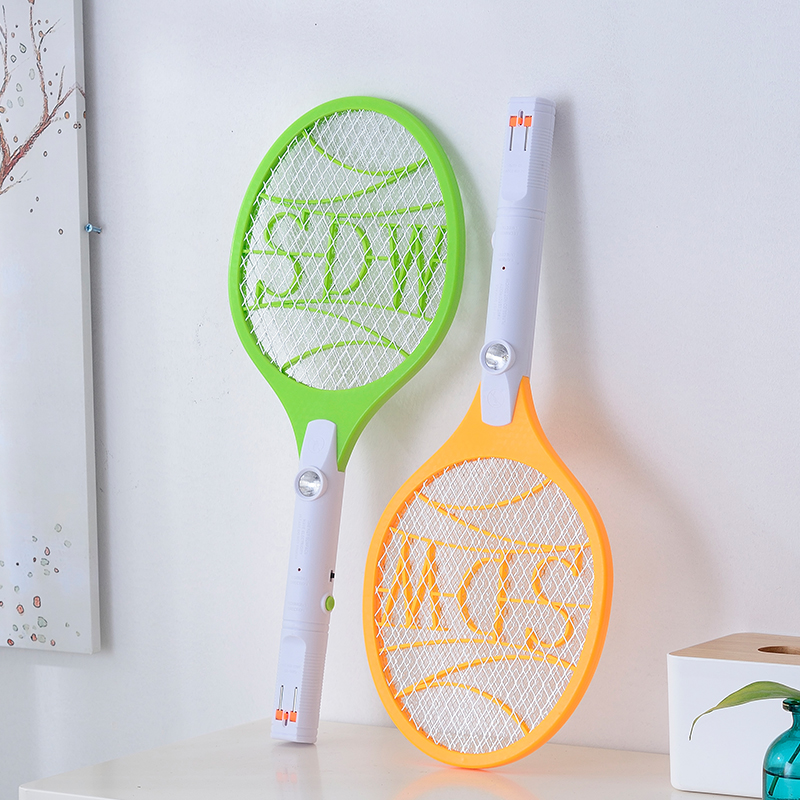
A bug zapper, formally known as an electronic insect control system, uses ultraviolet (UV) light to attract insects. The UV light emitted by the bug zapper is highly appealing to many flying insects. Once an insect is lured close enough to the device, it comes into contact with an electrically charged grid surrounding the light source. The electric shock delivered by the grid is strong enough to kill the insect instantly. This mechanism makes bug zappers quite effective against insects that are naturally attracted to light, such as mosquitoes and certain types of flies.
Do Wasps Respond to Bug Zappers
Wasp Behavior and Attraction
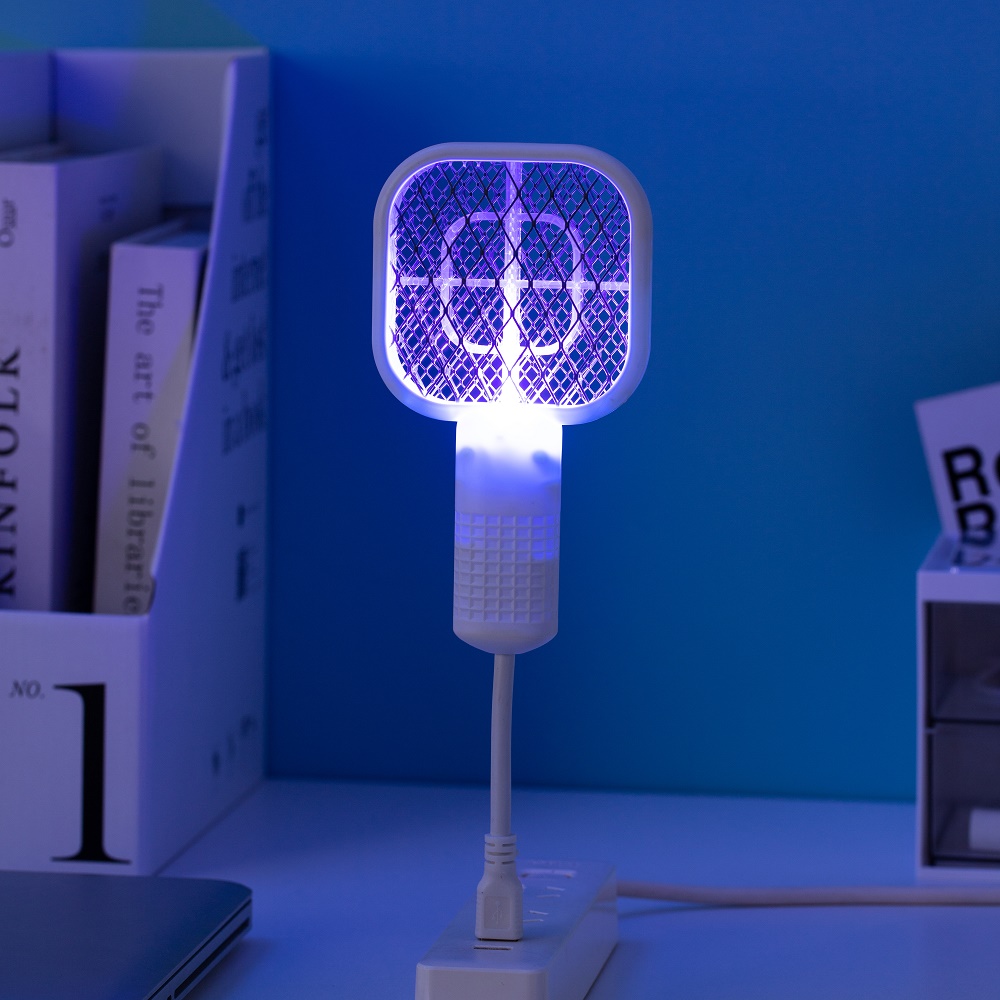
Wasps have different behaviors and attraction patterns compared to insects that are easily caught by bug zappers. Wasps are not typically attracted to light sources like UV light emitted by bug zappers. Instead, they are primarily drawn to food sources. Wasps are omnivorous and are attracted to a variety of foods, including sweet substances like nectar, fruits, and sugary drinks, as well as protein sources such as other insects, meat, and garbage. Their strong sense of smell leads them to these food sources rather than visual cues like light.
Studies on Bug Zapper Effectiveness Against Wasps
Numerous studies suggest that bug zappers are less effective for wasps. Since wasps are not specifically attracted to UV light, they are less likely to be lured towards a bug zapper. While it is possible for a wasp to accidentally fly into a bug zapper, it is more of a rare occurrence rather than a reliable method of wasp control. In most cases, the number of wasps caught by a bug zapper is minimal compared to the overall wasp population in an area.
Why Bug Zappers Aren't Ideal for Wasp Control
Ineffectiveness in Targeting Wasps
As mentioned earlier, bug zappers do not specifically target wasps. They are designed to attract insects that are attracted to light, and wasps simply do not fall into this category. This means that if your goal is to reduce the wasp population in your yard or around your home, relying solely on a bug zapper is likely to be disappointing. You may end up with a bug zapper filled with mosquitoes and flies, but the wasps will still be buzzing around, causing trouble.
Potential Drawbacks of Using Bug Zappers
Using a bug zapper also has some potential drawbacks. Bug zappers can attract beneficial insects as well. Many insects that are important for pollination, such as certain types of moths and beetles, are also attracted to the UV light of bug zappers and may be killed in the process. This can have a negative impact on the ecosystem in your yard. Additionally, bug zappers can be noisy, which may be a nuisance, especially in quiet outdoor areas.
Alternative Methods for Wasp Control
Using Wasp Traps
One of the most effective ways to control wasps is by using wasp traps. Wasp traps are designed to attract wasps using baits that appeal to their food preferences. There are different types of wasp traps available in the market. Some traps use sweet liquids like fruit juice or sugar water as bait. The wasps are lured into the trap and then unable to escape, eventually dying inside. Another type of trap uses protein-based baits, which are effective in attracting wasps that are looking for a protein source.
Professional Wasp Removal
If you have a serious wasp infestation, it may be best to call in the professionals. Professional pest control companies have the expertise and the right tools to safely and effectively remove wasp nests and control the wasp population. They are trained to handle different types of wasps, including the more aggressive and dangerous species. Professional pest control technicians can also provide advice on preventing future wasp infestations.
Natural Repellents
There are also some natural repellents that can help keep wasps away. Plants like mint, eucalyptus, and citronella are known to have scents that wasps dislike. Planting these around your outdoor living areas can act as a natural deterrent. Additionally, essential oils derived from these plants can be used in DIY repellent sprays. Mixing a few drops of essential oil with water and spraying it around the areas where wasps are a problem can help keep them at bay.
Conclusion
In conclusion, while a bug zapper may occasionally kill a wasp that happens to fly into it, it is not a reliable or effective method for controlling wasp populations. Wasps are not attracted to the UV light of bug zappers and are more likely to be drawn to food sources. If you want to deal with a wasp problem, it is better to consider alternative methods such as using wasp traps, calling in professional pest control, or using natural repellents. By taking the right approach, you can enjoy your outdoor spaces without the constant annoyance and threat of wasps.
How to Kill Mosquitoes
Will a Bug Zapper Kill Fleas
Related Article

If you’re struggling with annoying mosquitoes, flies, and other flying pests indoors and outdoors, upgrading from traditional manual tools to anElectric Mosquito Swatter is the most efficient solution. Many homeowners and renters search where to buy fly swatter online to find durable, safe, and high-performance electric models that deliver instant pest control.
Where to Buy Fly Swatter

Most importers of electric mosquito swatters obsess over the first order: samples requested, factories vetted, a pre-shipment inspection booked. Then the reorder arrives eight months later and something is off. The grid feels softer. The charge port is a slightly different shade of black. The carton thickness dropped from 350 gsm to 300 gsm. Nothing is catastrophic — but the product no longer matches what your retail customers approved, and quietly, your return rate starts climbing.
How to Keep Mosquito Swatter Quality Consistent Across Repeat Orders

Warranty returns are the silent margin killer in the mosquito control category. A distributor who buys a swatter at $1.80 FOB and retails it at $9.90 can absorb a 1% return rate without noticing — but at 5%, the combined cost of replacement units, reverse logistics, and refund processing erases most of the line's profit.
Common mosquito swatter killer lamp failure modes wholesale spec guide

Digital bathroom scales rank as the second-highest-volume consumer weighing product category, only behind kitchen scales, with distinct market and product characteristics that set them apart from other scale types in importers’ product portfolios.
Digital bathroom body fat-bia-scale wholesale buyers guide