
Will the UV Light from Mosquito Killer Lamps Hurt Eyes
2025-10-03
Will the UV Light from Mosquito Killer Lamps Hurt Eyes? The Truth Revealed
As summer arrives, mosquito killer lamps become a staple in many households, valued for their chemical-free pest control. But a common concern lingers: does the UV light they emit pose risks to our eyes? Let’s unpack this question with science, safety standards, and practical advice.
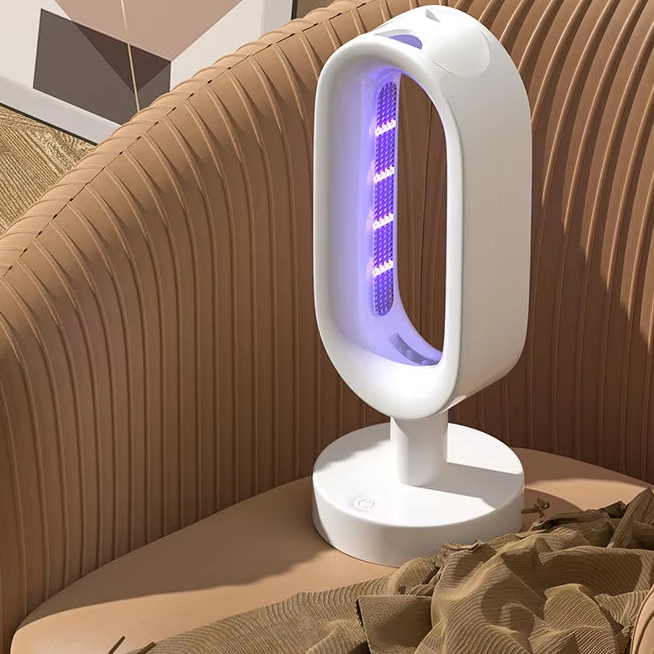
The Science Behind Mosquito Killer Lamps’ UV Light
Mosquitoes are inherently drawn to specific UV wavelengths, with 365nm being their "sweet spot" . Most mosquito killer lamps leverage this trait, using UV-A (315-400nm) to lure pests before eliminating them via electric shocks or suction fans . Unlike the high-energy UVC used in sterilization lamps (200-280nm), UV-A has lower intensity—but that doesn’t mean it’s entirely harmless.
UV light interacts with eye tissue through photochemical reactions, damaging proteins and cells . For 365nm UV (a common wavelength in these lamps), the risk lies in exposure duration, distance, and intensity rather than the wavelength itself .
When UV Light from Mosquito Killers Becomes Risky
The key distinction is between "normal use" and "harmful exposure." Here are the scenarios where eye damage becomes a concern:
1. Close-Range, Prolonged Direct Exposure
Qualified mosquito killer lamps limit UV intensity to 0.1-10μW/cm² at 100mm distance , well below the EPA’s 0.1mW/cm² safety threshold . But problems arise when eyes are within inches of the lamp for extended periods.
- Acute damage: Staring at the UV source for just 3+ minutes can trigger symptoms like dryness, foreign body sensation, or even "electric ophthalmia" (corneal irritation) , which may appear hours later.
- Chronic risks: Long-term daily exposure—such as placing the lamp on a bedside table and facing it while sleeping—can accelerate lens aging, raising cataract risks, or damage retinal cells .
2. Low-Quality or Non-Compliant Products
Cheap, uncertified lamps often skip safety checks. They may emit excessive UV intensity or lack proper shielding, increasing leakage . For example, lamps without UL1559 (US) or similar certifications might fail to control UV output, turning a "safe tool" into a hazard .
3. Vulnerable Groups at Higher Risk
Children’s eyes, still developing, are more sensitive to UV damage . Similarly, those with pre-existing eye conditions (like macular degeneration) or frequent exposure (e.g., installers without protection) face elevated risks .
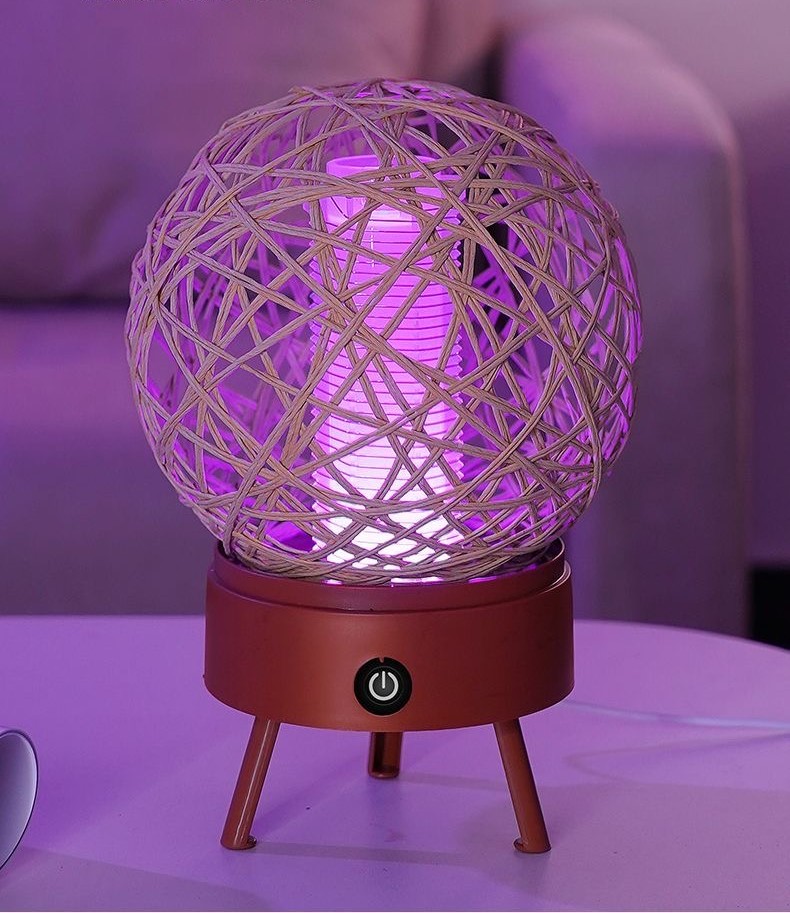
When It’s Safe: Standards and Design Protections
Thankfully, compliant mosquito killer lamps are designed to minimize eye risks when used correctly. Here’s why most pose little threat:
- Strict UV intensity limits: Regulatory standards (e.g., EPA, UL1559) cap UV radiation at levels that won’t harm humans during typical use .
- Protective shielding: Quality models feature grilles or enclosures that block direct UV exposure while letting light escape to lure mosquitoes .
- Optimal installation heights: Mounting lamps 1.8-2.0m above the ground keeps the UV source above eye level for most people, reducing accidental direct contact.
5 Practical Tips to Use Mosquito Killers Safely
Follow these rules to enjoy bug-free spaces without eye worries:
- Mount it high and out of sight: Install the lamp 1.5-2.0m off the ground, away from seating areas or beds . Avoid placing it where eyes naturally rest (e.g., next to sofas).
- Keep a safe distance: Stay at least 1m away from the lamp when it’s on—never lean in to "check" the trapped mosquitoes.
- Choose certified products: Look for labels with EPA, UL1559, or local safety marks. Prioritize models with 2mm or smaller grilles to block curious fingers (and accidental stares) .
- Use it smartly: Run the lamp in unoccupied rooms (e.g., during the day) or turn it off when reading/watching TV nearby. For bedrooms, opt for "sleep mode" if available .
- Replace aging tubes: UV intensity fades over time—swap tubes annually (or as per the manual) to maintain safety and effectiveness .
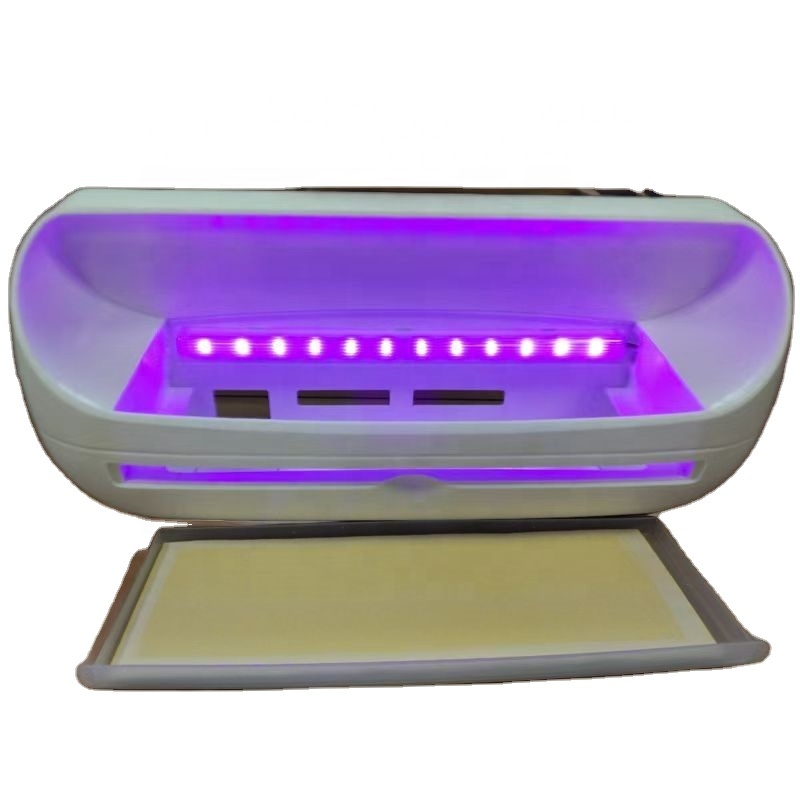
The Bottom Line
The UV light from qualified mosquito killer lamps won’t hurt your eyes during normal use. Risk only emerges from poor product choices, improper placement, or deliberate close-range exposure. By selecting certified models and following installation guidelines, you can keep mosquitoes at bay while protecting your vision.
Remember: it’s not the UV light itself that’s dangerous—it’s how we use (and misuse) the devices emitting it.
Don't Throw Away Old Electric Fly Swatters Casually
Does a Mosquito Killer Lamp Raise Indoor Temperature
Related Article

If you’re struggling with annoying mosquitoes, flies, and other flying pests indoors and outdoors, upgrading from traditional manual tools to anElectric Mosquito Swatter is the most efficient solution. Many homeowners and renters search where to buy fly swatter online to find durable, safe, and high-performance electric models that deliver instant pest control.
Where to Buy Fly Swatter
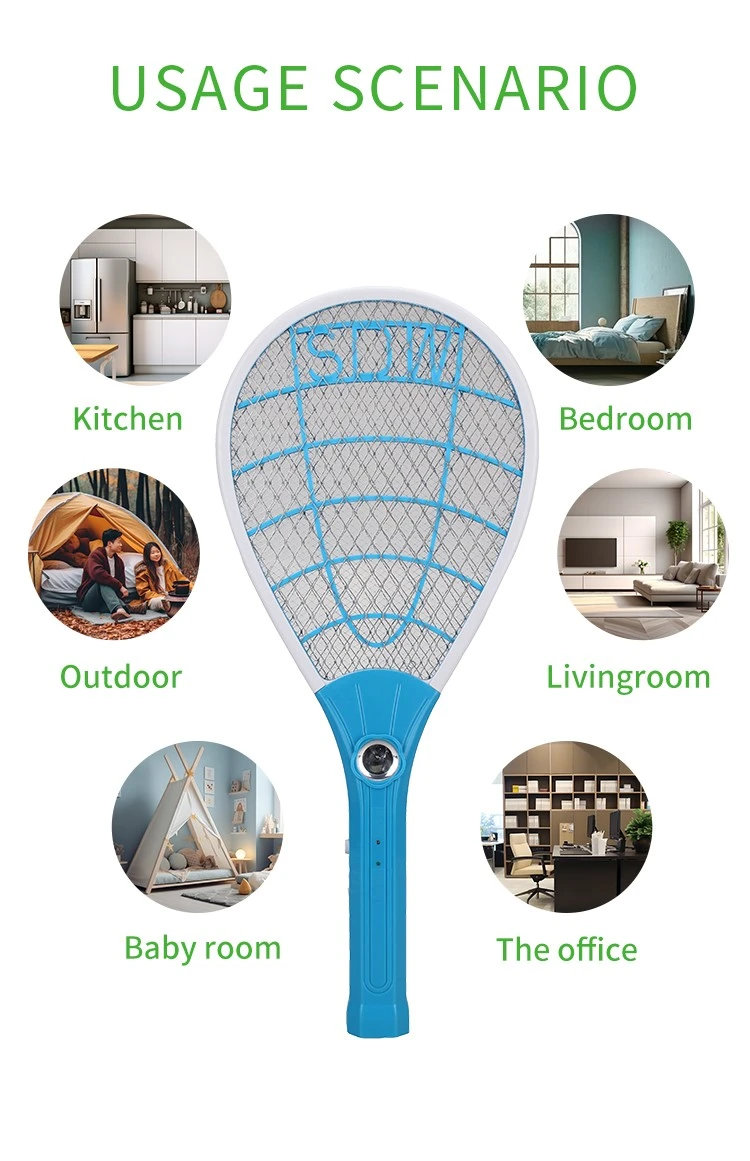
Most importers of electric mosquito swatters obsess over the first order: samples requested, factories vetted, a pre-shipment inspection booked. Then the reorder arrives eight months later and something is off. The grid feels softer. The charge port is a slightly different shade of black. The carton thickness dropped from 350 gsm to 300 gsm. Nothing is catastrophic — but the product no longer matches what your retail customers approved, and quietly, your return rate starts climbing.
How to Keep Mosquito Swatter Quality Consistent Across Repeat Orders
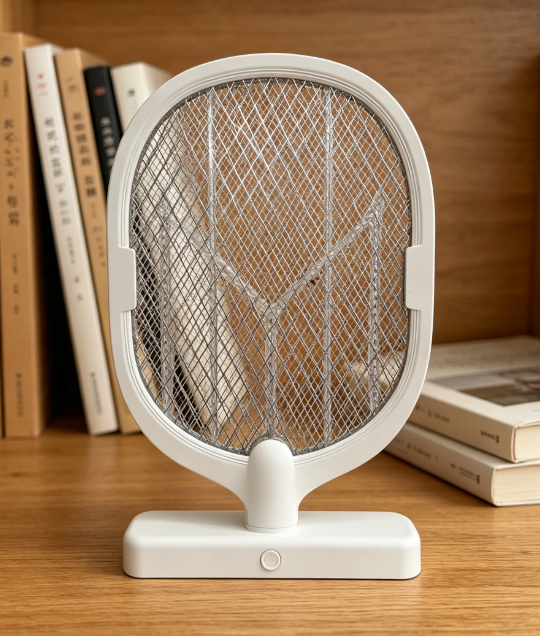
Warranty returns are the silent margin killer in the mosquito control category. A distributor who buys a swatter at $1.80 FOB and retails it at $9.90 can absorb a 1% return rate without noticing — but at 5%, the combined cost of replacement units, reverse logistics, and refund processing erases most of the line's profit.
Common mosquito swatter killer lamp failure modes wholesale spec guide

Digital bathroom scales rank as the second-highest-volume consumer weighing product category, only behind kitchen scales, with distinct market and product characteristics that set them apart from other scale types in importers’ product portfolios.
Digital bathroom body fat-bia-scale wholesale buyers guide