
Winter Mosquito Swatter Maintenance Guide
2025-11-12
Winter Mosquito Swatter Maintenance Guide: Follow These Steps for Next Summer's Use
The mosquito swatter that helps us "eliminate mosquitoes" in summer is often left neglected in a corner once winter arrives. However, proper maintenance in winter directly determines whether it will work normally the following year. Many people only dig out their mosquito swatters when mosquitoes multiply again the next year, only to find the battery swollen or the grid rusted, having no choice but to replace it. Today, we’ll share a set of practical winter maintenance tips for mosquito swatters—just a few simple steps to help it "survive the winter safely."
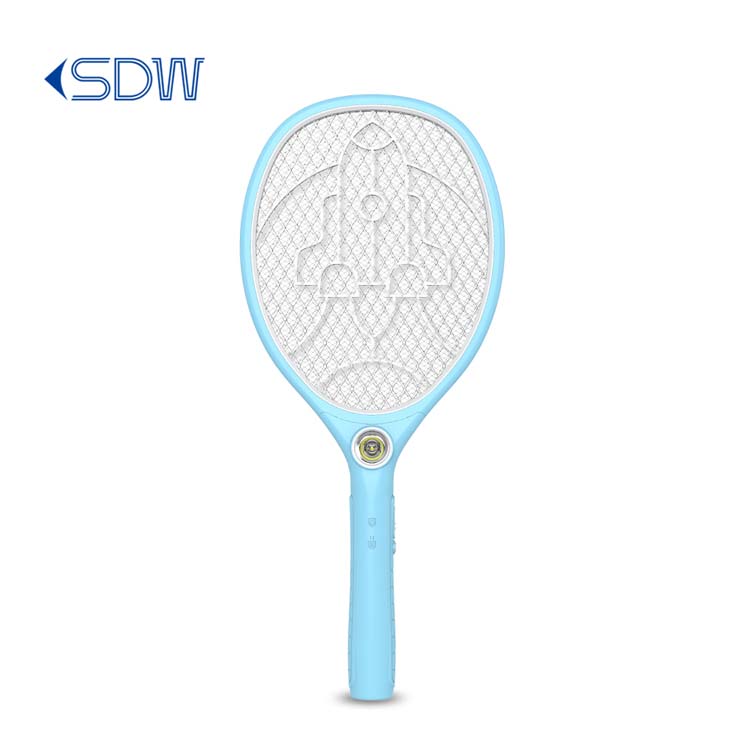
Step 1: Thorough Cleaning to Remove Residues
After long-term use, mosquito corpses, dust, and oil stains will remain on the mosquito swatter’s grid and surface. If not cleaned before winter storage, these residues can breed bacteria or corrode the metal grid. When cleaning, always prioritize "power-off operation": first confirm the mosquito swatter is turned off, and if it’s rechargeable, unplug the charger to ensure it’s completely disconnected from power before starting.
- Grid Cleaning: Use a soft-bristled brush (such as an old toothbrush) to gently brush off mosquito remains from the gaps in the grid. Avoid using hard-bristled tools to scrape, as this may damage the grid’s coating. For heavy oil stains, dip a cotton swab in a small amount of neutral detergent solution (e.g., diluted dish soap), wipe the grid surface, then dry it with a clean cloth to ensure no moisture remains.
- Surface Cleaning: The plastic casing of the swatter can be wiped directly with a damp cloth. Be careful to avoid the switch and charging port to prevent short circuits from water ingress. For stubborn stains, squeeze a little toothpaste onto the cloth, wipe gently, then clean with water and dry.
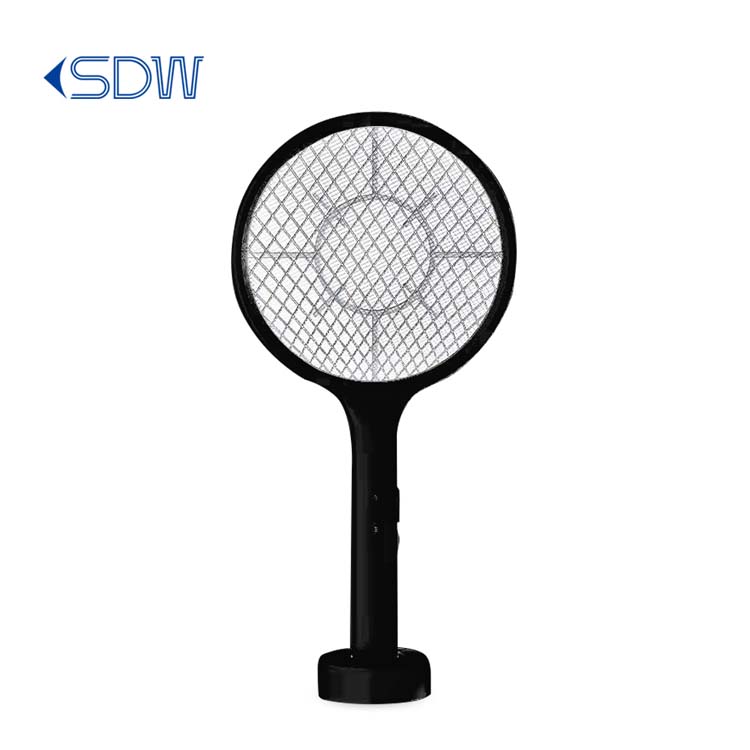
Step 2: Battery Maintenance – Avoid "Undercharging," "Overcharging," and "Long-Term Idleness"
The battery is the core of winter maintenance for mosquito swatters. Whether it’s a rechargeable lithium battery or a dry-cell model, improper handling can lead to damage—especially long-term idleness, which harms battery performance.
- Rechargeable Mosquito Swatters: First, complete the basic "discharge-full charge" maintenance: drain the battery completely (turn on the swatter until it can no longer discharge), then fully charge it according to the instruction manual (usually 4-6 hours) to prevent capacity loss from long-term undercharging. After charging, be sure to unplug the charger; never leave it plugged in for storage, as this may cause the battery to swell.
Important Reminder: During winter storage, it is recommended to take out the mosquito swatter and top up the charge once a month (no need to fully charge—1-2 hours is sufficient). This avoids the battery being in a low-power idle state for a long time. Lithium batteries are prone to "undercharge hibernation" when left idle for too long, which not only significantly shortens their service life but may even make them unchargeable, increasing replacement costs.
- Dry-Cell Mosquito Swatters: Be sure to remove the batteries! Winter is humid, and leaving batteries in the device for a long time may cause leakage, which corrodes internal circuits. Store the removed batteries in a dry place, avoiding contact between positive and negative terminals with metal objects. If the batteries have been used for a long time, it’s advisable to replace them with new ones for hassle-free use next year.
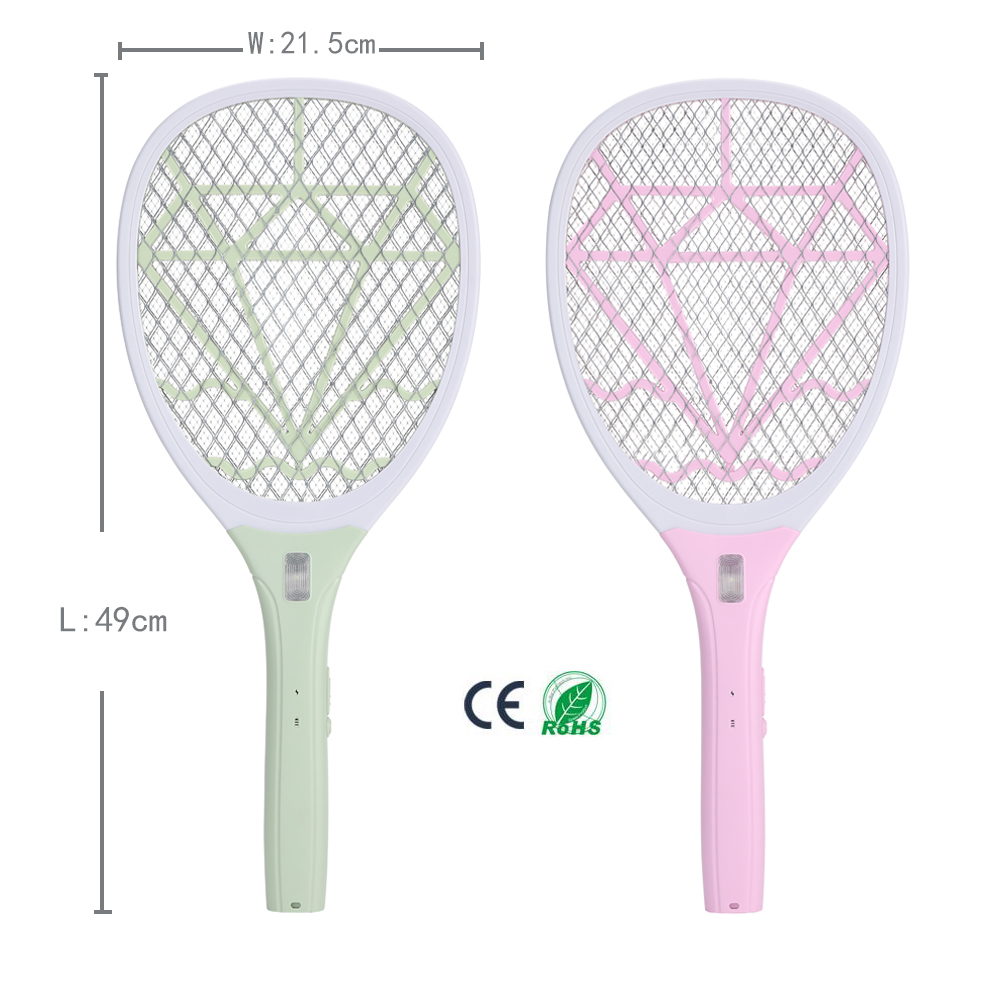
Step 3: Proper Storage – Stay Away from "Risky Environments"
The storage environment of the mosquito swatter in winter directly affects its service life. The key is to avoid the three taboos: "humidity, high temperature, and pressure," while also ensuring easy access for monthly charging.
- Choosing the Right Storage Location: Store the mosquito swatter in a dry, well-ventilated, and easily accessible place—such as the middle layer of a living room cabinet or the outer side of a bedroom drawer. Avoid humid areas like bathrooms or balconies (to prevent grid rust and circuit moisture damage) and keep it away from high-temperature spots like heating vents or air conditioner outlets (to avoid plastic casing deformation). The location should allow easy retrieval for monthly charging without frequent rummaging through other items.
- Protective Measures: If the mosquito swatter comes with an original storage bag, use it before storing. If not, wrap it gently in a clean plastic bag (do not seal it—leave a small gap for ventilation) to prevent dust accumulation. Avoid stacking heavy objects on top of it to prevent grid deformation or accidental switch activation.
Tip: Check Before Use Next Year
When preparing to use the swatter again in late spring or early summer next year, do not turn it on immediately. First, perform a simple check: inspect the grid for rust or deformation, check if the battery is swollen, and ensure the switch works smoothly. For rechargeable models, charge it for 30 minutes first, then test the discharge effect (press the switch in the air and observe if there are sparks on the grid). If you find issues like no discharge from the grid or an unchargeable battery, repair or replace it promptly to avoid safety hazards during use.
In fact, winter maintenance of a mosquito swatter is not complicated. Spending 10 minutes on cleaning, regular battery maintenance, and proper storage will not only extend its service life but also ensure worry-free use next summer.
What is the best electric mosquito swatter
Useful Tips for Cleaning an Electric Mosquito Swatter
Related Article

If you’re struggling with annoying mosquitoes, flies, and other flying pests indoors and outdoors, upgrading from traditional manual tools to anElectric Mosquito Swatter is the most efficient solution. Many homeowners and renters search where to buy fly swatter online to find durable, safe, and high-performance electric models that deliver instant pest control.
Where to Buy Fly Swatter
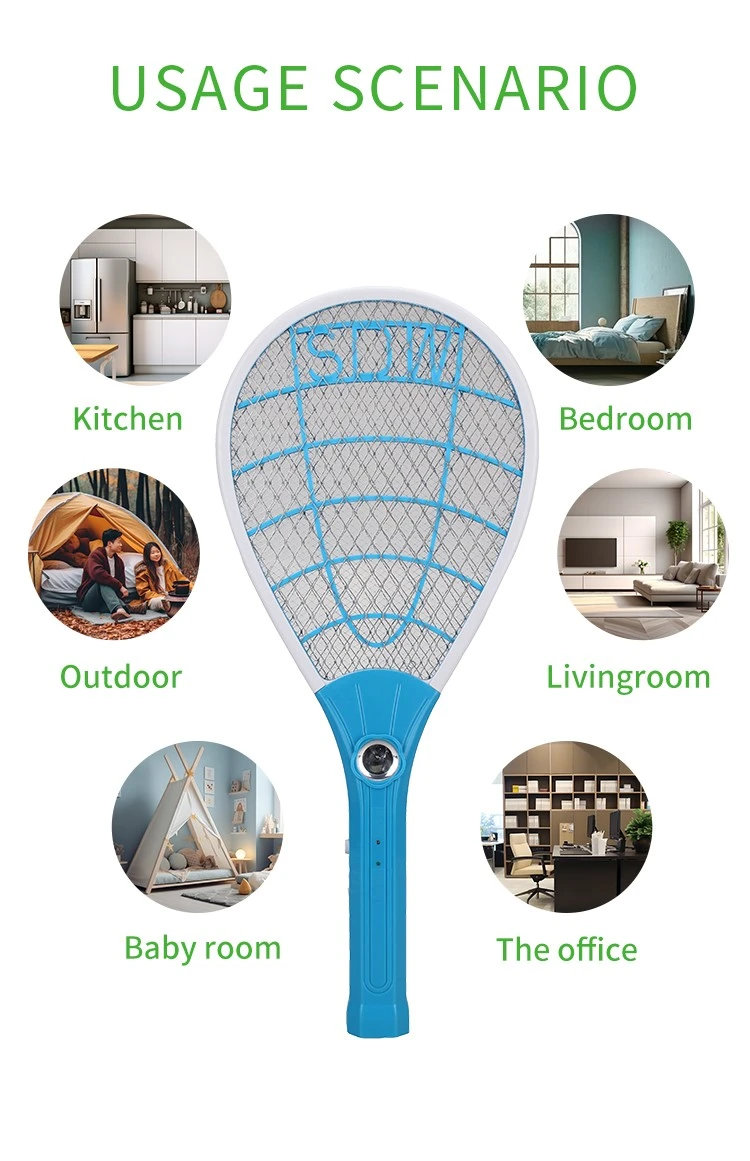
Most importers of electric mosquito swatters obsess over the first order: samples requested, factories vetted, a pre-shipment inspection booked. Then the reorder arrives eight months later and something is off. The grid feels softer. The charge port is a slightly different shade of black. The carton thickness dropped from 350 gsm to 300 gsm. Nothing is catastrophic — but the product no longer matches what your retail customers approved, and quietly, your return rate starts climbing.
How to Keep Mosquito Swatter Quality Consistent Across Repeat Orders
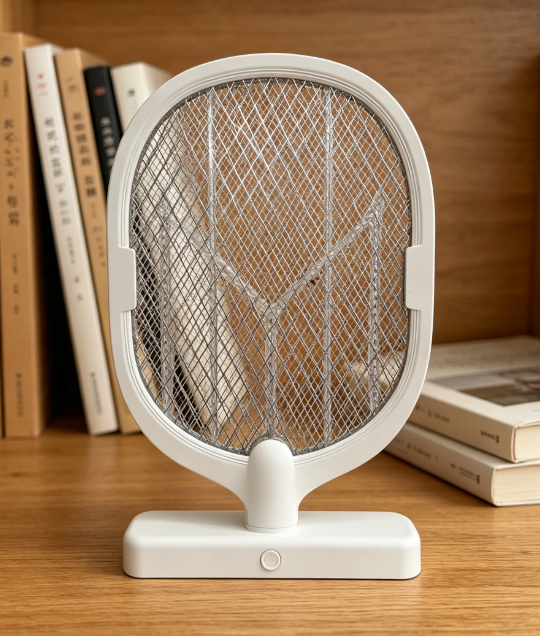
Warranty returns are the silent margin killer in the mosquito control category. A distributor who buys a swatter at $1.80 FOB and retails it at $9.90 can absorb a 1% return rate without noticing — but at 5%, the combined cost of replacement units, reverse logistics, and refund processing erases most of the line's profit.
Common mosquito swatter killer lamp failure modes wholesale spec guide

Digital bathroom scales rank as the second-highest-volume consumer weighing product category, only behind kitchen scales, with distinct market and product characteristics that set them apart from other scale types in importers’ product portfolios.
Digital bathroom body fat-bia-scale wholesale buyers guide