
Winter Mosquito Trap Maintenance Guide
2026-01-20
Winter Mosquito Trap Maintenance Guide: Do These to Ensure It Works Perfectly Next Year
As temperatures drop sharply, mosquitoes gradually go into hibernation, and the mosquito traps at home slowly retire from service. Many people are used to stowing away their mosquito traps and only taking them out again next summer, only to find that they either don’t turn on or the mosquito-killing effect is greatly reduced. In fact, maintaining mosquito traps in winter is crucial—it not only extends the device’s lifespan but also ensures it “springs back to life” instantly when activated next year. Today, we’ll talk about the core winter maintenance tips for mosquito traps, guiding you through proper care step by step.
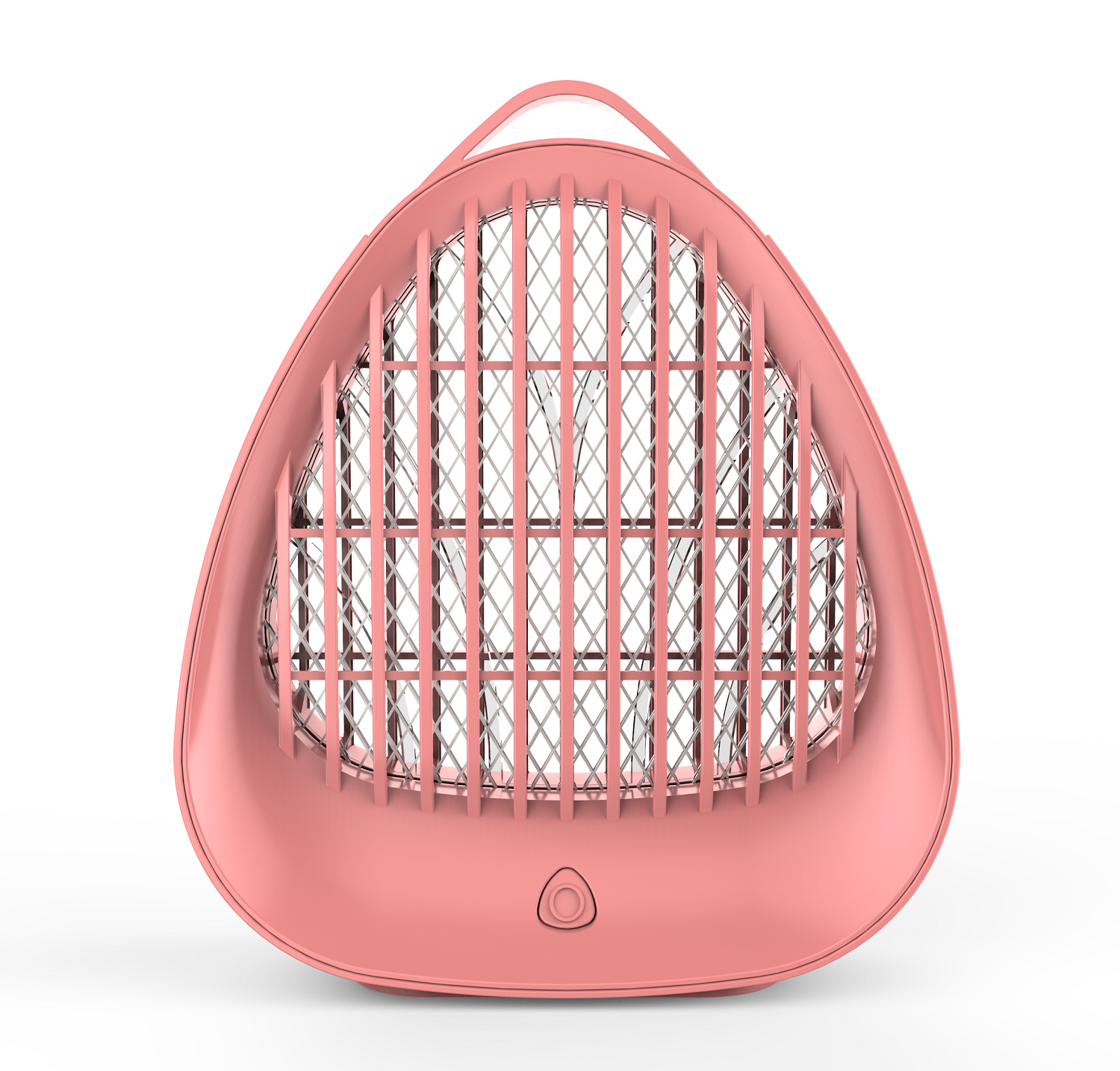
1. Thorough Cleaning: Remove Residues to Prevent Component Aging
After half a year of use, a large amount of mosquito corpses, dust, and oil stains accumulate on the lamp tube, power grid, and mosquito collection tray of the trap. If these residues adhere for a long time, they will corrode components, affect heat dissipation, and even breed bacteria. Cleaning is the first and most critical step in winter maintenance. Always remember to “disconnect the power” during operation to avoid electric shock risks.
Start with the mosquito collection tray, where dirt concentrates the most. Remove the tray, empty the residual corpses into a garbage bag, soak it in warm water with a neutral detergent for 5-10 minutes, gently scrub the inner wall with a soft brush to remove stubborn oil stains, rinse thoroughly with clean water, and let it air-dry completely in a well-ventilated place. Never reinstall it while it’s still wet.
Next, clean the power grid and lamp tube. For the power grid, use a dry soft brush (such as a toothbrush) to gently sweep away surface dust and residual mosquitoes. If there are oil stains, wipe with a small amount of anhydrous alcohol—alcohol evaporates quickly and won’t leave moisture to corrode metal. For the lamp tube, wipe gently with a clean soft cloth; avoid scraping with hard objects to prevent damage to the tube’s surface coating, which would affect its lighting effect. After cleaning, check if the power grid is deformed or broken, and if the lamp tube is blackened or damaged. Address any abnormalities promptly.
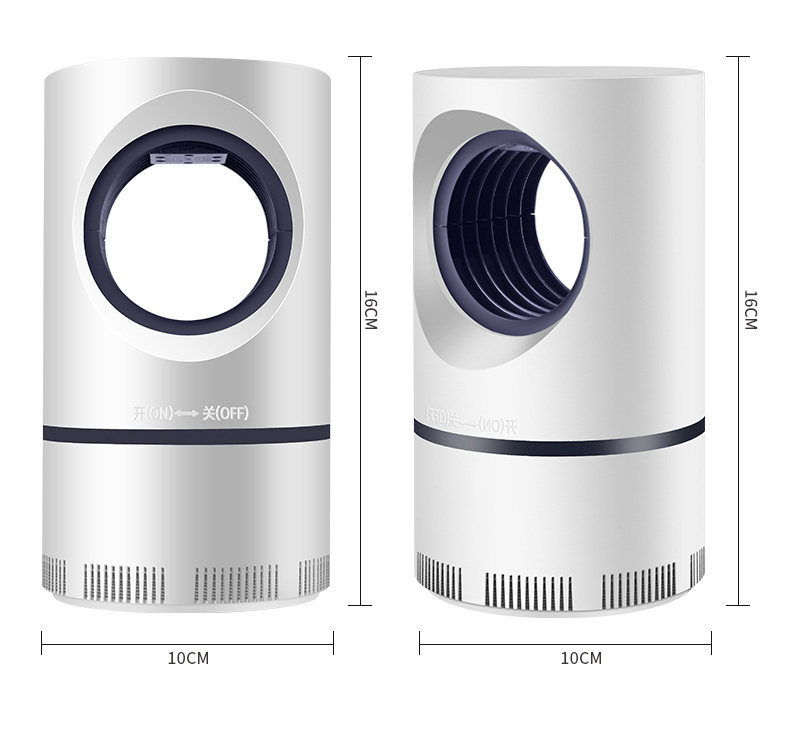
2. Proper Storage: Avoid Harsh Environments and Take Protective Measures
Winter brings significant indoor and outdoor humidity changes, and some areas experience low-temperature freezing weather. Improper storage can cause mosquito trap components to get damp or crack. Follow the principle of “dry, cool, and non-compressed” when storing, keeping it away from damp corners and heat sources.
First, ensure the mosquito trap is completely dry. Thoroughly air-dry any residual moisture from cleaning or use—otherwise, mold may grow during storage, damaging internal circuits. Second, choose a suitable storage location: avoid damp areas like bathrooms and kitchens, and keep it away from heat sources such as radiators and air conditioner vents (high temperatures accelerate the aging and deformation of plastic components). Meanwhile, keep it away from sharp objects and heavy items to prevent the shell from being crushed or damaged.
If the mosquito trap is detachable, store the collection tray, power grid, and main body separately to avoid damage from mutual friction. If non-detachable, wrap it with a clean plastic bag or dust cover to keep out dust. Note: Do not store the trap upside down to prevent internal parts from shifting.
3. Regular Inspections: Identify Potential Faults and Prepare in Advance
Although mosquito traps are not used in winter, it’s recommended to conduct a simple inspection monthly to identify potential faults early, avoiding last-minute rushes next year. Focus inspections on three aspects: circuits, lamp tubes, and the shell.
Circuit inspection: Connect the trap to power, turn it on, and check if the indicator light illuminates normally and if the power grid emits a faint “sizzling” sound (normal operating current noise). If the indicator doesn’t light up or the grid has no response, the plug, power cord, or internal circuit may be faulty. First, check if the plug is loose and the power cord is damaged. If you can’t troubleshoot independently, contact a professional for repairs.
Lamp tube inspection: Observe if the tube emits light evenly and if there is blackening or flickering. Mosquito trap tubes have a lifespan of usually 1-2 years. Severe blackening indicates the tube is near the end of its service life—replace it in advance to avoid reduced mosquito-killing efficiency due to aging next year.
Shell inspection: Check for cracks or damage. Minor damage can be repaired with special glue; if severely damaged, replace the trap to avoid safety hazards during use.
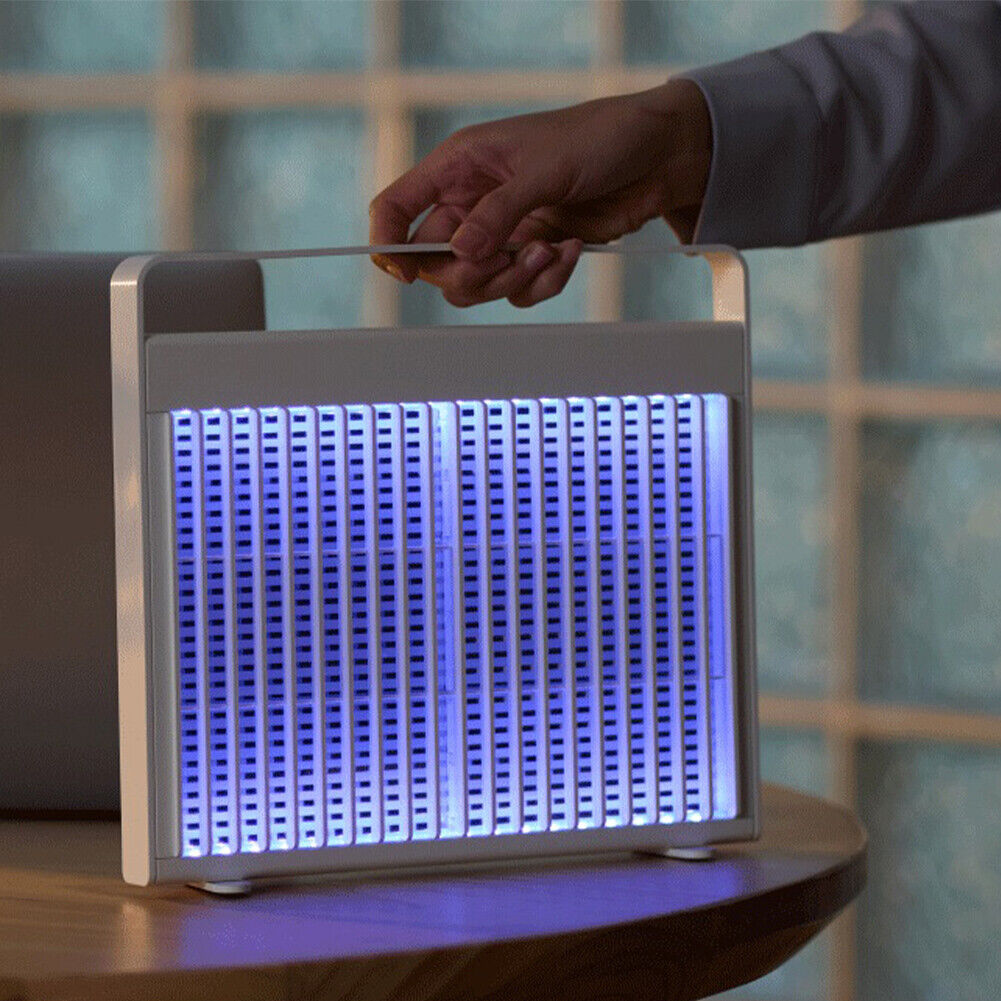
4. Special Scenario: Additional Maintenance for Outdoor Mosquito Traps
Outdoor mosquito traps require more careful winter maintenance as they are exposed to the elements for a long time. First, disassemble them promptly to avoid low-temperature and rain/snow erosion. After disassembly, clean thoroughly following the indoor trap cleaning steps. Focus on checking the integrity of the waterproof seal ring—replace it if aged or deformed to prevent water ingress during use next year.
Store in a dry indoor storage room, away from direct sunlight, and take rodent-proof measures to prevent mice from gnawing the power cord and shell. When reinstalling next year, first check if the installation position is secure and the power cord is intact to ensure safe and stable outdoor use.
5. Friendly Reminders: Avoid These Mistakes
1. Do not rinse the mosquito trap with a high-pressure water gun—even waterproof models may have internal circuits damaged, causing device failure.
2. Do not use strong acid or alkali detergents for cleaning, as they may corrode the metal power grid and plastic shell.
3. Do not store the trap without drying it first, and do not conduct power-on inspections in damp environments to prevent short circuits.
4. Lamp tubes are fragile—handle with care during storage and cleaning to avoid collisions.
Maintaining mosquito traps in winter is essentially “charging them up” for next year’s use. Simple cleaning, storage, and inspections can effectively extend the device’s lifespan and ensure its mosquito-killing performance. Follow these tips to help your mosquito trap survive the winter safely, so it can be turned on with one click to protect your family from mosquitoes when they return next summer!
Can You Touch an Electric Mosquito Swatter with Your Hand
Has the US Dollar Exchange Rate Dropped Again
Related Article

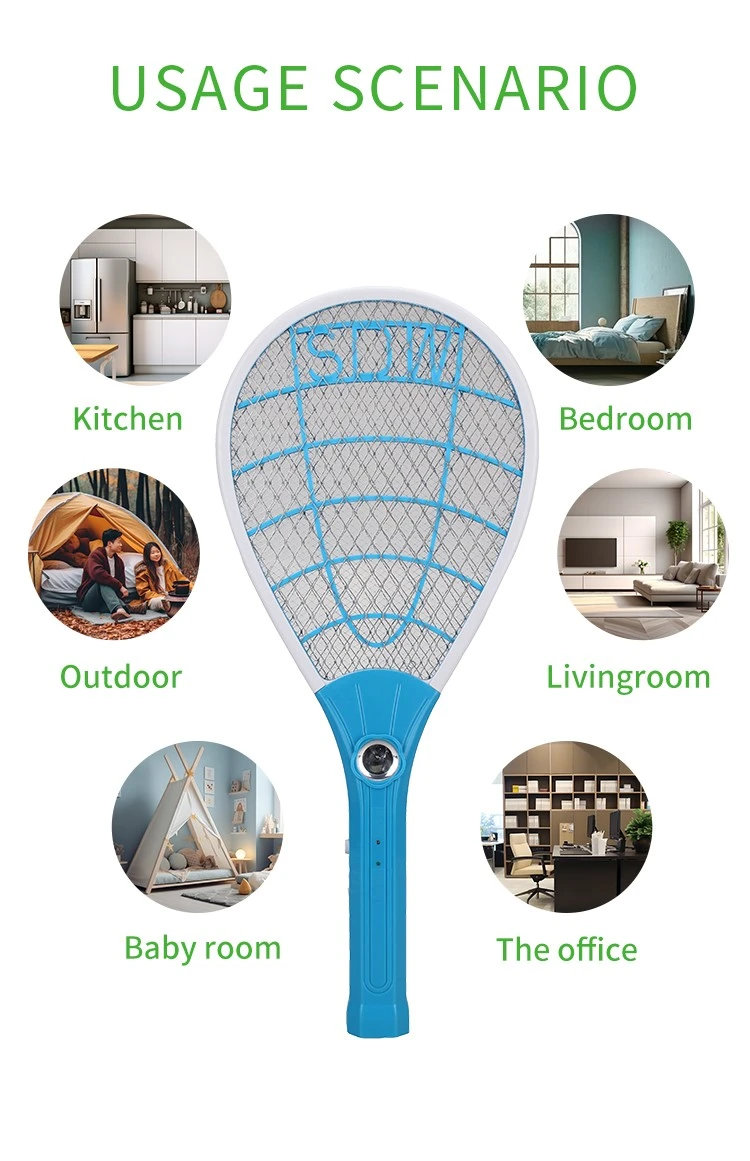
If you’re struggling with annoying mosquitoes, flies, and other flying pests indoors and outdoors, upgrading from traditional manual tools to anElectric Mosquito Swatter is the most efficient solution. Many homeowners and renters search where to buy fly swatter online to find durable, safe, and high-performance electric models that deliver instant pest control.
Where to Buy Fly Swatter
Most importers of electric mosquito swatters obsess over the first order: samples requested, factories vetted, a pre-shipment inspection booked. Then the reorder arrives eight months later and something is off. The grid feels softer. The charge port is a slightly different shade of black. The carton thickness dropped from 350 gsm to 300 gsm. Nothing is catastrophic — but the product no longer matches what your retail customers approved, and quietly, your return rate starts climbing.
How to Keep Mosquito Swatter Quality Consistent Across Repeat Orders
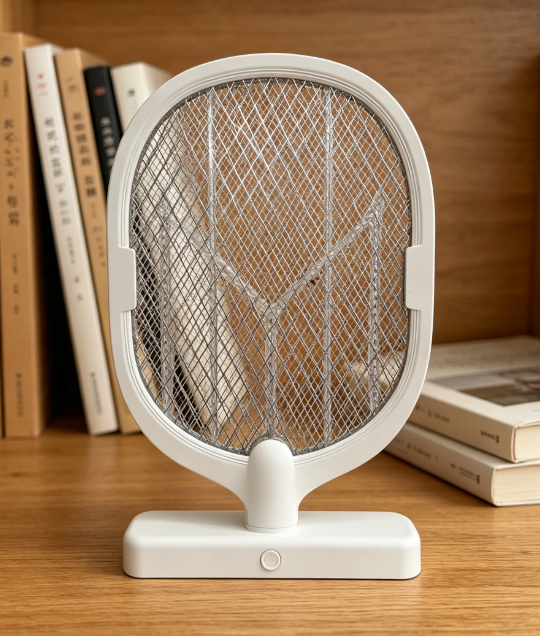
Warranty returns are the silent margin killer in the mosquito control category. A distributor who buys a swatter at $1.80 FOB and retails it at $9.90 can absorb a 1% return rate without noticing — but at 5%, the combined cost of replacement units, reverse logistics, and refund processing erases most of the line's profit.
Common mosquito swatter killer lamp failure modes wholesale spec guide

Digital bathroom scales rank as the second-highest-volume consumer weighing product category, only behind kitchen scales, with distinct market and product characteristics that set them apart from other scale types in importers’ product portfolios.
Digital bathroom body fat-bia-scale wholesale buyers guide