
Can Flies Survive Electric Swatters
2026-10-17
Can a Fly Survive an Electric Swatter? The Surprising Science Behind the Zap
We’ve all been there: you swing your electric swatter at a buzzing housefly, hear a faint “zap”, and watch the insect dart away unharmed. It leaves a confusing question lingering in every household bug-fighting battle: can a fly actually survive an electric swatter shock? Most people assume electric swatters deliver instant, fatal blows to all flying pests, but the truth is far more nuanced. While these handy devices kill flies most of the time, some flies do walk away (or fly away) from the electric shock. Today, we break down the science of electric swatters, why some flies survive, and what factors determine whether a fly dies or escapes.
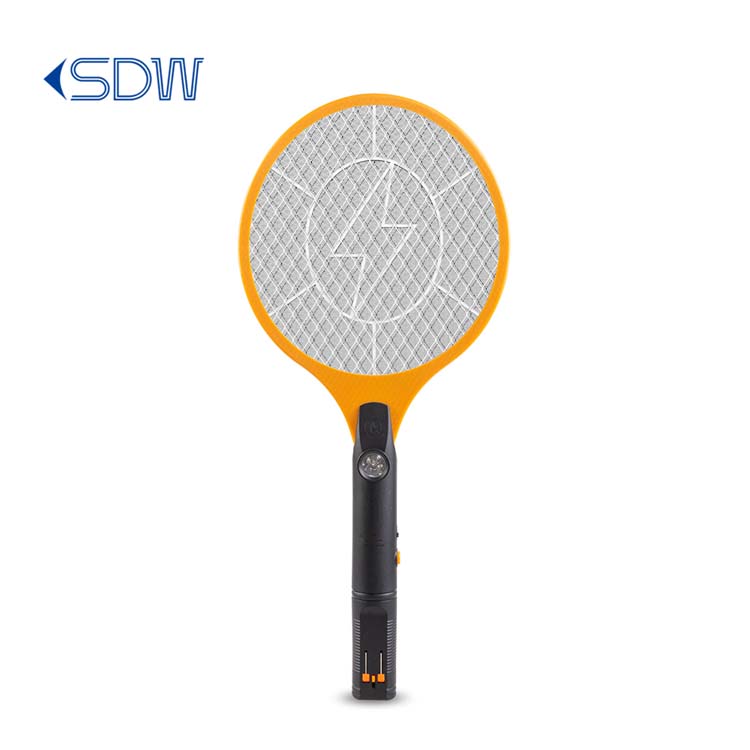
How Does an Electric Swatter Work?
To understand fly survival odds, we first need to unpack the core working principle of electric fly swatters. Unlike traditional fly swatters that rely on physical force, electric swatters use high-voltage, low-amperage electricity to eliminate small insects safely for humans and pets.
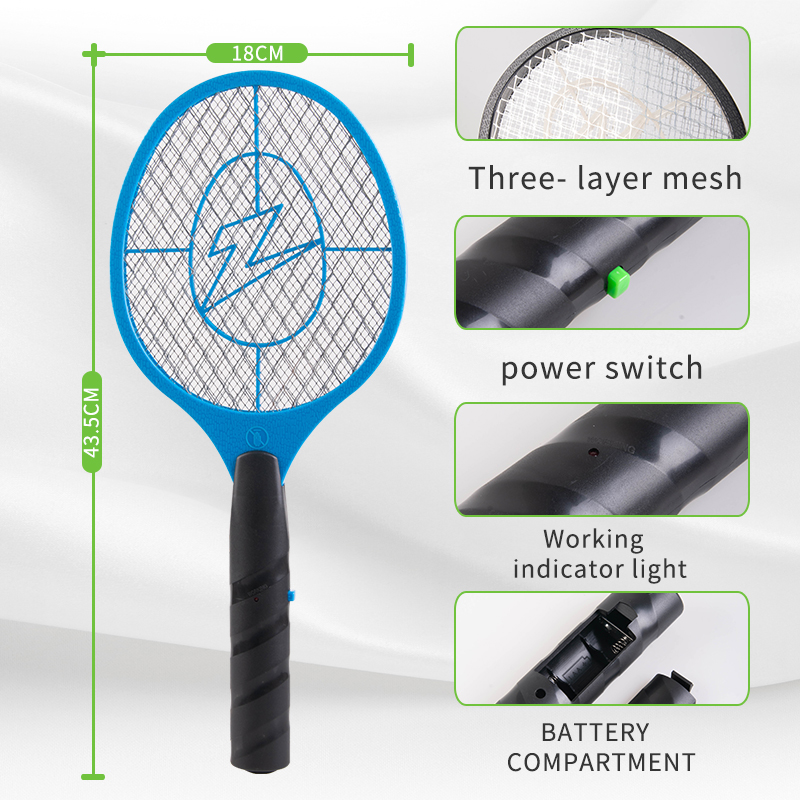
A standard handheld electric swatter generates 800 to 2,500 volts of electricity across its double-layer metal mesh grid, with an extremely low amperage (below 5 milliamps). This key design is what makes the device safe for household use: high voltage creates a powerful electric shock, while low amperage prevents any harm to human skin or animal fur upon accidental contact.
The swatter only activates a full electric discharge when an insect bridges the gap between the two charged mesh layers, completing the electrical circuit. Once the circuit is closed, a microsecond-level electric pulse bursts through the insect’s body, damaging its nervous system, paralyzing muscles, and destroying cellular structure. For most direct hits, this shock is enough to kill small flies and mosquitoes instantly.
Do Flies Ever Survive Electric Swatter Shocks?
The short answer is yes, flies can and do survive electric swatter encounters. In fact, practical testing shows around one-third of flies that come into contact with an electric swatter manage to escape unharmed or with only minor injuries. These surviving flies are not “immune” to electricity—their survival always stems from incomplete or weak electric contact, rather than a failure of the swatter’s power.
A full, direct hit that covers the fly’s body across both mesh layers is almost always fatal. The intense electric pulse shuts down the fly’s vital functions in less than 50 milliseconds, leaving no room for recovery. However, most real-world swats are not perfect. Flies are fast, erratic fliers, and most contacts are fleeting or partial, which changes everything.
Key Reasons Flies Survive Electric Swatter Hits
There are four primary scenarios that let flies walk away from an electric swatter zap, all rooted in how the device’s electrical circuit activates and interacts with the insect’s body.
1. Partial or Fleeting Contact
The biggest reason for fly survival is incomplete circuit completion. If a fly only touches one mesh layer, or only its wings or tiny leg brushes the grid for a split second, it cannot form a full closed circuit. Without a complete circuit, the swatter releases only a tiny, weak electric spark instead of a full lethal discharge. This mild shock may startle the fly and stun it briefly, but it causes no permanent damage. The fly will quickly recover and fly off before you can swing again.
2. Bouncing Off Non-Electric Parts
Electric swatters are not fully electrified. They feature plastic support frames that separate the double-layer mesh grids, and these plastic parts are completely non-conductive. When a fly slams into the plastic frame instead of the metal mesh, no electricity is released at all. The fly simply bounces off the rigid plastic surface unharmed, often escaping before the next swing. This is one of the most common overlooked causes of missed kills.
3. Low Battery Voltage Output
A dying battery drastically reduces a swatter’s killing power. Freshly charged swatters deliver the full 2,000+ volt surge needed to penetrate a fly’s exoskeleton and destroy its nervous system. As the battery drains, the output voltage drops significantly. A low-voltage shock can only stun flies temporarily rather than killing them. You may notice the fly drop to the ground motionless at first, but it will regain consciousness and fly away within a few seconds or minutes.
4. Larger Fly Body Size
Small common houseflies are highly vulnerable to electric shocks, but larger fly species have a higher survival rate. Bigger flies have thicker exoskeletons and more body mass, which can insulate them from weak or partial electric pulses. A shock that instantly kills a tiny fly may only stun a larger one, allowing it to recover and escape. Additionally, thicker body tissue can dissipate electrical energy more effectively, reducing damage to vital nervous system functions.
Can a Stunned Fly Recover Completely?
Many people mistake stunned flies for dead ones, but temporary paralysis does not equal death. When a fly receives a sub-lethal electric shock, its nervous system is temporarily disrupted, causing immediate paralysis and loss of movement. This state typically lasts between a few seconds and half a minute.
If left undisturbed, the fly’s nervous system will repair minor electrical damage, and it will regain full mobility. In most cases, these recovered flies suffer no long-term harm and can continue feeding, breeding, and buzzing around your home normally. Only full, sustained electric contact that incinerates tissue or completely shuts down neural function results in permanent death.
How to Maximize Your Electric Swatter’s Killing Efficiency
To reduce fly escapes and make your swatter more effective, follow these simple tips based on the science above:
First, always ensure your swatter is fully charged. A strong, full voltage output eliminates most sub-lethal shocks that let flies recover. Second, aim for full-body mesh contact instead of glancing swings. Slow, steady swats are more effective than fast, frantic ones, as they increase the chance of a complete circuit connection. Third, avoid targeting flies near the swatter’s plastic frame, and focus strikes on the central electrified mesh area. Finally, double-check seemingly “dead” flies on the ground—stunned pests often recover quickly, so dispose of them immediately to prevent escapes.
Final Verdict: Can Flies Survive Electric Swatters?
Electric swatters are highly effective fly killers, but they are not 100% foolproof. Flies absolutely can survive electric swatter shocks, almost exclusively due to partial contact, low battery power, or physical bounces off non-electrified parts. Full, direct mesh hits remain nearly always fatal, but incomplete strikes leave plenty of room for fly survival.
This science explains why you’ll often see flies “escape” a zap seemingly unscathed. It’s not that the flies are tough or immune—it’s just a matter of incomplete electrical contact and variable shock intensity. With proper swatter use and regular charging, you can drastically cut down on surviving flies and keep your home bug-free more effectively.
What Is the Best Product for Mosquito Control
mosquito-control-products-hotels-resorts-vacation-rentals-wholesale-guide
Related Article

If you’re struggling with annoying mosquitoes, flies, and other flying pests indoors and outdoors, upgrading from traditional manual tools to anElectric Mosquito Swatter is the most efficient solution. Many homeowners and renters search where to buy fly swatter online to find durable, safe, and high-performance electric models that deliver instant pest control.
Where to Buy Fly Swatter
Most importers of electric mosquito swatters obsess over the first order: samples requested, factories vetted, a pre-shipment inspection booked. Then the reorder arrives eight months later and something is off. The grid feels softer. The charge port is a slightly different shade of black. The carton thickness dropped from 350 gsm to 300 gsm. Nothing is catastrophic — but the product no longer matches what your retail customers approved, and quietly, your return rate starts climbing.
How to Keep Mosquito Swatter Quality Consistent Across Repeat Orders
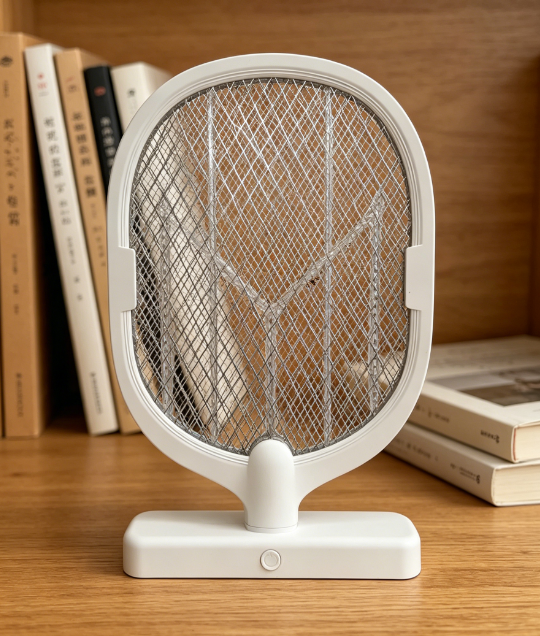
Warranty returns are the silent margin killer in the mosquito control category. A distributor who buys a swatter at $1.80 FOB and retails it at $9.90 can absorb a 1% return rate without noticing — but at 5%, the combined cost of replacement units, reverse logistics, and refund processing erases most of the line's profit.
Common mosquito swatter killer lamp failure modes wholesale spec guide

Digital bathroom scales rank as the second-highest-volume consumer weighing product category, only behind kitchen scales, with distinct market and product characteristics that set them apart from other scale types in importers’ product portfolios.
Digital bathroom body fat-bia-scale wholesale buyers guide