
Can Rechargeable Batteries Replace Disposable Ones in Mosquito Swatters
2025-08-24
Can Rechargeable Batteries Replace Disposable Batteries in Battery-Powered Mosquito Swatters? Here's the Answer
Every time the mosquito season hits, mosquito swatters become a "mosquito-killing essential" in many households. However, for battery-powered mosquito swatters that use disposable batteries, many people have a question: Can rechargeable batteries replace disposable batteries in battery-powered mosquito swatters? After all, frequent replacement of disposable batteries is not only troublesome but also costly in the long run, and it easily leads to waste battery pollution. Today, we will take a detailed look at this issue to help you sort out your thoughts and easily solve the trouble of "changing batteries".
First, let's give the answer directly: Rechargeable batteries can replace disposable batteries in most battery-powered mosquito swatters, but there are several key prerequisites to note. Otherwise, it may affect the performance of the mosquito swatter or even damage the device. Next, we will break down the topic from three dimensions: compatibility, advantages of use, and precautions.
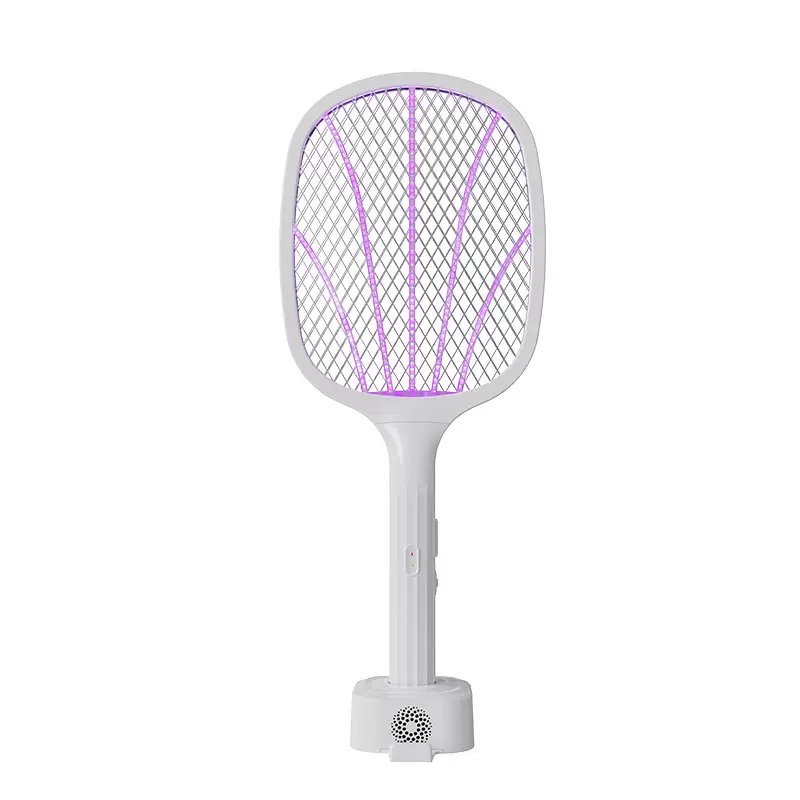
一. First, Check "Compatibility": These Two Parameters Must Match
To successfully replace disposable batteries with rechargeable ones, the core is to ensure "parameter matching", which mainly depends on two aspects: battery model and voltage.
In terms of battery models, the commonly used disposable batteries in battery-powered mosquito swatters on the market are AA (No. 5) or AAA (No. 7) batteries, usually requiring 2-4 batteries connected in series. The models of rechargeable batteries are completely corresponding to disposable batteries. For example, AA rechargeable batteries and AA disposable batteries have the same size and interface. As long as the original mosquito swatter uses AA disposable batteries, you can directly replace them with rechargeable batteries of the same model without modifying the battery compartment.
Then there is voltage, which is a more crucial point. A single ordinary disposable battery has a voltage of 1.5V. For example, if a certain mosquito swatter requires 3 AA disposable batteries, the total voltage is 4.5V. However, the common nickel-metal hydride (Ni-MH) and nickel-cadmium (Ni-Cd) rechargeable batteries usually have a voltage of 1.2V per unit. When 3 of them are connected in series, the total voltage is 3.6V. Here, people may worry: Will the lower voltage affect the mosquito-killing effect of the swatter?
In actual use, as long as you choose rechargeable batteries with the "same number of cells", even if the voltage of a single battery is slightly lower, the total voltage difference will be within the adaptive range of the mosquito swatter (most mosquito swatters have a voltage fluctuation range of 0.5-1V for normal operation). For example, the total voltage of 3 1.2V rechargeable batteries is 3.6V, compared with 4.5V of 3 1.5V disposable batteries. Although there is a gap, the power grid of the mosquito swatter can still generate enough high voltage to kill mosquitoes, and there will be no situation where "mosquitoes cannot be killed". However, it should be noted that you must not arbitrarily increase or decrease the number of batteries. For example, if the original swatter uses 3 batteries, replacing them with 2 or 4 will result in too high or too low voltage, which will damage the circuit of the mosquito swatter.
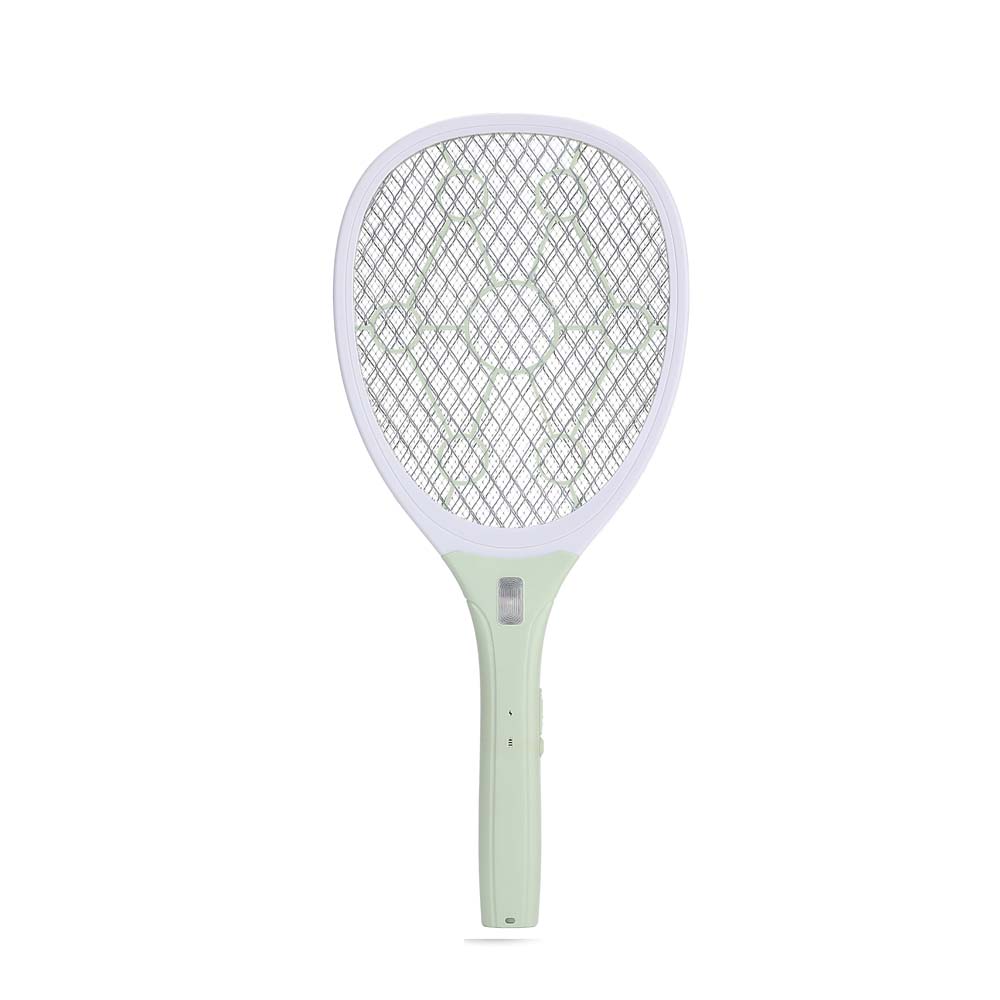
二. Replacing with Rechargeable Batteries: These Advantages Are Very Practical
After confirming compatibility, the benefits of replacing disposable batteries with rechargeable ones are quite obvious, especially for long-term use:
1. More Cost-Effective: One-Time Investment, Long-Term Convenience
A single ordinary disposable battery costs 1-2 yuan. Calculated based on a mosquito swatter using 3 batteries each time and replacing them twice a month, the annual battery cost will be 72-144 yuan. However, a set of high-quality AA rechargeable batteries (2-4 pieces) plus a charger usually costs 50-100 yuan. Moreover, rechargeable batteries can be reused more than 500 times. If charged once a week, a set of batteries can be used for more than 10 years, saving a lot of money in the long run.
2. More Environmentally Friendly: Reduce Waste Battery Pollution
Disposable batteries are one-time consumer goods. If the heavy metals (such as mercury and cadmium) contained in them are discarded at will, they will pollute the soil and water sources. Rechargeable batteries, on the other hand, can be reused, which can significantly reduce the generation of waste batteries and conform to the concept of "green life". However, it should be noted that discarded rechargeable batteries also need to be recycled in categories and cannot be thrown away with ordinary garbage.
3. More Convenient: No Need to "Hurry to Buy Batteries" Anymore
Many people have had such an experience: there are many mosquitoes at night, and you want to use the mosquito swatter, but find that the batteries are dead and you haven't stocked up in advance. You can only watch the mosquitoes "run amok". With rechargeable batteries, as long as you charge them in advance, you can replace them at any time. Even if the battery runs out temporarily, a 1-2 hour fast charge with a charger can meet the emergency needs. You no longer have to worry about "lack of batteries".
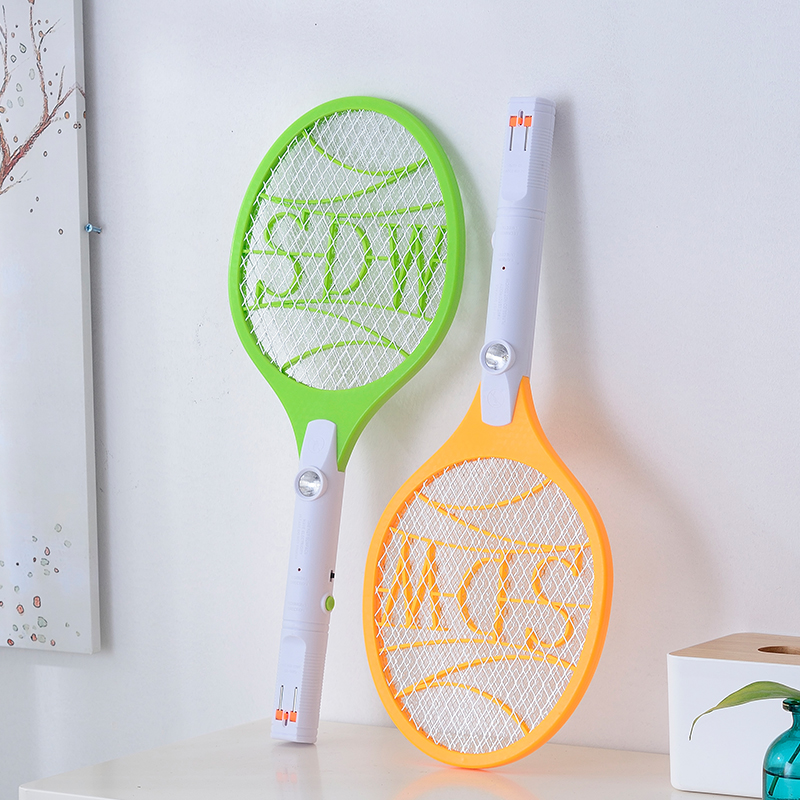
三. These Precautions Must Not Be Ignored
Although rechargeable batteries can replace disposable batteries, improper use may affect the service life of the device or bring safety hazards. Focus on remembering these 3 points:
1. Prioritize Nickel-Metal Hydride (Ni-MH) Rechargeable Batteries and Avoid Lithium Batteries
There are mainly three types of rechargeable batteries on the market: nickel-metal hydride (Ni-MH), nickel-cadmium (Ni-Cd), and lithium batteries. Among them, nickel-metal hydride rechargeable batteries are the best choice: they have no memory effect (can be charged without being fully discharged), have a large capacity (usually 2000-3000mAh, with longer battery life than disposable batteries), and are highly safe without the risk of leakage or explosion.
Nickel-cadmium batteries are cheap, but they have a memory effect, which will lead to capacity degradation after long-term use. In addition, they contain cadmium, which is not environmentally friendly, so they are not recommended as the first choice. Although lithium batteries (such as the 14500 model) have a high voltage (3.7V per unit), the voltage difference between them and 1.5V disposable batteries is too large. Direct use will burn the circuit of the mosquito swatter, so lithium batteries must never be used to replace ordinary disposable batteries.
2. When Charging, "Take the Batteries Out to Charge" and Do Not Charge the Mosquito Swatter Directly
Battery-powered mosquito swatters (using disposable batteries originally) do not have a built-in charging circuit. Therefore, you must take the rechargeable batteries out of the mosquito swatter and charge them with a matching charger. You cannot charge them by plugging in the power directly like rechargeable mosquito swatters. If you take a shortcut and leave the rechargeable batteries in the mosquito swatter to charge directly by connecting to the power supply, it will cause excessive current, burn the motor or power grid of the mosquito swatter, and even cause a short circuit or fire.
3. When Not in Use for a Long Time, "Store with Batteries Removed"
If the mosquito swatter is not used for a long time (such as in winter), it is recommended to take the rechargeable batteries out of the battery compartment, charge them fully, and store them separately. Because if the batteries are left in the device for a long time, even if not in use, they will discharge slowly, which may lead to "over-discharge" (the voltage is too low to be recharged again) and shorten the battery life. At the same time, the risk of battery leakage will increase. Once leakage occurs, it will corrode the battery compartment and circuit of the mosquito swatter, resulting in device damage.
Conclusion: Replacement Is Fully Feasible as Long as the Right Batteries Are Selected
Going back to the original question: "Can rechargeable batteries replace disposable batteries in battery-powered mosquito swatters?" The answer is yes. As long as you ensure that the model of the rechargeable battery is consistent with the original disposable battery and the number of batteries is not increased or decreased, prioritize nickel-metal hydride rechargeable batteries, and pay attention to "taking the batteries out to charge and removing the batteries for storage when not in use for a long time", you can use the mosquito swatter in a cost-effective and environmentally friendly way.
Finally, a reminder: If you are not sure whether your mosquito swatter is suitable for replacing with rechargeable batteries, you can first check the instruction manual of the mosquito swatter, which usually marks the suitable battery type and voltage range. If the instruction manual is lost, you can also check the label on the battery compartment (for example, "3×AA 1.5V" means it is suitable for 3 AA 1.5V batteries) and select the corresponding rechargeable batteries according to the label. It is hoped that this article can help you solve the confusion of "changing batteries" and easily deal with the mosquito season!
Which mosquito is the deadliest
Pros and Cons of Buying Electric Mosquito Swatters Online
Related Article

If you’re struggling with annoying mosquitoes, flies, and other flying pests indoors and outdoors, upgrading from traditional manual tools to anElectric Mosquito Swatter is the most efficient solution. Many homeowners and renters search where to buy fly swatter online to find durable, safe, and high-performance electric models that deliver instant pest control.
Where to Buy Fly Swatter
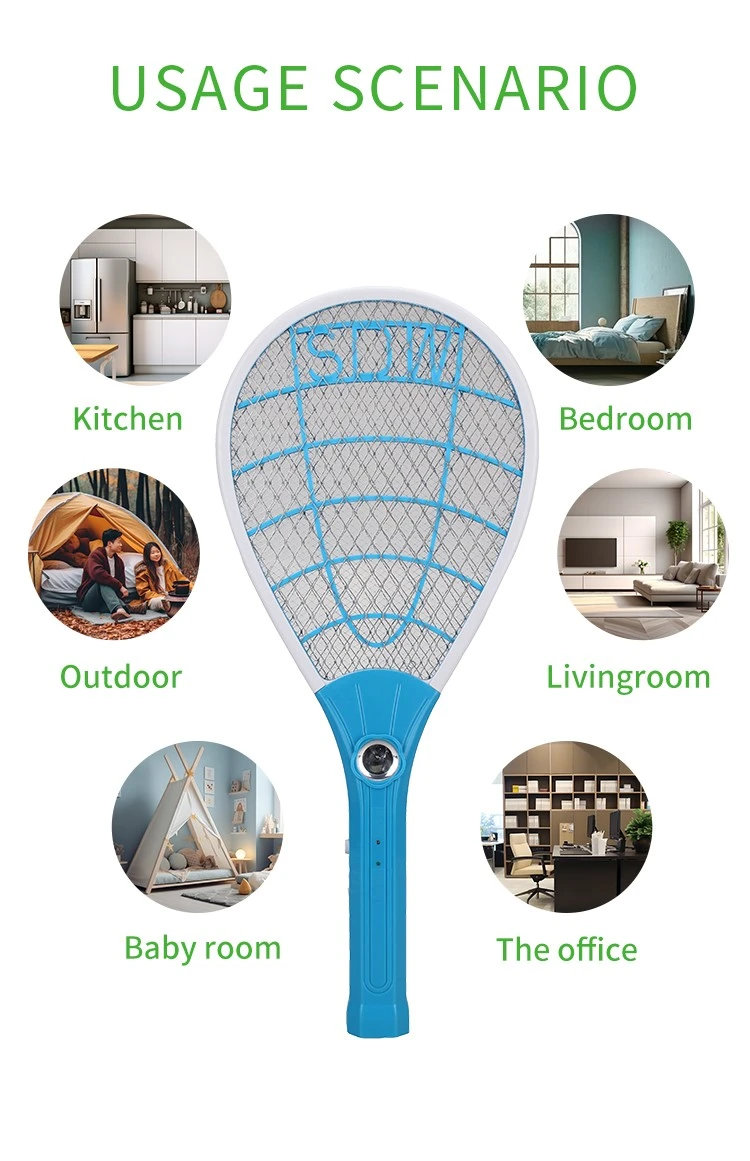
Most importers of electric mosquito swatters obsess over the first order: samples requested, factories vetted, a pre-shipment inspection booked. Then the reorder arrives eight months later and something is off. The grid feels softer. The charge port is a slightly different shade of black. The carton thickness dropped from 350 gsm to 300 gsm. Nothing is catastrophic — but the product no longer matches what your retail customers approved, and quietly, your return rate starts climbing.
How to Keep Mosquito Swatter Quality Consistent Across Repeat Orders
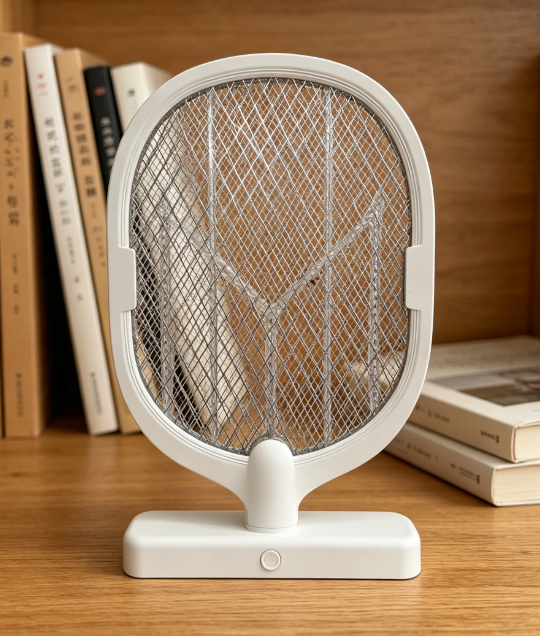
Warranty returns are the silent margin killer in the mosquito control category. A distributor who buys a swatter at $1.80 FOB and retails it at $9.90 can absorb a 1% return rate without noticing — but at 5%, the combined cost of replacement units, reverse logistics, and refund processing erases most of the line's profit.
Common mosquito swatter killer lamp failure modes wholesale spec guide

Digital bathroom scales rank as the second-highest-volume consumer weighing product category, only behind kitchen scales, with distinct market and product characteristics that set them apart from other scale types in importers’ product portfolios.
Digital bathroom body fat-bia-scale wholesale buyers guide