
How Does a Bug Zapper Work
2025-06-04
How Does a Bug Zapper Work
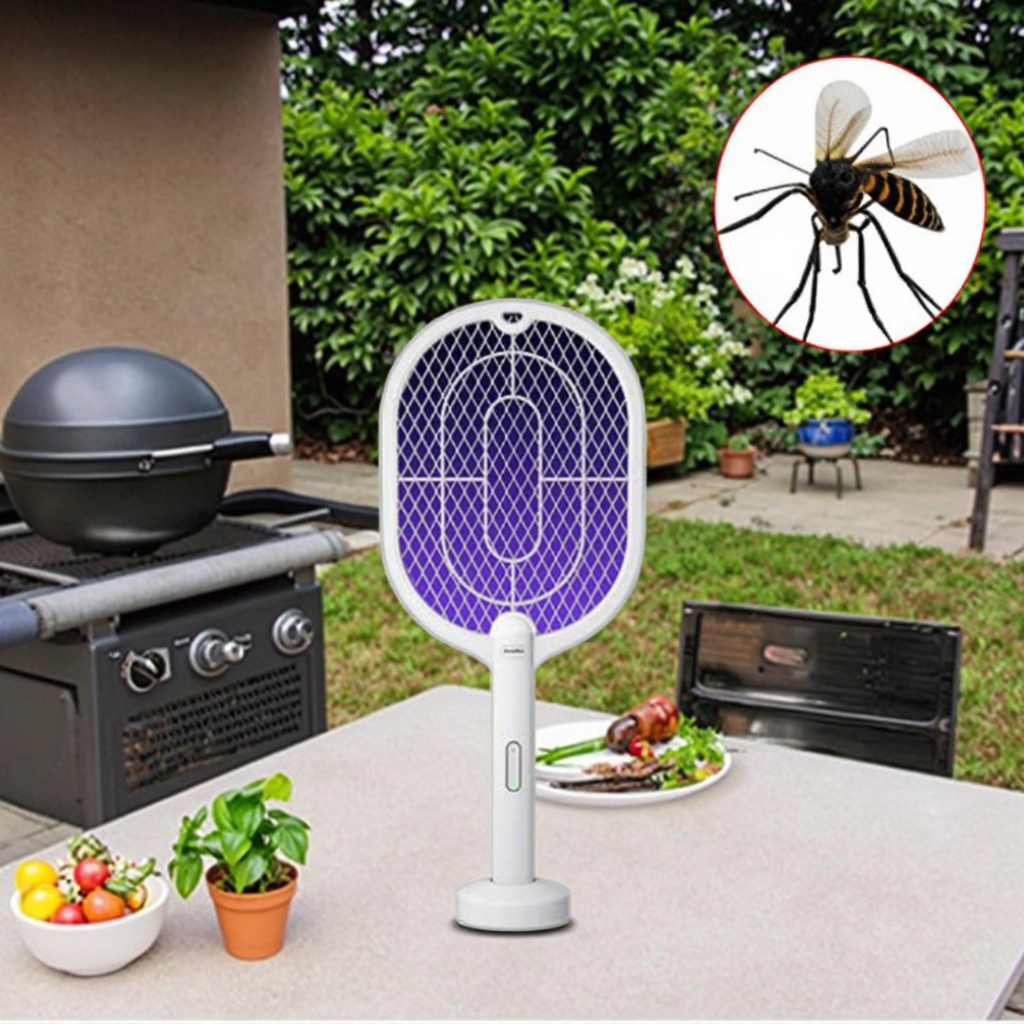
Have you ever wondered how those buzzing devices in your backyard manage to keep pesky insects at bay? Bug zappers have become a popular solution for outdoor enthusiasts looking to enjoy their time outside without the annoyance of mosquitoes, flies, and other flying insects. In this blog post, we'll take a closer look at the inner workings of a bug zapper and understand how it effectively eliminates these unwanted pests.
Attracting the Insects
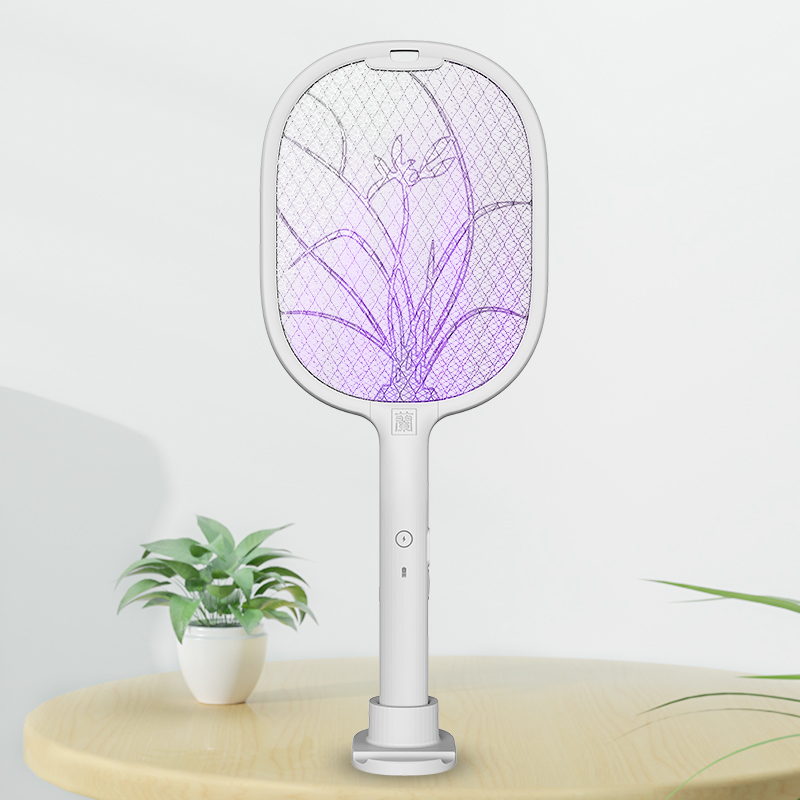
The first step in a bug zapper's operation is attracting insects. Bug zappers utilize ultraviolet (UV) light to draw insects in. Many flying insects, including mosquitoes and flies, are naturally attracted to UV light. The bug zapper emits a specific wavelength of UV light that acts as a beacon, luring insects from a distance. This is because insects use light sources to navigate, and the bright UV light emitted by the zapper confuses them, making them think it's a natural light source like the sun or moon.
The Electrified Grid
Once the insects are attracted to the bug zapper, they encounter the electrified grid. The grid is made up of two sets of metal wires that are charged with a high-voltage electric current. One set of wires is positively charged, and the other is negatively charged. When an insect touches both sets of wires simultaneously, it completes an electrical circuit, and a powerful electric shock is delivered, instantly killing the insect. The high voltage ensures that the insect is dispatched quickly and efficiently, minimizing any potential suffering.
Collection and Disposal
After the insects are zapped, they fall into a collection tray located at the bottom of the bug zapper. This tray is designed to catch the dead insects, making it easy for users to clean and maintain the device. Some bug zappers also come with additional features, such as a fan or sticky pads, to help trap and collect insects more effectively. Regularly emptying the collection tray is essential to prevent the buildup of dead insects, which can attract other pests and create an unpleasant odor.
Effectiveness and Limitations
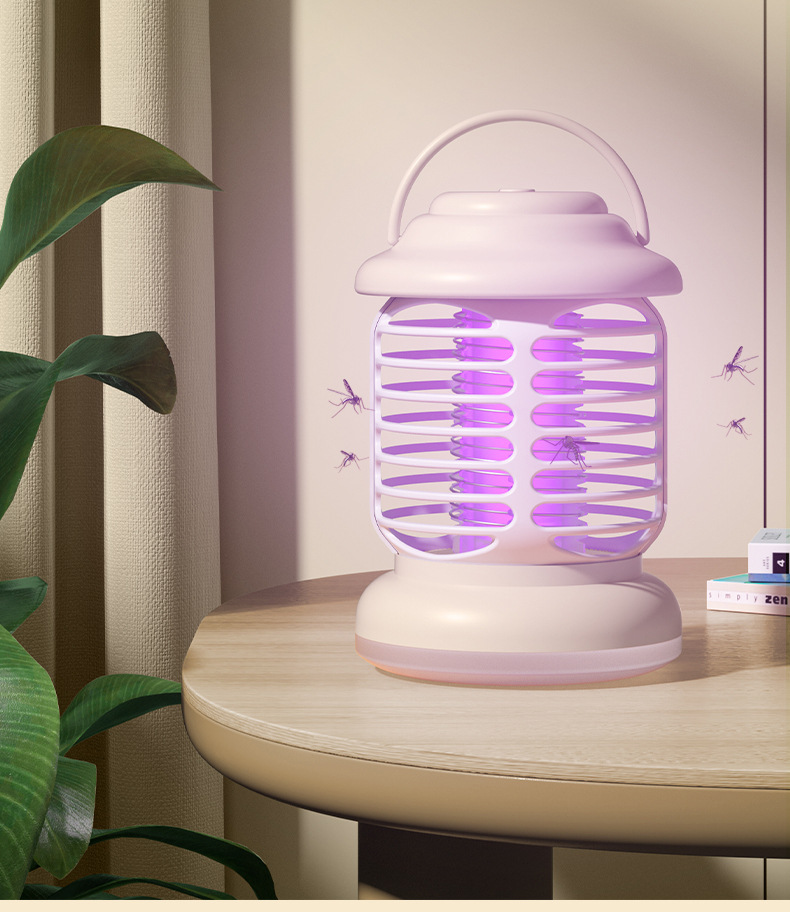
While bug zappers are effective at killing insects that come into contact with the electrified grid, it's important to note their limitations. Bug zappers primarily attract insects based on their attraction to UV light, which means they may not target specific pests effectively. Additionally, studies have shown that bug zappers may kill more beneficial insects, such as moths and beetles, than harmful ones. To maximize the effectiveness of a bug zapper, it's recommended to place it away from areas where people gather and to use it in conjunction with other pest control methods, such as insect repellents and screens.
In conclusion, bug zappers work by using UV light to attract insects, an electrified grid to kill them, and a collection tray to dispose of the dead pests. Understanding how a bug zapper works can help you make an informed decision about whether it's the right pest control solution for your needs. While it has its limitations, when used correctly, a bug zapper can be a useful tool in keeping your outdoor space insect-free.
what is the most effective bug zapper
Does a Bug Zapper Work
Related Article

If you’re struggling with annoying mosquitoes, flies, and other flying pests indoors and outdoors, upgrading from traditional manual tools to anElectric Mosquito Swatter is the most efficient solution. Many homeowners and renters search where to buy fly swatter online to find durable, safe, and high-performance electric models that deliver instant pest control.
Where to Buy Fly Swatter
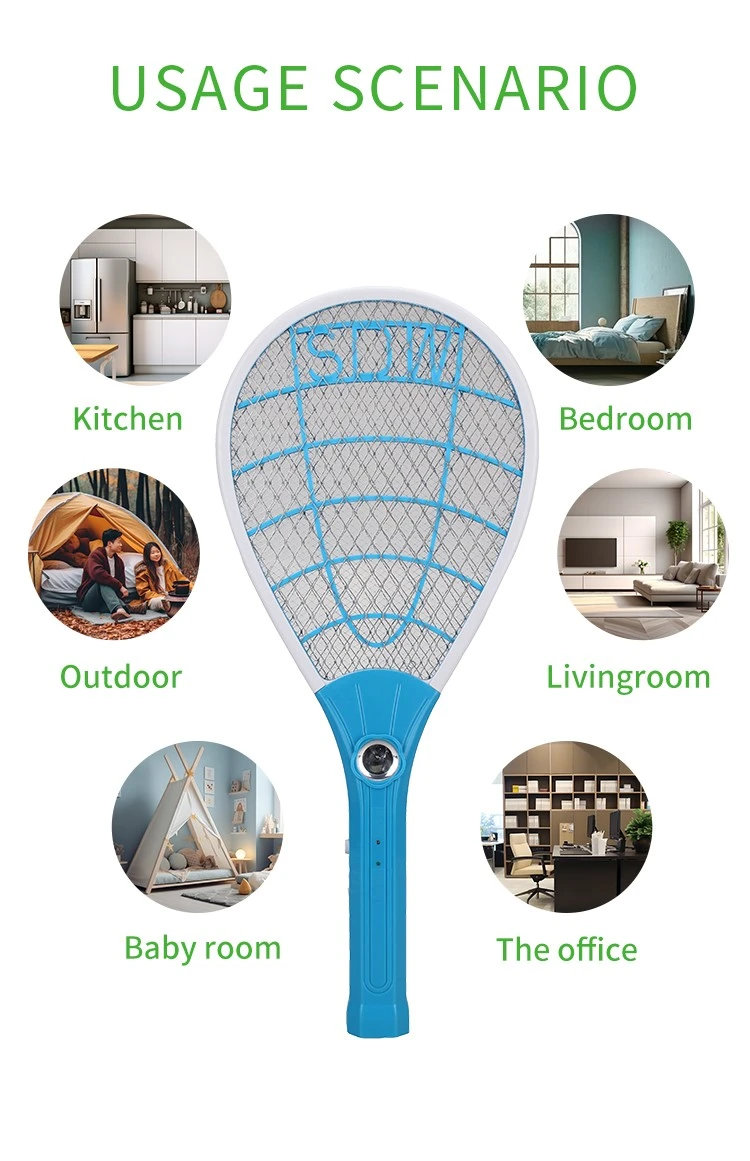
Most importers of electric mosquito swatters obsess over the first order: samples requested, factories vetted, a pre-shipment inspection booked. Then the reorder arrives eight months later and something is off. The grid feels softer. The charge port is a slightly different shade of black. The carton thickness dropped from 350 gsm to 300 gsm. Nothing is catastrophic — but the product no longer matches what your retail customers approved, and quietly, your return rate starts climbing.
How to Keep Mosquito Swatter Quality Consistent Across Repeat Orders
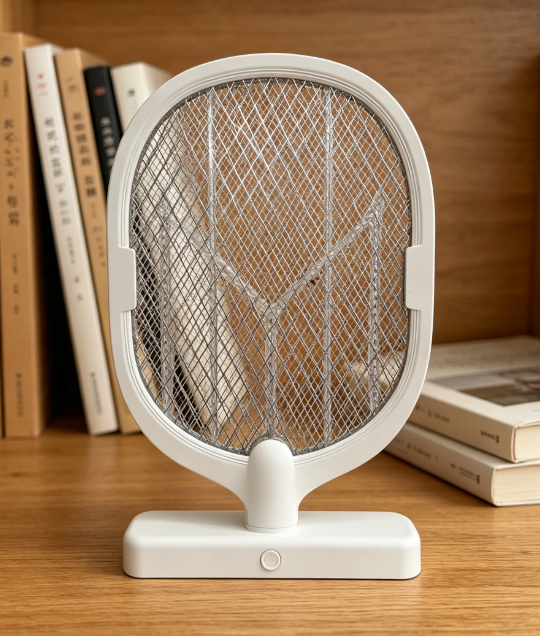
Warranty returns are the silent margin killer in the mosquito control category. A distributor who buys a swatter at $1.80 FOB and retails it at $9.90 can absorb a 1% return rate without noticing — but at 5%, the combined cost of replacement units, reverse logistics, and refund processing erases most of the line's profit.
Common mosquito swatter killer lamp failure modes wholesale spec guide

Digital bathroom scales rank as the second-highest-volume consumer weighing product category, only behind kitchen scales, with distinct market and product characteristics that set them apart from other scale types in importers’ product portfolios.
Digital bathroom body fat-bia-scale wholesale buyers guide