
How to Structure a Purchase Order for Mosquito Swatters
2026-10-13
Why the Purchase Order Matters More Than the Proforma Invoice
Most first-time mosquito swatter importers make a critical mistake: treating the proforma invoice (PI) as a binding final agreement. In reality, a PI is merely a sales quotation—a non-binding price and product overview. The purchase order (PO) is the legally enforceable document that turns preliminary business intent into formal, contractual obligations between buyer and supplier.
With 15 years of electric mosquito swatter manufacturing experience at our Chaozhou production facility, we have witnessed countless costly import failures. Many first-time overseas buyers lose full or partial deposits, receive substandard products, or face crippling delivery delays—all because their PO consisted of nothing more than a two-line email: “Please ship 5,000 pcs as per PI.”
A well-structured, detailed PO serves three irreplaceable core functions for mosquito swatter bulk imports. First, it locks in precise product specifications, preventing factories from cutting costs by substituting low-quality mesh, reducing grid voltage, or downgrading materials without formal written approval. Second, it codifies all commercial terms—including payment schedules, delivery timelines, and penalty rules—with specific numerical standards instead of vague verbal commitments. Third, it establishes a clear dispute-resolution process, stopping minor issues such as failed AQL inspections or short vessel delays from escalating into expensive arbitration cases that can cost up to $40,000.
This professional guide outlines 12 non-negotiable PO clauses for mosquito swatter importers. Compiled from real cross-border dispute cases, aligned with Incoterms 2020 standards, and refined through years of OEM/ODM contract negotiations with distributors across West Africa, the EU, and Latin America, these clauses eliminate ambiguity and mitigate core import risks.
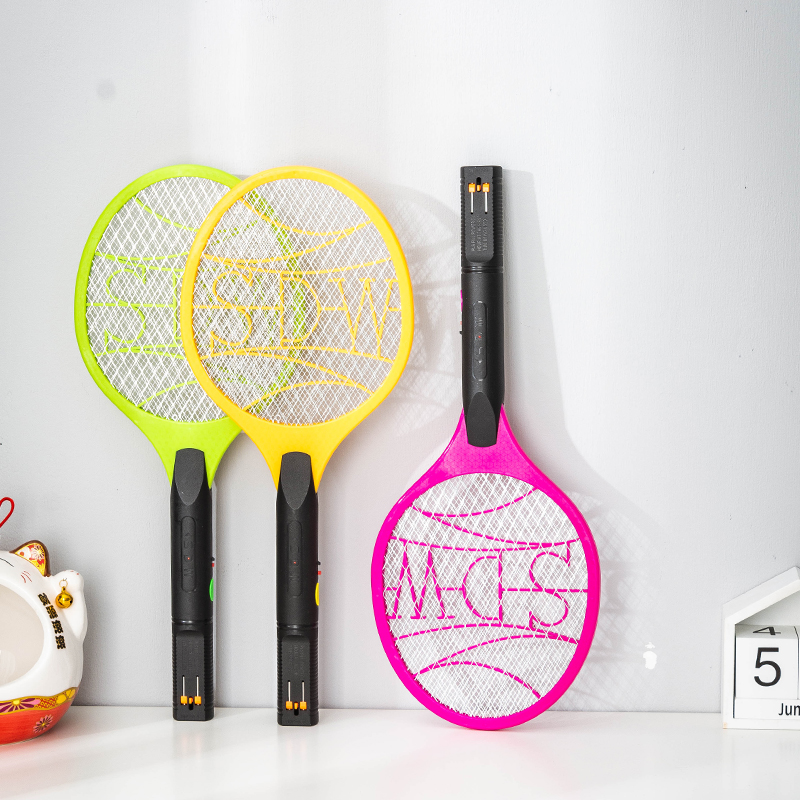
Clause 1–3: Product Specs, Quantities, and Price Lock (Foundation of Order Accuracy)
Clause 1 — Exact Product Specification with Reference Samples
Generic descriptions such as “electric mosquito swatter, model MS-001” are the leading cause of off-spec product disputes. Always attach a comprehensive specification sheet to your PO and anchor all production standards to pre-production samples.
Your spec sheet must include key technical details: precise grid voltage (e.g., 2,500–3,000 V), mesh layer configuration (single, double, or triple mesh), battery type and capacity (e.g., 1,200 mAh Li-ion battery), charging interface type (USB-C or Micro-USB), handle ABS material grade, and exact Pantone color codes. Additionally, reference the pre-production sample with its production date and courier tracking number to create a verifiable quality benchmark.
If you have not completed sample evaluation yet, finalize this process before issuing your PO to lock in consistent production standards.
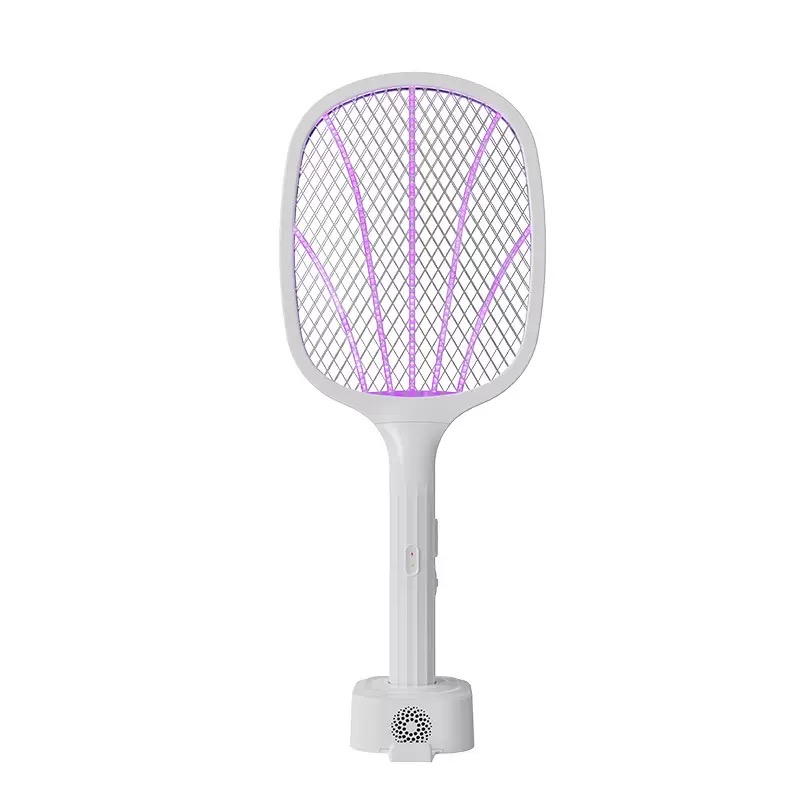
Clause 2 — Quantity, Unit of Measure, and Over/Under Tolerance
Clearly state the exact order quantity in both individual pieces and total cartons to avoid counting discrepancies. Critically, add a reasonable over/under shipment tolerance clause tailored to production line types: ±5% for manual assembly lines and ±3% for automated production lines.
Without this clause, suppliers may short-ship goods (e.g., 4,750 units for a 5,000-unit order) while invoicing for the full quantity, claiming shortfalls stem from QC rejections. This clause also protects buyers from forced overstock: you are not obligated to accept or pay for excess units beyond the agreed tolerance range.
Clause 3 — Locked Unit Price and Currency
Fix the firm unit price in your preferred currency (USD, CNY, or EUR) and specify a clear exchange-rate reference date to eliminate FX fluctuation risks. For RMB-denominated transactions, add a currency collar clause: “If the USD/CNY exchange rate fluctuates beyond ±3% of the PO signing date rate, the unit price shall be adjusted proportionally.”
This simple provision can save buyers $1,200–$2,500 in losses per 20ft container when exchange rates shift between PO confirmation and shipment completion.
Cost of Omission: Clauses 1–3
|
Clause
|
Core Requirement
|
Risks of Skipping
|
Typical Financial Loss
|
|---|---|---|---|
|
1
|
Spec sheet + verified sample reference
|
Off-spec goods, voltage downgrades, color mismatch
|
$3,000–$8,000 in rejected inventory costs
|
|
2
|
Defined quantity tolerance range
|
Short-ship full invoicing, forced overstock acceptance
|
$500–$2,000 in dispute management fees
|
|
3
|
Locked price + FX fluctuation collar
|
Mid-production supplier price hikes, exchange rate losses
|
$1,200–$4,000 per container
|
Clause 4–6: Payment Terms, Delivery Windows, and Penalties (Risk Control Levers)
Clause 4 — Payment Schedule with Verifiable Milestone Triggers
Avoid simplistic payment structures like “30% deposit, 70% balance before shipment”. Instead, tie every payment installment to objective, verifiable production milestones to retain buyer leverage.
Recommended milestone-based payment structure for mosquito swatter orders:
-
30% deposit: Due upon formal PO confirmation and mold release (applicable for OEM custom orders)
-
40% progress payment: Due only after goods pass pre-shipment inspection (PSI) with an AQL 2.5 compliance result
-
30% final balance: Payable within 7 days of the bill of lading (B/L) date under documentary collection or LC terms
This structure ensures suppliers complete critical quality and production tasks before receiving major payment installments, effectively protecting your deposit and quality interests.
Clause 5 — Delivery Window (Not a Single Fixed Date)
Guangdong manufacturing facilities frequently face unforeseen disruptions: Chinese New Year factory shutdowns, seasonal typhoon delays, and raw material shortages. A rigid single delivery date (e.g., “Deliver on November 15”) sets both parties up for non-compliance disputes.
Always use a flexible delivery window: “Goods shall be ready for shipment between November 10 and November 25, 2026”. Supplement this with a legally enforceable liquidated damages clause: “Any delay beyond the agreed delivery window will incur a penalty of 0.5% of the total PO value per week, capped at a maximum 5% of the PO total”.
This clause is enforceable in most jurisdictions as it reflects a genuine pre-estimate of buyer losses, rather than punitive fines.
Clause 6 — Incoterm 2020 and Exact Named Place
Explicitly state the Incoterm edition (Incoterms 2020) and a specific delivery location. Precise terms such as “FOB Shenzhen” clarify cost division, risk transfer, and port responsibilities. Vague phrasing like “FOB China” is legally meaningless and will trigger port cost and liability disputes.
Clause 7–9: Quality Standards, Packaging, and IP Protection (Quality & Compliance Safeguards)
Clause 7 — Inspection Standard and Formal Rejection Protocol
Standardize quality inspection rules to avoid endless supplier rework delays. Specify clear parameters: AQL 2.5 for major defects, AQL 4.0 for minor defects, and ISO 2859-1 General Inspection Level II sampling standards.
Define who bears re-inspection costs for failed batches and reserve your full right to reject the entire order if major defects exceed the AQL acceptance threshold. Without this clause, suppliers may drag out delivery timelines for weeks by repeatedly repairing and resubmitting defective individual units instead of resolving batch quality issues.
Clause 8 — Packaging Specification and Labeling Standards
Detailed packaging rules prevent in-transit damage and retail rejection. Define carton dimensions, gross weight limits (12–15 kg per carton for safe manual handling), inner polybag thickness, and standard barcode format (EAN-13, UPC-A, or GS1-128).
For retail-focused orders, add pallet configuration and shelf-ready packaging requirements to meet supermarket chain entry standards. Include humidity-protection specs suitable for long-distance ocean shipping to avoid product damage during transit.
Clause 9 — Intellectual Property and Non-Infringement Warranty
Critical for OEM and private-label mosquito swatter orders: Require suppliers to warrant that all custom designs, production molds, and packaging materials do not infringe on any third-party patents, trademarks, or intellectual property rights.
Add a full indemnity provision: “The supplier shall fully indemnify the buyer against all legal claims, fines, litigation costs, and compensatory damages arising from any IP infringement issues related to the order”. This clause complements (but does not replace) a standalone NNN agreement signed prior to sharing custom design files.
Clause 10–12: Force Majeure, Arbitration, and Mold Ownership (Long-Term Risk Mitigation)
Clause 10 — Force Majeure with Notice and Mitigation Obligations
Force majeure is not an unlimited excuse for supplier delays. A valid PO clause requires suppliers to notify the buyer of any disruptive force majeure event within 48 hours, provide official supporting evidence (government shutdown notices, shipping line bulletins, natural disaster alerts), and take all commercially reasonable measures to mitigate production and shipment delays.
Without mitigation requirements, suppliers can exploit minor disruptions (e.g., a 3-day typhoon delay) to justify weeks of unnecessary production halts.
Clause 11 — Dispute Resolution and Governing Law
For all cross-border mosquito swatter imports, prioritize arbitration over litigation. Clearly specify the arbitration seat (Hong Kong, Singapore, or Shenzhen), governing arbitration rules (HKIAC, SIAC, or SCIA), and official case language (English).
Generic “court of China” dispute clauses are risky, as cross-border judgment enforcement can take 18–36 months under bilateral treaties. By contrast, arbitration awards under the New York Convention are legally recognized and enforceable in 172 countries worldwide.
Clause 12 — Mold and Tooling Ownership
If you fund custom mold development for your mosquito swatter orders, explicitly confirm ownership in the PO: “All custom production molds and tooling are the exclusive property of the buyer. Upon PO completion or early termination, all molds shall be delivered to the buyer or held by a mutually agreed neutral third party at the buyer’s sole expense”.
This clause eliminates the risk of suppliers using your exclusive molds to produce gray-market products for competing distributors.
Real-World PO Red-Flag Checklist (5 Critical Mistakes to Avoid)
Before sending your purchase order, cross-check for these high-risk loopholes that commonly cause import disputes:
-
No sample reference: Without a dated, tracked pre-production sample reference, the supplier retains full control over defining “compliant goods”.
-
Vague delivery terms: Phrases like “ASAP” or “end of month” invite intentional and unintentional shipment delays. Always use a fixed calendar window.
-
100% pre-shipment payment: Paying the full balance before shipment eliminates all buyer leverage, leaving no recourse for defective goods or delays.
-
Silent rejection cost rules: Unclear liability for rework, re-inspection, and re-shipment fees leads to costly post-quality-failure disputes.
-
No formal arbitration terms: Vague “amicable resolution only” clauses provide no legal protection for cross-border conflicts.
Downloadable PO Clause Summary Table
|
Clause #
|
Core Topic
|
Key Content to Include
|
Risk If Omitted
|
|---|---|---|---|
|
1
|
Product Specification
|
Grid voltage, mesh layers, battery parameters, color codes, verified sample reference
|
Off-spec, downgraded, or mismatched products
|
|
2
|
Quantity Tolerance
|
Exact piece/carton count, ±3%–5% over/under shipment tolerance
|
Short-ship full invoicing or forced overstock acceptance
|
|
3
|
Price Lock & FX Control
|
Fixed unit price, currency type, ±3% exchange rate adjustment collar
|
Unplanned mid-order price hikes and FX losses
|
|
4
|
Milestone Payment Terms
|
30/40/30 payment structure tied to mold release, PSI approval, and B/L issuance
|
Lost deposit, zero QC leverage over suppliers
|
|
5
|
Delivery & Penalties
|
Fixed shipment window, 0.5% weekly delay penalty (capped at 5%)
|
Unlimited unpenalized production and shipment delays
|
|
6
|
Incoterm Standards
|
Incoterms 2020 edition, specific named port/ delivery location
|
Port cost division and risk transfer disputes
|
|
7
|
Quality Inspection Rules
|
AQL 2.5/4.0 standards, ISO 2859-1 sampling, full lot rejection right
|
Forced acceptance of defective product batches
|
|
8
|
Packaging & Labeling
|
Carton specs, weight limits, barcode standards, pallet configuration
|
In-transit damage, retail chain order rejection
|
|
9
|
IP Protection
|
Non-infringement warranty, full IP infringement indemnity clause
|
Third-party patent and trademark lawsuits
|
|
10
|
Force Majeure Rules
|
48-hour notification window, evidence submission, mitigation obligations
|
Indefinite supplier delays excused by vague force majeure claims
|
|
11
|
Dispute Resolution
|
Arbitration seat, institutional rules, English language proceedings
|
Unenforceable court judgments and prolonged dispute resolution
|
|
12
|
Mold Ownership
|
Exclusive buyer mold ownership, post-order mold delivery terms
|
Gray-market production of your custom products by suppliers
|
Final Takeaway
A purchase order is not a trivial post-order afterthought—it is the contractual skeleton that protects your deposit, locks in delivery timelines, and enforces consistent product quality for mosquito swatter imports.
At Aofengming Electric, we provide fully detailed spec sheets and customizable PO clause templates for all electric mosquito swatter and 2-in-1 UV mosquito trap models in our catalog, simplifying your order drafting process. If you are preparing your first bulk import order, share your target product specifications with our team, and we will deliver a tailor-made, clause-by-clause PO draft within 48 hours.
Third-Party Inspection vs Factory Self-Inspection
Effective Mosquito Repellent Tips
Related Article

If you’re struggling with annoying mosquitoes, flies, and other flying pests indoors and outdoors, upgrading from traditional manual tools to anElectric Mosquito Swatter is the most efficient solution. Many homeowners and renters search where to buy fly swatter online to find durable, safe, and high-performance electric models that deliver instant pest control.
Where to Buy Fly Swatter
Most importers of electric mosquito swatters obsess over the first order: samples requested, factories vetted, a pre-shipment inspection booked. Then the reorder arrives eight months later and something is off. The grid feels softer. The charge port is a slightly different shade of black. The carton thickness dropped from 350 gsm to 300 gsm. Nothing is catastrophic — but the product no longer matches what your retail customers approved, and quietly, your return rate starts climbing.
How to Keep Mosquito Swatter Quality Consistent Across Repeat Orders

Warranty returns are the silent margin killer in the mosquito control category. A distributor who buys a swatter at $1.80 FOB and retails it at $9.90 can absorb a 1% return rate without noticing — but at 5%, the combined cost of replacement units, reverse logistics, and refund processing erases most of the line's profit.
Common mosquito swatter killer lamp failure modes wholesale spec guide

Digital bathroom scales rank as the second-highest-volume consumer weighing product category, only behind kitchen scales, with distinct market and product characteristics that set them apart from other scale types in importers’ product portfolios.
Digital bathroom body fat-bia-scale wholesale buyers guide