
How to Clean a Bug Zapper
2025-05-09
How to Clean a Bug Zapper: A Step-by-Step Guide
Bug zappers are a convenient and effective way to keep pesky insects at bay. However, over time, these devices accumulate dead bugs and debris, which can reduce their efficiency and even pose a fire hazard if not cleaned regularly. In this blog post, we'll walk you thro
ugh he steps to clean your bug zapper safely and effectively.
Safety First: Unplug the Device
Before you start cleaning your bug zapper, the most crucial step is to unplug it from the electrical outlet. This eliminates the risk of electric shock, ensuring your safety while handling the device. Additionally, allow the bug zapper to cool down completely if it has been in use recently, as the internal components can get quite hot.
Gather Your Cleaning Supplies
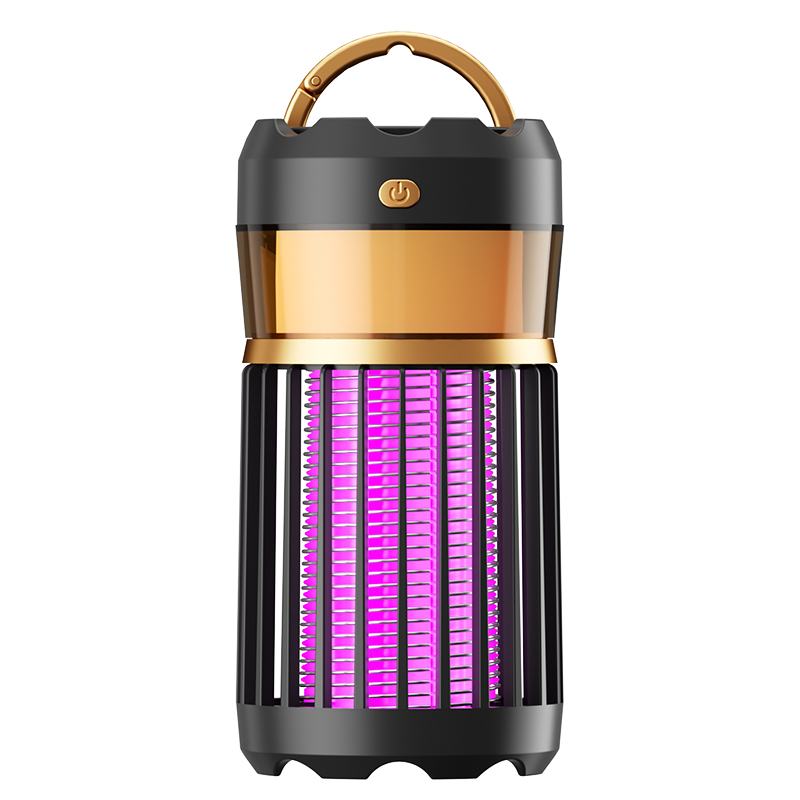
To clean your bug zapper efficiently, you'll need a few basic supplies:
- Rubber Gloves: Protect your hands from any sharp edges or potential contaminants.
- Soft Brush or Toothbrush: Ideal for gently removing stubborn debris from the grids and crevices.t
- Vacuum Cleaner with a Soft Brush Attachment: Helps to suck up loose bugs and dirt.
- Soapy Water: A mild dish soap mixed with warm water works well for cleaning the exterior.
- Microfiber Cloth: Use it to wipe down the surfaces without scratching.
Step-by-Step Cleaning Process
1. Remove the Collection Tray
Most bug zappers have a removable collection tray at the bottom. Carefully slide out the tray and empty the contents into a trash bag. You can also use a vacuum cleaner to suck out any remaining small particles.
2. Clean the Grids
The grids are the main component where bugs are zapped. Use a soft brush or toothbrush to gently scrub the grids, dislodging any stuck-on bugs and debris. If the grids are extremely dirty, you can soak them in soapy water for a few minutes, then rinse them thoroughly with clean water and let them air dry completely before reassembling.
3. Wipe Down the Exterior
Dampen a microfiber cloth with soapy water and wipe down the exterior of the bug zapper, removing any dirt, dust, or smudges. Pay special attention to the top and sides, where dust tends to accumulate.
4. Clean the Cord
Inspect the power cord for any signs of damage. If it's dirty, wipe it down with a damp cloth to keep it clean and safe.
Reassemble and Plug In
Once all the components are clean and dry, carefully reassemble the bug zapper. Make sure the grids and collection tray are properly aligned and secured. Then, plug the device back into the electrical outlet and test it to ensure it's working correctly.
Maintenance Tips
- Regular Cleaning: Aim to clean your bug zapper at least once a month during the peak bug season to maintain its effectiveness.
- Inspection: Periodically check the bug zapper for any signs of wear and tear, such as frayed cords or damaged grids, and replace any faulty parts immediately.
- Storage: If you're not using the bug zapper during the off-season, store it in a dry place to prevent rust and damage.
By following these simple steps and maintenance tips, you can keep your bug zapper in top condition, ensuring it continues to zap bugs efficiently and safely for years to come.
How to Make a Bug Zapper
Will a Bug Zapper Kill Mosquitoes
Related Article

If you’re struggling with annoying mosquitoes, flies, and other flying pests indoors and outdoors, upgrading from traditional manual tools to anElectric Mosquito Swatter is the most efficient solution. Many homeowners and renters search where to buy fly swatter online to find durable, safe, and high-performance electric models that deliver instant pest control.
Where to Buy Fly Swatter
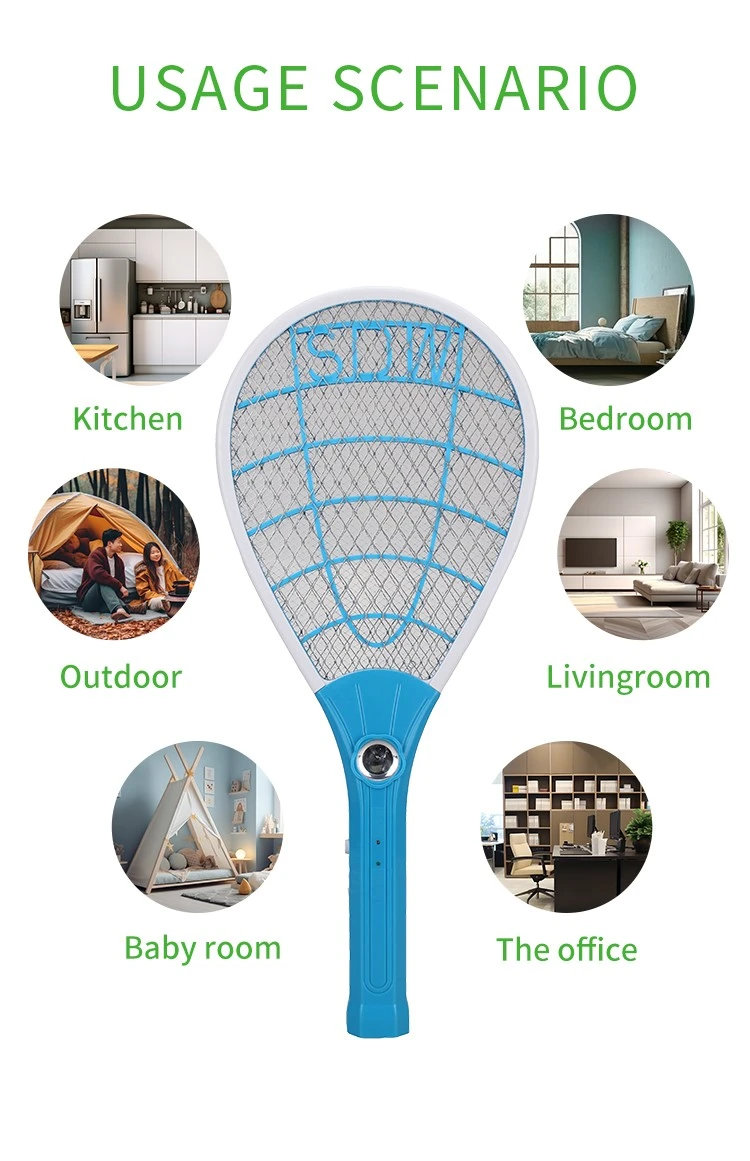
Most importers of electric mosquito swatters obsess over the first order: samples requested, factories vetted, a pre-shipment inspection booked. Then the reorder arrives eight months later and something is off. The grid feels softer. The charge port is a slightly different shade of black. The carton thickness dropped from 350 gsm to 300 gsm. Nothing is catastrophic — but the product no longer matches what your retail customers approved, and quietly, your return rate starts climbing.
How to Keep Mosquito Swatter Quality Consistent Across Repeat Orders
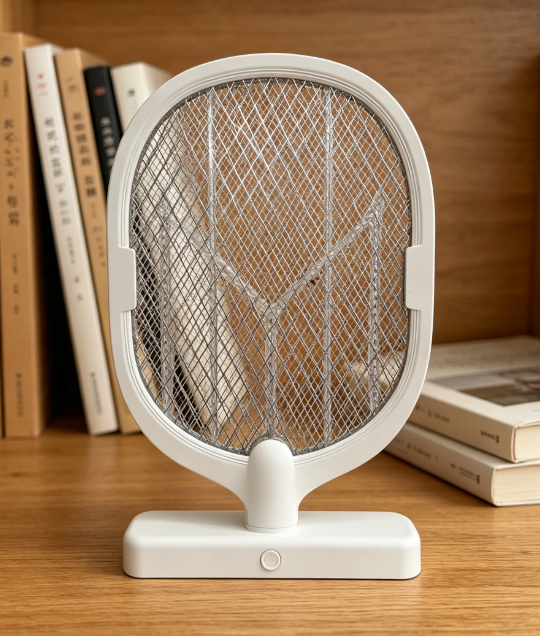
Warranty returns are the silent margin killer in the mosquito control category. A distributor who buys a swatter at $1.80 FOB and retails it at $9.90 can absorb a 1% return rate without noticing — but at 5%, the combined cost of replacement units, reverse logistics, and refund processing erases most of the line's profit.
Common mosquito swatter killer lamp failure modes wholesale spec guide

Digital bathroom scales rank as the second-highest-volume consumer weighing product category, only behind kitchen scales, with distinct market and product characteristics that set them apart from other scale types in importers’ product portfolios.
Digital bathroom body fat-bia-scale wholesale buyers guide