
Safe Usage Tips for Bug Zapper Rackets
2026-04-26
Safe Usage Tips for Bug Zapper Rackets
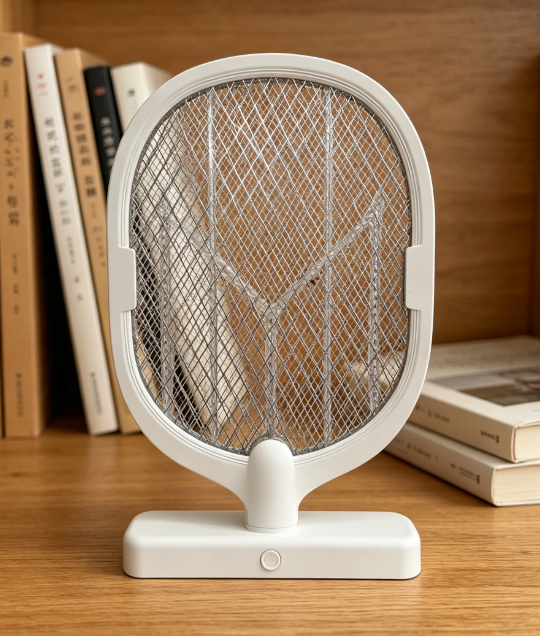
Summer evenings often come with an unwelcome guest: flying insects like mosquitoes, gnats, and flies. To keep these pests at bay, many households reach for a bug zapper racket—a handheld device that looks like a tennis racket but packs an electric punch to kill bugs on contact. But if you’ve ever held one, you’ve probably wondered: Can this device hurt a human? The short answer is usually no, but there are exceptions. Let’s break down how bug zapper rackets work, their potential risks, and how to use them safely.
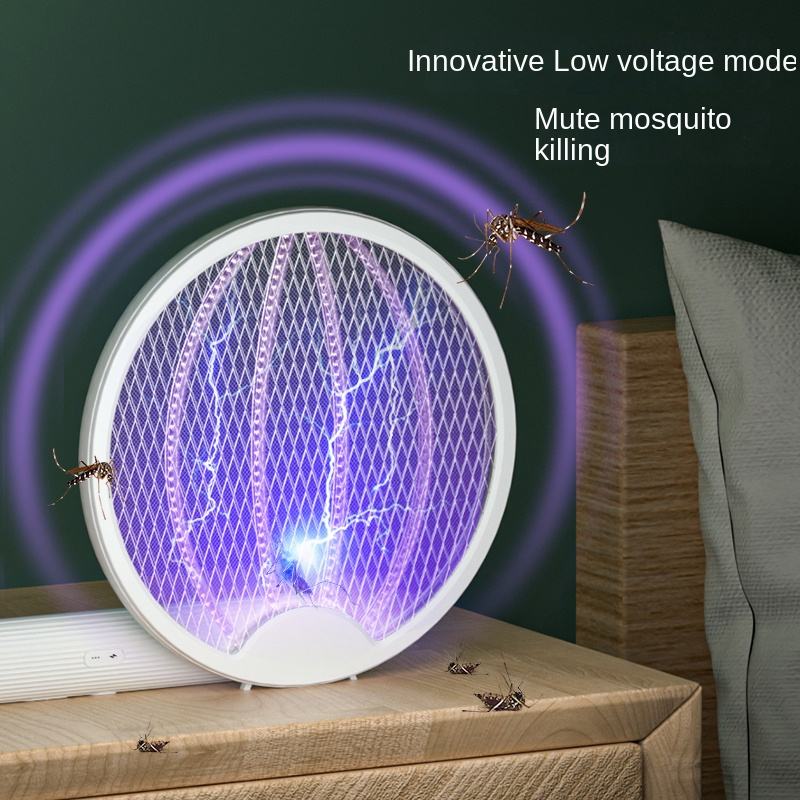
How Bug Zapper Rackets Work (And Why They’re Designed to Be Safe)
First, it’s important to understand the science behind bug zapper rackets. These devices don’t use the same high-voltage, high-current electricity that powers your home. Instead, they rely on a simple circuit that converts low-voltage battery power (usually 2 AA batteries or a rechargeable 4V lead-acid battery) into a high-voltage, low-current charge—typically between 1,000 and 4,000 volts, with some powerful models reaching up to 5,000 volts.
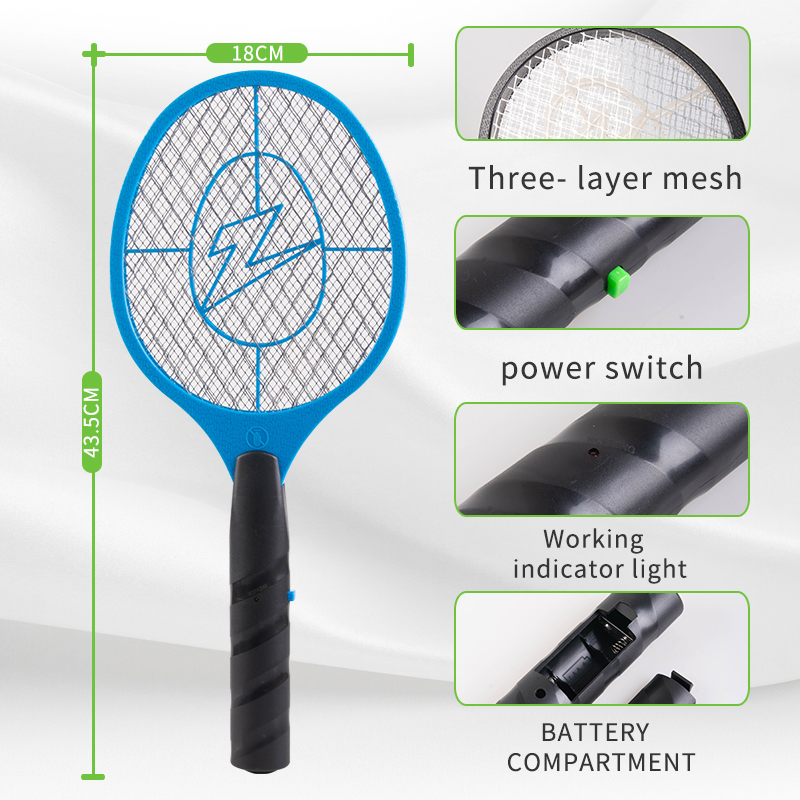
The key here is low current. Voltage is the “push” of electricity, while current is the actual flow of electrons through a conductor (like your body). Bug zapper rackets are engineered to produce a voltage high enough to kill small insects—whose tiny bodies can’t withstand the electrical shock—but a current so low (usually ≤10mA) that it’s harmless to humans and pets. Most models also feature a triple-layer mesh design: two outer protective layers that prevent accidental contact with the inner live grid, adding an extra safety barrier.
When an insect touches the racket’s grid, it completes the electrical circuit, creating the familiar “zap” sound and instantly killing the bug. For humans, however, the low current means the shock is more of a surprise than a danger.
What Happens If a Human Touches a Bug Zapper Racket?
If you accidentally touch the grid of an activated bug zapper racket, you’ll likely feel a sharp, tingling shock—similar to static electricity, but more intense. Some people describe it as a “sting” or a “jolt,” but it rarely causes any serious harm. Here’s what you can expect, depending on the situation:
-
Minor Shock: The most common scenario. A quick touch will cause a momentary tingle or discomfort, but no lasting damage. This is because the low current doesn’t have enough force to harm your body’s cells or organs.
-
Multiple Touches or Prolonged Contact: If you hold your finger on the grid for several seconds (which is hard to do because the shock is unpleasant), you might experience slight redness or a mild burn at the contact point. This is rare, but it can happen with higher-voltage models.
-
Special Cases: For people with pacemakers, heart conditions, or other medical devices, even a minor shock could potentially interfere with their equipment. It’s best for these individuals to avoid using bug zapper rackets altogether. Additionally, touching the racket with wet hands can increase the shock’s intensity (since water conducts electricity), so always use the device with dry hands.
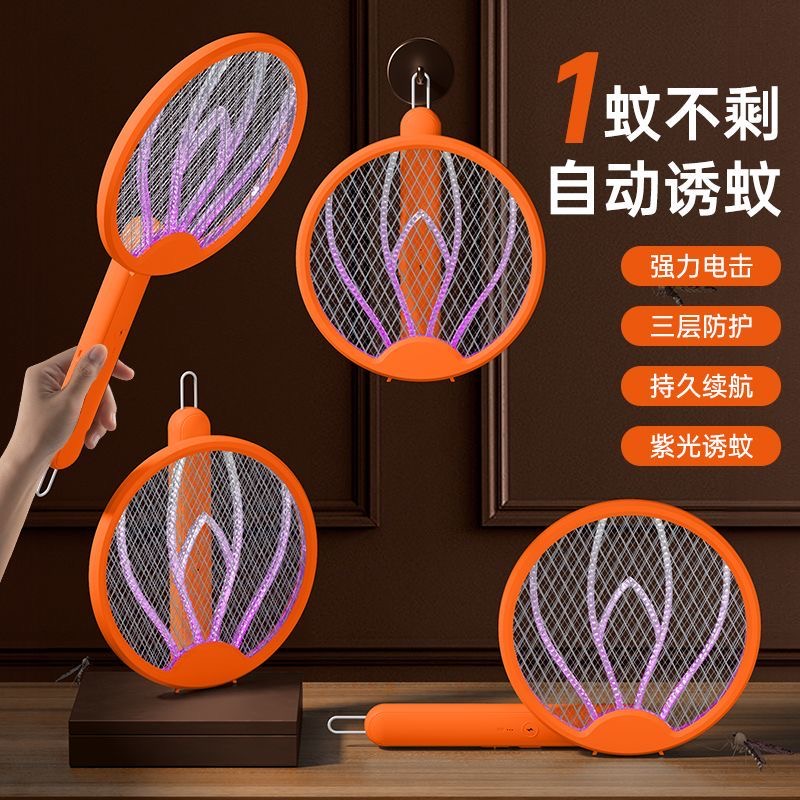
When Can a Bug Zapper Racket Be Dangerous?
While bug zapper rackets are generally safe, there are a few rare situations where they could pose a risk. These risks are almost always avoidable with proper use:
-
Damaged or Faulty Devices: If the racket’s mesh is broken, the circuit is damaged, or the battery is faulty, it could produce higher current than intended. Never use a bug zapper racket that’s cracked, wet, or not working properly—this could lead to a more powerful shock or even a short circuit.
-
Using Around Flammable Materials: The “zap” from the racket can produce a small spark. If you use it near gasoline, propane, or other flammable substances, this spark could ignite a fire. Always keep the racket away from flammable materials.
-
Children and Pets: Kids and pets might not understand the danger of touching the grid. While the shock won’t seriously hurt them, it can scare them or cause minor discomfort. Keep bug zapper rackets out of reach of young children and never let them play with the device—as the manufacturer warnings often state, it’s not a toy.
-
Overcharging Rechargeable Models: Rechargeable bug zapper rackets can overheat if left charging for too long (more than 16 hours, per most manufacturers), which could damage the battery or create a fire risk. Always follow the charging instructions on the device.
Safe Usage Tips for Bug Zapper Rackets
To ensure you use your bug zapper racket safely (and avoid any unnecessary shocks), follow these simple tips:
-
Always read the manufacturer’s instructions before using the device—different models may have specific safety guidelines.
-
Only use the racket with dry hands and in dry environments. Avoid using it in rain or near water sources.
-
Never touch the grid while the racket is activated. Press the trigger only when you’re ready to swat a bug, and release it immediately after.
-
Inspect the racket regularly for damage. If the mesh is torn, the handle is cracked, or the device isn’t zapping bugs properly, stop using it and replace it.
-
Store the racket in a cool, dry place, away from children and pets. For rechargeable models, avoid overcharging and remove the battery if storing for long periods.
-
Clean the grid regularly to remove dead bugs—use a soft, dry brush (and remove the battery first) to avoid damaging the circuit.
Final Verdict: Bug Zapper Rackets Are Safe for Humans (When Used Correctly)
In short, a bug zapper racket is extremely unlikely to hurt a human. Its high-voltage, low-current design is specifically engineered to kill small insects without posing a threat to people or pets. The worst you’ll likely experience is a mild, momentary shock if you accidentally touch the grid.
The key to safety is using the device as intended: keep it away from children and pets, avoid damaged or wet devices, and never use it near flammable materials. With these precautions in mind, you can enjoy a bug-free summer without worrying about getting hurt by your bug zapper racket.
2026 Yiwu Consumer Electronics Fair Invitation
The Ratio of Pour-Over Coffee
Related Article

If you’re struggling with annoying mosquitoes, flies, and other flying pests indoors and outdoors, upgrading from traditional manual tools to anElectric Mosquito Swatter is the most efficient solution. Many homeowners and renters search where to buy fly swatter online to find durable, safe, and high-performance electric models that deliver instant pest control.
Where to Buy Fly Swatter
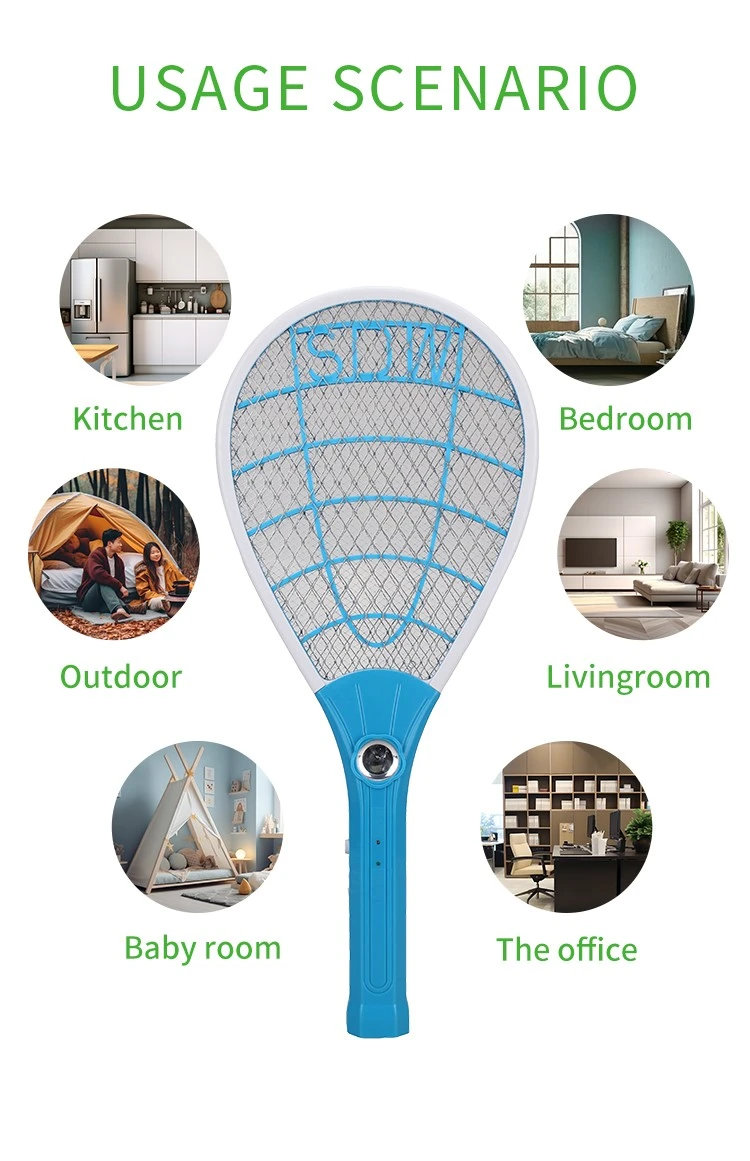
Most importers of electric mosquito swatters obsess over the first order: samples requested, factories vetted, a pre-shipment inspection booked. Then the reorder arrives eight months later and something is off. The grid feels softer. The charge port is a slightly different shade of black. The carton thickness dropped from 350 gsm to 300 gsm. Nothing is catastrophic — but the product no longer matches what your retail customers approved, and quietly, your return rate starts climbing.
How to Keep Mosquito Swatter Quality Consistent Across Repeat Orders
Warranty returns are the silent margin killer in the mosquito control category. A distributor who buys a swatter at $1.80 FOB and retails it at $9.90 can absorb a 1% return rate without noticing — but at 5%, the combined cost of replacement units, reverse logistics, and refund processing erases most of the line's profit.
Common mosquito swatter killer lamp failure modes wholesale spec guide

Digital bathroom scales rank as the second-highest-volume consumer weighing product category, only behind kitchen scales, with distinct market and product characteristics that set them apart from other scale types in importers’ product portfolios.
Digital bathroom body fat-bia-scale wholesale buyers guide