
UV lamps can really kill bedbugs
2025-11-17
UV lamps can really kill bedbugs? The Science, Facts, and Practical Tips
If you’ve ever dealt with a bed bug infestation, you know how frustrating and persistent these tiny pests can be. From mattress encasements to chemical sprays, people try countless methods to eliminate bed bugs—and one question that often pops up is: Do UV lights kill bed bugs?
The short answer is yes, but with important caveats. Let’s break down the science behind UV light and bed bugs, what works (and what doesn’t), and how to use this tool effectively (if at all) in your pest control routine.
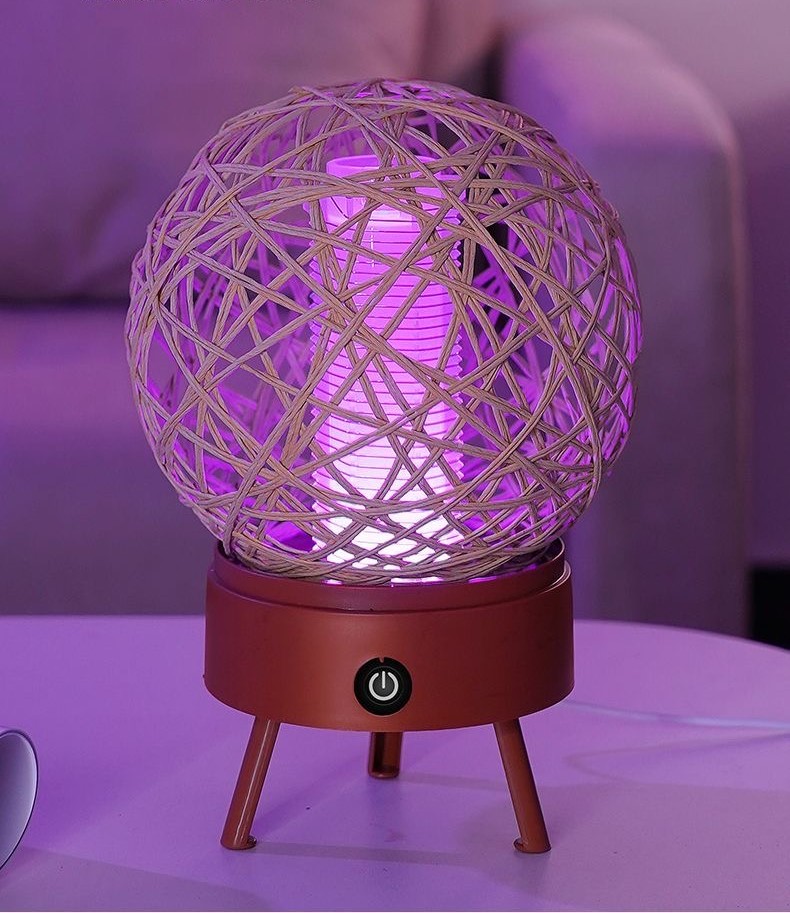
First: What Are UV Lights, and How Do They Kill Pests?
UV (ultraviolet) light is a type of electromagnetic radiation invisible to the human eye. It’s divided into three main categories:
- UVC (short-wave UV): The most powerful and germicidal type, often used to kill bacteria, viruses, and some insects. This is the wavelength we’re focusing on for bed bug control.
- UVB (medium-wave UV): Responsible for sunburns and vitamin D production—less effective for pest control.
- UVA (long-wave UV): Used in blacklights for detection (like finding bed bug stains) but not for killing.
UVC light works by damaging the DNA and RNA of living organisms. When bed bugs are exposed to high enough doses of UVC, their cellular structure breaks down, leading to death. Studies (including research from entomology departments at universities like Rutgers) have confirmed this: direct UVC exposure can kill bed bugs at all life stages—eggs, nymphs, and adults.
But Here’s the Catch: It’s Not a “Set-and-Forget” Solution
While UVC light can kill bed bugs, it’s far from a magic fix. The effectiveness depends entirely on direct, unobstructed exposure—and bed bugs are experts at hiding in places UV light can’t reach. Here’s why it’s tricky:
- Bed Bugs Hide in Dark, Hard-to-Reach Spots
Bed bugs don’t live out in the open. They nest in mattress seams, box springs, cracks in furniture, behind baseboards, and even inside electrical outlets. UVC light can only kill bugs it directly hits—if a bed bug is tucked under a mattress stitch or behind a piece of wood, the light won’t reach it.
- Exposure Time Matters (A Lot)
A quick pass with a UV light won’t do the job. Most studies show that bed bugs need several minutes of continuous UVC exposure to die. For example, one experiment found that adult bed bugs required 5–10 minutes of direct UVC light (at a specific intensity) to perish, while eggs needed even longer (10–15 minutes). If you’re moving a UV light across a mattress quickly, you’re barely scratching the surface.
- UVC Light Is Harmful to Humans and Pets
UVC radiation burns skin and damages eyes—even short exposure can cause redness, pain, or temporary vision issues. This means you can’t just leave a UV light on in a bedroom while you sleep, and you need to wear protective gear (gloves, goggles) when using it. It also rules out using UV lights in areas where kids or pets might accidentally come into contact with the light.
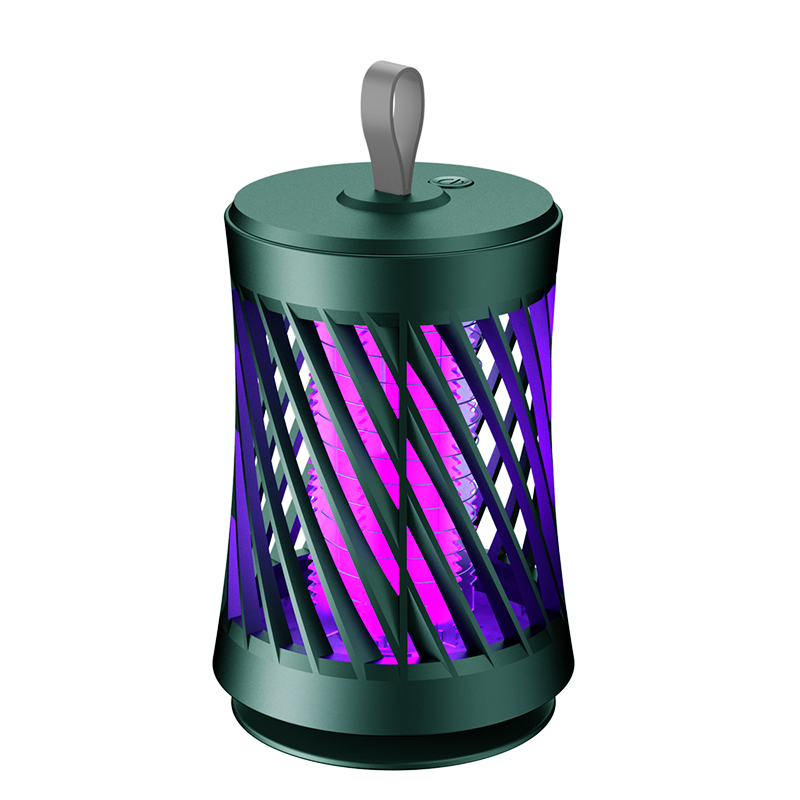
When (and How) to Use UV Lights for Bed Bugs (If At All)
UV lights aren’t a primary solution for bed bug infestations, but they can play a supporting role in detection and targeted treatment. Here’s how to use them safely and effectively:
1. For Detection (Not Killing)
UVA blacklights (not UVC) are great for finding hidden bed bug activity. Bed bug feces, eggs, and shed skins glow under UVA light, making it easier to spot where bugs are nesting. Once you identify these hotspots, you can focus your main treatment (like heat, insecticides, or mattress encasements) there.
2. For Targeted Spot Treatment
If you find a small cluster of bed bugs (e.g., on a mattress seam or a piece of furniture), you can use a portable UVC light to kill them—but only if you can get direct light on every bug. Follow these steps:
- Wear gloves and UV-protective goggles.
- Turn off all other lights (UVC works best in darkness).
- Hold the UVC light 1–2 inches away from the infested area.
- Keep the light steady for 5–15 minutes (longer for eggs).
- After treatment, ventilate the area for 10–15 minutes before re-entering.
Even if you kill a few bugs with UVC, there will almost always be more hiding out of sight. For a full infestation, combine UV detection with proven methods like:
- Heat treatment: Professional heat treatments (which raise room temperatures to 120–140°F) kill bed bugs in all hiding spots.
- Insecticides: EPA-registered bed bug sprays or dusts (applied by a professional) target bugs in cracks and crevices.
- Mattress encasements: These trap bed bugs inside mattresses/box springs, preventing them from feeding and reproducing.
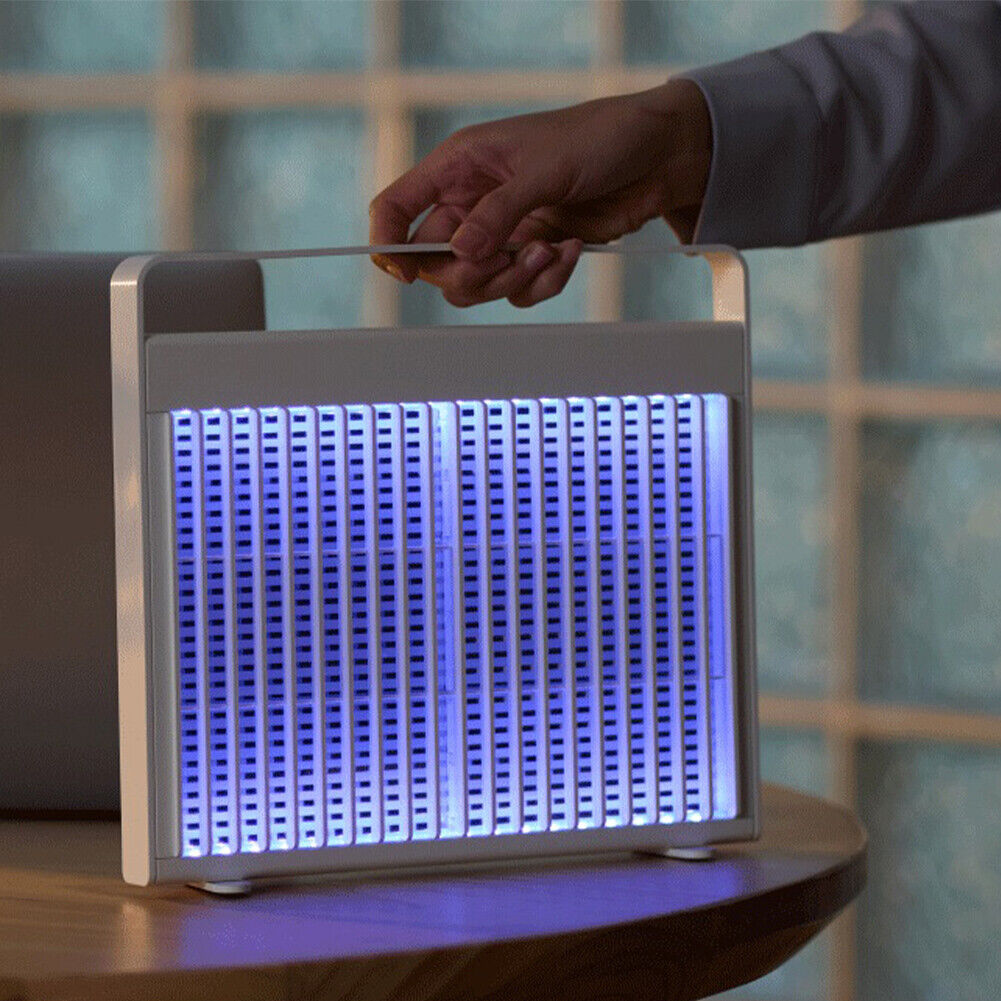
The Bottom Line: Do UV Lights Kill Bed Bugs?
Yes, UVC lights can kill bed bugs—but only when the bugs are exposed directly to the light for several minutes. Due to bed bugs’ hiding habits and the risks of UVC to humans, UV lights are not a standalone solution for infestations. They work best as a tool to detect bed bug hotspots or treat small, visible clusters—paired with more effective methods like heat or professional insect control.
If you’re dealing with a bed bug problem, don’t waste time on “miracle” UV light gadgets that claim to “zap bugs instantly.” Instead, focus on evidence-based treatments, and use UV lights as a helper—not a hero.
Old Mosquito Swatter Transformation Guide
How to Kill Mosquito Larvae
Related Article

If you’re struggling with annoying mosquitoes, flies, and other flying pests indoors and outdoors, upgrading from traditional manual tools to anElectric Mosquito Swatter is the most efficient solution. Many homeowners and renters search where to buy fly swatter online to find durable, safe, and high-performance electric models that deliver instant pest control.
Where to Buy Fly Swatter

Most importers of electric mosquito swatters obsess over the first order: samples requested, factories vetted, a pre-shipment inspection booked. Then the reorder arrives eight months later and something is off. The grid feels softer. The charge port is a slightly different shade of black. The carton thickness dropped from 350 gsm to 300 gsm. Nothing is catastrophic — but the product no longer matches what your retail customers approved, and quietly, your return rate starts climbing.
How to Keep Mosquito Swatter Quality Consistent Across Repeat Orders

Warranty returns are the silent margin killer in the mosquito control category. A distributor who buys a swatter at $1.80 FOB and retails it at $9.90 can absorb a 1% return rate without noticing — but at 5%, the combined cost of replacement units, reverse logistics, and refund processing erases most of the line's profit.
Common mosquito swatter killer lamp failure modes wholesale spec guide

Digital bathroom scales rank as the second-highest-volume consumer weighing product category, only behind kitchen scales, with distinct market and product characteristics that set them apart from other scale types in importers’ product portfolios.
Digital bathroom body fat-bia-scale wholesale buyers guide