
What are bug lamps called
2025-07-03
What are bug lamps called
In the battle against pesky insects that disrupt our peaceful evenings and outdoor activities, bug lamps play a crucial role. But what exactly are bug lamps called? In general, they can be referred to as insect traps, bug zappers, or mosquito killers. Among them, mosquito killer lamps and mosquito swatters are two common types widely used in daily life. Let’s explore these bug lamps in detail.
Mosquito Killer Lamps: A Silent Guardian Against Mosquitoes
Mosquito killer lamps, also known as mosquito traps or UV mosquito killers, are designed to attract and eliminate mosquitoes and other flying insects. The working principle of mosquito killer lamps mainly relies on the phototaxis of insects. Most insects, especially mosquitoes, are attracted to specific wavelengths of ultraviolet (UV) light. Mosquito killer lamps emit UV light to attract insects, and once the insects approach, they are either electrocuted by an electric grid or sucked into a collection chamber by a fan.
Types of Mosquito Killer Lamps
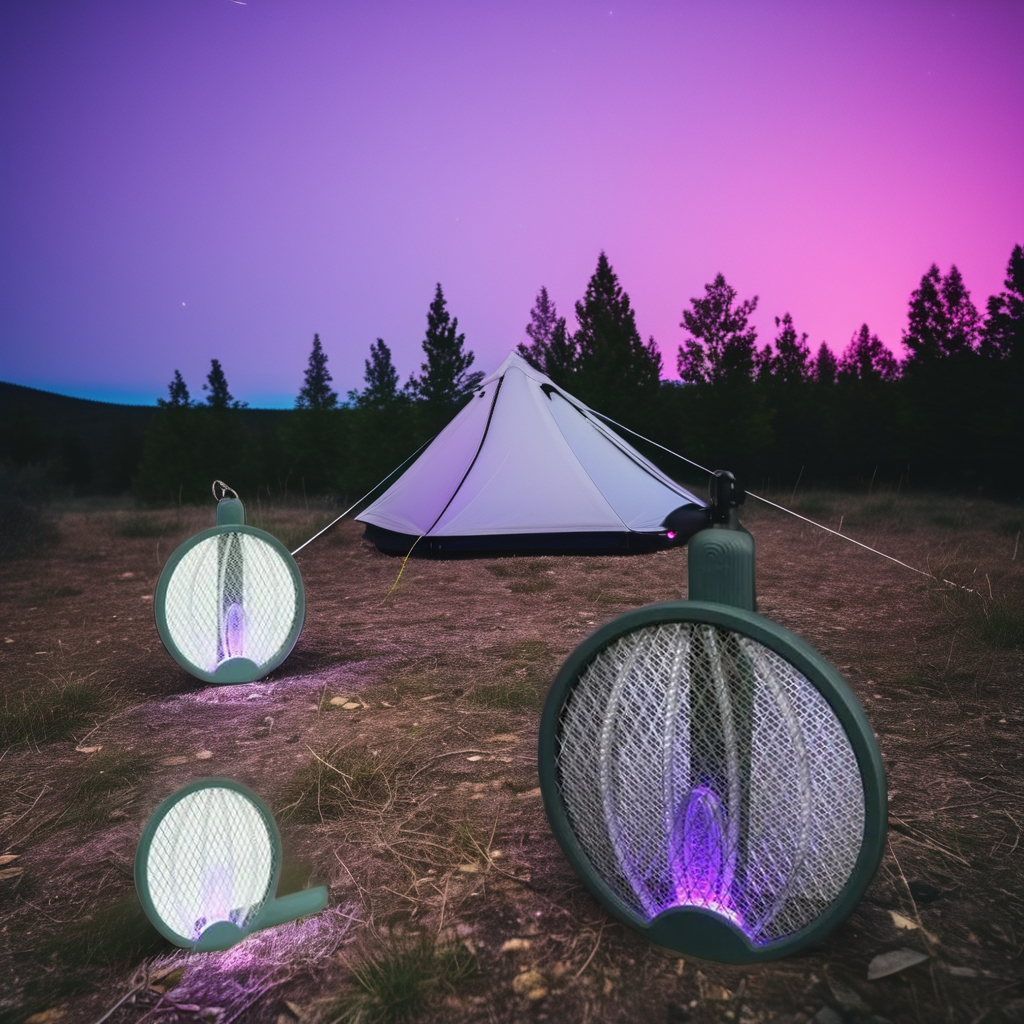
- Electrocuting Mosquito Killer Lamps: These are the most common type. When insects are lured by the UV light and come into contact with the high-voltage electric grid, they are instantly electrocuted. The sound of insects being zapped can be quite satisfying, indicating that the lamp is doing its job.
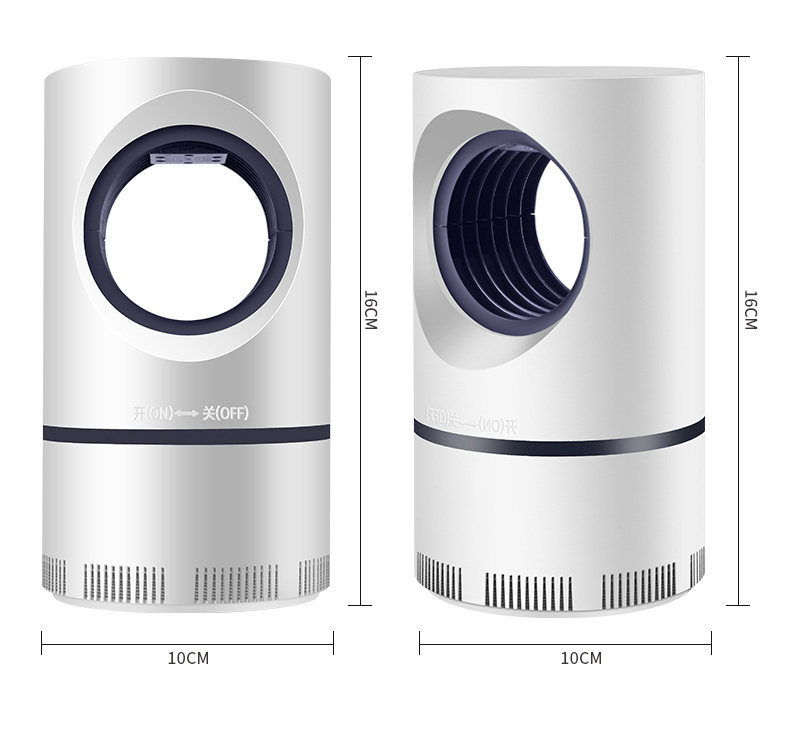
- Suction Mosquito Killer Lamps: Instead of using an electric grid, these lamps use a fan to create a suction force. Once the insects are attracted by the light, the fan sucks them into a collection box, where they eventually die from dehydration or exhaustion.
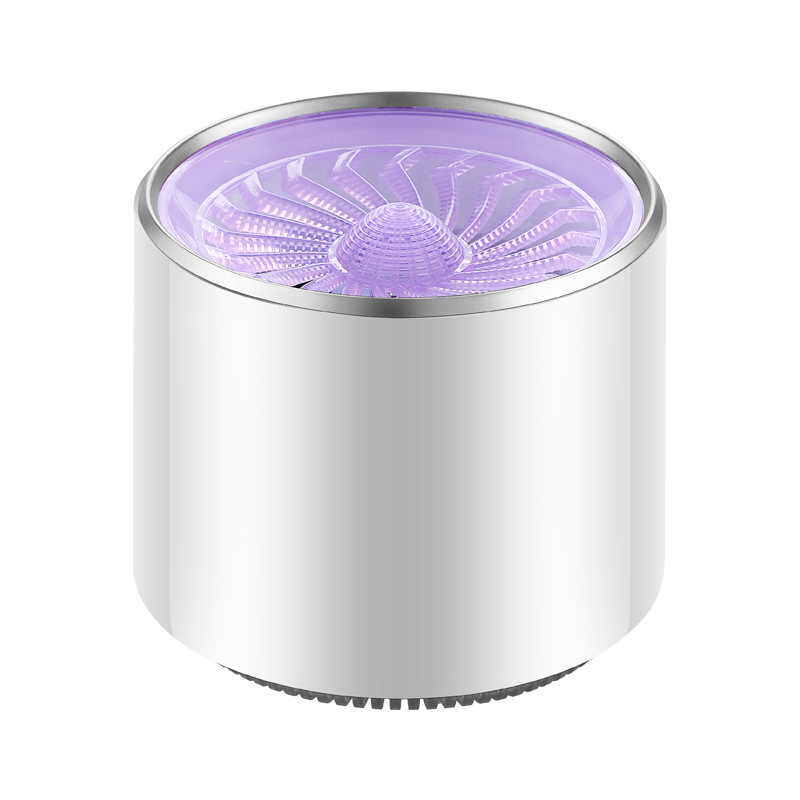
Advantages and Disadvantages
- Advantages: Mosquito killer lamps are relatively safe to use around humans and pets as they don’t rely on chemicals. They can cover a relatively large area and continuously work to reduce the mosquito population in a room or outdoor space.
- Disadvantages: They may not be as effective in areas with a large number of mosquitoes. Also, the dead insects need to be cleaned regularly from the collection chamber or electric grid, otherwise, it may produce an unpleasant smell.
Mosquito Swatters: A Manual Approach to Insect Control
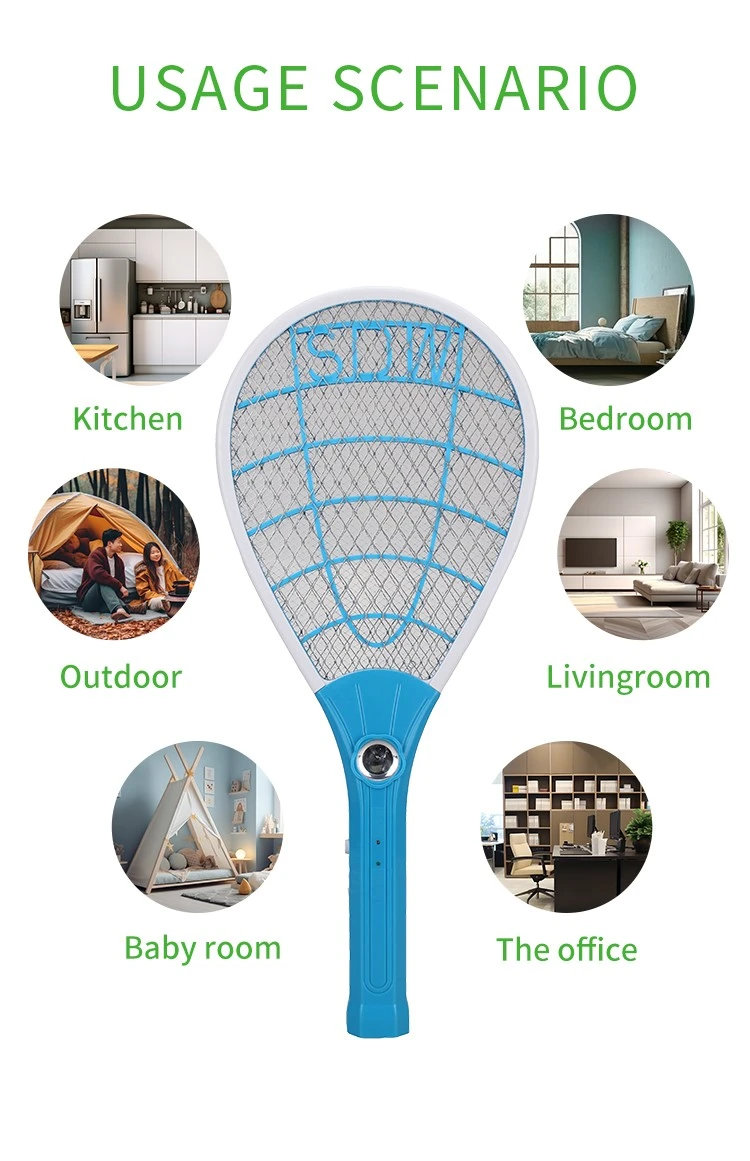
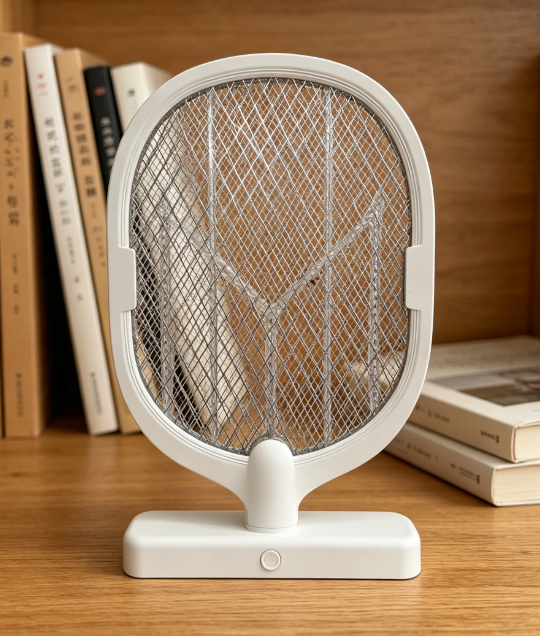
Mosquito swatters, on the other hand, offer a more hands - on way to deal with insects. They are handheld devices with an electric grid that is powered by batteries or rechargeable batteries. When you swing the swatter at a mosquito or other flying insect and the insect comes into contact with the grid, it is electrocuted.
How Mosquito Swatters Work
The mosquito swatter has a power switch. When turned on, it charges the electric grid to a high voltage. When an insect touches the grid, it completes an electrical circuit, and the resulting electric shock kills the insect almost instantly.
Advantages and Disadvantages
- Advantages: Mosquito swatters are very effective for eliminating individual insects that are in close proximity. They are portable, so you can use them both indoors and outdoors. There is no need to worry about setting up a fixed device, and you have direct control over which insects to target.
- Disadvantages: It requires some skill and quick reflexes to successfully swat an insect. And for large - scale insect problems, using a mosquito swatter can be time - consuming and tiring.
In conclusion, whether it’s the mosquito killer lamp that silently works in the background or the mosquito swatter that gives you a hands - on experience, both are important tools in the fight against bugs. Understanding what bug lamps are called and how they work can help us choose the most suitable one for our specific needs and enjoy a bug - free environment.
Can Bleach Kill Insects
What is the number one killer mosquito
Related Article

If you’re struggling with annoying mosquitoes, flies, and other flying pests indoors and outdoors, upgrading from traditional manual tools to anElectric Mosquito Swatter is the most efficient solution. Many homeowners and renters search where to buy fly swatter online to find durable, safe, and high-performance electric models that deliver instant pest control.
Where to Buy Fly Swatter
Most importers of electric mosquito swatters obsess over the first order: samples requested, factories vetted, a pre-shipment inspection booked. Then the reorder arrives eight months later and something is off. The grid feels softer. The charge port is a slightly different shade of black. The carton thickness dropped from 350 gsm to 300 gsm. Nothing is catastrophic — but the product no longer matches what your retail customers approved, and quietly, your return rate starts climbing.
How to Keep Mosquito Swatter Quality Consistent Across Repeat Orders
Warranty returns are the silent margin killer in the mosquito control category. A distributor who buys a swatter at $1.80 FOB and retails it at $9.90 can absorb a 1% return rate without noticing — but at 5%, the combined cost of replacement units, reverse logistics, and refund processing erases most of the line's profit.
Common mosquito swatter killer lamp failure modes wholesale spec guide

Digital bathroom scales rank as the second-highest-volume consumer weighing product category, only behind kitchen scales, with distinct market and product characteristics that set them apart from other scale types in importers’ product portfolios.
Digital bathroom body fat-bia-scale wholesale buyers guide