
Where Do Fruit Flies Come From
2025-07-03
Where Do Fruit Flies Come From
Fruit flies, those tiny, pesky insects that seem to appear out of nowhere when you have ripe fruits or vegetables around, can be a real nuisance. But have you ever wondered where these persistent pests actually come from? Let's uncover the mystery behind the origin of fruit flies.
The Natural Habitat and Reproductive Habits of Fruit Flies
Fruit flies, scientifically known as Drosophila melanogaster, have a strong affinity for fermenting substances. In the wild, they inhabit orchards, vineyards, and other places abundant with fruits and vegetables. Their short life cycle and rapid reproductive ability contribute to their quick population growth. Female fruit flies can lay hundreds of eggs at a time, and these eggs can hatch into larvae within a day or two in suitable warm and humid conditions. The larvae then feed on the decaying organic matter, especially fermenting fruits, which provide them with the necessary nutrients for growth and development.
How Fruit Flies Enter Your Home
Hitching a Ride on Fruits and Vegetables
One of the most common ways fruit flies enter our homes is by hitching a ride on fresh produce. Even if you buy fruits and vegetables from the grocery store or market, they may already be contaminated with fruit fly eggs or larvae. These tiny pests can lay their eggs on the surface of fruits, and the eggs are often too small to be noticed by the naked eye. Once you bring the infested produce home, the eggs will soon hatch, and the newly emerged fruit flies will start to explore your kitchen and other areas in search of more food sources.
Flying in from the Outside
Fruit flies are excellent fliers and can easily enter your home through open windows, doors, or gaps in screens. They are attracted to the sweet odors of ripening fruits and vegetables emanating from your kitchen. Even a small piece of overripe banana left on the counter or a bowl of cut fruits can act as a powerful lure for these insects. Once they detect the enticing smell, they will fly towards the source, finding their way into your living space.
Indoor Breeding Grounds
If your home provides suitable conditions, fruit flies can also breed and multiply indoors. Spilled juice, rotting fruits in the trash can, dirty drains, and compost bins are all potential breeding grounds for fruit flies. These areas offer the ideal combination of moisture, warmth, and food, which are essential for the development of fruit fly eggs and larvae. Even a small amount of residue in the bottom of a recycling bin or a forgotten piece of fruit under the refrigerator can give rise to a new generation of fruit flies.
Fruit Fly Traps and Control Methods
Fruit Fly Traps Similar to Mosquito - killing Lamps

Just as there are mosquito - killing lamps that use certain principles to attract and eliminate mosquitoes, there are fruit fly traps designed to deal with these pesky insects. Some fruit fly traps utilize the flies' attraction to fermenting scents. They contain a small amount of fermented liquid, such as apple cider vinegar mixed with a drop of dish soap. The sweet smell of the vinegar lures the fruit flies in, and the dish soap breaks the surface tension of the liquid, causing the flies to sink and drown. Other advanced traps may incorporate UV - like light elements, as fruit flies also have some sensitivity to specific wavelengths of light. The light attracts the flies, and then they are either trapped in a sticky surface or sucked into a chamber where they are unable to escape.
Manual Control Methods like Mosquito - killing Paddles
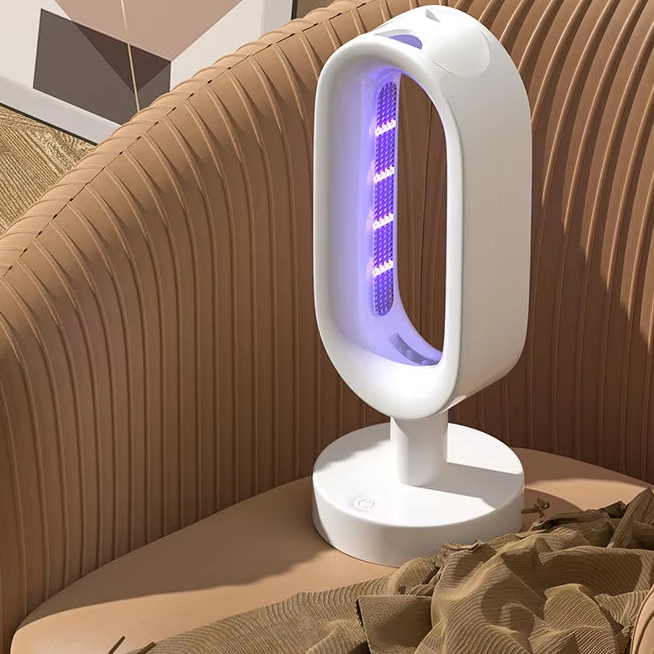
Similar to mosquito - killing paddles, there are also manual ways to deal with fruit flies. You can use a fly swatter to directly eliminate the visible fruit flies. However, this method is relatively passive, as it only works when you can see and reach the flies. Another approach is to regularly clean your kitchen and living areas, remove any overripe or rotting fruits promptly, and keep your trash cans clean and sealed. This proactive method helps to eliminate the breeding grounds and food sources of fruit flies, reducing their numbers in your home.
In conclusion, fruit flies can come from various sources, including being carried on fresh produce, flying in from the outside, and breeding indoors. Understanding where they come from is the first step in effectively controlling them. By using appropriate fruit fly traps and maintaining good household hygiene, you can keep these annoying insects at bay and enjoy a fruit - filled environment without the nuisance of fruit flies.
What is the number one killer mosquito
Are mosquitoes attracted to UV lights
Related Article

If you’re struggling with annoying mosquitoes, flies, and other flying pests indoors and outdoors, upgrading from traditional manual tools to anElectric Mosquito Swatter is the most efficient solution. Many homeowners and renters search where to buy fly swatter online to find durable, safe, and high-performance electric models that deliver instant pest control.
Where to Buy Fly Swatter

Most importers of electric mosquito swatters obsess over the first order: samples requested, factories vetted, a pre-shipment inspection booked. Then the reorder arrives eight months later and something is off. The grid feels softer. The charge port is a slightly different shade of black. The carton thickness dropped from 350 gsm to 300 gsm. Nothing is catastrophic — but the product no longer matches what your retail customers approved, and quietly, your return rate starts climbing.
How to Keep Mosquito Swatter Quality Consistent Across Repeat Orders

Warranty returns are the silent margin killer in the mosquito control category. A distributor who buys a swatter at $1.80 FOB and retails it at $9.90 can absorb a 1% return rate without noticing — but at 5%, the combined cost of replacement units, reverse logistics, and refund processing erases most of the line's profit.
Common mosquito swatter killer lamp failure modes wholesale spec guide

Digital bathroom scales rank as the second-highest-volume consumer weighing product category, only behind kitchen scales, with distinct market and product characteristics that set them apart from other scale types in importers’ product portfolios.
Digital bathroom body fat-bia-scale wholesale buyers guide